Commercial concrete patios face intense wear and tear across the Greater Toronto Area. From restaurant terraces along King Street West to office building courtyards in Mississauga, outdoor commercial spaces endure punishing freeze-thaw cycles, heavy foot traffic, and exposure to de-icing salts that accelerate deterioration. For property owners managing hospitality venues, retail complexes, or multi-unit residential buildings, the question isn’t whether your concrete patio will show signs of damage—it’s when, and what you’ll do about it.

Rather than undertaking costly full replacements, savvy property managers throughout Toronto and the GTA are discovering that professional concrete resurfacing offers a cost-effective solution that extends the life of outdoor commercial spaces while enhancing their appearance and safety. Working with experienced commercial concrete contractors who understand the unique challenges of Toronto’s climate can transform a deteriorating patio into a revitalized asset that serves your business for years to come.

Understanding the Deterioration of Commercial Concrete Patios in Toronto

Toronto’s climate presents unique challenges for concrete surfaces. The combination of harsh winters, significant temperature fluctuations, and moisture exposure creates a perfect storm for concrete degradation. Understanding these factors helps property owners make informed decisions about maintenance and restoration.

Climate-Specific Damage Patterns

Commercial concrete patios in the GTA experience accelerated wear due to several environmental factors. Winter freeze-thaw cycles cause water to penetrate small cracks, expand when frozen, and gradually break apart the concrete matrix. This process repeats dozens of times each winter season, with Toronto typically experiencing 40-60 freeze-thaw cycles annually. Additionally, the de-icing salts commonly used throughout the region don’t just melt ice—they chemically react with concrete, causing surface scaling and spalling that compromises structural integrity.

High-traffic commercial spaces compound these issues. Restaurant patios serving hundreds of guests daily, retail plaza walkways, and building entrance areas experience constant abrasion that wears down protective surface layers, exposing the concrete to accelerated deterioration. UV exposure during summer months further degrades sealants and surface treatments, creating a year-round assault on your concrete investment.

The Cost of Neglect

Delaying repairs on deteriorating concrete patios leads to escalating problems. Surface cracks develop into structural issues, minor spalling becomes major concrete loss, and uneven surfaces create liability concerns. Property owners face potential slip-and-fall incidents, accessibility issues that may violate Ontario Building Code requirements, and aesthetic problems that impact customer perception and property values. What begins as a manageable resurfacing project can evolve into a complete replacement costing three to five times more than proactive restoration.

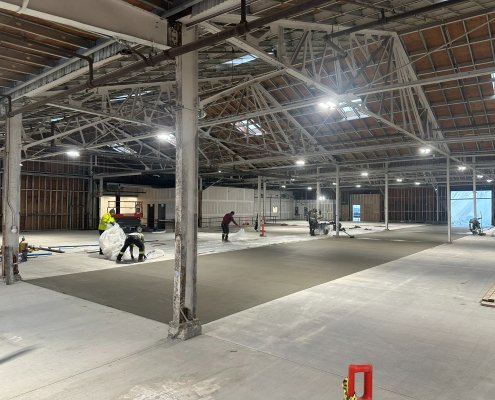
podium deck waterproofing

The Benefits of Commercial Concrete Resurfacing

Resurfacing provides commercial property owners with a strategic middle ground between ongoing patch repairs and complete patio replacement. This approach delivers multiple advantages that align with the practical needs of GTA businesses.

Significant Cost Savings

Working with a concrete resurfacing contractor typically costs 30-50% less than complete removal and replacement. Resurfacing avoids the expenses associated with demolition, disposal fees (which can be substantial in Toronto), extended downtime, and the installation of entirely new concrete structures. For a mid-sized commercial patio of 1,500-2,000 square feet, the cost difference can represent savings of $15,000-$25,000 or more, depending on the complexity of the project.

Minimal Business Disruption

Time is money in commercial operations. Concrete resurfacing projects completed by experienced commercial concrete contractors in Toronto typically require 3-5 days from start to finish, compared to 2-3 weeks for full replacement. This reduced timeline means shorter closures for restaurants, less disruption for retail tenants, and faster return to normal operations. Many resurfacing applications can even be scheduled in phases, allowing portions of your patio to remain operational during the restoration process.

Enhanced Durability and Performance

Modern resurfacing materials and techniques actually improve upon original concrete installations. High-performance overlay systems provide superior resistance to freeze-thaw damage, chemical exposure, and surface wear. Many products incorporate advanced polymers and additives specifically designed for Canadian climate conditions, offering better performance than traditional concrete in Toronto’s demanding environment. Properly installed resurfacing by qualified contractors can extend your patio’s functional life by 10-15 years or more.

Aesthetic and Functional Improvements

Resurfacing isn’t just about restoration—it’s an opportunity for enhancement. Contemporary resurfacing systems offer numerous decorative options including stamped patterns, custom colors, exposed aggregate finishes, and textured surfaces that improve slip resistance. Property owners can transform dated, worn concrete into attractive outdoor spaces that align with current design trends and brand aesthetics, all while improving safety and accessibility to meet Ontario Building Code standards.

The Commercial Concrete Resurfacing Process

Understanding the resurfacing process helps property owners set realistic expectations and make informed decisions when selecting contractors in the GTA.

Comprehensive Surface Assessment

Professional commercial concrete contractors begin with thorough evaluation of existing conditions. This assessment identifies the extent of damage, determines structural soundness, evaluates drainage patterns, and detects underlying issues such as foundation settlement or inadequate substrate preparation. For Toronto properties, contractors specifically look for salt damage, freeze-thaw deterioration, and moisture-related problems common to the region.

Reputable contractors provide detailed condition reports with photographic documentation, clear explanations of required repairs, and transparent pricing based on actual needs rather than generic estimates. This assessment phase is critical—attempting to resurface over fundamentally compromised concrete leads to premature failure and wasted investment.

Surface Preparation and Repair

Proper preparation determines resurfacing success. Contractors must thoroughly clean all surfaces, removing dirt, oils, previous sealers, and deteriorated concrete. Specialized equipment including shot blasters, scarifiers, or pressure washing systems create the proper surface profile for optimal bonding of new materials.

Structural repairs precede resurfacing. Contractors address significant cracks, spalling areas, and uneven sections using appropriate repair mortars and techniques. In Toronto, where freeze-thaw damage is prevalent, this often involves routing out deteriorated concrete, treating exposed rebar if corrosion is present, and rebuilding sections to restore structural integrity. Drainage improvements may also be incorporated to address water pooling issues that contribute to future deterioration.

Resurfacing Application

The application phase varies based on selected materials and project requirements. Common resurfacing systems used by commercial concrete contractors in the GTA include polymer-modified overlays, microtoppings, stamped overlay systems, and specialty coatings designed for high-traffic applications.

Most applications involve multiple steps: a bonding primer to ensure adhesion, the resurfacing material itself applied in appropriate thickness (typically 1/4 inch to 1 inch depending on the system), surface finishing to achieve the desired texture and appearance, and protective sealers to enhance durability and weather resistance. Temperature and humidity conditions must be appropriate during installation—a consideration that affects scheduling in Toronto’s variable climate, particularly during spring and fall months.

Curing and Protection

Proper curing is essential for achieving specified performance characteristics. Contractors must protect newly resurfaced areas from premature traffic, precipitation, and temperature extremes during the curing period. Most systems require 24-72 hours before light foot traffic and 5-7 days before full use. During this time, proper protection and favorable weather conditions are critical—factors that experienced local contractors account for when scheduling projects in the GTA.

Choosing the Right Concrete Resurfacing Contractor in Toronto

Selecting qualified concrete contractors separates successful resurfacing projects from disappointing failures. Commercial property owners should evaluate several key factors when making this critical decision.

Experience and Specialization

General contractors may offer concrete services, but commercial resurfacing requires specific expertise. Look for contractors with demonstrated experience in commercial applications, proven track record with projects similar in scale and scope to yours, and specific knowledge of Toronto building requirements and climate challenges. Contractors with 20-30+ years of experience in the GTA have weathered the full spectrum of local conditions and understand what works in this market.

Ask potential contractors about their experience with commercial properties like yours. A contractor specializing in residential driveways may lack the expertise required for high-traffic commercial applications subject to Ontario Building Code commercial standards.

Comprehensive Service Capabilities

The best contractors offer integrated solutions beyond simple resurfacing. Look for companies providing waterproofing applications to address moisture issues, foundation repair capabilities for underlying structural problems, commercial restoration experience for complex projects, and concrete repair services for comprehensive property maintenance. This breadth of expertise ensures contractors can address root causes of deterioration rather than simply covering symptoms.

Contractors offering multiple related services demonstrate commitment to the industry and investment in expertise, equipment, and training across complementary specialties—all indicators of professional operations capable of delivering quality results.

Materials and Methods

Professional contractors use proven, high-performance materials appropriate for Toronto’s climate. Inquire about specific products they recommend, why those products suit your application, warranty coverage for both materials and workmanship, and their experience with those systems in local conditions.

Be wary of contractors offering suspiciously low prices—they often achieve these prices by using inferior materials or cutting corners on preparation and application. Quality resurfacing requires investment in proper materials and adequate time for correct installation.

Licensing, Insurance, and References

Verify that contractors carry appropriate insurance coverage including commercial general liability and WSIB coverage for workers. Request and actually contact references from recent commercial projects, particularly those involving similar properties or applications. Professional contractors readily provide this information and welcome the opportunity to showcase their work.

Check online reviews and ratings, but recognize that complex commercial projects occasionally involve disputes even with excellent contractors. Look for patterns in feedback rather than isolated incidents, and evaluate how contractors respond to concerns—this reveals their commitment to customer satisfaction and problem resolution.

Maintaining Your Resurfaced Commercial Patio

Proper maintenance extends the life of resurfaced concrete and protects your investment. While professionally resurfaced patios are more durable than deteriorated concrete, they still benefit from proactive care.

Seasonal Maintenance for Toronto Climate

Toronto’s distinct seasons require adapted maintenance approaches. During winter months, use concrete-safe de-icing products rather than traditional rock salt—options like calcium magnesium acetate or specialty concrete-safe products minimize chemical damage. Promptly remove snow and ice to prevent repeated freeze-thaw exposure, and avoid metal shovels or sharp snow removal tools that can damage surface treatments.

Spring brings the critical post-winter inspection period. Examine surfaces for any damage that occurred during winter, addressing small issues before they expand. Pressure washing removes accumulated salt residue and winter grime. Summer and fall provide ideal times for reapplying sealers, typically required every 2-3 years depending on traffic levels and product specifications.

Regular Cleaning and Inspection

Establish routine cleaning schedules appropriate to your traffic levels and usage patterns. High-traffic restaurant patios may require daily sweeping and weekly thorough cleaning, while office building courtyards may need less frequent attention. Regular removal of debris, leaves, and standing water prevents staining and reduces deterioration.

Conduct quarterly inspections to identify emerging issues early. Look for cracks, surface wear patterns, drainage problems, areas where sealers have broken down, and any changes in surface texture or appearance. Early detection allows for minor repairs that prevent major problems.

Professional Maintenance Partnerships

Consider establishing relationships with commercial concrete contractors for ongoing maintenance services. Many contractors offer maintenance programs including periodic inspections, scheduled resealing, prompt repair of minor damage, and seasonal preparation and protection services. These programs provide peace of mind and often prove more cost-effective than reactive repairs when problems escalate.

Frequently Asked Questions About Commercial Concrete Resurfacing

How long does commercial concrete resurfacing typically last in Toronto’s climate?

With proper installation by qualified commercial concrete contractors and appropriate maintenance, resurfacing can extend your patio’s functional life by 10-15 years or more. The actual lifespan depends on several factors including traffic levels, maintenance quality, severity of winter weather exposure, and the specific resurfacing system used. High-performance polymer-modified overlays designed for Canadian conditions generally outlast standard cement-based products. Regular resealing every 2-3 years and prompt repair of minor damage significantly extends resurfacing longevity.

Can you resurface concrete in cold Toronto weather, or must we wait until spring?

Temperature significantly affects resurfacing success. Most concrete resurfacing materials require minimum temperatures of 10-15°C (50-60°F) during application and curing, which limits work during Toronto’s late fall through early spring period. The optimal window for resurfacing in the GTA typically runs from May through September when temperatures are consistently warm and precipitation is less problematic. However, some specialty cold-weather formulations allow work in cooler conditions. Professional contractors will advise on seasonal timing based on specific products, weather forecasts, and project requirements. Planning resurfacing during ideal weather windows ensures proper curing and maximum performance.

Is resurfacing suitable for all damaged concrete patios, or are some beyond repair?

While resurfacing addresses many common concrete issues, some conditions require more extensive intervention. Resurfacing works well for surface-level problems including minor cracking, scaling and spalling, discoloration and staining, rough or worn surfaces, and cosmetic deterioration. However, severe structural cracking, significant settlement or heaving, deep deterioration affecting concrete integrity, major foundation issues, or extremely damaged concrete may require partial or complete replacement. Professional assessment by experienced concrete resurfacing contractors determines whether your specific patio is a suitable candidate for resurfacing or requires alternative solutions. Honest contractors will recommend replacement when resurfacing would provide inadequate results or represent poor value.

What’s the difference between DIY resurfacing products and professional commercial applications?

Retail DIY resurfacing products available at home improvement stores target residential homeowners and small-scale projects. These products typically have limited durability under commercial traffic conditions, require ideal application conditions not always achievable for larger projects, lack the performance additives found in commercial-grade systems, and come with limited technical support and no professional warranty. Commercial concrete contractors use professional-grade materials with proven performance in high-traffic applications, have specialized equipment for proper surface preparation and application, bring expertise in addressing underlying issues and ensuring proper installation, and provide warranties backing their work. For commercial properties where durability, longevity, and professional results matter, the investment in professional installation delivers far superior value and performance compared to DIY approaches.

Partnering with Experienced GTA Concrete Contractors

Commercial concrete patio resurfacing represents a strategic investment for property owners throughout the Greater Toronto Area seeking to extend the life of their outdoor spaces while managing costs effectively. The harsh realities of Toronto’s climate demand professional solutions backed by expertise, proven materials, and quality workmanship that delivers lasting results.

Nusite Group brings over 30 years of experience serving commercial property owners across the GTA with comprehensive concrete, waterproofing, and restoration services. Our team understands the unique challenges Toronto properties face and provides customized solutions tailored to your specific needs, whether you’re managing a hospitality venue with high-traffic outdoor seating, a commercial complex requiring accessible and attractive common areas, or a multi-unit residential property seeking to enhance outdoor amenities.

We offer complete concrete restoration capabilities including surface resurfacing with high-performance systems, structural repair and waterproofing applications, foundation work addressing underlying issues, and ongoing maintenance support protecting your investment. Our integrated approach ensures we address not just surface symptoms but root causes of deterioration, delivering results that perform through decades of Toronto winters.

Don’t wait for minor concrete issues to become major problems requiring complete replacement. Contact Nusite Group today for a comprehensive assessment of your commercial patio and a transparent proposal outlining your options. Let our three decades of GTA experience work for your property, providing the trusted and competent concrete resurfacing contractors you’ve been searching for. Extend the life of your outdoor commercial space with professional resurfacing that delivers durability, aesthetic appeal, and value for years to come.

Walk into any modern retail space, industrial facility, or commercial building in Toronto, and you’ll likely encounter polished concrete floors that combine industrial aesthetics with practical durability. What many property owners don’t realize is that these impressive surfaces often started as worn, damaged, or outdated concrete slabs that were transformed through professional refinishing techniques.

Concrete refinishing has emerged as one of the most cost-effective and sustainable solutions for commercial and industrial properties throughout the Greater Toronto Area. Rather than tearing out and replacing deteriorated floors, refinishing breathes new life into existing concrete, creating surfaces that are stronger, more attractive, and better suited to the demanding conditions of GTA commercial operations.

For property owners managing warehouses in Brampton, retail centers in Mississauga, manufacturing facilities in Vaughan, or office buildings in downtown Toronto, understanding the benefits and possibilities of concrete refinishing can unlock significant value in your property investment.

Understanding Concrete Refinishing and Polishing

Concrete refinishing encompasses a range of restoration and enhancement techniques that repair, resurface, and improve existing concrete floors and surfaces. These processes can transform damaged, stained, or outdated concrete into high-performance surfaces that meet modern aesthetic and functional requirements.

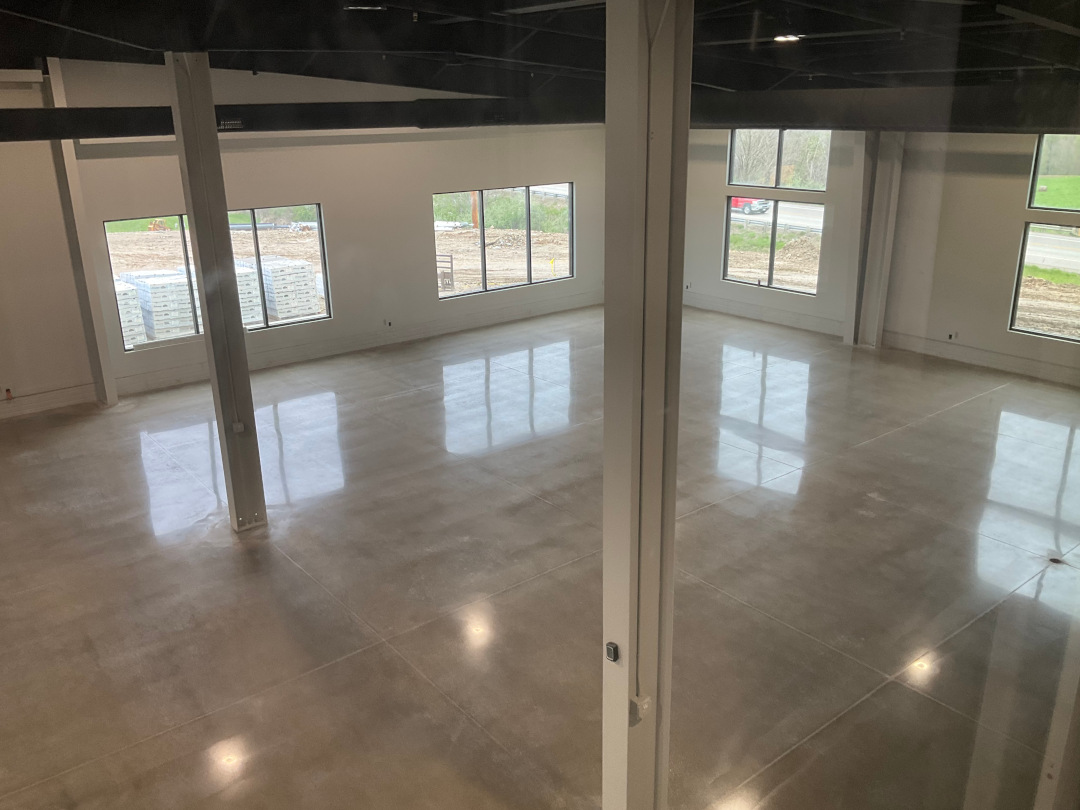
Polished concrete represents the premium tier of refinishing, where specialized grinding and polishing equipment progressively refines the concrete surface to achieve varying levels of sheen—from subtle satin finishes to high-gloss mirror-like surfaces. This isn’t simply coating concrete with a topical sealer; it’s a mechanical process that densifies and hardens the concrete itself, creating a surface that becomes more durable with each level of refinement.

The refinishing process addresses multiple issues simultaneously. It removes surface damage, eliminates staining, levels uneven areas, and creates a protective barrier against future wear. For commercial concrete contractors working in Toronto, this means they can deliver results that often exceed the performance characteristics of brand new concrete installations.

Beyond polishing, refinishing techniques include epoxy coatings, urethane systems, and specialized traffic coating applications. Each approach offers distinct advantages depending on your facility’s operational requirements, aesthetic preferences, and budget considerations.

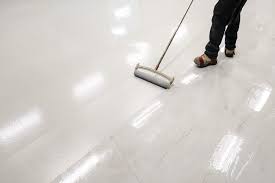
new polished concrete flooring in gta

Key Benefits for Commercial and Industrial Properties

Enhanced Durability and Longevity

Polished and refinished concrete surfaces dramatically outperform untreated concrete in durability. The mechanical polishing process densifies the concrete matrix, reducing porosity and creating a surface that resists abrasion, impact damage, and chemical exposure. For industrial facilities in the GTA handling heavy equipment traffic, this translates to floors that maintain their integrity for decades rather than years.

Toronto’s harsh climate makes this durability particularly valuable. Refinished concrete withstands the moisture, salt, and freeze-thaw exposure that enters buildings on vehicles and foot traffic during winter months. Unlike tile, vinyl, or carpet, properly finished concrete won’t delaminate, crack under temperature fluctuations, or deteriorate from the road salt tracked into your facility.

Cost-Effectiveness and ROI

When compared to complete concrete replacement or alternative flooring systems, refinishing delivers exceptional return on investment. Commercial concrete contractors can typically refinish existing slabs at 30-50% of the cost of removal and replacement, with minimal disruption to operations.

The long-term maintenance savings prove equally compelling. Polished concrete requires no waxing, stripping, or coating reapplication that traditional floors demand. Routine cleaning with microfiber mops and neutral cleaners maintains the surface indefinitely. For large commercial and industrial facilities, these maintenance savings can amount to thousands of dollars annually.

Energy efficiency provides another financial benefit. Polished concrete’s reflective properties reduce lighting requirements by up to 30%, cutting electricity costs while improving workplace visibility and safety.

Improved Safety and Functionality

Concrete refinishing significantly enhances workplace safety across commercial and industrial environments. Properly finished surfaces eliminate trip hazards from cracks, spalling, and uneven areas. The refined surface resists dust generation that can compromise indoor air quality and create housekeeping challenges in warehouses and manufacturing facilities.

Slip resistance can be engineered into the finish through aggregate exposure levels and sealer selection. This allows polished concrete contractors to create surfaces that meet specific safety requirements while maintaining the aesthetic and functional benefits of refined concrete.

For facilities requiring compliance with health and safety regulations, refinished concrete offers easy-to-clean, non-porous surfaces that don’t harbor bacteria, allergens, or contaminants. This makes refinished concrete particularly valuable for food processing facilities, pharmaceutical operations, and healthcare properties throughout the GTA.

Ideal Applications Across Different Commercial Sectors

Concrete refinishing serves diverse applications across Toronto’s commercial landscape. Retail environments benefit from the sophisticated appearance of polished concrete, which complements modern design aesthetics while handling high foot traffic. From boutique shops in Yorkville to big-box retailers in Etobicoke, refined concrete creates welcoming environments that require minimal maintenance.

Industrial and manufacturing facilities represent perhaps the ideal application for concrete refinishing. Warehouse floors endure constant forklift traffic, heavy pallet loads, and potential chemical exposure. Refinished concrete withstands these demands while providing the smooth, level surfaces necessary for efficient material handling operations.

Parking garages and loading docks face particularly harsh conditions in the GTA climate. Specialized traffic coating systems applied during the refinishing process protect concrete from vehicle traffic, fuel and oil exposure, and the corrosive effects of road salt. These protective systems extend garage lifespan while reducing ongoing maintenance requirements.

Office buildings, educational facilities, and institutional properties increasingly embrace polished concrete for its combination of sustainability, aesthetics, and performance. The ability to incorporate logos, patterns, and custom coloring through scoring, staining, and dyeing techniques allows property owners to create distinctive environments that reflect their brand or institutional identity.

The Professional Refinishing Process

Understanding what quality concrete refinishing entails helps property owners evaluate contractors and set appropriate expectations. The process begins with thorough surface preparation, including removal of existing coatings, repair of cracks and damage, and leveling of uneven areas. This foundation work proves critical to achieving lasting results.

For polished concrete applications, specialized equipment progressively grinds the surface through increasingly fine diamond abrasives. Each grinding stage removes material and refines the surface, eventually exposing aggregate to desired depths and achieving specified gloss levels. Commercial concrete contractors working in Toronto typically complete this progression through 6-10 grinding stages for high-quality polished floors.

Between grinding stages, liquid hardeners and densifiers penetrate the concrete, filling pores and chemically reacting with the concrete to create an extremely hard, dense surface. These treatments transform the concrete matrix itself rather than simply coating the surface, which explains polished concrete’s exceptional durability.

Final polishing with ultra-fine abrasives creates the desired sheen level, from 400-grit satin finishes to 3000-grit high-gloss surfaces. Protective sealers then guard against staining and facilitate easy maintenance while preserving the polished appearance.

For coating applications, surface profiling prepares the concrete to accept epoxy, urethane, or specialized coating systems. Multiple product layers build the protective system, with specific formulations selected based on exposure conditions, traffic levels, and performance requirements.

Choosing the Right Polished Concrete Contractor in the GTA

The quality of concrete refinishing work depends entirely on contractor expertise and equipment capabilities. Look for commercial concrete contractors with dedicated refinishing divisions and proven track records on projects similar to yours. Refinishing equipment represents significant capital investment; contractors with state-of-the-art grinding and polishing machinery demonstrate their commitment to quality outcomes.

Experience with Toronto’s building conditions matters significantly. Contractors familiar with local concrete mixes, climate impacts, and typical deterioration patterns can anticipate challenges and adapt their approach accordingly. Ask for references from comparable commercial or industrial properties in the GTA and verify their experience with your specific application type.

Certifications and manufacturer relationships indicate professional standing. Polished concrete contractors certified through organizations like the Concrete Polishing Association of America have demonstrated technical competency and commitment to industry standards. Similarly, certification with leading coating and sealer manufacturers ensures access to premium products and technical support.

Insurance and bonding protect your investment. Verify that contractors carry substantial liability coverage and appropriate bonding for commercial projects. For large-scale industrial refinishing work, minimum coverage should reach into the millions.

Maintaining Your Investment

Properly refinished concrete requires minimal maintenance but benefits from appropriate care practices. Daily dust mopping removes abrasive particles that can gradually dull polished surfaces. Periodic cleaning with pH-neutral cleaners maintains appearance without damaging sealers or the polished surface itself.

Avoid acidic or alkaline cleaners that can etch or dull refined concrete. Similarly, abrasive scrubbing pads and aggressive cleaning equipment can damage polished finishes. Professional commercial concrete contractors should provide detailed maintenance guidelines specific to your installation.

For high-traffic commercial environments, periodic repolishing of specific zones may be necessary after several years of service. This maintenance refinishing proves far less extensive than the original installation and can be performed with minimal disruption to operations.

Transform Your Commercial Property with Expert Concrete Refinishing

Concrete refinishing represents one of the smartest investments commercial and industrial property owners in the GTA can make. The combination of enhanced durability, reduced maintenance costs, improved aesthetics, and sustainability benefits creates compelling value across virtually any application.

Whether you’re managing a retail property that needs an attractive, low-maintenance floor, an industrial facility requiring surfaces that withstand heavy equipment traffic, or a parking structure demanding protection from Toronto’s harsh climate, professional concrete refinishing delivers results that enhance both property value and operational efficiency.

For over 30 years, Nusite Group has served Toronto and the Greater Toronto Area as a trusted partner for commercial concrete restoration, waterproofing, and structural services. With more than 100 years of combined construction management experience and certification with leading industry manufacturers, our team brings the expertise necessary to transform your worn concrete surfaces into strong, polished finishes that perform for decades.

Our concrete division handles refinishing projects of all scales, from small commercial spaces to large industrial facilities, backed by comprehensive warranties and up to $10 million in liability insurance. We understand GTA climate challenges, building code requirements, and the specific performance demands your property faces.

Ready to explore how concrete refinishing can benefit your commercial or industrial property? Contact Nusite Group today for a free consultation. Our experienced team will assess your existing concrete, explain your refinishing options, and provide detailed proposals that outline the transformation possible for your property. Don’t let worn, damaged concrete undermine your facility’s appearance and functionality—discover the lasting value of professional concrete refinishing with Toronto’s trusted commercial concrete contractors.

When concrete deterioration threatens your commercial property in Toronto, finding the right contractor isn’t just about patching visible damage. It’s about partnering with experienced commercial concrete contractors who understand the unique challenges facing buildings in the Greater Toronto Area, from freeze-thaw cycles that plague our foundations to the stringent requirements of the Ontario Building Code.

Whether you’re managing a high-rise in downtown Toronto, overseeing a retail plaza in Mississauga, or responsible for an industrial facility in Vaughan, concrete damage can escalate quickly from a minor inconvenience to a major structural concern. The question isn’t whether to repair the damage, but how to choose the right team to handle it correctly the first time.

Understanding the Scope of Commercial Concrete Damage in Toronto

Commercial concrete repair goes far beyond simply filling cracks. In the GTA’s harsh climate, concrete faces constant assault from winter freeze-thaw cycles, road salt exposure, and moisture infiltration. These conditions can cause spalling, scaling, deterioration of reinforcing steel, and structural weakening that compromises building integrity.

Emergency concrete repair situations often arise without warning. A parking garage showing signs of concrete delamination, an elevator pit with water seepage, or a loading dock with compromised structural supports all demand immediate attention from qualified contractors who can respond quickly and execute solutions that last.

The scope of commercial concrete work varies widely across the GTA. You might need foundation repairs for settling buildings, structural restoration for aging properties, concrete slab restoration in warehouses, or specialized applications like traffic coating systems for parking structures. Each scenario requires specific expertise and proven methodologies.

Key Qualifications to Look for in Commercial Concrete Contractors

Years of Experience and Track Record

Experience matters significantly in commercial concrete repair. Contractors who have been serving the Toronto market for decades understand local soil conditions, climate challenges, and the specific issues that affect different types of commercial buildings throughout the region.

Look for contractors with a proven track record on projects similar to yours. A company that has successfully completed over 50 million square feet of waterproofing and concrete applications demonstrates the kind of experience that translates into reliable solutions. Ask for references from similar commercial properties and verify their history with actual completed projects in the GTA.

Proper Licensing, Bonding, and Insurance

Never compromise on credentials. Commercial concrete contractors in Ontario should carry substantial liability insurance to protect your property and investment. Minimum coverage should be in the millions, with top-tier contractors often carrying $10 million or more in liability insurance.

Bonding provides additional protection, ensuring that contractors can fulfill their contractual obligations even if unforeseen circumstances arise. This financial security is particularly important for large-scale commercial projects where delays or incomplete work could result in significant losses.

Certifications and Manufacturer Relationships

Quality commercial concrete repair requires access to the best materials and the knowledge to apply them correctly. Look for contractors who are certified applicators of leading industry products from manufacturers like Tremco, Soprema, Carlisle, and GCP.

These certifications aren’t just credentials on a wall. They represent ongoing training, adherence to manufacturer specifications, and the ability to offer comprehensive material warranties backed by the manufacturers themselves. This ensures that your concrete repair work is protected not just by the contractor’s labour warranty, but also by material guarantees that can extend for years or even decades.

Evaluating Technical Capabilities and Equipment

Modern commercial concrete repair demands sophisticated diagnostic capabilities. The best contractors in the GTA invest in advanced inspection tools including moisture meters, FLIR infrared cameras, and laser measuring equipment. These technologies allow for accurate diagnosis of water intrusion, moisture damage, and structural concerns before any repair work begins.

This diagnostic approach is crucial for emergency concrete repair situations. When time is of the essence, you need contractors who can quickly assess the full extent of damage, identify underlying causes, and recommend solutions that address both symptoms and root problems.

In-house capabilities also matter significantly. Contractors with dedicated concrete divisions can handle everything from engineered structural repairs to complex projects like loading dock construction, forming work, and foundation restoration. This integration of services means better coordination, faster timelines, and single-source accountability for your project.

Toronto-Specific Considerations for Concrete Repair

Climate and Weather Factors

Toronto’s climate presents unique challenges for concrete repair work. Our freeze-thaw cycles are particularly brutal on concrete structures, with moisture penetrating small cracks, freezing, expanding, and causing progressive deterioration. This makes proper waterproofing integration essential for any concrete repair project.

Winter conditions also affect repair scheduling. While emergency concrete repair can’t always wait for ideal weather, experienced GTA contractors know how to work within seasonal limitations, using cold-weather concrete mixes and heated enclosures when necessary to ensure proper curing and long-term durability.

Summer humidity and temperature swings create their own challenges. Professional contractors account for these conditions in their material selection and application methods, ensuring that repairs perform reliably year-round.

Building Code Compliance and Regulations

The Ontario Building Code sets strict requirements for commercial concrete work, particularly for structural repairs and applications that affect building safety. Experienced contractors in Toronto stay current with code requirements and work collaboratively with engineers, architects, and building officials to ensure full compliance.

For heritage buildings and properties in historically designated areas, additional regulations apply. Contractors familiar with Toronto’s heritage standards can navigate these requirements while delivering effective concrete restoration that respects architectural integrity.

Red Flags to Avoid When Hiring Concrete Contractors

Not all contractors offering commercial concrete repair services in the GTA are created equal. Be wary of unusually low bids that seem too good to be true—they usually are. Quality materials, skilled labour, and proper execution come at a fair market price. Significant underpricing often indicates shortcuts that will cost you more in the long run.

Lack of transparency about materials, methods, or warranties should raise immediate concerns. Professional contractors provide detailed proposals outlining exactly what products will be used, how the work will be executed, and what guarantees back their craftsmanship.

Avoid contractors who can’t provide current insurance certificates, bonding information, or references from comparable commercial projects. Similarly, be cautious with contractors who pressure you for immediate decisions or deposits before providing comprehensive project proposals.

Making Your Final Decision

Choosing the right commercial concrete contractors for your GTA property requires balancing multiple factors: experience, credentials, technical capabilities, pricing, and reputation. Don’t rush the decision, especially for significant repair projects that affect your building’s structural integrity or functionality.

Request detailed proposals from multiple qualified contractors. Compare not just pricing, but scope of work, material specifications, project timelines, and warranty terms. The cheapest option rarely provides the best value over time.

Check reviews and ratings on platforms like HomeStars and Google, but also speak directly with references. Ask about the contractor’s communication, problem-solving abilities, and how they handled unexpected challenges during the project.

Frequently Asked Questions

How quickly can commercial concrete contractors respond to emergency repairs in Toronto?

Emergency concrete repair timelines depend on the nature and severity of the damage. Reputable contractors serving the GTA typically offer rapid response for urgent situations, often providing initial assessments within 24-48 hours. The actual repair timeline varies based on the scope of work, but experienced contractors can mobilize quickly for critical structural issues or situations that threaten building operations.

What warranties should I expect for commercial concrete repair work?

Professional commercial concrete contractors in Toronto should provide comprehensive warranties covering both materials and labour. Material warranties depend on the products used and can range from 5 to 25 years when certified manufacturer applications are properly executed. Labour warranties typically range from 2 to 10 years, with longer warranties indicating greater contractor confidence in their workmanship. Always get warranty terms in writing before work begins.

How do I know if my concrete damage requires emergency repair or can wait for scheduled work?

Certain conditions demand immediate attention: active water infiltration, visible structural movement or sagging, large sections of spalled or delaminated concrete (especially overhead), exposed or corroded reinforcing steel, and damage affecting life safety systems like emergency exits or fire separations. When in doubt, have a qualified contractor conduct an inspection. They can assess urgency and help you prioritize repairs based on safety, code compliance, and long-term building protection.

What’s the difference between cosmetic concrete repairs and structural restoration?

Cosmetic repairs address surface-level damage like minor cracks, small areas of spalling, or aesthetic concerns without structural implications. Structural restoration involves engineered repairs to concrete elements that carry loads or provide building support—foundations, columns, beams, slabs, and load-bearing walls. Structural work requires proper engineering assessment, adherence to building codes, and often inspection by municipal authorities. Using contractors with both concrete expertise and structural restoration experience ensures your project receives the appropriate level of attention and engineering oversight.

Protect Your Investment with the Right Partner

Your commercial property represents a significant investment, and the concrete that forms its foundation, structure, and parking areas deserves professional care from experienced specialists. Whether you’re dealing with routine maintenance, planned restoration, or emergency concrete repair, choosing qualified commercial concrete contractors in the GTA makes all the difference in outcomes, longevity, and cost-effectiveness.

For over 30 years, Nusite Group has served as Toronto’s trusted partner for commercial waterproofing, concrete repair, and structural restoration. With more than 100 years of combined construction management experience, up to $10 million in liability insurance, and over 50 million square feet of successful applications throughout Ontario, we bring the expertise, credentials, and proven track record your commercial property deserves.

Don’t wait until minor concrete issues become major structural problems. Contact Nusite Group today at (416) 622-7000 or visit nusitegroup.com to schedule a professional assessment of your commercial property. Our experienced team uses advanced diagnostic tools to identify issues early and provide lasting solutions backed by comprehensive warranties.

When it comes to commercial concrete repair in Toronto and the GTA, experience, certification, and accountability matter. Choose a contractor who has proven their expertise across decades of successful projects—choose Nusite Group.

Concrete structures form the foundation of commercial and industrial properties throughout the Greater Toronto Area, from high-rise office buildings and manufacturing facilities to warehouses and parking structures. While concrete is renowned for its durability, even the most expertly installed concrete develops cracks over time—a reality that every property owner in Toronto must eventually address. The critical question isn’t whether cracks will appear, but rather how to respond when they do.

Understanding when concrete cracks require simple repairs versus complete replacement can save property owners thousands of dollars while ensuring structural integrity and safety. The wrong decision can lead to recurring problems, escalating repair costs, or even structural failures that compromise building safety. With Toronto’s harsh freeze-thaw cycles, temperature extremes, and unique soil conditions, making informed decisions about concrete repair or replacement requires careful evaluation and experienced professional guidance.

This comprehensive guide will help commercial and industrial property owners across the GTA navigate the decision-making process, recognize warning signs that demand immediate attention, and understand when emergency concrete repair becomes necessary to protect your investment.

Understanding Concrete Cracks: Types and What They Reveal

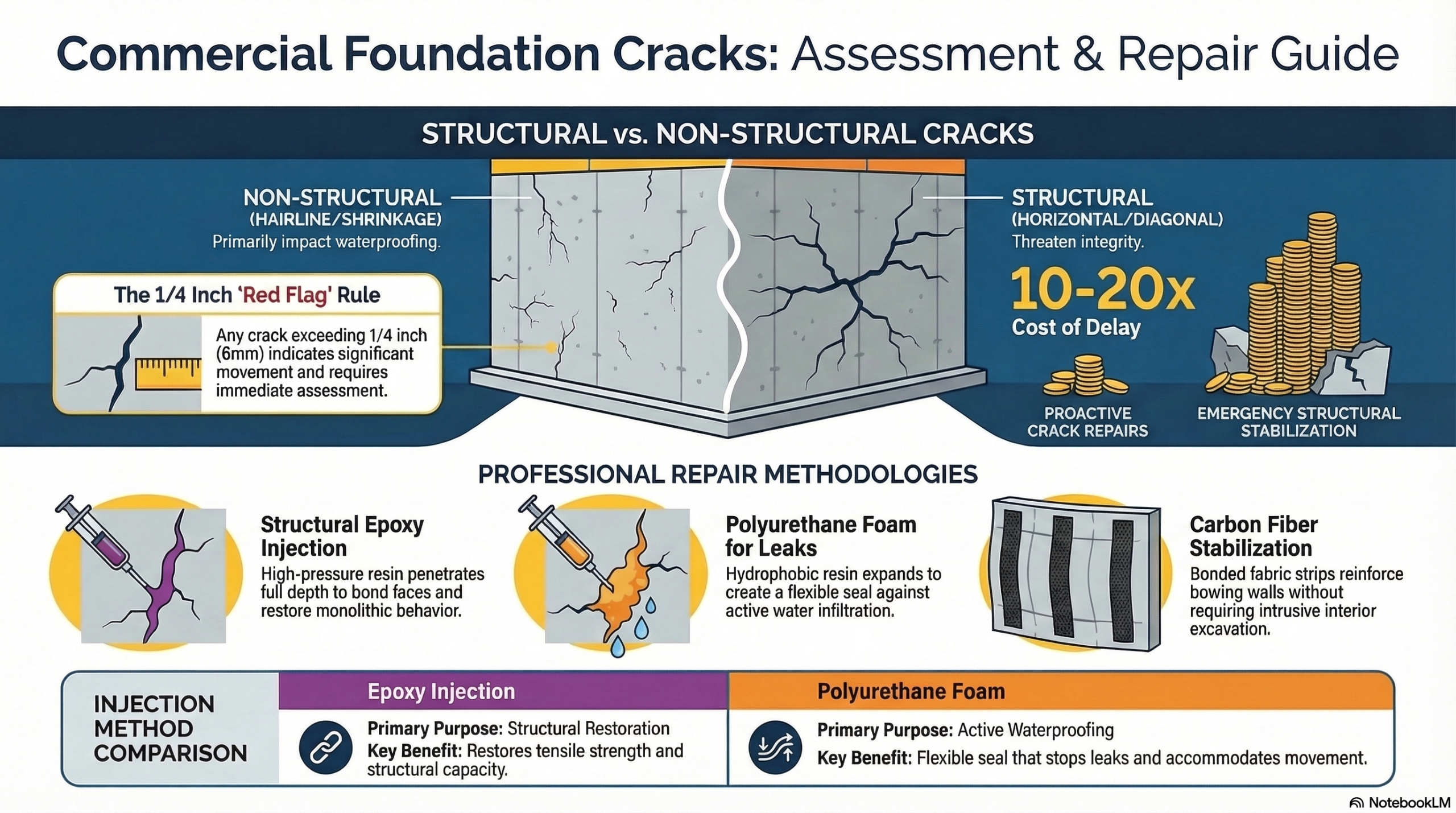
Not all concrete cracks signal the same problems or require the same solutions. Hairline cracks, measuring less than 0.3mm in width, are common in concrete structures throughout Toronto and typically result from normal curing shrinkage or minor settlement. These superficial cracks rarely indicate structural problems and often can be addressed with simple sealing techniques that prevent water infiltration without requiring extensive concrete replacement.

Structural cracks present a more serious concern and demand immediate professional evaluation. These cracks typically exceed 5mm in width, run horizontally or diagonally across foundation walls or load-bearing elements, and may show signs of movement or displacement. In commercial buildings across the GTA, structural cracks often result from foundation settlement, soil movement, excessive loading, or deterioration caused by repeated freeze-thaw cycles. Commercial concrete contractors can determine whether structural cracks require targeted repairs with reinforcement or necessitate partial or complete concrete replacement.

Pattern cracking, including map cracking or crazing, creates interconnected networks of small cracks across concrete surfaces. While these patterns often appear primarily cosmetic, they can indicate deeper issues with concrete quality, improper curing, or premature deterioration. In Toronto’s climate, pattern cracks allow water penetration that accelerates deterioration through freeze-thaw damage, making assessment by experienced contractors essential to determine whether repair or replacement provides the most cost-effective long-term solution.

Settlement cracks occur when soil beneath concrete foundations shifts or compresses unevenly, creating stress concentrations that crack the concrete. The diverse soil conditions across the GTA—from the clay soils common in Toronto proper to the sandy soils in other areas—create varying settlement risks. Settlement cracks often widen over time and may indicate ongoing foundation movement that requires addressing the underlying cause before concrete repair or replacement can be successful.

industrial concrete floor repair and refinishing toronto

When Concrete Repair Is the Right Solution

Surface-level damage and cosmetic cracks respond well to repair techniques that restore appearance and prevent further deterioration without the expense of replacement. When cracks remain stable over time, show no signs of active movement, and don’t compromise structural integrity, repair approaches including epoxy injection, polyurethane foam filling, or specialized concrete patching compounds provide cost-effective solutions. These repairs can extend concrete life by decades when performed correctly by qualified contractors.

Isolated concrete crack repair makes sense when damage affects limited areas while surrounding concrete remains sound. Commercial buildings in Toronto frequently experience localized concrete damage from specific causes—impact damage in loading dock areas, isolated settlement near building additions, or deterioration concentrated around improper drainage points. In these situations, targeted repairs that address both the damage and its underlying cause provide effective solutions without the disruption and expense of wholesale concrete replacement.

Early-stage deterioration offers the ideal window for successful repairs that prevent minor issues from becoming major problems. When property owners address concrete cracks promptly—before water infiltration causes extensive freeze-thaw damage, before minor settling becomes major foundation failure, before hairline cracks widen into structural concerns—repair solutions preserve the existing concrete while protecting against future damage. Regular inspections by commercial concrete contractors help identify issues at stages when repair remains viable and cost-effective.

Budgetary constraints sometimes necessitate repair approaches even when replacement might be ideal, but only when repairs can adequately address safety and functional requirements. Emergency concrete repair services provide critical solutions when immediate action is needed but complete replacement isn’t immediately feasible. Experienced contractors can implement repairs that stabilize situations, prevent further damage, and maintain safety while allowing property owners to plan for eventual replacement if necessary. However, repairs should never compromise building safety or merely postpone inevitable failure.

When Concrete Replacement Becomes Necessary

Extensive cracking that affects significant portions of a concrete structure typically indicates that repair approaches won’t provide adequate long-term solutions. When cracks cover more than 30-40% of a concrete surface, when multiple structural cracks appear throughout a foundation or floor system, or when pattern cracking has caused widespread deterioration, replacement often proves more cost-effective than attempting to repair numerous individual problem areas. Commercial concrete contractors evaluate the extent of damage to help property owners understand when repair costs approach or exceed replacement costs while providing inferior results.

Active structural movement demands replacement rather than repair in most situations. Concrete cracks that continue widening, walls showing progressive bowing or displacement, or foundations experiencing ongoing settlement indicate active problems that repairs cannot adequately address. Toronto’s seasonal soil moisture variations and freeze-thaw cycles can exacerbate structural movement, making it essential to address these issues with permanent solutions. Replacement allows contractors to correct underlying causes—improving soil support, enhancing drainage, or redesigning structural elements—while installing new concrete engineered to prevent recurrence.

Severe deterioration from years of freeze-thaw damage common in the GTA often leaves concrete so compromised that repair becomes impractical. When concrete has lost significant strength due to extensive cracking, spalling, or internal deterioration, when reinforcing steel shows advanced corrosion, or when concrete has become friable and weak, replacement provides the only viable solution. This type of deterioration frequently appears in older commercial buildings throughout Toronto where original waterproofing has failed and years of water infiltration have taken their toll.

Design or construction deficiencies in original concrete installation sometimes mean that repairs will only address symptoms while leaving fundamental problems unresolved. Concrete installed with inadequate thickness for its intended use, improper reinforcement placement, substandard concrete mixes, or poor curing practices during Toronto’s temperature extremes may never perform adequately regardless of repairs attempted. Replacement allows for correcting these original deficiencies with properly designed and installed concrete that will provide decades of reliable service.

Building code compliance issues may require concrete replacement rather than repair. The Ontario Building Code has evolved over decades, and older concrete structures may not meet current standards for load capacity, seismic resistance, or accessibility. When renovations, additions, or changes in building use trigger code compliance requirements, replacement of non-compliant concrete elements often becomes necessary. Working with knowledgeable contractors ensures that replacement concrete meets all current code requirements while addressing any existing deficiencies.

Toronto Climate Considerations in Repair vs. Replace Decisions

Toronto’s freeze-thaw cycles place unique demands on concrete repair decisions that property owners must consider carefully. The region experiences an average of 40-50 freeze-thaw cycles annually—periods when temperatures cross the freezing point and cause any water in concrete to expand and contract repeatedly. This cycling creates tremendous stress on concrete structures and particularly affects repairs. Some repair materials and techniques withstand freeze-thaw cycling better than others, making material selection critical for repair longevity in the GTA.

Winter presents particular challenges for both concrete repair and replacement projects. Many repair materials require temperatures above 5°C (41°F) for proper application and curing, limiting the window for non-emergency repairs during Toronto winters. However, emergency concrete repair sometimes can’t wait for ideal conditions. Experienced commercial concrete contractors maintain specialized materials and techniques for cold-weather repairs when necessary, though these approaches may carry higher costs and require additional protection measures during curing.

Spring thaw periods bring peak moisture levels as accumulated snow and ice melt, raising water tables and saturating soils around foundations. These conditions can reveal previously hidden concrete damage, trigger structural settlement, or accelerate deterioration in compromised concrete. Property owners who identify concrete problems during spring should have them evaluated promptly, as the damage may worsen significantly during the following winter’s freeze-thaw cycles.

The timing of repair or replacement projects affects their success in Toronto’s climate. Ideally, concrete work should occur during moderate weather—typically late spring through early fall—when temperatures remain consistently warm enough for proper curing and contractors can implement weatherproofing measures before winter arrives. Planning ahead for non-emergency concrete work allows property owners to schedule projects during optimal conditions rather than facing urgent repairs during challenging weather.

Making the Right Decision: Factors to Evaluate

Professional assessment by qualified commercial concrete contractors provides the foundation for sound repair-versus-replace decisions. While property owners can identify obvious concrete problems, determining their cause, extent, and appropriate solution requires expertise that only experienced contractors possess. Comprehensive evaluations should include visual inspection of all visible concrete surfaces, assessment of structural loading and design, evaluation of underlying soil conditions, review of drainage and waterproofing systems, and testing when necessary to determine concrete strength and condition.

Cost analysis must consider both immediate expenses and long-term value when comparing repair and replacement options. While repairs typically cost less initially, they may require repetition if they don’t adequately address underlying problems or if repaired concrete continues deteriorating. Replacement involves higher upfront costs but often provides superior long-term value through decades of maintenance-free service. Contractors should provide detailed cost comparisons showing projected lifespan for each approach, likelihood of future repairs, and total cost of ownership over 20-30 year periods.

Timeline considerations affect decision-making for commercial and industrial properties where operational interruptions carry significant costs. Simple repairs may require only days to complete with minimal disruption, while major replacement projects could take weeks and necessitate temporary relocation of equipment, inventory, or operations. However, the extensive preparation, temporary shoring, and careful planning required for replacement projects often means they cause less disruption than multiple rounds of repairs over time. Emergency concrete repair situations demand immediate action regardless of disruption, as delayed response could lead to catastrophic failure.

Future building plans should inform repair-versus-replace decisions. Property owners planning significant renovations, expansions, or changes in building use within the next 5-10 years may find that replacement makes more sense than repairs if the concrete will require modification anyway. Conversely, properties approaching end of useful life might benefit from repair approaches that address immediate safety concerns without investing in long-term replacement solutions.

Protecting Your Investment with Expert Concrete Solutions

Concrete structures represent fundamental investments in commercial and industrial properties throughout the Greater Toronto Area, and protecting these investments requires making informed decisions about addressing concrete damage when it appears. Whether your property requires targeted repairs that extend concrete life or complete replacement that ensures decades of reliable performance, working with experienced contractors makes all the difference in achieving successful outcomes.

Nusite Group brings over 30 years of specialized expertise in concrete repair, foundation restoration, and commercial construction services to property owners across Toronto and the entire GTA. Our comprehensive approach evaluates not just the visible concrete damage but also underlying causes, building conditions, and long-term property objectives to recommend solutions that make sense both technically and financially. We understand Toronto’s unique climate challenges, soil conditions, and building requirements, allowing us to design concrete solutions that provide lasting performance in our demanding environment.

Whether you’re dealing with minor cracks that require professional assessment, significant concrete deterioration demanding immediate attention, or emergency concrete repair situations that can’t wait, our team provides the experienced guidance and proven solutions necessary to protect your property. We offer honest evaluations that help you understand when repairs provide adequate solutions and when replacement represents the better investment, always prioritizing building safety, code compliance, and long-term value.

Contact Nusite Group to schedule a comprehensive evaluation of your commercial or industrial property’s concrete condition. Our detailed assessments identify problems, explain their causes, and present clear options for repair or replacement based on your specific situation. Don’t wait until minor concrete issues become major structural problems—proactive assessment and timely action protect your investment while minimizing costs and disruption.

Commercial property owners throughout Toronto and the Greater Toronto Area face a common challenge: aging concrete surfaces that show years of wear from harsh Canadian winters, heavy traffic, and constant use. Cracked parking lots, spalling warehouse floors, and deteriorating loading docks aren’t just unsightly—they represent potential safety hazards and can significantly diminish your property’s value. The good news? Complete replacement isn’t always necessary. Concrete resurfacing offers a cost-effective solution that can add decades of life to your existing concrete structures while addressing the unique challenges presented by Toronto’s demanding climate.

For commercial properties across the GTA, from Etobicoke warehouses to Markham office complexes, concrete resurfacing has become the smart alternative to costly demolition and replacement, delivering substantial savings while restoring both functionality and curb appeal.

Understanding Concrete Resurfacing: More Than Just a Cosmetic Fix

What is Concrete Resurfacing?

Concrete resurfacing involves applying a thin layer of specialized overlay material to existing concrete surfaces, effectively creating a brand-new surface without the expense and disruption of complete replacement. Unlike simple patching, which addresses isolated problems, resurfacing provides a comprehensive solution that bonds directly to the existing concrete, creating a durable, long-lasting surface.

Commercial concrete contractors in Toronto use various resurfacing systems depending on the specific application and condition of the existing concrete. These can range from thin micro-toppings of just a few millimeters to thicker overlays of several centimeters, each engineered to address specific performance requirements and environmental conditions.

When Resurfacing Makes Sense

Not every damaged concrete surface is a candidate for resurfacing. The structural integrity of the underlying concrete must be sound. Surface-level issues like scaling, minor cracking, discoloration, and weathering are ideal candidates for resurfacing. However, if your concrete has major structural cracks, significant settlement issues, or extensive deterioration, a more comprehensive repair or replacement may be necessary.

Experienced concrete companies in the GTA can assess your concrete’s condition and recommend whether resurfacing is viable or if more extensive foundation work is required. This honest assessment is crucial—proper evaluation saves money in the long run by ensuring the right solution is applied from the start.

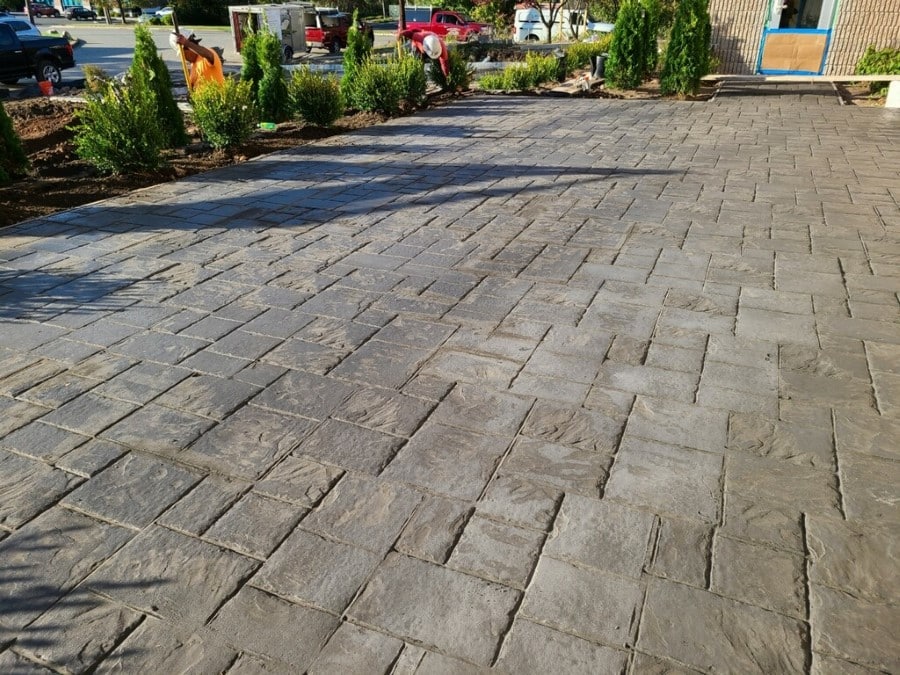
concrete resurfacing toronto building

The Financial Benefits: Why Resurfacing Saves Money

Dramatically Lower Costs Compared to Replacement

The most immediate advantage of concrete resurfacing is cost savings. Replacing concrete involves demolition, removal, disposal of old concrete, new material costs, and extended labor—all while your facility may be partially out of commission. In the GTA’s commercial market, complete concrete replacement can cost three to four times more than professional resurfacing.

Consider a typical 5,000 square foot parking lot in Toronto. Full replacement might cost $25,000-$40,000 or more, while resurfacing the same area could range from $8,000-$15,000 depending on the system used. For property owners managing tight budgets or multiple properties across the GTA, this difference is substantial.

Extended Service Life Equals Better ROI

Quality concrete resurfacing doesn’t just restore appearance—it extends the functional life of your concrete by 10-20 years or more when properly maintained. This extended service life means you’re delaying a much more expensive replacement project well into the future, improving your property’s return on investment.

Toronto’s freeze-thaw cycles accelerate concrete deterioration. Resurfacing acts as a protective barrier, preventing water infiltration that causes the most severe damage during our winter months. This preventive aspect is crucial for maximizing the lifespan of your concrete infrastructure.

Reduced Maintenance and Liability Costs

Damaged concrete surfaces require ongoing maintenance—filling cracks, addressing trip hazards, and managing drainage issues. These patchwork repairs add up over time and often fail to address the underlying problems. Resurfacing creates a uniform, intact surface that requires minimal ongoing maintenance.

From a liability perspective, damaged concrete poses serious risks. Trip-and-fall accidents on cracked or uneven surfaces can result in costly insurance claims and legal issues. For commercial properties across the GTA, resurfacing eliminates these hazards while demonstrating due diligence in property maintenance—something that insurance providers and potential tenants appreciate.

Minimal Business Disruption

Time is money in commercial operations. Complete concrete replacement can shut down parking areas, loading docks, or entire sections of your facility for weeks. Concrete resurfacing typically requires a fraction of that time—often just days rather than weeks—meaning less disruption to your business operations and reduced revenue impact.

Toronto contractors experienced in commercial work can often phase resurfacing projects to keep portions of your facility operational throughout the process, further minimizing business disruption.

Addressing Toronto’s Unique Climate Challenges

Engineered for Freeze-Thaw Resistance

Toronto’s climate is particularly hard on concrete. Winter temperatures regularly drop below -10°C, while summer heat can exceed 30°C. This temperature range, combined with moisture from rain and snow, creates punishing freeze-thaw cycles that deteriorate unprotected concrete rapidly.

Modern resurfacing systems used by commercial concrete contractors in the GTA are specifically engineered for freeze-thaw resistance. These polymer-modified materials remain flexible enough to accommodate slight thermal movement while maintaining their bond to the substrate. This flexibility is critical—rigid materials crack under Toronto’s temperature extremes, but properly formulated overlays flex and survive.

Superior Moisture Protection

Water is concrete’s greatest enemy, and Toronto receives significant precipitation year-round. When water penetrates concrete and freezes, it expands, causing internal pressure that results in scaling, spalling, and cracking. Resurfacing creates a dense, low-permeability barrier that keeps moisture out.

This is particularly important for horizontal surfaces like parking lots, walkways, and loading docks where water accumulation is common. Many resurfacing systems can also incorporate integral sealers that provide additional moisture protection, essential for extending concrete life in the GTA’s wet climate.

De-Icing Salt Resistance

Toronto’s extensive use of de-icing salts during winter months presents another challenge. These salts accelerate concrete deterioration through chemical reactions and increased freeze-thaw activity. Quality resurfacing products include chemical resistance that protects against salt damage, preserving the concrete beneath and maintaining surface integrity through countless winter cycles.

For commercial properties along major GTA thoroughfares or municipal roads where salt application is heavy, this chemical resistance is not just beneficial—it’s essential for long-term durability.

Applications Across Commercial Properties in the GTA

Parking Lots and Parking Garages

Toronto’s commercial parking areas take tremendous abuse from vehicles, de-icing chemicals, and weather exposure. Resurfacing can transform a tired, damaged parking lot into an attractive, functional surface that serves for years to come. The improved appearance enhances property value and creates a positive first impression for customers and tenants.

For multi-level parking structures common in downtown Toronto and across the GTA, resurfacing provides critical protection against water infiltration that can lead to structural corrosion of embedded reinforcement—a much more expensive problem to address.

Loading Docks and Industrial Floors

Warehouses and distribution centers throughout Mississauga, Brampton, and across the GTA rely on durable concrete surfaces to support their operations. Loading docks see constant heavy truck traffic, while interior floors must withstand forklifts and material handling equipment.

Resurfacing these high-use areas with industrial-grade overlays restores load-bearing capacity and creates a smooth, level surface that improves operational efficiency. Many resurfacing systems can be applied with enhanced abrasion resistance specifically for these demanding environments.

Walkways, Sidewalks, and Exterior Spaces

Commercial properties must maintain safe, attractive pedestrian areas. Cracked or uneven walkways create liability issues, while weathered concrete detracts from your property’s appearance. Resurfacing restores both safety and aesthetics, and decorative options can enhance curb appeal with stamped or colored finishes that complement your property’s architecture.

This is particularly valuable for retail properties in Toronto’s competitive commercial districts, where appearance directly impacts customer perception and business success.

Mechanical Rooms and Elevator Pits

Interior concrete in mechanical rooms, elevator pits, and utility areas often suffers from water exposure and chemical damage. Resurfacing with moisture-resistant and chemically resistant systems protects these critical spaces while meeting Ontario Building Code requirements for these specific applications.

Choosing the Right Concrete Contractors for Your Resurfacing Project

Technical Expertise and Product Knowledge

Successful concrete resurfacing requires more than just applying material to a surface. Toronto contractors must understand substrate preparation, proper material selection for specific applications, and the technical requirements for ensuring long-term bond and performance.

Look for concrete companies that can explain the different resurfacing systems available and why they’re recommending a particular solution for your specific situation. Contractors should consider factors like existing concrete condition, exposure conditions, expected traffic, and your budget to recommend the most appropriate system.

Comprehensive Service Capabilities

The best commercial concrete contractors in the GTA offer integrated services beyond just resurfacing. This includes concrete repair for addressing underlying structural issues, waterproofing expertise to prevent moisture problems, and foundation knowledge to ensure the base is solid before resurfacing proceeds.

This comprehensive capability is particularly valuable for Toronto’s older commercial properties, where decades of use may have created multiple issues that need addressing for a successful outcome.

Experience with Local Conditions

Working with contractors who have extensive experience in the GTA is crucial. They understand Toronto’s climate challenges, soil conditions, and building practices. They know which products perform well in our environment and which shortcuts lead to premature failure.

Ask potential contractors for local references and examples of completed projects in the GTA. Seeing their work on similar properties provides confidence in their capabilities and the results you can expect.

Proper Surface Preparation

The key to successful concrete resurfacing lies in proper surface preparation. The existing concrete must be thoroughly cleaned, properly profiled for mechanical bonding, and all defects addressed before overlay application. Contractors who rush this step or cut corners on preparation are setting the project up for failure.

Quality contractors invest in professional grinding and preparation equipment and understand that proper prep work takes time—but it’s what ensures the resurfacing system will perform as intended for years to come.

Protecting Your Investment in Toronto Commercial Real Estate

Concrete resurfacing represents one of the most cost-effective ways to extend the life of your commercial property’s concrete infrastructure. For property owners across Toronto and the GTA, it offers a proven solution that delivers the appearance and performance of new concrete at a fraction of the cost, all while minimizing business disruption and addressing the unique challenges of our demanding climate.

The key to success lies in acting before minor concrete deterioration becomes major structural failure. Regular inspections and proactive resurfacing can add decades to your concrete’s service life while maintaining your property’s value, safety, and appearance.

Ready to extend the life of your commercial concrete and save money in the process?

Nusite Group has served Toronto and the Greater Toronto Area for over 30 years, providing expert concrete resurfacing, repair, and restoration services to commercial properties across every industry. Our comprehensive expertise in foundation work, waterproofing, and concrete restoration means we can address all aspects of your concrete needs, ensuring lasting results that withstand Toronto’s demanding climate.

Contact Nusite Group for a professional assessment of your commercial property’s concrete surfaces. Our experienced team will provide honest recommendations and competitive solutions that protect your investment for years to come. When you need trusted, competent contractors who deliver results, choose the concrete company that Toronto property owners have relied on for three decades.

When it comes to commercial flooring in the Greater Toronto Area, property owners face unique challenges. From the harsh freeze-thaw cycles of Canadian winters to the constant wear from heavy foot traffic and equipment, your flooring choice can significantly impact both your operating costs and your facility’s functionality. Polished concrete has emerged as the gold standard for commercial and industrial spaces throughout Toronto, Mississauga, Brampton, and the surrounding GTA, offering a combination of durability, aesthetics, and cost-effectiveness that few other flooring options can match.

Whether you’re managing a warehouse in Vaughan, a retail space in downtown Toronto, or a manufacturing facility in Scarborough, understanding the benefits of polished concrete flooring can help you make an informed decision that serves your business for decades to come.

The Benefits of Polished Concrete for High-Traffic Areas

Unmatched Durability and Longevity

Commercial polished concrete contractors know that durability is the number one concern for property owners dealing with high-traffic environments. Unlike vinyl, tile, or epoxy coatings that can chip, peel, or wear through over time, polished concrete becomes increasingly dense and resilient through the grinding and polishing process. The mechanical densification creates a surface that can withstand heavy machinery, constant foot traffic, and the rigorous demands of commercial operations.

In the GTA’s commercial landscape, where warehouse facilities might see forklift traffic daily or retail spaces experience thousands of customers weekly, this durability translates to a floor that maintains its integrity for 20+ years with proper maintenance. The concrete is ground down to expose the aggregate, then progressively polished with finer grits, creating a surface that’s actually harder than the original concrete slab.

Cost-Effectiveness Over Time

While the initial investment in polished concrete might be higher than some alternatives, Toronto concrete companies understand that the long-term value proposition is compelling. Consider the lifecycle costs: polished concrete requires no waxing, stripping, or replacement of surface coatings. In a typical commercial setting in the GTA, you’ll eliminate the ongoing costs of floor maintenance crews applying and stripping finishes, purchasing cleaning chemicals, and conducting periodic floor replacements.

For a 10,000 square foot commercial space in Toronto, property owners can save thousands of dollars annually on maintenance costs alone. Factor in the extended lifespan—often 2-3 times longer than alternative flooring solutions—and the return on investment becomes clear.

Enhanced Safety Features

In Toronto’s commercial environments, safety is paramount, and polished concrete delivers on multiple fronts. The polishing process allows contractors to achieve the perfect balance of slip resistance and smooth surface. Unlike some coatings that become dangerously slippery when wet, properly finished polished concrete maintains traction while still being easy to clean.

Additionally, polished concrete improves lighting efficiency by reflecting overhead lights, increasing ambient light levels by up to 30%. This is particularly valuable during Toronto’s darker winter months when natural light is limited, reducing both energy costs and workplace accidents related to poor visibility.

Professional Aesthetic Appeal

Modern polished concrete offers remarkable design flexibility. Commercial property owners in the GTA can choose from various aggregate exposures, colors through integral stains, and gloss levels ranging from matte to high-sheen. This versatility means your warehouse can have an industrial-chic aesthetic, while your showroom can achieve a sophisticated, contemporary look.

The reflective properties of polished concrete also create a sense of spaciousness, making commercial interiors feel larger and more inviting—a significant advantage in Toronto’s competitive commercial real estate market.

concrete slab contractors toronto

Why Polished Concrete is Ideal for Toronto’s Climate

Withstanding Freeze-Thaw Cycles

Toronto contractors understand that our climate presents unique challenges. The GTA experiences significant temperature fluctuations, with winter temperatures regularly dropping well below freezing and summer heat pushing above 30°C. These cycles can wreak havoc on conventional flooring systems, causing expansion, contraction, and eventual failure.

Polished concrete, when properly installed with appropriate joint detailing and vapor barriers, handles these temperature swings exceptionally well. The densification process reduces the concrete’s porosity, minimizing water absorption that can lead to freeze-thaw damage. This is critical for facilities with loading docks or areas where exterior doors frequently open, exposing the floor to temperature variations.

Superior Moisture Resistance

Toronto’s humid summers and wet springs create moisture challenges for commercial properties. Conventional flooring materials can trap moisture, leading to mold growth, odors, and structural issues. Polished concrete’s dense surface resists moisture penetration while still allowing the concrete to breathe, preventing moisture-related problems.

This is particularly important for commercial spaces in older Toronto buildings where moisture management might be more challenging. The concrete’s ability to dry quickly after wet weather or cleaning operations reduces slip hazards and maintains a professional appearance year-round.

Meeting Ontario Building Code Requirements

Commercial polished concrete installations in Toronto must comply with the Ontario Building Code, which sets standards for structural integrity, slip resistance, and fire safety. Experienced concrete companies in the GTA ensure that polished concrete floors meet or exceed these requirements, providing property owners with peace of mind regarding compliance.

The non-combustible nature of polished concrete also contributes to improved fire safety ratings, which can be beneficial for insurance purposes and is particularly important in industrial and manufacturing settings throughout the GTA.

Common Commercial Applications Across the GTA

Warehouses and Distribution Centers

Toronto’s thriving logistics sector has embraced polished concrete for warehouse flooring. In areas like Brampton’s industrial parks or Mississauga’s distribution hubs, polished concrete handles the constant traffic of forklifts, pallet jacks, and heavy equipment while providing a dust-free environment that protects inventory and equipment.

The reflective surface improves visibility for operators, enhancing safety in fast-paced warehouse environments. The absence of joints or seams in large polished concrete installations also means smoother operations and less wear on material handling equipment.

Retail Spaces and Showrooms

From boutique shops in Toronto’s Distillery District to big-box retailers in Vaughan Mills, polished concrete creates an attractive, low-maintenance flooring solution. The modern aesthetic appeals to contemporary consumers while the durability handles heavy foot traffic during busy shopping seasons.

Retailers appreciate that polished concrete doesn’t show wear patterns in high-traffic areas the way carpet or vinyl flooring does, maintaining a fresh appearance throughout the year without costly refreshing or replacement.

Manufacturing Facilities

Toronto’s manufacturing sector requires flooring that can withstand chemical exposure, heavy machinery, and demanding production schedules. Polished concrete resists most industrial chemicals, and its hard surface prevents indentations from heavy equipment.

The ease of cleaning is particularly valuable in manufacturing environments where cleanliness standards are strict. The smooth surface prevents dirt and contaminants from embedding in the floor, supporting quality control efforts.

Automotive Facilities and Showrooms

Auto dealerships across the GTA have discovered that polished concrete provides the perfect backdrop for vehicle displays. The reflective surface enhances the appearance of vehicles while being resistant to oil, hydraulic fluids, and other automotive chemicals.

In service bays and workshops, polished concrete’s durability and chemical resistance make it the logical choice for facilities that see daily exposure to automotive fluids and heavy equipment.

Choosing the Right Commercial Polished Concrete Contractors in Toronto

Experience with Local Conditions

Working with contractors who understand Toronto’s unique environmental challenges is crucial. The GTA’s climate, soil conditions, and building practices require specific expertise. Experienced Toronto concrete companies know how to properly prepare substrates, manage moisture barriers, and ensure proper curing—especially important given our temperature variations.

Look for contractors with a proven track record in the GTA who can provide local references and demonstrate their understanding of Ontario Building Code requirements.

Comprehensive Service Offerings

The best concrete companies in Toronto offer more than just polishing services. Look for contractors who provide foundation work, concrete repair, moisture mitigation, and restoration services. This comprehensive approach means they can address underlying issues before polishing, ensuring a long-lasting result.

For commercial properties in Toronto’s older industrial areas, you may need concrete repair or foundation work before polishing can proceed. A contractor who can handle these prerequisites provides a seamless, efficient project timeline.

Quality Equipment and Techniques

Commercial polished concrete requires professional-grade equipment and skilled technicians. Reputable contractors invest in advanced grinding and polishing machinery, dust containment systems, and the latest densifiers and sealers. The difference between a mediocre polished concrete floor and an exceptional one often comes down to equipment quality and operator expertise.

Project Management and Minimal Disruption

For operating businesses, minimizing downtime is critical. Experienced GTA contractors can often work in phases, allowing portions of your facility to remain operational during the installation process. They should provide clear timelines, coordinate with your operations team, and have contingency plans for Toronto’s unpredictable weather when working on projects with outdoor access points.

Maintenance and Long-Term Performance

One of polished concrete’s greatest advantages is its minimal maintenance requirements. Daily dust mopping and occasional damp mopping with a pH-neutral cleaner are typically sufficient to keep the floor looking pristine. Unlike conventional flooring that requires stripping and refinishing, polished concrete maintains its appearance with routine cleaning.

However, even the most durable floors benefit from periodic maintenance. Every few years, a simple repolishing with fine-grit diamonds can restore the surface to like-new condition, a process that’s far less expensive and disruptive than replacing conventional flooring.

Toronto property owners should also consider periodic densifier applications, particularly in high-traffic areas. This preventive maintenance extends the floor’s lifespan and ensures continued resistance to wear and tear.

Investing in Quality for Your Toronto Commercial Property

Polished concrete flooring represents a smart, long-term investment for commercial properties throughout the Greater Toronto Area. Its combination of durability, low maintenance, cost-effectiveness, and aesthetic appeal makes it the ideal choice for high-traffic commercial and industrial environments facing Toronto’s demanding climate conditions.

Whether you’re renovating an existing facility or planning new construction, polished concrete delivers performance that lasts decades, not just years. The key to success lies in partnering with experienced commercial polished concrete contractors who understand the unique demands of Toronto’s commercial landscape.

Ready to transform your commercial space with polished concrete flooring?

Nusite Group brings over 30 years of expertise in concrete, waterproofing, and commercial restoration to commercial properties throughout Toronto and the GTA. Our comprehensive approach means we can handle everything from foundation repairs and moisture mitigation to professional concrete polishing, ensuring your floor is built on a solid foundation and finished to the highest standards.

Contact Nusite Group today to schedule a consultation and discover how polished concrete can enhance your commercial property’s performance, appearance, and value for decades to come. Our team of experienced professionals is ready to provide the trusted, competent service that Toronto property owners depend on.

Industrial facilities throughout the Greater Toronto Area face a common challenge that often goes unnoticed until it becomes critical: aging concrete floor slabs that no longer meet operational demands. Whether your facility was built during Toronto’s industrial boom decades ago or you’ve simply increased operational loads over time, weakened floor slabs pose serious risks to productivity, safety, and your bottom line.

The industrial landscape across the GTA—from manufacturing plants in Mississauga to warehouses in Vaughan and distribution centers in Brampton—relies on robust concrete flooring to support heavy equipment, constant forklift traffic, and increasingly demanding operational requirements. When these floors begin showing signs of distress, property owners face a crucial decision: invest in slab strengthening or risk costly failures, operational disruptions, and potential safety incidents.

Understanding when and how to reinforce industrial concrete slabs isn’t just about preventing catastrophic failure—it’s about optimizing your facility’s performance, extending its service life, and protecting your substantial investment in property and equipment.

Why Industrial Slabs Fail: Understanding the Problem

Industrial concrete slabs face relentless stress from multiple sources, and Toronto’s climate compounds these challenges in ways that accelerate deterioration.

Age and Design Limitations

Many industrial facilities in the GTA were constructed between the 1960s and 1990s, when building codes and industry practices differed significantly from today’s standards. Original designs may have been adequate for intended uses but often fall short when facilities undergo modernization or operational changes. A warehouse originally designed for hand-stacking operations, for example, may now accommodate automated racking systems and heavy material handling equipment that exceed original load specifications.

The concrete itself also ages. Over decades, concrete undergoes carbonation—a chemical process where atmospheric carbon dioxide reacts with calcium hydroxide in the concrete. This gradually reduces the protective alkalinity around reinforcing steel, making it vulnerable to corrosion. In Toronto’s industrial areas, this process accelerates due to exposure to various airborne contaminants and temperature fluctuations.

Increased Operational Demands

Modern industrial operations place unprecedented demands on floor slabs. Heavier forklifts, automated guided vehicles (AGVs), increased storage density, and concentrated point loads from racking systems all stress floors beyond original design parameters. For facilities that have evolved without corresponding structural upgrades, these increased demands progressively compromise slab integrity.

Toronto Climate Factors

The GTA’s freeze-thaw cycles create unique challenges for industrial floors, particularly in areas where moisture can infiltrate joints, cracks, or improperly sealed surfaces. Industrial facilities often experience thermal cycling from heating systems, loading dock exposure, and uninsulated areas—all contributing to concrete stress and deterioration.

Additionally, de-icing salts tracked into facilities during winter months introduce chlorides that accelerate reinforcing steel corrosion. For industrial properties with loading docks or drive-through access, this seasonal exposure accumulates year after year, gradually undermining structural integrity.

Subgrade Settlement and Movement

Ontario’s varied soil conditions—from the clay soils common in Toronto and Mississauga to the sandy conditions in other GTA areas—can cause differential settlement over time. This settlement creates uneven support for concrete slabs, leading to cracking, joint deterioration, and structural stress. When combined with ground water fluctuations and seasonal frost penetration in perimeter areas, these soil movements progressively damage industrial floors.

concrete slab repair toronto

Recognizing Warning Signs: When Strengthening Becomes Necessary

Property owners should remain vigilant for indicators that slab strengthening is needed. Early intervention typically offers more cost-effective solutions than emergency repairs after significant failure.

Structural Indicators

Cracking Patterns: While minor hairline cracks are common, certain crack patterns signal serious concerns. Map cracking indicates subsurface issues, while parallel cracks along reinforcement lines suggest steel corrosion and concrete delamination. Full-depth structural cracks that extend through the slab thickness require immediate attention.

Spalling and Delamination: Areas where concrete surface layers have separated or broken away indicate advanced deterioration. Delamination—where internal concrete layers separate—often produces a hollow sound when tapped and suggests that the problem extends well beyond visible surface damage.

Joint Deterioration: Expansion joints, control joints, and construction joints experience heavy stress in industrial environments. Deteriorating joints allow moisture infiltration, facilitate spalling at edges, and create uneven transitions that damage material handling equipment.

Performance Issues

Surface Deficiencies: Dusting, where concrete surfaces produce fine powder under traffic, indicates weak concrete or surface carbonation. Scaling and surface deterioration not only create housekeeping challenges but also signal progressive concrete breakdown.

Flatness Problems: Industrial floors must meet specific flatness tolerances for proper equipment operation. Settlement, curling, or deflection that creates uneven surfaces interferes with material handling equipment, damages inventory, and reduces operational efficiency.

Load-Bearing Concerns: Visible deflection under loads, new crack development under heavy equipment, or documented load capacity insufficiency all indicate that existing slabs can no longer safely support operational demands.

Safety and Compliance Factors

Beyond structural concerns, deteriorating floors create safety hazards and compliance issues. Uneven surfaces increase trip hazards, crumbling concrete generates dust and debris, and compromised load capacity potentially violates occupational health and safety requirements. For facilities subject to food safety, pharmaceutical, or other regulatory standards, floor condition directly impacts compliance status.

Slab Strengthening Methods: Proven Solutions for Industrial Floors

Commercial concrete slab contractors employ various strengthening techniques, selecting methods based on specific conditions, performance requirements, and operational constraints.

Structural Overlay Systems

Bonded Overlays: These overlays involve placing a new concrete layer directly bonded to the existing slab, effectively increasing thickness and load capacity. Modern polymer-modified concrete overlays offer rapid strength gain—critical for minimizing downtime in active industrial facilities. Bonded overlays work best when the existing slab remains structurally sound but lacks adequate thickness or surface durability.

Unbonded Overlays: In situations where the existing slab has deteriorated significantly but provides adequate subgrade support, unbonded overlays separate new concrete from old using a bond-breaker layer. This approach essentially creates a new slab while leaving the old slab in place as a stable base.

Fiber Reinforcement Technologies

Carbon Fiber Reinforcement: Carbon fiber systems provide exceptional strength-to-weight ratios, making them ideal for situations where adding significant mass is problematic. Applied as fabric sheets or grid systems bonded to slab surfaces, carbon fiber reinforcement increases flexural strength and controls crack propagation without substantially increasing floor elevation.

Fiberglass Systems: Similar to carbon fiber but typically more cost-effective, fiberglass reinforcement systems offer excellent corrosion resistance and can be particularly effective for controlling temperature-induced movement and preventing crack widening.

Post-Tensioning and Steel Reinforcement

Post-Tensioning Systems: For severely compromised slabs or situations requiring significant load capacity increases, post-tensioning introduces compressive forces that counteract tensile stresses causing cracking. This technique involves installing tensioned steel cables or tendons through or beneath the slab, then anchoring them to create beneficial compressive stress.

Conventional Steel Reinforcement: Adding traditional rebar reinforcement through saw-cutting and epoxy placement provides additional tensile strength where needed. This method works particularly well for localized strengthening around specific load points or deteriorated areas.

Subgrade Stabilization and Void Filling

Sometimes slab problems stem more from inadequate support than concrete deficiencies. Polyurethane injection or similar void-filling techniques stabilize subgrades, fill voids beneath slabs, and provide uniform support. These methods are particularly relevant in the GTA, where soil conditions and ground water variations contribute to settlement issues.

Surface Hardening and Protection

Densifiers and Hardeners: Chemical densifiers penetrate concrete surfaces, reacting with calcium compounds to create harder, denser surface layers. These treatments reduce dusting, improve wear resistance, and protect against moisture and chemical intrusion.

High-Performance Coatings: Specialized epoxy, polyurethane, or polyaspartic coatings provide protective layers that shield concrete from chemical exposure, abrasion, and moisture while improving cleanability and appearance. For industrial facilities handling corrosive materials or requiring stringent cleanliness standards, protective coatings are often essential components of comprehensive floor restoration.

The Strengthening Process: What to Expect

Understanding the slab strengthening process helps property owners plan effectively and minimize operational disruption.

Assessment and Engineering

Professional concrete companies begin with thorough investigation to determine existing conditions and appropriate strengthening approaches. This assessment typically includes:

Structural Evaluation: Engineers examine visible conditions, review original construction documents when available, and perform testing such as core sampling, ground-penetrating radar, or concrete strength testing. This investigation establishes current slab thickness, reinforcement placement, concrete quality, and extent of deterioration.

Load Analysis: Evaluating current and anticipated future loads determines required strengthening levels. This analysis considers equipment weights, point loads from racking or machinery, traffic patterns, and any planned operational changes.

Subgrade Investigation: Since floor performance depends on adequate support, investigation often includes evaluating subgrade conditions through probing, soil testing, or non-destructive methods that identify voids or areas of inadequate support.

Design and Engineering Specifications

Based on assessment findings, engineers develop detailed strengthening specifications. For significant projects, these specifications must comply with Ontario Building Code requirements and may require review by local building officials. Working with experienced commercial concrete slab contractors ensures designs meet all regulatory requirements while addressing specific operational needs.

Execution Planning

Industrial facilities rarely afford extended shutdowns for floor work. Contractors experienced in industrial environments develop phased approaches that allow continued operations in unaffected areas. This planning considers material curing times, equipment access requirements, and operational scheduling to minimize disruption.

Installation and Quality Control

Proper execution determines long-term success. This phase involves surface preparation, material placement, reinforcement installation, and application of protective systems according to engineering specifications. Throughout installation, quality control measures—including material testing, placement verification, and curing protocols—ensure work meets design requirements.

For projects in Toronto’s variable climate, contractors must account for temperature and humidity conditions, particularly when using materials with specific environmental requirements or when working during shoulder seasons.

Post-Installation Considerations

After strengthening work completes, floors typically require specific curing times before resuming full operational loads. Contractors provide detailed guidance on appropriate return-to-service timelines, ensuring strengthening systems achieve required strength before experiencing operational stresses.

Regulatory Compliance and Industry Standards

Industrial slab strengthening in the GTA must comply with relevant codes and standards. The Ontario Building Code governs structural concrete work, establishing minimum requirements for materials, design, and construction. For facilities in specific industries—food processing, pharmaceuticals, or hazardous materials handling—additional regulatory requirements may affect floor specifications.

The American Concrete Institute (ACI) publishes industry standards that guide best practices for concrete repair and strengthening. Reputable concrete companies follow these standards, ensuring work meets recognized quality benchmarks regardless of minimum code requirements.

Additionally, occupational health and safety regulations affect how industrial floor work is performed, particularly regarding dust control, chemical exposure, and fall protection. Contractors must demonstrate proper safety protocols and WSIB compliance.

Long-Term Performance and Maintenance

Properly strengthened industrial slabs should provide decades of reliable service, but ongoing maintenance optimizes performance and protects your investment.

Regular Inspections

Implement scheduled inspection programs that identify emerging issues before they become serious. These inspections should focus on joint conditions, crack development, surface wear patterns, and any settlement or deflection indicators.

Preventive Maintenance

Maintaining proper joint sealants, promptly addressing minor cracks, and keeping floors clean from chemical spills all extend slab service life. For facilities with protective coatings, following manufacturer-recommended maintenance schedules preserves coating effectiveness.

Documentation

Maintaining detailed records of strengthening work, materials used, and subsequent maintenance helps with future planning and provides valuable information if additional work becomes necessary. This documentation also supports property valuations and due diligence for potential buyers.

Concrete Slab Strengthening in Toronto

Industrial floor slab strengthening represents a strategic investment in your facility’s operational capabilities, safety, and long-term viability. Throughout the Greater Toronto Area, aging industrial buildings benefit from modern strengthening technologies that extend service life, accommodate evolving operational demands, and prevent costly failures.

Whether you’re addressing visible deterioration, planning for increased capacity, or implementing preventive measures to protect valuable infrastructure, partnering with an experienced commercial concrete slab contractor ensures optimal solutions tailored to your specific needs.

Our integrated expertise—spanning structural concrete work, foundation repair, waterproofing applications, and protective coatings—allows us to address complex floor challenges with coordinated, cost-effective approaches. We understand the operational realities of industrial environments and work proactively to minimize disruption while delivering lasting results.

Don’t wait for minor floor issues to escalate into major problems that threaten operations and safety. Contact Nusite Group for a professional assessment of your industrial floor conditions. Our experienced team will evaluate your facility’s specific requirements, provide honest recommendations, and develop strengthening solutions that protect your investment and support your business objectives for years to come.

For property owners across the Greater Toronto Area, maintaining commercial concrete surfaces represents one of the most critical—and often overlooked—aspects of facility management. From parking lots bearing the weight of constant traffic to loading docks exposed to Toronto’s harsh freeze-thaw cycles, commercial concrete surfaces face relentless challenges that gradually compromise their structural integrity and appearance.

The reality is that concrete deterioration doesn’t happen overnight. What begins as minor surface cracks or slight discoloration can quickly escalate into significant structural issues, potentially leading to costly emergency repairs, liability concerns, and disrupted business operations. For businesses throughout the GTA—from Mississauga to Markham, and everywhere in between—understanding when and how to address concrete restoration is essential for protecting your investment and ensuring the safety of employees and customers alike.

Understanding Commercial Concrete Deterioration in the GTA

Toronto’s unique climate presents exceptional challenges for commercial concrete surfaces. The region experiences dramatic temperature swings, with summer highs reaching above 30°C and winter lows plummeting well below -15°C. This constant expansion and contraction creates what professionals call the freeze-thaw cycle—one of concrete’s most formidable enemies.

Common Signs of Concrete Damage

Property owners should watch for several telltale indicators that restoration work is needed:

Surface-Level Issues: Scaling, spalling, and surface cracking often appear first. Scaling presents as flaking or peeling of the top layer, typically caused by de-icing salt exposure combined with moisture infiltration. Spalling involves larger chunks of concrete breaking away, creating both safety hazards and accelerating further deterioration.

Structural Concerns: More serious problems include settlement cracks, which indicate movement in the underlying substrate, and extensive cracking patterns that compromise the concrete’s load-bearing capacity. For commercial properties, these issues can affect everything from parking lots and walkways to loading docks and foundation walls.

Water-Related Damage: Standing water, drainage issues, and visible efflorescence (white, chalky deposits on the surface) signal moisture problems that will worsen if left unaddressed. In Toronto’s climate, water infiltration during fall and winter is particularly problematic, as trapped moisture freezes and expands, causing progressive damage throughout the cold months.

The Cost of Delayed Action

Postponing concrete repairs typically increases costs exponentially. A minor crack requiring simple sealing today may evolve into a full-depth repair requiring excavation and replacement within a single winter season. For commercial property owners, this progression doesn’t just mean higher repair costs—it also means potential liability issues, compromised accessibility compliance, and negative impacts on property value and curb appeal.

Comprehensive Concrete Restoration Solutions

Modern commercial concrete contractors offer a range of restoration techniques tailored to specific damage types and severity levels. Understanding these options helps property owners make informed decisions about their concrete surfaces.

Surface Restoration and Repair

For concrete showing early to moderate deterioration, surface-level restoration can effectively extend service life while improving appearance and functionality.

Concrete Resurfacing: This process involves applying a new layer of specialized concrete or polymer-modified overlay to existing surfaces. Resurfacing addresses surface damage, improves skid resistance, and provides a fresh, uniform appearance. For commercial properties throughout the GTA, resurfacing offers a cost-effective alternative to complete replacement for surfaces with sound underlying structure.

Crack Repair and Sealing: Different crack types require different repair approaches. Dormant cracks can be cleaned and filled with flexible sealants, while active cracks—those showing ongoing movement—require routing and filling with materials that accommodate continued expansion and contraction. Professional concrete repair companies assess crack patterns to determine the appropriate treatment method.

Top Coating Applications: Protective top coatings provide an additional barrier against moisture, chemical exposure, and wear. These coatings are particularly valuable for high-traffic commercial areas, offering enhanced durability while improving the visual appeal of concrete surfaces.

Structural Concrete Restoration

When concrete deterioration extends beyond surface level, more comprehensive structural restoration becomes necessary.

Full-Depth Repairs: These repairs involve removing damaged concrete to sound material and replacing it with new concrete or specialized repair mortars. Full-depth repairs are essential when concrete has lost structural integrity due to corrosion of reinforcing steel, extensive freeze-thaw damage, or other deep-seated problems.

Foundation Restoration: For commercial buildings experiencing foundation issues, specialized repair techniques address everything from settling and cracking to water infiltration problems. Foundation restoration may include underpinning, crack injection, and waterproofing applications—all critical for maintaining building stability and preventing interior water damage.

Concrete Reinforcement: In situations where existing concrete requires additional strength, contractors can install carbon fiber reinforcement, steel reinforcement, or other strengthening systems. These solutions are particularly relevant for older commercial properties where current loads exceed original design specifications.

Specialized Commercial Applications

Parking Lot and Paving Restoration: Commercial parking lots endure constant vehicle traffic, exposure to chemicals from automotive fluids, and the corrosive effects of road salt. Comprehensive restoration addresses concrete deterioration, improves drainage, updates line marking, and ensures ADA compliance.

Loading Dock Repair: Loading docks face unique stresses from heavy equipment and repeated impacts. Restoration work for these areas focuses on structural integrity, proper drainage, and creating durable surfaces that withstand constant use.

Elevator Pit Waterproofing: Basement elevator pits are particularly vulnerable to water infiltration. Professional waterproofing applications protect these critical areas from moisture damage that could compromise equipment and create costly maintenance issues.

concrete column strengthening toronto

The Restoration Process: What Property Owners Should Expect

Understanding the restoration process helps property owners plan effectively and sets realistic expectations for timelines and disruption.

Initial Assessment and Planning

Professional commercial concrete contractors begin with a thorough site assessment. This evaluation examines the extent of damage, identifies underlying causes, and determines the most appropriate repair methods. For properties in Toronto and the surrounding GTA, contractors also consider timing—scheduling major concrete work during favorable weather conditions optimizes results and minimizes cure time concerns.

The assessment should include core sampling for significant projects, which provides detailed information about concrete depth, reinforcement placement, and subsurface conditions. This data informs repair specifications and helps avoid unexpected complications during execution.

Surface Preparation

Proper preparation determines restoration success. Contractors remove damaged concrete, clean surfaces thoroughly, and prepare substrates to receive repair materials. This phase may involve pressure washing, scarification, grinding, or other mechanical preparation methods. For areas requiring waterproofing applications, surface preparation is especially critical—inadequate preparation compromises waterproofing membrane adhesion and long-term performance.

Material Selection and Application

Professional contractors select repair materials based on project-specific requirements, considering factors like climate exposure, anticipated loads, cure time requirements, and compatibility with existing concrete. The GTA’s climate demands materials specifically formulated for freeze-thaw resistance and rapid-strength development when projects occur during shoulder seasons.

Application techniques vary by repair type but always follow manufacturer specifications and industry best practices. Whether applying overlays, placing structural concrete, or installing waterproofing membranes, experienced contractors ensure proper material placement, consolidation, and finishing.

Curing and Protection

Adequate curing is crucial for developing concrete strength and durability. Contractors implement appropriate curing methods—water curing, membrane-forming curing compounds, or insulated blankets for cold-weather projects—to protect fresh concrete during critical early strength development. For commercial properties, contractors also coordinate protection measures to safely accommodate business operations during the curing period.

Toronto’s Climate Challenges and Concrete Maintenance

The Greater Toronto Area’s climate creates specific challenges that property owners must address through both responsive repairs and proactive maintenance.

Freeze-Thaw Cycle Management

Toronto typically experiences 60-80 freeze-thaw cycles annually—each cycle creating stress in concrete containing moisture. Property owners can minimize freeze-thaw damage through several strategies:

Proper Drainage: Ensuring water drains away from concrete surfaces reduces moisture available for freeze-thaw damage. This includes maintaining functional drainage systems, addressing low spots where water accumulates, and ensuring proper grading around structures.

Sealing and Protection: Regular application of penetrating sealers reduces moisture absorption. For commercial applications, these sealers should be reapplied every 2-3 years or as recommended by manufacturers.

Winter Maintenance Practices: While de-icing salts are necessary for safety, minimizing salt use and promptly removing snow and ice reduces concrete exposure to aggressive chemicals.

Regulatory Considerations

Commercial concrete work in Toronto must comply with relevant building codes and municipal regulations. The Ontario Building Code establishes minimum standards for concrete work, including specifications for concrete strength, reinforcement, and construction practices. Additionally, properties must maintain accessibility standards under the Accessibility for Ontarians with Disabilities Act (AODA), which includes requirements for walkways, parking areas, and building entrances.

For projects requiring building permits—which typically include foundation work and certain types of structural repairs—working with experienced contractors ensures compliance with all regulatory requirements and proper permit acquisition.

Preventive Maintenance Programs

Forward-thinking property owners implement preventive maintenance programs that extend concrete service life and reduce long-term costs. These programs include regular inspections, prompt minor repairs, scheduled sealing, and professional cleaning. For multi-property portfolios throughout the GTA, systematic maintenance approaches provide consistency and cost predictability.

Choosing the Right Commercial Concrete Contractor

Selecting a qualified concrete repair company significantly impacts project outcomes, costs, and long-term satisfaction.

Experience and Expertise

Look for contractors with substantial experience in commercial concrete restoration. Companies operating for 30 years or more have weathered various economic conditions, evolved with industry advances, and developed refined systems for handling complex projects. This experience proves particularly valuable when addressing unusual conditions or solving recurring problems.

Comprehensive service capabilities also matter. Contractors offering integrated services—concrete repair, waterproofing applications, foundation work, and commercial roofing—provide coordinated solutions addressing multiple building envelope concerns.

Quality and Reliability Indicators

Proper Insurance and Bonding: Verify that contractors carry adequate liability insurance and WSIB coverage. For larger projects, performance bonds protect property owners against contractor default.

References and Portfolio: Request references from similar commercial projects and review completed work examples. Speaking with past clients provides insights into reliability, communication, quality, and problem-solving abilities.

Transparent Communication: Quality contractors provide detailed written proposals, explain repair recommendations clearly, and maintain open communication throughout projects. They should willingly answer questions and address concerns.

Value Beyond Price

While cost considerations are important, the lowest bid rarely represents the best value. Experienced contractors using quality materials and proven techniques typically charge fair prices reflecting their expertise and the true scope of work required. Suspiciously low bids may indicate corners that will be cut, inferior materials, or misunderstanding of project requirements.

Commercial Concrete Solutions in Toronto

Commercial concrete and paving restoration represents a significant investment in your property’s longevity, safety, and appearance. Throughout the Greater Toronto Area, businesses face unique challenges from our demanding climate, requiring knowledgeable contractors who understand both the technical aspects of concrete repair and the specific conditions affecting our region.

Whether you’re managing a deteriorating parking lot, addressing foundation concerns, or planning comprehensive facility updates, partnering with an experienced commercial concrete contractor ensures work is completed correctly, efficiently, and with lasting results.

Nusite Group brings over 30 years of specialized experience to commercial concrete restoration projects throughout Toronto and the GTA. Our comprehensive capabilities—spanning waterproofing applications, foundation repair, commercial restoration, and protective coatings—allow us to address all aspects of your concrete needs with integrated, cost-effective solutions. We understand the urgency of keeping your business operational while completing necessary repairs, and our proven track record demonstrates our commitment to quality workmanship and client satisfaction.

Don’t wait for minor concrete issues to escalate into major problems. Contact Nusite Group today for a professional assessment of your commercial concrete surfaces. Our team will evaluate your property’s specific needs, provide honest recommendations, and deliver restoration solutions that protect your investment for years to come.

Foundation cracks are among the most concerning issues property owners across the Greater Toronto Area face. That thin vertical line in your basement wall or the hairline fracture near your home’s corner might seem insignificant today, but foundation damage rarely stays minor for long. In Toronto’s challenging climate—with its freeze-thaw cycles, clay-heavy soils, and dramatic seasonal moisture fluctuations—small cracks can quickly evolve into serious structural problems that threaten your property’s integrity and value.

The good news is that early intervention makes all the difference. Addressing foundation cracks promptly can prevent water infiltration, halt progressive structural damage, and avoid the costly major repairs that result from neglect. Whether you own a century home in the Annex, manage commercial properties in Mississauga, or oversee industrial facilities in Vaughan, understanding what causes foundation cracks and how to fix them properly protects your investment and provides peace of mind.

This comprehensive guide explores the most common causes of foundation cracks specific to GTA properties, how to identify serious versus cosmetic issues, and the proven repair methods that restore structural integrity and prevent future damage.

Understanding Foundation Crack Types and Severity

Not all foundation cracks pose equal risk. Distinguishing between minor cosmetic issues and serious structural concerns helps property owners respond appropriately and avoid unnecessary panic or dangerous delays.

Hairline Cracks

Hairline cracks—typically less than 1/16 inch wide—often result from concrete curing and minor settling. These superficial cracks rarely threaten structural integrity but can allow minor moisture penetration. In Toronto’s climate, even small cracks can expand during freeze-thaw cycles, making early monitoring and sealing advisable.

Vertical Cracks

Vertical cracks running straight up and down foundation walls commonly occur as homes settle. When narrow (less than 1/8 inch) and stable, these cracks usually don’t indicate serious structural problems. However, vertical cracks can provide pathways for water infiltration, particularly during spring snowmelt and heavy rainfall common throughout the GTA. A qualified concrete repair company should assess any vertical crack wider than 1/4 inch or showing signs of movement.

Horizontal Cracks

Horizontal cracks represent a more serious concern. These cracks typically indicate significant external pressure against foundation walls—from expansive soils, hydrostatic pressure, or frost heaving. Toronto’s clay-rich soils are particularly prone to expansion when wet, creating tremendous lateral pressure on foundation walls. Horizontal cracks require immediate professional evaluation as they can signal imminent foundation failure.

Stair-Step Cracks

Stair-step cracks following mortar joints in block or brick foundations indicate differential settlement—when one part of the foundation settles more than another. This pattern suggests underlying soil problems or inadequate foundation support. Properties throughout North York, Scarborough, and other areas with variable soil conditions are particularly susceptible to this type of cracking.

Diagonal Cracks

Diagonal cracks running at 30-75 degree angles often indicate differential settlement or excessive soil pressure at specific points. These cracks warrant professional inspection, especially when wider than 1/4 inch or accompanied by doors and windows that stick or floors that slope.

Common Causes of Foundation Cracks in the GTA

Toronto’s unique combination of climate conditions, soil composition, and construction practices creates specific challenges for foundation integrity. Understanding these factors helps property owners recognize risks and take preventative action.

Freeze-Thaw Cycles and Frost Heaving

The GTA experiences between 40 and 50 freeze-thaw cycles annually—among the highest in Canada. When moisture in soil freezes, it expands with tremendous force. This expansion, called frost heaving, can lift foundations, creating cracks and structural displacement. The cycle repeats as temperatures rise and fall throughout winter and early spring, progressively worsening the damage.

Frost heaving affects footings below the frost line—which in Toronto is approximately 4 feet deep according to Ontario Building Code requirements. Older structures with shallow foundations or inadequate drainage face particular vulnerability. Properties in areas like Etobicoke, where water table levels can be high, experience amplified frost heaving effects.

Clay Soil Expansion and Contraction

Much of the Greater Toronto Area sits on clay-heavy soils that undergo dramatic volume changes with moisture content variations. During wet periods—spring snowmelt and summer rainfall—clay soils absorb water and expand, pushing against foundation walls with significant lateral pressure. During dry periods, these same soils contract, removing support and allowing foundations to settle unevenly.

This expansion-contraction cycle creates progressive stress on foundations. Properties in Brampton, Markham, and Richmond Hill, where clay content is particularly high, commonly experience foundation movement from soil volume changes. The cycle becomes especially problematic when combined with poor drainage or nearby trees that draw moisture from soil adjacent to foundations.

Hydrostatic Pressure and Poor Drainage

When water accumulates around foundations, it creates hydrostatic pressure—the force of water pushing against basement walls. Toronto’s average annual precipitation of approximately 830mm, combined with spring snowmelt, generates substantial water movement through soil. Without proper drainage systems, this moisture accumulates around foundations, creating persistent pressure that can crack walls and force water through even minor openings.

Inadequate gutter systems, improper grading, broken downspouts, and clogged drainage tiles all contribute to water accumulation. In established Toronto neighborhoods with mature trees and aging infrastructure, root intrusion can damage drainage systems, compounding water management problems.

Structural Overloading and Settlement

Foundations support tremendous weight from the building structure above. When loads exceed foundation capacity—from additions, heavy equipment, or design flaws—excessive settlement can occur, causing cracks. Differential settlement, where one area settles more than another, creates particularly damaging stress patterns.

Settlement happens naturally as soil compacts under foundation weight, but becomes problematic when excessive or uneven. Properties built on fill, near ravines, or on variable soil types throughout the Toronto area face elevated settlement risks. Commercial and industrial properties adding heavy machinery or storage systems may inadvertently overload foundation capacity designed for lighter use.

Tree Roots and Vegetation

Large trees growing close to foundations create multiple problems. Roots can physically damage foundation walls and drainage systems through direct pressure and growth. More commonly, trees draw enormous amounts of moisture from surrounding soil, causing the volume changes that lead to settlement and cracking.

Toronto’s urban forest, while beautiful and valuable, requires careful management near structures. Mature maples, oaks, and willows—common throughout GTA neighborhoods—have extensive root systems that can affect foundations 20-30 feet away. The combination of root moisture extraction during summer and soil rehydration during spring creates seasonal foundation movement that accumulates into permanent damage over time.

Poor Initial Construction Practices

Construction quality issues can manifest as foundation cracks years or decades later. Problems include inadequate reinforcement, improper concrete mix design, insufficient curing time, poorly compacted backfill, and missing or damaged drainage systems.

Toronto’s building boom over recent decades has produced variable construction quality. Older homes may not meet current Ontario Building Code standards, while even newer properties can suffer from rushed construction or cost-cutting measures. When evaluating foundation cracks, experienced concrete contractors consider the structure’s age and original construction quality as important diagnostic factors.

vertical-crack-foundation

Warning Signs That Require Immediate Attention

While some foundation cracks develop slowly and remain stable, certain warning signs indicate urgent problems requiring immediate professional assessment. Recognizing these red flags helps property owners throughout the GTA protect their investments.

Progressive Crack Growth

Cracks that widen or lengthen over time indicate active foundation movement. Monitor suspicious cracks by marking their ends and edges with dated pencil marks or installing crack monitors. Any crack showing measurable growth over weeks or months requires evaluation by a qualified concrete repair company, as progressive movement suggests ongoing structural stress that will continue without intervention.

Water Infiltration

Water seeping through foundation cracks signals both immediate moisture problems and crack severity sufficient to breach the wall. In Toronto’s climate, water infiltration brings multiple risks including basement flooding, mold growth, structural deterioration from freeze-thaw damage, and compromised building envelope performance.

Water stains, efflorescence (white mineral deposits), rust on metal fixtures, and musty odors all indicate moisture intrusion that requires investigation. Spring is particularly revealing as snowmelt and rain expose foundation vulnerabilities that remain hidden during drier periods.

Interior Symptoms

Foundation problems often manifest inside buildings through secondary symptoms including doors and windows that stick or won’t close properly, cracks in interior walls especially near corners, sloping or uneven floors, gaps between walls and floors or ceilings, and cracked tile or masonry.

These interior warning signs suggest foundation movement significant enough to affect the entire structure. Property owners noticing multiple symptoms should seek professional evaluation promptly, as damage may be more extensive than visible cracks suggest.

Exterior Evidence

Outside indicators include foundation walls bowing or leaning, separation between foundation and walls, cracked or crumbling mortar, gaps around windows or doors, and tilting chimneys.

Walk around your property regularly, especially after seasonal changes. Toronto’s dramatic transitions between frozen winters and wet springs often trigger foundation movement that becomes apparent during these periods.

Professional Repair Methods and Solutions

Effective foundation crack repair depends on accurate diagnosis and applying appropriate techniques for the specific crack type, cause, and severity. Experienced concrete contractors evaluate each situation individually to recommend solutions that address both the visible damage and underlying causes.

Epoxy and Polyurethane Injection

For non-structural cracks in poured concrete foundations, injection repair provides effective sealing. This technique involves injecting specialized epoxy or polyurethane materials into cracks under pressure, filling the entire crack depth and creating a permanent water-resistant seal.

Epoxy injection creates a bond stronger than the surrounding concrete, essentially welding the crack closed. This method works well for stable vertical and diagonal cracks not experiencing active movement. Polyurethane injection expands as it cures, making it particularly effective for active leaks and cracks with varying widths. The flexible nature of cured polyurethane accommodates minor movement while maintaining the seal.

Both materials resist Toronto’s freeze-thaw cycles and remain effective for decades when properly installed. The technique requires specialized equipment and training, making professional application essential for reliable results.

Carbon Fiber Reinforcement

For foundation walls showing bowing or horizontal cracking but not yet failed, carbon fiber reinforcement provides structural strengthening without excavation. Contractors bond carbon fiber straps vertically to walls using high-strength epoxies, creating a reinforcement system that prevents further movement while being virtually invisible once finished.

This technique has gained popularity throughout the GTA as a cost-effective alternative to wall replacement for moderately damaged foundations. Carbon fiber systems work best when installed before extensive displacement occurs, emphasizing the importance of early intervention.

Wall Anchors and Bracing Systems

Severely bowed or displaced foundation walls may require mechanical support systems. Steel wall anchors attach to failing walls and connect to anchors buried in stable soil away from the structure, pulling walls back toward original position and preventing further movement. Alternatively, steel I-beams or adjustable braces installed against walls provide internal support.

These systems address serious structural issues common in Toronto’s older neighborhoods where foundations face decades of soil pressure and freeze-thaw stress. While more invasive and costly than injection repairs, anchoring and bracing systems restore structural integrity to severely compromised foundations.

Underpinning and Foundation Stabilization

When settlement causes foundation cracks, underpinning may be necessary to stabilize and support the structure. This process extends foundations deeper to reach stable soil or adds support through helical piers or push piers driven to load-bearing strata.

Properties throughout the GTA built on fill or near ravines and slopes sometimes require underpinning when initial foundation depth proves inadequate. While representing a major intervention, underpinning solves settlement problems permanently when properly executed by experienced contractors.

Waterproofing and Drainage Solutions

Many foundation crack repairs require complementary waterproofing and drainage improvements to address root causes. Solutions include exterior waterproofing membrane application, interior drainage tile installation, sump pump system installation or upgrading, proper grading and downspout management, and foundation coating with quality sealants.

These preventative measures reduce hydrostatic pressure and moisture exposure that contribute to cracking. For Toronto properties, comprehensive water management forms an essential component of foundation protection, preventing future damage regardless of repair methods used for existing cracks.

The Cost of Delay: Why Early Intervention Matters

Property owners sometimes postpone foundation repairs hoping cracks will stabilize or that problems will remain minor. This approach rarely succeeds and typically results in significantly higher costs down the road.

Progressive Damage

Foundation problems almost never improve on their own and usually worsen over time. A crack that might cost a few hundred dollars to inject today can evolve into a structural failure requiring tens of thousands in repairs within a few years. Toronto’s climate accelerates this progression—each freeze-thaw cycle expands cracks, each rainfall increases water damage, and each season of soil movement adds stress.

Secondary Damage

Water infiltration through foundation cracks causes extensive secondary damage including mold growth requiring remediation, wood rot in framing and structural members, damaged interior finishes, compromised insulation, and electrical hazards from moisture near wiring.

The cost of repairing these secondary damages often exceeds foundation repair costs. Moreover, mold and water damage impact indoor air quality, potentially affecting occupant health—a particular concern for commercial properties with liability considerations.

Property Value Impact

Visible foundation problems significantly impact property values and marketability. Potential buyers rightly view foundation cracks as serious concerns requiring professional evaluation. Unaddressed foundation issues can derail sales, reduce selling prices, or require expensive repairs as conditions of sale.

For commercial properties throughout the GTA, foundation problems can affect operations through disrupted manufacturing processes, closed areas requiring repair, increased insurance costs, and potential safety or code compliance issues.

Repair Complexity

Early-stage foundation cracks typically allow for relatively simple repairs like injection or surface sealing. Delayed intervention often necessitates more complex and expensive solutions like wall replacement, extensive excavation, structural reinforcement, or full foundation reconstruction.

Working with experienced concrete contractors who catch problems early provides the best opportunity for cost-effective repairs that prevent escalation into major structural projects.

Protecting Your Foundation Investment

Foundation cracks represent a serious concern for property owners throughout the Greater Toronto Area, but early detection and proper repair can prevent minor issues from becoming major problems. Toronto’s climate—with its freeze-thaw cycles, clay soils, and moisture challenges—creates an environment where foundation protection requires vigilance and prompt action when problems appear.

Understanding the common causes of foundation cracks helps property owners recognize warning signs and respond appropriately. Whether you’re dealing with hairline cracks from normal settling or more concerning horizontal fractures indicating structural stress, professional evaluation provides the accurate diagnosis necessary for effective repair planning.

The repair methods available today—from epoxy injection to carbon fiber reinforcement to comprehensive underpinning—offer solutions for virtually any foundation problem when applied by experienced contractors. Combined with proper waterproofing and drainage management, these techniques restore structural integrity and prevent future damage, protecting your property investment for decades to come.

Nusite Group has provided foundation repair, waterproofing, and concrete restoration services throughout the GTA for over 30 years. Our experience across residential, commercial, and industrial applications means we understand the unique challenges Toronto foundations face. From minor crack injection to major structural repairs, our team delivers the competent, reliable service property owners depend on when their foundation’s integrity is at stake.

Don’t wait for small foundation cracks to become major structural problems. The cost of early intervention is always lower than the expense of delayed repairs, and protecting your foundation protects your entire property investment.

Contact Nusite Group to schedule a foundation evaluation. Our experienced concrete contractors will assess your specific situation, explain your options clearly, and recommend solutions that address both immediate concerns and long-term foundation health. Trust Toronto’s foundation repair experts with over three decades of proven results throughout the Greater Toronto Area.

For property owners across the Greater Toronto Area, concrete floors represent a significant investment in your commercial or industrial facility. Whether you manage a warehouse in Mississauga, operate a manufacturing plant in Vaughan, or own retail space in downtown Toronto, your concrete flooring endures constant stress from foot traffic, equipment, temperature fluctuations, and Toronto’s notoriously harsh weather conditions. Without proper protection, water damage can compromise the structural integrity of your concrete surfaces, leading to costly repairs and operational disruptions.

Commercial concrete sealing has emerged as one of the most effective preventative measures against water infiltration and deterioration. As an industrial flooring contractor serving the GTA for over three decades, we’ve witnessed firsthand how proper sealing can extend the lifespan of concrete floors by decades while reducing maintenance costs significantly. This comprehensive guide explores why concrete sealing is essential for Toronto properties and how it protects your investment from the region’s unique environmental challenges.

Understanding Concrete Vulnerability in the GTA Climate

Toronto’s climate poses unique challenges for concrete structures. The freeze-thaw cycles that characterize our winters create one of the most destructive forces concrete can face. When water penetrates unsealed concrete and temperatures drop below freezing, the water expands as it turns to ice. This expansion creates internal pressure that causes cracks, spalling, and surface deterioration.

The GTA experiences an average of 40 to 50 freeze-thaw cycles annually, significantly higher than many other Canadian regions. This means your concrete floors are subjected to repeated expansion and contraction throughout the winter months. Spring brings additional challenges with snowmelt and increased rainfall, while summer humidity can promote moisture-related issues like efflorescence and mold growth in untreated concrete.

Beyond weather, Toronto’s urban environment introduces additional stressors. Road salt and de-icing chemicals tracked into facilities accelerate concrete deterioration through chemical reactions. Industrial operations may expose floors to oils, solvents, and other substances that can penetrate and weaken unsealed concrete. For property owners throughout Scarborough, North York, Etobicoke, and beyond, these combined factors make concrete sealing not just beneficial, but essential.

The Science Behind Concrete Sealing

Concrete sealing works by creating a protective barrier that prevents water, chemicals, and contaminants from penetrating the concrete surface. Understanding the different types of sealers available helps property owners make informed decisions about which solution best suits their facility’s needs.

Penetrating Sealers

Penetrating sealers, also known as reactive sealers, chemically bond with the concrete itself rather than forming a surface coating. These sealers work below the surface, filling pores and capillaries to block moisture infiltration while still allowing the concrete to breathe. This characteristic makes penetrating sealers particularly effective for outdoor applications or areas exposed to Toronto’s moisture-laden environment.

Silicate-based and siliconate-based penetrating sealers react with the calcium hydroxide in concrete to form a crystalline structure within the pores. This process, called densification, actually hardens the concrete surface while providing water repellency. For industrial flooring contractors working on warehouse floors or loading docks, penetrating sealers offer excellent durability without creating a slippery surface.

Topical Sealers

Topical sealers form a protective film on the concrete surface. These include acrylic sealers, epoxy coatings, polyurethane sealers, and polyaspartic products. Each type offers different benefits regarding durability, chemical resistance, and aesthetic appearance.

Acrylic sealers provide a cost-effective option with good UV resistance, making them suitable for both indoor and outdoor applications. Epoxy coatings create an exceptionally hard, chemical-resistant surface ideal for manufacturing facilities or areas exposed to harsh substances. Polyurethane and polyaspartic sealers offer superior abrasion resistance and flexibility, accommodating the expansion and contraction concrete experiences in Toronto’s temperature extremes.

Polished Concrete Solutions

Polished concrete represents a specialized approach that combines mechanical grinding with chemical densification to create an extremely durable, low-maintenance surface. This process transforms ordinary concrete into a refined, almost marble-like finish that’s highly resistant to water penetration, staining, and wear.

For GTA property owners seeking both functionality and aesthetics, polished concrete offers unique advantages. The mechanical grinding process removes surface imperfections while progressively refining the concrete to the desired sheen level. Chemical hardeners penetrate the concrete during polishing, creating a surface that becomes more resistant to damage over time. This makes polished concrete particularly attractive for retail spaces, showrooms, and modern office environments where appearance matters as much as durability.

new polished concrete flooring in gta

Key Benefits of Commercial Concrete Sealing

Investing in professional concrete sealing delivers numerous advantages that extend far beyond simple water protection. For contractors and property owners throughout the Greater Toronto Area, these benefits directly impact operational efficiency and long-term property value.

Extended Concrete Lifespan

Properly sealed concrete can last two to three times longer than unsealed surfaces. By preventing water infiltration and the resulting freeze-thaw damage, sealing protects your initial flooring investment. In Toronto’s climate, where a single harsh winter can cause significant deterioration to unprotected concrete, this extended lifespan translates to substantial cost savings over time.

Reduced Maintenance Requirements

Sealed concrete requires significantly less maintenance than untreated surfaces. The protective barrier prevents dirt, oil, and other contaminants from penetrating the concrete, making routine cleaning faster and more effective. For busy commercial operations in Markham, Brampton, or downtown Toronto, reduced maintenance translates to less downtime and lower operational costs.

Unsealed concrete absorbs spills, creating permanent stains and requiring intensive cleaning procedures. Sealed surfaces allow for quick wipe-ups, preventing absorption before it occurs. This characteristic proves particularly valuable in food processing facilities, automotive shops, and other operations where spills are common.

Enhanced Safety and Appearance

Many concrete sealers improve traction, reducing slip hazards in high-traffic areas. This safety enhancement is crucial for facilities throughout the GTA that must comply with Ontario’s Occupational Health and Safety Act requirements. Additionally, sealed concrete maintains a cleaner, more professional appearance, contributing to a positive impression for customers and employees.

For facilities pursuing LEED certification or other sustainability credentials, polished concrete and certain sealing systems contribute to green building objectives through improved indoor air quality, enhanced lighting reflectivity, and reduced cleaning chemical requirements.

Chemical and Stain Resistance

Industrial and commercial facilities often expose floors to oils, solvents, acids, and other potentially damaging substances. A quality concrete sealing contractor can recommend and apply sealers specifically formulated to resist chemical attack. This protection proves essential for manufacturing plants, automotive facilities, and chemical storage areas throughout the GTA.

Sealed concrete resists staining from everyday spills like coffee, grease, and dirt. This resistance maintains the floor’s appearance and prevents the degradation that occurs when these substances penetrate unsealed concrete.

Moisture Control and Structural Protection

Water infiltration represents the primary threat to concrete longevity. Beyond freeze-thaw damage, moisture penetration can lead to reinforcing steel corrosion, efflorescence (white powdery deposits), and mold growth. In Toronto’s humid summers, moisture control becomes particularly important for basement facilities and underground parking structures.

Professional sealing creates a moisture barrier that protects the concrete matrix and any embedded reinforcement. This protection maintains structural integrity and prevents costly repairs down the road.

Choosing the Right Sealing Solution for Your Facility

Selecting the appropriate concrete sealing system depends on multiple factors specific to your facility and operations. An experienced industrial flooring contractor will evaluate these considerations to recommend the optimal solution.

Environmental Exposure

Indoor facilities have different requirements than outdoor concrete or areas exposed to the elements. Loading docks, outdoor storage areas, and parkades require sealers that withstand UV exposure, precipitation, and extreme temperature fluctuations. Indoor warehouse floors or manufacturing spaces may prioritize abrasion resistance and chemical protection over weathering resistance.

Traffic and Usage Patterns

High-traffic areas require more durable sealing solutions than spaces with minimal foot or vehicle traffic. Consider the type of traffic your floors experience: rubber-wheeled forklifts, steel-wheeled carts, pallet jacks, or pedestrian-only movement. Each creates different wear patterns and demands specific sealer characteristics.

Existing Concrete Condition

The current state of your concrete influences sealer selection and preparation requirements. Newly poured concrete requires different treatment than existing floors with years of wear. Damaged concrete may need repair before sealing, while well-maintained floors can proceed directly to sealer application.

Toronto building codes and standards, including requirements outlined in the Ontario Building Code, may influence your sealing project. Facilities handling food products must use food-safe sealers. Operations with environmental regulations need compliant products. Working with experienced contractors ensures your project meets all applicable standards.

Budget and Long-Term Value

While initial costs vary between sealing systems, consider the total cost of ownership over the floor’s lifespan. A more expensive epoxy system might deliver better value than a cheaper acrylic sealer if it lasts three times longer and requires less maintenance. Quality industrial flooring contractors in the Toronto area provide comprehensive cost analyses to help property owners make informed decisions.

The Professional Application Process

Proper application is just as important as selecting the right sealer. Shortcuts during installation compromise performance and durability, regardless of product quality. Understanding the professional process helps property owners appreciate the value of working with experienced concrete sealing contractors.

Surface Preparation

Thorough surface preparation is critical for successful sealer adhesion and performance. This process typically includes cleaning to remove dirt, oil, grease, and existing coatings; repairing cracks, spalls, and other damage; grinding or shot blasting to open pores and create proper surface profile; and ensuring the concrete is completely dry before sealer application.

In Toronto’s humid climate, moisture testing becomes particularly important. Applying sealer over wet concrete traps moisture, leading to delamination, bubbling, and premature failure. Professional contractors use calcium chloride tests or relative humidity probes to verify concrete is ready for sealing.

Application Technique

Different sealers require specific application methods. Penetrating sealers are typically applied with low-pressure sprayers, allowing the product to flood the surface and penetrate deeply. Topical sealers may be rolled, sprayed, or squeegeed depending on the product type and desired thickness.

Multiple coats are often necessary to achieve optimal protection. Professional applicators ensure proper coverage, consistent mil thickness, and adequate curing time between coats. Environmental conditions during application—temperature, humidity, and air circulation—significantly impact results, requiring experienced judgment to achieve optimal outcomes.

Quality Control and Curing

After application, proper curing is essential for sealer performance. Depending on the product type, full cure may take anywhere from 24 hours to several days. During this period, the sealed area must be protected from traffic, moisture, and temperature extremes.

Quality contractors perform post-application inspections to verify complete coverage, proper adhesion, and absence of defects like bubbles, fisheyes, or thin spots. They also provide guidance on when the floor can safely return to service and what limitations may exist during the initial curing period.

Long-Term Maintenance and Reapplication

Even the best concrete sealing systems require periodic maintenance and eventual reapplication to maintain optimal protection. Understanding these requirements helps property owners budget appropriately and schedule work during convenient periods.

Routine Maintenance

Sealed concrete requires regular cleaning to maintain appearance and performance. Use pH-neutral cleaners specifically designed for sealed concrete rather than harsh chemicals that can degrade the sealer over time. Sweep or dust mop regularly to remove abrasive dirt particles that wear down the sealer surface.

Address spills promptly, even on sealed concrete. While sealers provide excellent protection, prolonged exposure to certain chemicals can eventually penetrate the barrier. Regular inspections identify areas where the sealer may be wearing thin, allowing for spot treatments before widespread reapplication becomes necessary.

Reapplication Timeline

Sealer lifespan varies based on product type, traffic levels, and environmental exposure. Penetrating sealers typically provide 5-10 years of protection before reapplication is needed. Topical sealers generally require renewal every 2-5 years, with high-traffic areas potentially needing more frequent attention.

Polished concrete systems offer exceptional longevity, often lasting 10-15 years or longer with proper maintenance. When polished concrete does require attention, the process typically involves repolishing rather than complete reapplication, often at lower cost than other sealing systems.

Working with the same concrete sealing contractor for both initial application and maintenance creates continuity in your floor care program. Experienced contractors maintain records of what products were used, when application occurred, and what maintenance schedule is appropriate for your specific situation.

Protecting Your Toronto Property Investment

For commercial and industrial property owners throughout the Greater Toronto Area, concrete sealing represents one of the most cost-effective strategies for protecting your flooring investment. Toronto’s challenging climate—with freeze-thaw cycles, road salt exposure, and humidity fluctuations—makes this protection not just beneficial but essential for long-term concrete performance.

Whether you need penetrating sealers for outdoor loading docks, epoxy coatings for manufacturing floors, or polished concrete for retail spaces, selecting the right solution and ensuring professional application determines your success. The benefits of properly sealed concrete—extended lifespan, reduced maintenance, enhanced safety, and structural protection—deliver measurable returns that justify the initial investment many times over.

Nusite Group has provided concrete, waterproofing, and foundation solutions throughout the GTA for over 30 years. Our experience across diverse industries and applications means we understand the unique challenges Toronto property owners face. From industrial flooring projects to commercial restoration and concrete repair, our team delivers competent, reliable service that protects your investment for decades to come.

Don’t wait for water damage, cracking, or deterioration to compromise your concrete floors. Contact Nusite Group today to schedule a consultation and learn how professional concrete sealing can protect your Toronto-area property. Our experienced team will assess your specific needs, recommend the optimal solution, and deliver the quality workmanship that has made us a trusted name in GTA commercial and industrial concrete services.

Ready to protect your investment? Contact Nusite Group or visit our website to discuss your commercial concrete sealing project with Toronto’s trusted waterproofing and foundation experts.