
Commercial Concrete Sealing: Protecting Your Investment From Water Damage
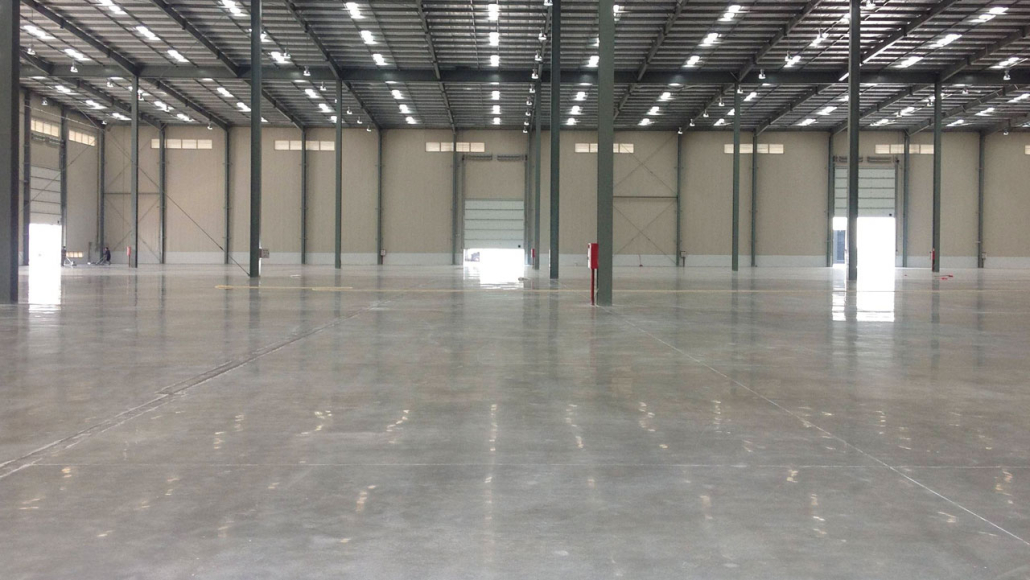
For property owners across the Greater Toronto Area, concrete floors represent a significant investment in your commercial or industrial facility. Whether you manage a warehouse in Mississauga, operate a manufacturing plant in Vaughan, or own retail space in downtown Toronto, your concrete flooring endures constant stress from foot traffic, equipment, temperature fluctuations, and Toronto’s notoriously harsh weather conditions. Without proper protection, water damage can compromise the structural integrity of your concrete surfaces, leading to costly repairs and operational disruptions.
Commercial concrete sealing has emerged as one of the most effective preventative measures against water infiltration and deterioration. As an industrial flooring contractor serving the GTA for over three decades, we’ve witnessed firsthand how proper sealing can extend the lifespan of concrete floors by decades while reducing maintenance costs significantly. This comprehensive guide explores why concrete sealing is essential for Toronto properties and how it protects your investment from the region’s unique environmental challenges.
Understanding Concrete Vulnerability in the GTA Climate
Toronto’s climate poses unique challenges for concrete structures. The freeze-thaw cycles that characterize our winters create one of the most destructive forces concrete can face. When water penetrates unsealed concrete and temperatures drop below freezing, the water expands as it turns to ice. This expansion creates internal pressure that causes cracks, spalling, and surface deterioration.
The GTA experiences an average of 40 to 50 freeze-thaw cycles annually, significantly higher than many other Canadian regions. This means your concrete floors are subjected to repeated expansion and contraction throughout the winter months. Spring brings additional challenges with snowmelt and increased rainfall, while summer humidity can promote moisture-related issues like efflorescence and mold growth in untreated concrete.
Beyond weather, Toronto’s urban environment introduces additional stressors. Road salt and de-icing chemicals tracked into facilities accelerate concrete deterioration through chemical reactions. Industrial operations may expose floors to oils, solvents, and other substances that can penetrate and weaken unsealed concrete. For property owners throughout Scarborough, North York, Etobicoke, and beyond, these combined factors make concrete sealing not just beneficial, but essential.
The Science Behind Concrete Sealing
Concrete sealing works by creating a protective barrier that prevents water, chemicals, and contaminants from penetrating the concrete surface. Understanding the different types of sealers available helps property owners make informed decisions about which solution best suits their facility’s needs.
Penetrating Sealers
Penetrating sealers, also known as reactive sealers, chemically bond with the concrete itself rather than forming a surface coating. These sealers work below the surface, filling pores and capillaries to block moisture infiltration while still allowing the concrete to breathe. This characteristic makes penetrating sealers particularly effective for outdoor applications or areas exposed to Toronto’s moisture-laden environment.
Silicate-based and siliconate-based penetrating sealers react with the calcium hydroxide in concrete to form a crystalline structure within the pores. This process, called densification, actually hardens the concrete surface while providing water repellency. For industrial flooring contractors working on warehouse floors or loading docks, penetrating sealers offer excellent durability without creating a slippery surface.
Topical Sealers
Topical sealers form a protective film on the concrete surface. These include acrylic sealers, epoxy coatings, polyurethane sealers, and polyaspartic products. Each type offers different benefits regarding durability, chemical resistance, and aesthetic appearance.
Acrylic sealers provide a cost-effective option with good UV resistance, making them suitable for both indoor and outdoor applications. Epoxy coatings create an exceptionally hard, chemical-resistant surface ideal for manufacturing facilities or areas exposed to harsh substances. Polyurethane and polyaspartic sealers offer superior abrasion resistance and flexibility, accommodating the expansion and contraction concrete experiences in Toronto’s temperature extremes.
Polished Concrete Solutions
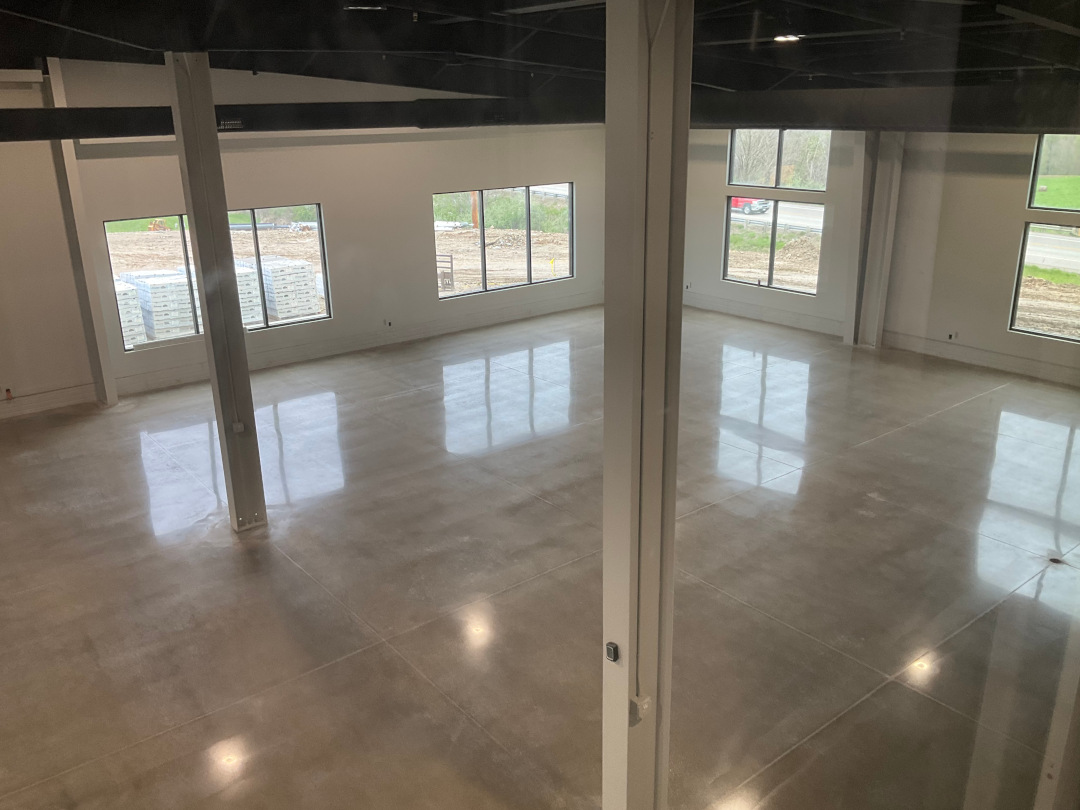
Polished concrete represents a specialized approach that combines mechanical grinding with chemical densification to create an extremely durable, low-maintenance surface. This process transforms ordinary concrete into a refined, almost marble-like finish that’s highly resistant to water penetration, staining, and wear.
For GTA property owners seeking both functionality and aesthetics, polished concrete offers unique advantages. The mechanical grinding process removes surface imperfections while progressively refining the concrete to the desired sheen level. Chemical hardeners penetrate the concrete during polishing, creating a surface that becomes more resistant to damage over time. This makes polished concrete particularly attractive for retail spaces, showrooms, and modern office environments where appearance matters as much as durability.
Key Benefits of Commercial Concrete Sealing
Investing in professional concrete sealing delivers numerous advantages that extend far beyond simple water protection. For contractors and property owners throughout the Greater Toronto Area, these benefits directly impact operational efficiency and long-term property value.
Extended Concrete Lifespan
Properly sealed concrete can last two to three times longer than unsealed surfaces. By preventing water infiltration and the resulting freeze-thaw damage, sealing protects your initial flooring investment. In Toronto’s climate, where a single harsh winter can cause significant deterioration to unprotected concrete, this extended lifespan translates to substantial cost savings over time.
Reduced Maintenance Requirements
Sealed concrete requires significantly less maintenance than untreated surfaces. The protective barrier prevents dirt, oil, and other contaminants from penetrating the concrete, making routine cleaning faster and more effective. For busy commercial operations in Markham, Brampton, or downtown Toronto, reduced maintenance translates to less downtime and lower operational costs.
Unsealed concrete absorbs spills, creating permanent stains and requiring intensive cleaning procedures. Sealed surfaces allow for quick wipe-ups, preventing absorption before it occurs. This characteristic proves particularly valuable in food processing facilities, automotive shops, and other operations where spills are common.
Enhanced Safety and Appearance
Many concrete sealers improve traction, reducing slip hazards in high-traffic areas. This safety enhancement is crucial for facilities throughout the GTA that must comply with Ontario’s Occupational Health and Safety Act requirements. Additionally, sealed concrete maintains a cleaner, more professional appearance, contributing to a positive impression for customers and employees.
For facilities pursuing LEED certification or other sustainability credentials, polished concrete and certain sealing systems contribute to green building objectives through improved indoor air quality, enhanced lighting reflectivity, and reduced cleaning chemical requirements.
Chemical and Stain Resistance
Industrial and commercial facilities often expose floors to oils, solvents, acids, and other potentially damaging substances. A quality concrete sealing contractor can recommend and apply sealers specifically formulated to resist chemical attack. This protection proves essential for manufacturing plants, automotive facilities, and chemical storage areas throughout the GTA.
Sealed concrete resists staining from everyday spills like coffee, grease, and dirt. This resistance maintains the floor’s appearance and prevents the degradation that occurs when these substances penetrate unsealed concrete.
Moisture Control and Structural Protection
Water infiltration represents the primary threat to concrete longevity. Beyond freeze-thaw damage, moisture penetration can lead to reinforcing steel corrosion, efflorescence (white powdery deposits), and mold growth. In Toronto’s humid summers, moisture control becomes particularly important for basement facilities and underground parking structures.
Professional sealing creates a moisture barrier that protects the concrete matrix and any embedded reinforcement. This protection maintains structural integrity and prevents costly repairs down the road.
Choosing the Right Sealing Solution for Your Facility
Selecting the appropriate concrete sealing system depends on multiple factors specific to your facility and operations. An experienced industrial flooring contractor will evaluate these considerations to recommend the optimal solution.
Environmental Exposure
Indoor facilities have different requirements than outdoor concrete or areas exposed to the elements. Loading docks, outdoor storage areas, and parkades require sealers that withstand UV exposure, precipitation, and extreme temperature fluctuations. Indoor warehouse floors or manufacturing spaces may prioritize abrasion resistance and chemical protection over weathering resistance.
Traffic and Usage Patterns
High-traffic areas require more durable sealing solutions than spaces with minimal foot or vehicle traffic. Consider the type of traffic your floors experience: rubber-wheeled forklifts, steel-wheeled carts, pallet jacks, or pedestrian-only movement. Each creates different wear patterns and demands specific sealer characteristics.
Existing Concrete Condition
The current state of your concrete influences sealer selection and preparation requirements. Newly poured concrete requires different treatment than existing floors with years of wear. Damaged concrete may need repair before sealing, while well-maintained floors can proceed directly to sealer application.
Toronto building codes and standards, including requirements outlined in the Ontario Building Code, may influence your sealing project. Facilities handling food products must use food-safe sealers. Operations with environmental regulations need compliant products. Working with experienced contractors ensures your project meets all applicable standards.
Budget and Long-Term Value
While initial costs vary between sealing systems, consider the total cost of ownership over the floor’s lifespan. A more expensive epoxy system might deliver better value than a cheaper acrylic sealer if it lasts three times longer and requires less maintenance. Quality industrial flooring contractors in the Toronto area provide comprehensive cost analyses to help property owners make informed decisions.
The Professional Application Process
Proper application is just as important as selecting the right sealer. Shortcuts during installation compromise performance and durability, regardless of product quality. Understanding the professional process helps property owners appreciate the value of working with experienced concrete sealing contractors.
Surface Preparation
Thorough surface preparation is critical for successful sealer adhesion and performance. This process typically includes cleaning to remove dirt, oil, grease, and existing coatings; repairing cracks, spalls, and other damage; grinding or shot blasting to open pores and create proper surface profile; and ensuring the concrete is completely dry before sealer application.
In Toronto’s humid climate, moisture testing becomes particularly important. Applying sealer over wet concrete traps moisture, leading to delamination, bubbling, and premature failure. Professional contractors use calcium chloride tests or relative humidity probes to verify concrete is ready for sealing.
Application Technique
Different sealers require specific application methods. Penetrating sealers are typically applied with low-pressure sprayers, allowing the product to flood the surface and penetrate deeply. Topical sealers may be rolled, sprayed, or squeegeed depending on the product type and desired thickness.
Multiple coats are often necessary to achieve optimal protection. Professional applicators ensure proper coverage, consistent mil thickness, and adequate curing time between coats. Environmental conditions during application—temperature, humidity, and air circulation—significantly impact results, requiring experienced judgment to achieve optimal outcomes.
Quality Control and Curing
After application, proper curing is essential for sealer performance. Depending on the product type, full cure may take anywhere from 24 hours to several days. During this period, the sealed area must be protected from traffic, moisture, and temperature extremes.
Quality contractors perform post-application inspections to verify complete coverage, proper adhesion, and absence of defects like bubbles, fisheyes, or thin spots. They also provide guidance on when the floor can safely return to service and what limitations may exist during the initial curing period.
Long-Term Maintenance and Reapplication
Even the best concrete sealing systems require periodic maintenance and eventual reapplication to maintain optimal protection. Understanding these requirements helps property owners budget appropriately and schedule work during convenient periods.
Routine Maintenance
Sealed concrete requires regular cleaning to maintain appearance and performance. Use pH-neutral cleaners specifically designed for sealed concrete rather than harsh chemicals that can degrade the sealer over time. Sweep or dust mop regularly to remove abrasive dirt particles that wear down the sealer surface.
Address spills promptly, even on sealed concrete. While sealers provide excellent protection, prolonged exposure to certain chemicals can eventually penetrate the barrier. Regular inspections identify areas where the sealer may be wearing thin, allowing for spot treatments before widespread reapplication becomes necessary.
Reapplication Timeline
Sealer lifespan varies based on product type, traffic levels, and environmental exposure. Penetrating sealers typically provide 5-10 years of protection before reapplication is needed. Topical sealers generally require renewal every 2-5 years, with high-traffic areas potentially needing more frequent attention.
Polished concrete systems offer exceptional longevity, often lasting 10-15 years or longer with proper maintenance. When polished concrete does require attention, the process typically involves repolishing rather than complete reapplication, often at lower cost than other sealing systems.
Working with the same concrete sealing contractor for both initial application and maintenance creates continuity in your floor care program. Experienced contractors maintain records of what products were used, when application occurred, and what maintenance schedule is appropriate for your specific situation.
Protecting Your Toronto Property Investment
For commercial and industrial property owners throughout the Greater Toronto Area, concrete sealing represents one of the most cost-effective strategies for protecting your flooring investment. Toronto’s challenging climate—with freeze-thaw cycles, road salt exposure, and humidity fluctuations—makes this protection not just beneficial but essential for long-term concrete performance.
Whether you need penetrating sealers for outdoor loading docks, epoxy coatings for manufacturing floors, or polished concrete for retail spaces, selecting the right solution and ensuring professional application determines your success. The benefits of properly sealed concrete—extended lifespan, reduced maintenance, enhanced safety, and structural protection—deliver measurable returns that justify the initial investment many times over.
Nusite Group has provided concrete, waterproofing, and foundation solutions throughout the GTA for over 30 years. Our experience across diverse industries and applications means we understand the unique challenges Toronto property owners face. From industrial flooring projects to commercial restoration and concrete repair, our team delivers competent, reliable service that protects your investment for decades to come.
Don’t wait for water damage, cracking, or deterioration to compromise your concrete floors. Contact Nusite Group today to schedule a consultation and learn how professional concrete sealing can protect your Toronto-area property. Our experienced team will assess your specific needs, recommend the optimal solution, and deliver the quality workmanship that has made us a trusted name in GTA commercial and industrial concrete services.
Ready to protect your investment? Contact Nusite Group or visit our website to discuss your commercial concrete sealing project with Toronto’s trusted waterproofing and foundation experts.


