
Effective Waterproofing Solutions for Industrial Buildings

Industrial buildings across the Greater Toronto Area face unique challenges when it comes to protecting their structures from water damage. From the harsh freeze-thaw cycles of Ontario winters to the heavy rainfall and rapid temperature fluctuations characteristic of the region, industrial property owners must invest in robust waterproofing solutions to protect their assets, maintain operational efficiency, and avoid costly repairs down the line.
Whether you manage a manufacturing facility, warehouse, distribution center, or processing plant in Toronto, Mississauga, Vaughan, or anywhere throughout the GTA, understanding your waterproofing options is essential for long-term building integrity. The right approach to industrial waterproofing goes beyond simple moisture prevention—it protects your inventory, equipment, foundation, and ultimately your bottom line.
Understanding the Unique Waterproofing Needs of Industrial Buildings
Industrial facilities differ significantly from residential or even standard commercial properties when it comes to waterproofing requirements. These buildings typically feature large footprints, extensive concrete foundations, loading docks, below-grade storage areas, and elevator pits that all present potential vulnerability points for water intrusion. The consequences of water damage in an industrial setting extend far beyond structural concerns and can include equipment failure, inventory loss, production downtime, and safety hazards for workers.
Toronto’s climate presents particular challenges for industrial buildings. The region experiences significant seasonal temperature variations, with winter temperatures frequently dropping well below freezing and summer months bringing heavy rainfall and humidity. This constant expansion and contraction of building materials creates stress on waterproofing systems, while spring thaw periods can lead to substantial groundwater accumulation around foundations. Commercial concrete contractors working in the GTA understand that waterproofing solutions must be engineered to withstand these specific regional conditions.
The age and construction methods of industrial buildings throughout Toronto also play a role in waterproofing needs. Many older industrial facilities in established areas like Etobicoke, North York, and Scarborough were built before modern waterproofing standards were established, making them particularly vulnerable to water infiltration. Even newer facilities require proactive waterproofing maintenance to prevent issues before they develop into major problems.
Critical Areas Requiring Waterproofing in Industrial Facilities
Foundation waterproofing represents the first line of defense for any industrial building. The foundation bears the entire weight of the structure and inventory while remaining in constant contact with soil and groundwater. In the GTA, where water tables can fluctuate significantly and soil conditions vary across municipalities, foundation waterproofing must be comprehensive and properly installed. Experienced waterproofing contractors assess factors including soil composition, drainage patterns, and hydrostatic pressure to determine the appropriate foundation waterproofing system for each facility.
Below-grade spaces such as basements, storage areas, and mechanical rooms present particular waterproofing challenges. These areas sit below the water table for at least part of the year in many Toronto locations, making them highly susceptible to moisture intrusion. Industrial facilities often store valuable equipment, inventory, or raw materials in these spaces, making effective waterproofing essential. Solutions for below-grade waterproofing include both exterior applications that prevent water from reaching the structure and interior systems that manage any moisture that does penetrate.
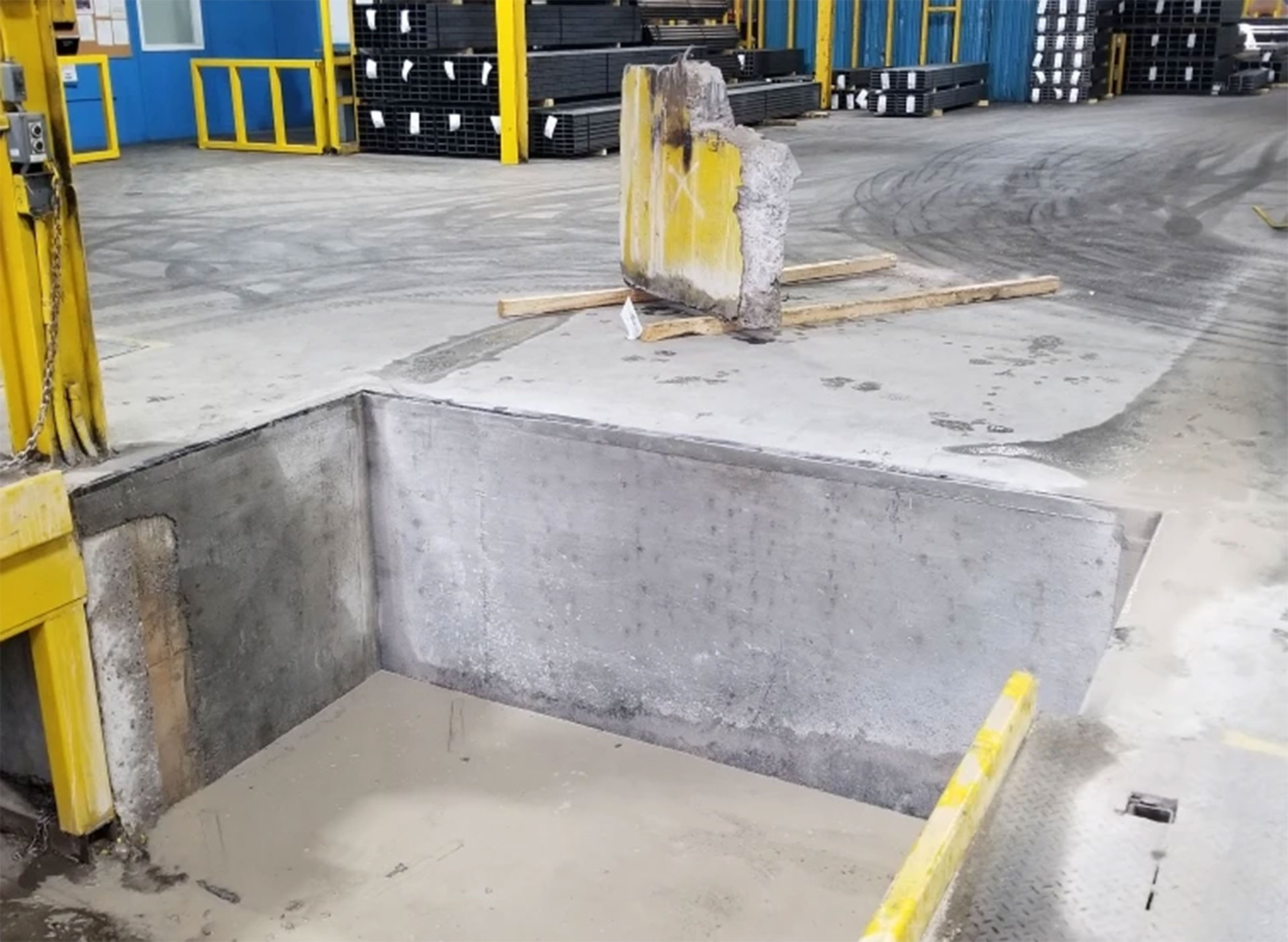
Elevator pits require specialized waterproofing attention in industrial buildings. These below-grade concrete structures collect water through various pathways and can cause significant operational problems if not properly protected. Elevator pit waterproofing involves both preventing water entry and providing effective drainage for any moisture that does accumulate. Given the critical role elevators play in multi-story industrial operations, maintaining dry elevator pits is essential for uninterrupted business operations.
Loading docks and truck bays represent another vulnerable area in industrial facilities. These high-traffic zones experience constant exposure to weather while requiring numerous penetrations for doors, levelers, and utility connections. The concrete structures supporting loading docks must be waterproofed to prevent deterioration from repeated freeze-thaw cycles, while the interfaces between different building materials require careful sealing to prevent water infiltration.
Roof waterproofing is equally critical for industrial buildings, particularly the large, flat roofs common in warehouse and manufacturing facilities across the GTA. These roofs must handle snow loads in winter, manage water drainage during spring thaw and summer storms, and resist UV degradation during hot weather. Commercial roofing services for industrial buildings must account for roof-mounted equipment, drainage systems, and the unique loading requirements of industrial operations.
Proven Waterproofing Methods for Industrial Applications
Membrane waterproofing systems represent one of the most reliable approaches for industrial buildings. These systems involve applying a continuous waterproof barrier to foundation walls, below-grade structures, or roofs. Modern membrane systems can be either liquid-applied or sheet-based, with each offering specific advantages depending on the application. Liquid-applied membranes excel at creating seamless barriers around complex shapes and penetrations, while sheet membranes provide consistent thickness and durability for large, flat surfaces. Quality commercial concrete contractors in Toronto understand how to select and install the appropriate membrane system based on the specific conditions of each project.
Crystalline waterproofing technology offers a particularly effective solution for concrete foundations and structures. This approach involves applying compounds that penetrate into concrete and react with moisture to form crystalline structures within the concrete matrix itself. These crystals block water pathways while allowing the concrete to breathe, preventing moisture accumulation that could lead to structural damage. Crystalline systems work particularly well in the GTA climate because they continue to provide protection even if the concrete develops minor cracks over time, as the crystals can self-seal small fissures when exposed to water.
Drainage systems form an essential component of comprehensive industrial waterproofing. Even the best waterproofing membranes benefit from proper drainage that directs water away from the building structure. Foundation drainage typically involves installing perimeter drains around the building footprint, connecting to storm sewers or drainage fields. In Toronto, drainage system design must account for soil conditions, municipal drainage infrastructure, and seasonal water flow patterns. Interior drainage systems may also be necessary in some industrial facilities, particularly those with below-grade spaces or complex foundation configurations.
Concrete repair and restoration often goes hand-in-hand with waterproofing in industrial settings. Before waterproofing can be effectively applied, any existing concrete damage must be addressed. This includes repairing cracks, spalling, or deteriorated concrete sections that could compromise waterproofing system performance. Professional contractors assess the condition of concrete structures, determine the root cause of any damage, and implement appropriate repairs before applying waterproofing treatments. This integrated approach ensures long-lasting protection and prevents recurring problems.
Maintaining Industrial Waterproofing Systems in Toronto’s Climate
Regular inspection and maintenance of waterproofing systems is essential for industrial buildings operating in the GTA’s demanding climate. Property owners should implement inspection schedules that include examining foundation walls, below-grade spaces, roof surfaces, and other waterproofed areas at least twice annually—ideally in spring after winter freeze-thaw cycles and in fall before winter weather arrives. These inspections identify minor issues before they develop into major problems, allowing for cost-effective repairs that extend the life of waterproofing systems.
Toronto’s harsh winters place particular stress on industrial waterproofing systems. Freeze-thaw cycles cause water absorbed into concrete or masonry to expand when frozen, creating pressure that can crack even robust materials. Snow accumulation on roofs creates sustained moisture exposure, while ice dams can force water into areas not designed to handle it. Waterproofing contractors familiar with Toronto conditions design systems with these challenges in mind, but property owners must still remain vigilant about snow removal, ice management, and seasonal maintenance to protect their investment.
Drainage system maintenance proves particularly important for industrial properties in the GTA. Perimeter drains can become clogged with soil, roots, or debris over time, reducing their effectiveness at directing water away from foundations. Regular cleaning and inspection of drainage systems ensures they continue functioning as designed. Similarly, roof drainage systems require maintenance to prevent backup and overflow that could compromise waterproofing membranes or cause interior damage.
Selecting the Right Waterproofing Contractors for Your Industrial Property
Choosing experienced waterproofing contractors makes the difference between a long-lasting solution and recurring water intrusion problems. Industrial property owners in Toronto should look for contractors with extensive experience specifically in industrial and commercial applications, as these projects differ significantly from residential work in terms of scale, complexity, and performance requirements. Contractors should be able to demonstrate successful completion of similar projects, provide references, and explain their approach to addressing the specific challenges present in your facility.
Understanding of local conditions and building codes represents another critical factor in contractor selection. The Ontario Building Code includes specific requirements for waterproofing and drainage systems, and contractors must design solutions that meet or exceed these standards. Beyond code compliance, the best commercial concrete contractors and waterproofing contractors bring knowledge of how different waterproofing approaches perform in Toronto’s climate, soil conditions, and urban infrastructure environment.
The scope of services a contractor can provide also matters for industrial waterproofing projects. Many waterproofing issues require related services such as concrete repair, foundation stabilization, or drainage system installation. Working with contractors who offer comprehensive solutions streamlines project management, ensures compatible systems, and often results in better outcomes than coordinating multiple specialty contractors. Companies with decades of experience in waterproofing, foundation work, and commercial roofing can address all aspects of industrial building protection under one umbrella.
Frequently Asked Questions About Industrial Waterproofing
How long do industrial waterproofing systems typically last in Toronto’s climate?
The lifespan of waterproofing systems varies based on the type of system installed, quality of installation, and maintenance practices, but properly installed and maintained systems typically last 15 to 30 years or more. Membrane systems and crystalline waterproofing solutions generally provide the longest service life, particularly when installed by experienced contractors who account for Toronto’s freeze-thaw cycles and seasonal moisture variations. Regular inspections and minor maintenance can significantly extend system lifespan, while neglect can lead to premature failure even with high-quality materials.
What are the signs that my industrial building needs waterproofing repairs?
Common indicators include visible water stains or dampness on foundation walls or basement floors, efflorescence (white mineral deposits) on concrete surfaces, musty odors in below-grade spaces, standing water in elevator pits, rust or corrosion on stored equipment, and increased humidity levels inside the building. Cracks in foundation walls or concrete floors, particularly those that appear to be widening or showing signs of moisture, should be evaluated promptly by professional waterproofing contractors. Early intervention typically results in simpler, less expensive solutions than waiting until major damage occurs.
Can waterproofing be done during Toronto winters?
While some waterproofing applications can be performed during winter months, many systems require temperatures above freezing for proper installation and curing. Interior waterproofing work, such as elevator pit waterproofing or interior drainage systems, can typically proceed year-round. However, exterior membrane applications, certain concrete repairs, and some coating systems require warmer temperatures. Experienced contractors will recommend the optimal timing for your specific project, though emergency repairs may sometimes be necessary regardless of weather conditions.
How much does industrial waterproofing cost in the GTA?
Waterproofing costs vary significantly based on building size, condition of existing structures, type of waterproofing system selected, and accessibility of areas requiring treatment. A comprehensive waterproofing project for a medium-sized industrial facility might range from tens of thousands to hundreds of thousands of dollars, but this investment protects against far more expensive water damage, production interruption, and structural deterioration. Professional contractors provide detailed assessments and quotes based on your specific facility and requirements, allowing for informed decision-making about protecting your property investment.
Protecting Your Industrial Investment with Professional Waterproofing
Industrial buildings represent significant investments, and protecting these assets from water damage requires expertise, quality materials, and proven techniques. Throughout the Greater Toronto Area, property owners rely on experienced contractors to deliver waterproofing solutions that stand up to Ontario’s challenging climate while providing decades of reliable protection.
Nusite Group brings over 30 years of specialized experience in waterproofing, foundation repair, and commercial roofing services to industrial clients across Toronto, Mississauga, Vaughan, and throughout the GTA. Our comprehensive approach addresses every aspect of building protection, from foundation waterproofing and concrete repair to elevator pit waterproofing and commercial restoration projects. We understand the unique demands of industrial facilities and the specific challenges presented by Toronto’s climate and soil conditions.
Whether you’re managing an existing facility requiring waterproofing repairs or planning protection for new construction, our team provides the expertise and proven solutions necessary for long-term building integrity. Contact Nusite Group today to schedule a comprehensive assessment of your industrial property’s waterproofing needs and discover how professional solutions can protect your operations, assets, and investment for years to come.


