
How To Keep Your Basement Dry During The Spring Thaw
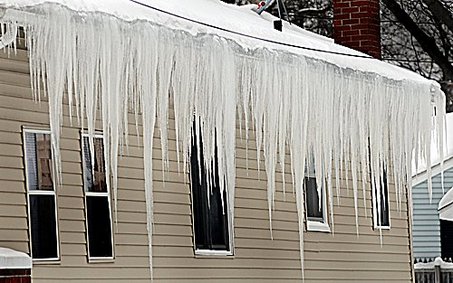
After enduring Toronto’s long winter months, the arrival of spring brings welcome warmth but also a hidden threat to your basement: the spring thaw. When temperatures rise and accumulated snow and ice begin melting, Toronto homeowners face one of the year’s highest-risk periods for basement flooding and water damage. The combination of melting snow, frozen ground preventing natural drainage, and stressed foundation waterproofing systems creates perfect conditions for basement water infiltration.
Understanding why spring thaw poses such significant risks to Toronto basements and implementing preventive measures before temperatures rise protects your home from costly water damage. This comprehensive guide provides both quick preventive actions and long-term waterproofing strategies that keep your basement dry when winter transitions to spring.
Why Spring Thaw Threatens Toronto Basements
The Science Behind Spring Flooding
Toronto’s spring thaw creates unique challenges that differ from summer rainfall flooding. Winter snow accumulation across the GTA can reach 3-4 feet in yards, on roofs, and against foundations. When temperatures suddenly spike—a common pattern in Toronto where March and April see dramatic day-to-day temperature swings—this accumulated snow melts rapidly, producing enormous water volumes in short timeframes.
The mathematics are sobering: ten inches of snow produces approximately one inch of water when melted. For an average Toronto property with 1,000 square feet of surrounding area, this translates to over 600 gallons of water. When several feet of snow melt over just a few days, thousands of gallons must drain away from your foundation or risk entering your basement.
Frozen ground compounds this challenge. Toronto soils typically freeze 2-4 feet deep during winter months. When spring melt begins, this frozen soil layer prevents water absorption that would normally occur, forcing meltwater to flow across surfaces rather than percolating downward. Your foundation and basement walls face sustained water exposure as meltwater seeks any available entry point.
Toronto’s Clay Soil and Hydrostatic Pressure
The clay-heavy soil throughout Toronto and the GTA creates additional spring thaw complications. Clay soil holds water rather than draining it, remaining saturated for extended periods after snowmelt. This saturated soil exerts tremendous hydrostatic pressure against foundation walls—pressure that seeks weak points in your basement’s waterproofing.
Properties in low-lying Toronto neighborhoods experience particularly high water table fluctuations during spring thaw. Areas near ravines, along the Don River and Humber River valleys, and in natural drainage pathways see groundwater levels rise dramatically, sometimes by several feet. This rising groundwater table pushes upward through basement floors while simultaneously pressing horizontally against foundation walls.
Essential Spring Thaw Prevention Strategies
Gutter and Downspout System Optimization
Your home’s gutter system represents the first line of defense against spring thaw basement flooding. Clean gutters and downspouts before spring thaw begins, ideally in late winter or very early spring while snow still covers the ground. Toronto contractors recommend thorough gutter cleaning at least twice yearly—once after autumn leaves fall and again before spring melt.
Debris-clogged gutters overflow during rapid snowmelt, dumping hundreds of gallons directly along your foundation. This concentrated water volume overwhelms even properly graded landscapes, creating conditions where water infiltrates basement walls. Install gutter guards to reduce maintenance requirements, though periodic inspection and cleaning remain necessary even with guards installed.
Downspout extensions require special attention for spring thaw protection. Standard 3-4 foot downspout extensions prove inadequate during Toronto’s spring melt events. Extend downspouts at least 6-10 feet from your foundation, and if possible, 15-20 feet provides optimal protection. Direct downspout discharge toward sloped areas where water flows naturally away from your property.
Buried downspout extensions offer aesthetic advantages but require careful installation to function during spring thaw. These systems can freeze during winter or become clogged with ice, rendering them useless exactly when you need them most. If you install buried extensions, include cleanout access points and design them with sufficient slope—minimum 1/4 inch per foot—to ensure positive drainage even if partially ice-blocked.
Strategic Grading and Landscape Management
Proper grading around your Toronto home creates passive protection against spring thaw flooding. Ontario Building Code specifies minimum grading standards—typically 6 inches of fall over the first 10 feet from the foundation—but steeper grades provide better protection during intense melt events.
Toronto homeowners should inspect grading each spring, as soil settlement, landscaping changes, and root growth can alter drainage patterns over time. Areas showing water pooling against foundations during previous spring thaws require corrective grading before the next winter season. Even minor depressions that collect water become significant problems when spring melt produces sustained water flow.
Snow management during winter months influences spring thaw basement risks. Avoid piling snow against foundation walls when clearing driveways and walkways. Snow piled against your home melts directly onto foundation walls rather than draining away, creating concentrated water exposure that even proper waterproofing struggles to handle. Clear snow piles away from foundations when possible, and redirect them toward areas with positive drainage.
Landscape beds against foundations require special consideration. While attractive, mulch and soil built up against basement walls can create negative grading that directs water toward rather than away from foundations. Maintain at least 6 inches of clearance between soil/mulch and your home’s siding, ensuring the ground slopes away from walls. Consider replacing traditional landscaping adjacent to foundations with rock beds or other materials that promote drainage.
Foundation Waterproofing for Spring Thaw Protection
Exterior Waterproofing Systems
Toronto homes built before 1980 often lack adequate exterior waterproofing, making them particularly vulnerable during spring thaw. Even homes with original waterproofing may experience failures after 30-40 years, as tar-based dampproofing degrades and weeping tile systems become clogged with silt and roots.
Comprehensive exterior waterproofing provides the most reliable protection against spring thaw flooding. This involves excavating around your foundation perimeter, applying modern waterproof membranes, installing new weeping tile drainage systems, and ensuring proper backfill with drainage-promoting materials. While representing a significant investment—typically $15,000-30,000 for average Toronto homes—exterior waterproofing addresses water before it reaches foundation walls.
Spring represents an ideal time for exterior waterproofing projects in Toronto. Ground has thawed, enabling excavation, while summer landscaping hasn’t yet matured. Contractors complete exterior work most efficiently during spring and early summer months, and homeowners benefit from immediate protection during the following winter and spring cycles.
Interior Drainage Solutions
For Toronto properties where exterior excavation isn’t feasible—townhomes, homes with shared driveways, or properties with extensive hardscaping—interior drainage systems provide effective alternatives. Interior weeping tile systems installed along basement perimeters channel water to sump pumps before it emerges into living spaces.
Interior drainage systems cost considerably less than exterior waterproofing—typically $8,000-15,000—while effectively managing most spring thaw water infiltration. These systems acknowledge that water will penetrate foundation walls but prevent it from causing basement flooding by providing relief pathways that intercept water below floor level.
Sump Pump Maintenance and Backup Systems
Sump pumps become critically important during Toronto’s spring thaw, often running almost continuously during peak melt periods. Test your sump pump monthly throughout winter to ensure it functions when needed. Pour several gallons of water into the sump basin, verifying that the float activates the pump and water discharges properly.
Battery backup sump pumps represent essential insurance for Toronto homes. Spring storms that coincide with snowmelt can cause power outages exactly when your primary sump pump needs to operate continuously. Battery backup systems activate automatically during power failures, providing hours of protection while utilities restore service.
Water-powered backup pumps offer additional redundancy, operating using municipal water pressure rather than electricity or batteries. These systems work indefinitely during outages, limited only by your water supply. Many Toronto waterproofing contractors recommend both battery and water-powered backup systems for homeowners in high-risk flooding areas.
Climate Control and Humidity Management
Dehumidification During Spring Thaw
As snow melts and outdoor humidity rises, Toronto basements experience increased moisture levels even without active water leaks. This elevated humidity promotes mold growth, creates musty odors, and can damage stored items. Running dehumidifiers during spring thaw maintains healthy basement humidity levels—ideally 45-50% relative humidity.
Modern dehumidifiers with built-in drain hoses eliminate the need for manual emptying, allowing continuous operation during multi-day thaw periods. Position drain hoses to discharge into floor drains or sump basins, ensuring collected moisture doesn’t simply evaporate back into basement air. Dehumidifiers with auto-defrost features work more effectively in cooler basement temperatures common during early spring.
Ventilation Strategies
Proper ventilation helps manage basement moisture during spring thaw, but Toronto homeowners must balance ventilation with temperature control. Opening basement windows when outdoor temperatures exceed indoor temperatures allows humid outside air to enter, potentially increasing rather than decreasing basement moisture levels.
Strategic ventilation works best when outdoor dew points are lower than basement temperatures—typically on dry, breezy spring days. Use hygrometers to monitor both indoor and outdoor humidity levels, opening windows only when outdoor conditions actually benefit interior moisture levels. Mechanical ventilation systems with heat recovery provide controlled air exchange without compromising temperature control.
Pre-Spring Inspection and Maintenance Checklist
Toronto homeowners should complete comprehensive basement inspections before spring thaw begins. This inspection identifies vulnerabilities requiring attention before thousands of gallons of meltwater test your waterproofing systems.
Examine foundation walls for new cracks or expansion of existing cracks. Even hairline cracks can channel significant water during spring thaw. Foundation crack repair—whether through interior injection or exterior sealing—prevents minor issues from becoming major water infiltration problems.
Inspect window wells for proper drainage. Clogged window well drains create pools of water directly against basement windows during spring melt. Clear debris from drain covers and consider replacing deteriorated window well covers that allow excessive snow accumulation inside wells.
Test all basement floor drains to ensure they flow freely. Pour several gallons of water into each drain, verifying proper drainage. Slow-draining floor drains may indicate clogs that will fail during spring thaw flooding.
Check basement walls and floors for efflorescence—white, chalky deposits indicating water migration through concrete. Efflorescence signals active moisture problems that will likely worsen during spring thaw without waterproofing intervention.
When to Call Toronto Waterproofing Professionals
While homeowners can implement many spring thaw prevention measures independently, certain situations require professional waterproofing expertise. Persistent basement dampness, musty odors, or visible water infiltration during previous spring thaws indicate underlying waterproofing failures that DIY measures can’t address.
Professional waterproofing assessments identify specific vulnerabilities in your foundation’s defenses. Toronto contractors use moisture meters, infrared cameras, and visual inspection to pinpoint water entry locations and determine appropriate repair strategies. Many contractors provide free assessments, offering valuable information about your basement’s condition without financial commitment.
Homes in Toronto neighborhoods with histories of spring thaw flooding benefit from proactive professional waterproofing before problems occur. Low-lying properties, homes near rivers or ravines, and older houses with outdated waterproofing systems should prioritize professional assessment and preventive waterproofing over reactive repairs after flooding occurs.
Protecting Your Toronto Basement This Spring
Spring thaw presents significant challenges to Toronto basement waterproofing, but understanding these risks and implementing proper prevention strategies keeps your basement dry when winter transitions to spring. From simple maintenance like cleaning gutters to comprehensive waterproofing solutions, protecting your basement requires both immediate actions and long-term planning.
The investment in proper basement waterproofing pays dividends through avoided flood damage, protected property values, and peace of mind knowing your home can withstand Toronto’s dramatic spring thaw events. Don’t wait until water invades your basement to address waterproofing vulnerabilities—proactive prevention proves far more cost-effective than emergency repairs.
At Nusite Group, we’ve protected Toronto basements from spring thaw flooding for over 30 years. Our waterproofing specialists understand the specific challenges that Toronto’s climate, soil conditions, and housing stock present to basement protection. We provide comprehensive assessments identifying your property’s vulnerabilities and recommend appropriate solutions—from exterior waterproofing to interior drainage systems—matched to your specific situation and budget.
Whether you need emergency repairs after spring flooding or proactive waterproofing to prevent future problems, Nusite Group offers the expertise and proven solutions your Toronto home deserves. Contact us today free basement assessment. Our waterproofing contractors will evaluate your foundation’s condition, explain all available protection strategies, and design solutions that keep your basement dry through Toronto’s spring thaw and beyond. Don’t let spring melt threaten your home—let Nusite Group provide the waterproofing protection you need.


