
Overlay Systems for Commercial Concrete Rehabilitation
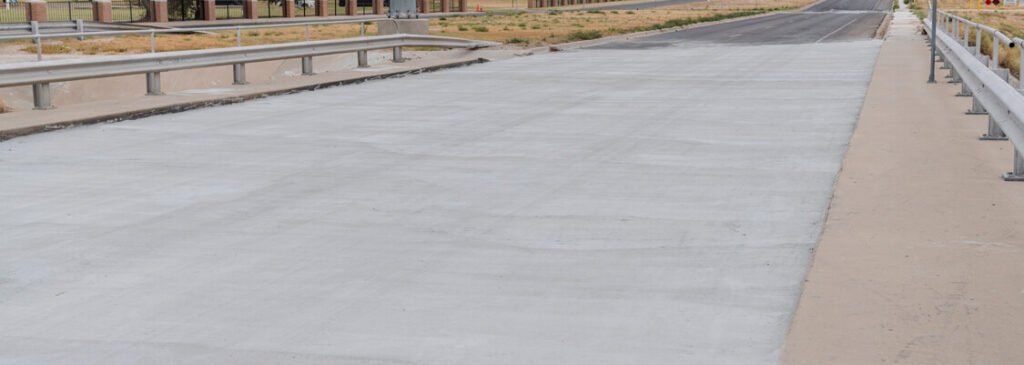
Concrete surface deterioration in commercial and institutional facilities represents a critical asset management challenge—compromising structural integrity, operational safety, and building aesthetics while requiring increasingly costly interventions as damage progresses. For property managers, facility directors, and general contractors responsible for manufacturing plants, warehouse distribution centers, office buildings, institutional campuses, and retail developments across the Greater Toronto Area, concrete overlay systems provide engineered rehabilitation solutions that restore structural performance, extend service life, and renew functional surfaces without complete slab replacement.
Understanding Concrete Overlay Systems
Overlay Definition and Function
Concrete overlay systems consist of thin to moderately thick (1/8 inch to 3 inches) bonded cementitious or polymer-based materials applied to existing concrete substrates. Unlike complete slab replacement, overlays:
- Restore surface integrity where concrete has deteriorated but structural capacity remains adequate
- Improve functional performance through enhanced abrasion resistance, chemical protection, or aesthetic appearance
- Extend service life by 15-30+ years when properly specified and installed
- Reduce project costs by 30-60% compared to complete concrete removal and replacement
- Minimize operational disruption through faster installation and reduced facility downtime
For general contractors managing occupied commercial facilities, overlay systems enable concrete rehabilitation without the extensive demolition, disposal, and reconstruction timelines associated with complete slab replacement.
When Overlays Are Appropriate
Overlay systems suit specific substrate conditions and project objectives:
Ideal Overlay Candidates:
- Surface deterioration (scaling, spalling, wear) affecting top 1-2 inches only
- Structurally sound concrete with adequate compressive strength (minimum 2500-3000 psi)
- Slabs requiring improved chemical resistance, abrasion resistance, or aesthetics
- Facilities where complete replacement would cause unacceptable operational disruption
- Projects where budget constraints eliminate replacement as viable option
Poor Overlay Candidates:
- Structural failures requiring load capacity restoration
- Extensive cracking with active movement
- Delaminated concrete or severely deteriorated substrates
- Inadequate substrate strength unable to support bonded overlay
- Poor drainage or ongoing moisture problems causing substrate distress
Property managers considering overlay rehabilitation should engage structural engineers for condition assessment determining whether overlay systems provide technically viable solutions or whether complete replacement is necessary.

Overlay System Technologies
Polymer-Modified Cementitious Overlays
Polymer-modified systems combine Portland cement with polymer additives creating enhanced performance characteristics:
Material Composition
- Portland cement base providing compressive strength and durability
- Polymer modifiers (acrylic, styrene-butadiene, vinyl acetate) improving bond, flexibility, and impermeability
- Fine aggregates and admixtures controlling workability and curing
- Typical thickness: 1/4 inch to 2 inches
Performance Characteristics
- Bond strength: 200-400+ psi tensile bond to properly prepared concrete
- Compressive strength: 4000-8000 psi depending on formulation
- Abrasion resistance: Significantly exceeds standard concrete
- Chemical resistance: Moderate to good depending on polymer type
- Flexibility: Limited—accommodates minimal substrate movement
- Permeability: Reduced compared to standard concrete
Typical Applications
- Manufacturing facility floors requiring durable, smooth surfaces
- Warehouse floors with surface wear from forklift traffic
- Institutional building corridors and public spaces
- Retail environments requiring aesthetic renewal
- Parking garage driving surfaces needing structural repair overlay
Installation Methods
- Trowel application for thinner overlays (1/4 to 1 inch)
- Self-leveling formulations for moderate thickness (1/4 to 3/4 inch)
- Spray application for vertical surfaces or thin-film applications
Epoxy Overlay Systems
Epoxy-based overlays provide maximum chemical and abrasion resistance:
Material Composition
- 100% solids epoxy resin and hardener
- Aggregate fillers (silica sand, quartz) building thickness and strength
- Broadcast aggregates for texture and slip resistance
- Typical thickness: 1/8 to 1/2 inch
Performance Characteristics
- Bond strength: 300-500+ psi tensile bond
- Compressive strength: 6000-10,000+ psi
- Abrasion resistance: Superior performance in heavy-traffic zones
- Chemical resistance: Excellent resistance to acids, alkalis, solvents, and petroleum products
- Impermeability: Virtually waterproof when properly installed
- Flexibility: Rigid—requires stable substrates without active cracking
Typical Applications
- Food processing facilities requiring chemical resistance and sanitation
- Pharmaceutical manufacturing with contamination control requirements
- Chemical storage and handling areas
- Automotive service facilities exposed to petroleum products
- Heavy manufacturing floors with aggressive chemical exposure
Limitations
- UV sensitivity causing yellowing in exterior or high-light environments
- Rigidity creates cracking potential with substrate movement
- Higher material costs than cementitious overlays
Polyurethane and Polyaspartic Overlays
Flexible polymer overlays accommodating substrate movement:
Material Composition
- Polyurethane or polyaspartic polymer resins
- Aggregate fillers for thickness and texture
- UV-stable aliphatic formulations
- Typical thickness: 1/8 to 3/8 inch
Performance Characteristics
- Flexibility: Elongation 50-200% accommodating substrate cracking and thermal movement
- Bond strength: 200-400 psi tensile bond
- UV resistance: Maintains color and properties in exposed conditions
- Chemical resistance: Good performance with many industrial chemicals
- Rapid cure: Polyaspartic systems enable traffic in hours
Typical Applications
- Cold storage facilities experiencing extreme temperature fluctuations
- Exterior plaza surfaces and loading dock areas with thermal cycling
- Facilities requiring fast-cure systems minimizing downtime
- Substrates with minor cracking where flexibility prevents overlay failure
Advantages
- Accommodate substrate movement better than rigid epoxy systems
- UV stability for exterior applications
- Rapid installation and cure times
Microtoppings and Decorative Overlays
Thin polymer-modified overlays providing aesthetic renewal:
Material Composition
- Polymer-modified cementitious base with fine aggregates
- Integral color pigments or topical stains
- Sealers providing surface protection and sheen
- Typical thickness: 1/16 to 1/4 inch
Performance Characteristics
- Aesthetic flexibility: Smooth, textured, stamped, or stained finishes
- Bond strength: 200-300 psi tensile bond
- Durability: Moderate abrasion resistance suitable for light to moderate traffic
- Color options: Unlimited through integral pigments or reactive stains
Typical Applications
- Retail spaces requiring aesthetic renewal without thickness buildup
- Corporate office lobbies and reception areas
- Institutional buildings updating interior finishes
- Hospitality venues creating designer floor surfaces
Limitations
- Thinner profiles provide less protection for severely damaged substrates
- Lower abrasion resistance than thicker, aggregate-filled systems
- Require sealer maintenance for durability and stain resistance
High-Build Structural Overlays
Thick overlays addressing both surface and structural deficiencies:
Material Composition
- High-strength concrete or polymer-modified concrete
- Structural reinforcement (rebar, wire mesh, fiber reinforcement)
- Bonding agents ensuring composite action with substrate
- Typical thickness: 1 to 3 inches
Performance Characteristics
- Structural contribution: Adds load-bearing capacity to substrate
- Compressive strength: 5000-7000+ psi
- Durability: Extended service life through substantial thickness
- Crack resistance: Reinforcement controls shrinkage cracking
Typical Applications
- Parking garage decks requiring structural overlay and waterproofing substrate
- Industrial floors needing both surface restoration and flatness correction
- Loading dock areas with severe deterioration and heavy traffic
- Facilities where overlay provides both surface repair and structural enhancement
Considerations
- Added weight requires structural capacity verification
- Thicker profiles may affect door clearances, equipment placement, or drainage
- Longer cure times and project duration
Substrate Preparation Requirements
Surface Preparation Standards
Overlay bond quality depends critically on substrate preparation:
Cleaning and Contaminant Removal
- Oil and grease removal through degreasers, steam cleaning, or solvent wiping
- Existing coatings, sealers, or curing compounds requiring complete removal
- Efflorescence and salt deposits removed through mechanical or chemical means
- Dust and debris elimination before primer or overlay application
Mechanical Surface Profiling
- Shotblasting: Most common preparation creating ICRI CSP 3-5 profile
- Scarification: Aggressive removal for thick overlays or heavily contaminated surfaces
- Diamond grinding: Precision profiling for specific texture requirements
- Acid etching: Chemical profiling for smaller areas (limited effectiveness, environmental concerns)
Profile Requirements by Overlay Type
- Thin polymer-modified overlays: ICRI CSP 2-3
- Standard cementitious overlays: ICRI CSP 3-5
- Epoxy and polyurethane systems: ICRI CSP 2-4
- Thick structural overlays: ICRI CSP 5-7
For commercial overlay projects, mechanical preparation methods provide consistent, verifiable surface profiles superior to chemical etching or minimal preparation approaches.
Concrete Repair and Defect Remediation
Existing substrate defects require correction before overlay application:
Crack Repair
- Narrow dormant cracks (<1/8 inch): Epoxy injection restoring structural integrity
- Wide or active cracks: Routing and filling with semi-rigid polyurethane or overlay material
- Control joint preparation: Cleaning, resealing, and detail treatment
Spall and Delamination Repair
- Complete removal of delaminated concrete to sound substrate
- Square-edged perimeter cuts facilitating patch material bonding
- Polymer-modified repair mortars matching substrate properties
- Proper curing before overlay installation
Surface Leveling
- Low spots filled with self-leveling underlayments
- High spots ground to achieve uniform substrate
- Proper drainage slope verification and correction
- Flatness tolerances meeting industry standards (FF/FL specifications where applicable)
General contractors should coordinate concrete substrate repair with overlay installation—many projects benefit from Nusite Group’s integrated concrete rehabilitation and overlay services eliminating coordination between multiple specialty contractors.
Moisture Testing and Mitigation
Moisture conditions critically affect overlay bond and performance:
Moisture Testing Protocols
- Calcium chloride testing (ASTM F1869): Measures moisture vapor emission rate
- Relative humidity testing (ASTM F2170): Internal slab moisture measurement
- Surface moisture testing: Confirms substrate is dry to touch at application
Moisture Limits by Overlay Type
- Standard cementitious overlays: Typically 3-5 lbs/1000sf/24hr maximum
- Moisture-tolerant systems: May accommodate 5-10 lbs/1000sf/24hr
- Epoxy and polyurethane: Strict dry substrate requirements (verify manufacturer specifications)
Moisture Mitigation Strategies
- Moisture vapor barrier primers for moderate conditions
- Epoxy moisture barriers for higher vapor emission rates
- Substrate drying time before overlay application
- Addressing external moisture sources (leaks, drainage problems, groundwater)
Property managers should understand that overlay failures frequently result from moisture issues—proper testing and mitigation prevent costly delamination and warranty disputes.
Installation Methodologies and Best Practices
Primer and Bonding Agent Application
Primers ensure optimal overlay-substrate bond:
Primer Types
- Epoxy primers: Maximum bond strength, moisture tolerance, substrate consolidation
- Polymer-modified cement slurries: Traditional bonding agents for cementitious overlays
- Acrylic or SBR latex primers: Moderate performance, lower cost
Application Protocols
- Apply to prepared, clean substrate following manufacturer guidelines
- Broadcast aggregate into wet primer for mechanical interlock (if specified)
- Install overlay while primer is tacky or within specified recoat window
- Avoid primer puddles, holidays, or insufficient coverage
Critical Timing
- Overlay must be placed within primer manufacturer’s specified window
- Expired primer requires removal and reapplication
- Environmental conditions (temperature, humidity) affect primer cure and recoat times
Overlay Placement Techniques
Application methods vary by overlay type and thickness:
Trowel Application
- Hand troweling for smaller areas, repairs, or thin overlays
- Power troweling for larger areas requiring smooth, dense surfaces
- Multiple passes achieving specified thickness and finish quality
- Edge details and terminations carefully formed
Self-Leveling Application
- Material poured and spread with gauge rakes or squeegees
- Self-leveling properties create flat, uniform surfaces
- Spiked rollers removing entrapped air
- Minimal finishing labor compared to troweled systems
Spray Application
- High-pressure spray equipment depositing material
- Multiple passes building thickness
- Commonly used for vertical surfaces or complex geometries
- Requires specialized equipment and trained operators
Broadcast Aggregate Systems
- Base overlay coat applied
- Aggregate broadcast to refusal while material is wet
- Excess aggregate removed after cure
- Topcoat sealing broadcast and providing wearing surface
For commercial projects, contractor experience with specific overlay systems and application methods significantly affects installation quality and long-term performance.
Curing and Protection Protocols
Curing Requirements
- Cementitious overlays: Moist curing (wet burlap, curing compounds, plastic sheeting) for minimum 3-7 days
- Rapid-setting systems: Shorter cure times but strict environmental control during cure
- Temperature maintenance: Prevent freezing or excessive heat during cure
- Protection from premature traffic or loading
Environmental Controls
- Temperature: Typically 10-30°C during installation and initial cure
- Humidity: 30-85% relative humidity ranges for most systems
- Wind and air movement: Controlled to prevent rapid drying or surface crazing
- Precipitation: Protection from rain during placement and cure
Traffic and Loading
- Foot traffic: 12-72 hours depending on overlay type
- Wheeled traffic: 3-7 days typical
- Heavy loading: 7-28 days allowing full cure
- Gradual load introduction preventing damage to young overlay
Property managers coordinating overlay installations in occupied facilities should plan traffic restrictions and alternate access routes during curing periods.
Performance Specifications for Commercial Applications
Abrasion Resistance Requirements
Testing Standards
- ASTM C779 (Dressler method): Rotating cutter abrasion testing
- ASTM C944 (rotating disk method): Abrasion resistance of horizontal concrete surfaces
- Taber abrasion testing for polymer systems
Performance Criteria by Application
- Light pedestrian traffic: Moderate abrasion resistance acceptable
- Moderate forklift traffic: High abrasion resistance required (material loss <1.5g per ASTM C944)
- Heavy industrial traffic: Superior abrasion resistance mandatory (material loss <1.0g)
Factors Affecting Abrasion Resistance
- Aggregate hardness and quality in overlay mix
- Polymer modification enhancing surface density
- Proper curing developing maximum strength
- Surface finishing techniques creating dense, hard surfaces
Chemical Resistance Specifications
Commercial and industrial environments often involve chemical exposures:
Chemical Exposure Categories
- Light exposure: Occasional spills, dilute cleaning solutions
- Moderate exposure: Regular contact with industrial cleaners, light acids/bases, petroleum products
- Heavy exposure: Concentrated chemicals, continuous exposure, aggressive industrial processes
Overlay Selection by Exposure
- Light exposure: Standard polymer-modified cementitious overlays
- Moderate exposure: Enhanced polymer-modified or polyurethane systems
- Heavy exposure: Epoxy overlays or specialized chemical-resistant formulations
Chemical Resistance Testing
- ASTM C267: Chemical resistance of mortars, grouts, and monolithic surfacings
- Manufacturer-specific testing for particular chemicals
- Site-specific exposure testing when unique conditions exist
Facility managers should provide overlay contractors with detailed chemical exposure inventories ensuring proper system selection and warranty coverage.
Thermal Cycling and Flexibility
Temperature fluctuations stress overlay-substrate bonds:
Thermal Exposure Conditions
- Ambient temperature facilities: Minimal thermal stress
- Cold storage facilities: Extreme low temperatures and cycling
- Loading dock areas: Daily temperature fluctuations
- Exterior overlays: Seasonal temperature extremes
Overlay Selection by Thermal Conditions
- Stable environments: Rigid epoxy or cementitious systems acceptable
- Moderate cycling: Polymer-modified cementitious with enhanced flexibility
- Extreme cycling: Polyurethane or polyaspartic systems providing flexibility
Coefficient of Thermal Expansion Compatibility
- Overlay CTE should approximate substrate CTE
- Large CTE mismatches create differential movement and bond stress
- Particularly critical for thick overlays or extreme temperature ranges
Application-Specific Overlay Solutions
Manufacturing Facility Floors
Requirements:
- Abrasion resistance from forklift and equipment traffic
- Chemical resistance from coolants, lubricants, and process fluids
- Smooth, dust-free surfaces for product quality
- Durability minimizing maintenance-related production disruptions
Recommended Systems:
- Polymer-modified cementitious overlays (1/2 to 1 inch) for general manufacturing
- Epoxy overlays for chemical-intensive processes
- High-build systems for severely deteriorated substrates
Warehouse and Distribution Centers
Requirements:
- Abrasion resistance from constant forklift traffic
- Impact resistance from dropped pallets and equipment
- Flatness tolerances for racking systems and material handling equipment
- Fast installation minimizing operational disruption
Recommended Systems:
- Polymer-modified cementitious overlays with hard aggregate
- Rapid-cure polyaspartic systems for operational facilities
- Self-leveling overlays correcting flatness deficiencies
Food Processing and Pharmaceutical Facilities
Requirements:
- Sanitary, non-porous surfaces preventing bacterial growth
- Chemical resistance to cleaning agents and process chemicals
- Slip resistance meeting safety standards
- Steam cleanable surfaces tolerating high-pressure, high-temperature washing
Recommended Systems:
- Cementitious urethane overlays for extreme sanitation requirements
- Epoxy systems with antimicrobial additives
- Smooth, seamless finishes eliminating dirt and bacteria harboring zones
Parking Structures and Loading Docks
Requirements:
- Structural overlay providing waterproofing substrate
- Durability under vehicular traffic
- Freeze-thaw resistance in exposed conditions
- Bond to substrate despite thermal cycling
Recommended Systems:
- High-build structural overlays (1 to 2 inches) with waterproofing membrane
- Polymer-modified concrete with low permeability
- Traffic coating systems installed over overlay providing waterproofing
Retail and Institutional Buildings
Requirements:
- Aesthetic appeal supporting brand or architectural design
- Moderate durability for pedestrian traffic
- Minimal thickness preserving door clearances
- Low odor and VOC during installation in occupied buildings
Recommended Systems:
- Microtoppings with decorative finishes
- Self-leveling overlays with stained or polished finishes
- Thin polymer-modified systems with integral color
Maintenance and Service Life Expectations
Routine Maintenance Protocols
Cleaning Procedures
- Regular dust mopping or sweeping removing abrasive particles
- Damp mopping with neutral pH cleaners
- Periodic deep cleaning with floor scrubbers
- Avoid harsh chemicals unless verified compatible by overlay manufacturer
Preventative Maintenance
- Floor protection during equipment moves or construction
- Prompt cleanup of chemical spills
- Periodic sealer reapplication for porous overlays (every 2-5 years)
- Traffic pattern monitoring identifying high-wear zones
Inspection and Documentation
- Annual condition assessments documenting wear, damage, and performance
- Photographic documentation establishing baseline and tracking changes
- Early repair of localized damage preventing propagation
Repair and Restoration
Minor Damage Repair
- Small cracks: Epoxy injection or flexible crack filler
- Surface wear: Patching with compatible overlay material
- Localized delamination: Removal and replacement of affected areas
Service Life Expectations
- Thin decorative overlays (microtoppings): 5-10 years in moderate traffic
- Standard polymer-modified overlays: 15-25 years with proper maintenance
- Epoxy overlays in industrial environments: 10-20 years depending on exposure
- High-build structural overlays: 20-30+ years
Factors Affecting Longevity
- Traffic intensity and type
- Chemical exposure severity
- Maintenance quality and frequency
- Substrate stability and moisture conditions
- Installation quality and proper system selection
Property managers implementing proactive maintenance programs extend overlay service life significantly compared to reactive maintenance approaches.
Nusite Group’s Concrete Overlay Expertise
With over 30 years of concrete and structural rehabilitation experience, Nusite Group has executed overlay installations on manufacturing facilities, warehouse distribution centers, institutional campuses, parking structures, and commercial properties throughout the GTA and Southern Ontario.
Integrated Concrete Rehabilitation Services
Our overlay projects integrate with structural concrete repair, crack injection, substrate stabilization, and surface preparation—providing comprehensive rehabilitation solutions through single-source specialty contractor coordination. When substrates require repair before overlay installation, we execute both scopes seamlessly.
Technical System Selection
We collaborate with property managers, facility directors, and general contractors to specify overlay systems matching operational requirements—traffic patterns, chemical exposures, aesthetic goals, budget parameters, and installation timing. This diagnostic approach ensures overlay selections deliver long-term performance appropriate to each facility.
Occupied Facility Installation Experience
Commercial and industrial facilities rarely tolerate complete operational shutdowns. We implement phased overlay installations maintaining facility operations, coordinate with production schedules, and execute work during off-peak hours minimizing disruption.
Quality Control and Performance Verification
Overlay installations include comprehensive substrate preparation verification, bond testing, thickness measurements, and manufacturer warranty coordination. Documentation supports long-term asset management and capital planning.
Frequently Asked Questions
How do I know if my concrete floor is a candidate for overlay rather than complete replacement?
Overlay viability depends on substrate structural integrity and deterioration extent. Ideal candidates have surface deterioration (scaling, spalling, wear) affecting top 1-2 inches only, minimum 2500-3000 psi concrete strength, and stable substrates without active structural movement. Poor candidates include structurally failed slabs, extensive cracking with movement, severe delamination, or inadequate load capacity. Property managers should engage structural engineers for condition assessment including core sampling, delamination surveys, and load capacity analysis. Nusite Group coordinates engineering evaluations providing objective recommendations balancing overlay feasibility against replacement necessity.
What is the expected lifespan of concrete overlay systems in commercial facilities?
Service life varies by overlay type, traffic intensity, chemical exposure, and maintenance quality. Thin decorative overlays provide 5-10 years in moderate pedestrian traffic. Standard polymer-modified cementitious overlays deliver 15-25 years in typical warehouse or manufacturing environments. Epoxy overlays in chemical-intensive facilities last 10-20 years depending on exposure severity. High-build structural overlays provide 20-30+ years of service. Critical factors affecting longevity include proper system selection matching application conditions, quality installation following manufacturer specifications, proactive maintenance programs, and substrate stability. Facility managers implementing preventative maintenance extend overlay life significantly.
Can overlays be applied to floors that still have moisture problems?
Generally no, unless moisture-tolerant overlay systems are specified. Most overlays require moisture vapor emission rates below 3-5 lbs/1000sf/24hr. Excessive substrate moisture causes overlay delamination through vapor pressure buildup at the bond interface. Some specialized moisture-tolerant systems accommodate higher vapor emission rates (5-10 lbs/1000sf/24hr), but addressing root moisture sources provides superior long-term performance. Property managers should identify and correct moisture sources—inadequate drainage, groundwater intrusion, plumbing leaks—before overlay installation. Moisture vapor barrier primers provide mitigation for moderate conditions, but cannot compensate for ongoing severe moisture problems.
How long does overlay installation take and what operational disruptions should we expect?
Installation duration depends on project size, overlay type, and facility occupancy. Small areas (1000-5000 sf) typically require 3-5 days including surface preparation, overlay placement, and cure. Large facilities may be phased over weeks maintaining partial operations. Rapid-cure systems (polyaspartic, MMA) enable return to traffic within hours minimizing downtime. Standard cementitious overlays require 3-7 days cure before regular traffic. Operational disruptions include access restrictions during installation, noise and dust from surface preparation, odors from some polymer systems, and traffic limitations during cure. Facility managers should coordinate overlay projects with production schedules, plan alternate access routes, and communicate timelines to building occupants. Nusite Group develops phased installation strategies minimizing operational impacts.
Restore and Protect Your Concrete Assets
Nusite Group has delivered concrete overlay and structural rehabilitation solutions on manufacturing, warehouse, institutional, parking structure, and commercial properties across the GTA and Southern Ontario since 1990. Our installations restore deteriorated concrete surfaces, extend asset service life, and provide durable, functional flooring systems supporting demanding operational requirements.
Fully bonded, licensed across Ontario, and insured to $10 million in liability coverage, Nusite Group operates as a dependable specialty contractor for property managers, facility directors, and general contractors who require technical expertise and proven execution on concrete rehabilitation projects.
Request a consultation to discuss your facility’s concrete conditions or explore how Nusite Group can support your overlay and rehabilitation requirements with polymer-modified, epoxy, polyurethane, or structural overlay systems.


