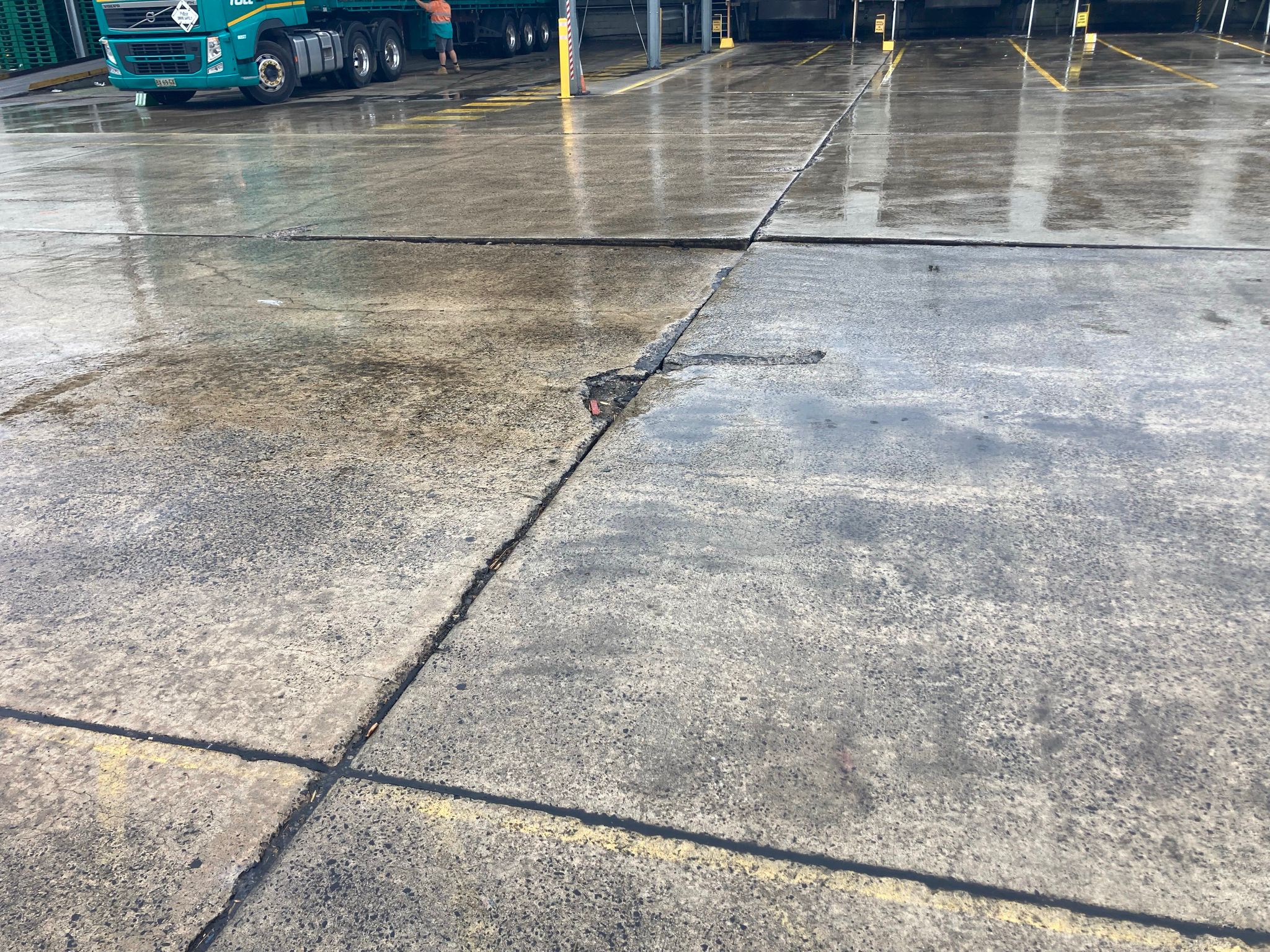
For property managers and owners across the Greater Toronto Area, maintaining commercial driveways is a critical investment that directly impacts property value, safety, and curb appeal. Whether you manage an apartment complex in North York, a hotel in Mississauga, or a commercial plaza in Scarborough, the condition of your driveway speaks volumes about your property before visitors even step through the door.

When your commercial driveway starts showing signs of wear—cracks, potholes, or surface deterioration—you’re faced with an important decision: should you resurface or completely replace it? This choice affects not only your immediate budget but also long-term maintenance costs and property functionality. With Toronto’s harsh freeze-thaw cycles and heavy traffic loads typical of commercial properties, making the right decision requires understanding both options thoroughly.

As experienced concrete repair and concrete restoration contractors serving the GTA for over 30 years, we’ve helped countless property owners navigate this decision. In this guide, we’ll break down everything you need to know about driveway resurfacing versus replacement for commercial properties, so you can make an informed choice that protects your investment.

Understanding Driveway Resurfacing for Commercial Properties

Driveway resurfacing, also known as driveway repaving, involves applying a new layer of asphalt or concrete over your existing driveway surface. Think of it as giving your driveway a fresh top coat without disturbing the foundational layers beneath.

What Does Resurfacing Involve?

The resurfacing process typically includes several key steps:

First, a driveway repaving contractor will thoroughly clean the existing surface, removing debris, vegetation, and any loose material. Next, they’ll address minor cracks and damages with appropriate fillers and sealants. The existing surface is then treated with a bonding agent to ensure proper adhesion. Finally, a new layer of asphalt (typically 1.5 to 2 inches thick) or concrete overlay is applied and compacted or finished.

For commercial properties in Toronto and the GTA, this process usually takes 2-4 days depending on the size of the area and weather conditions. The result is a smooth, attractive surface that can extend your driveway’s life by 8-15 years when properly maintained.

When Is Resurfacing the Right Choice?

Resurfacing works best when your driveway’s foundation and base layers remain structurally sound. Consider resurfacing if your commercial property’s driveway exhibits:

Surface-level damage only: Minor cracks (less than 1/4 inch wide), surface spalling, fading, or weathering that hasn’t penetrated to the base layers. If the damage is primarily cosmetic or limited to the top layer, resurfacing can effectively restore appearance and functionality.

Stable foundation: The driveway sits on a solid, well-compacted base without significant settling, heaving, or drainage issues. You can test this by walking the entire surface—if you don’t feel significant dips, bumps, or soft spots, the foundation is likely sound.

Recent installation: The driveway was installed within the last 15-20 years and hasn’t been previously resurfaced multiple times. Toronto contractors generally recommend that driveways be no more than 20 years old for successful resurfacing.

Budget constraints: You need to improve the driveway’s condition but must work within a tighter budget. Resurfacing typically costs 30-50% less than complete replacement, making it an attractive option for property owners managing multiple locations or facing unexpected expenses.

Adequate drainage: Water flows properly away from the surface without pooling, which is crucial in Toronto’s climate where standing water can freeze and cause rapid deterioration.
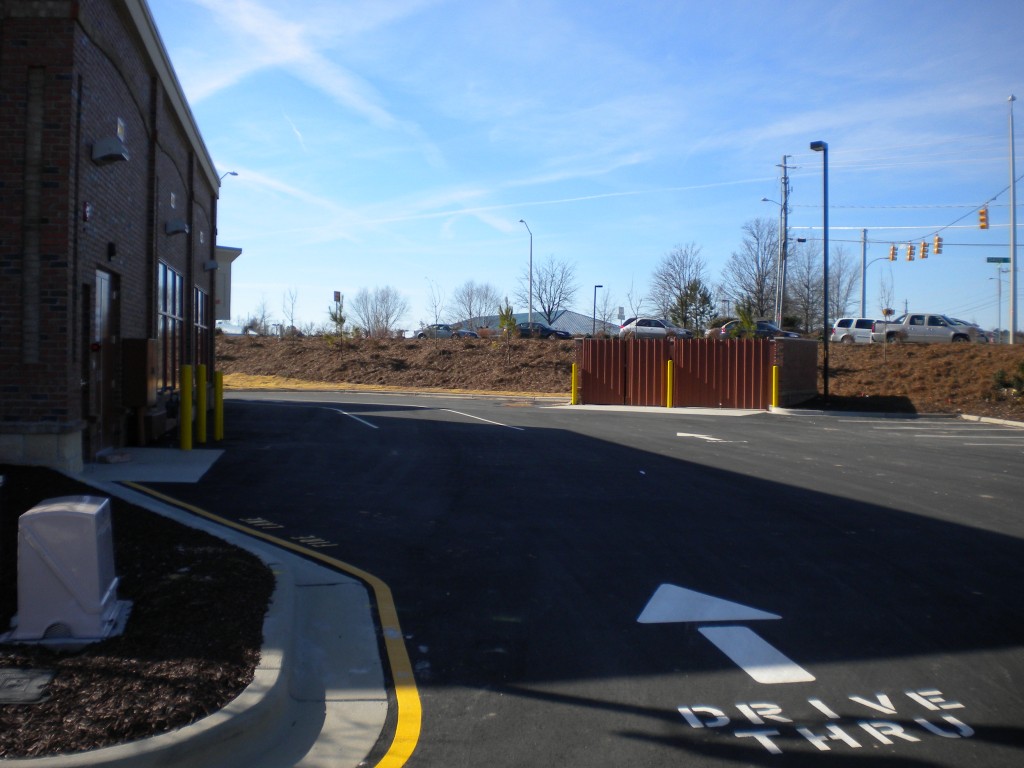
concrete driveway repaving toronto

Understanding Complete Driveway Replacement

Complete driveway replacement is a more comprehensive solution that involves removing the existing driveway entirely—including the base layers—and rebuilding from the ground up. While more expensive and time-consuming, replacement addresses fundamental structural issues that resurfacing cannot fix.

What Does Replacement Involve?

A full replacement project undertaken by concrete restoration contractors includes:

The complete removal and disposal of existing asphalt or concrete, excavation to the appropriate depth (typically 12-18 inches for commercial applications), grading and compacting the subgrade soil, installing proper drainage solutions if needed, laying new base layers (typically 8-10 inches of compacted aggregate for commercial properties), and finally installing a new surface layer of asphalt or concrete designed to handle commercial traffic loads.

For commercial properties in the GTA, complete replacement projects typically take 5-10 days, though larger developments may require more time. This timeline includes proper curing periods, which are essential for long-term performance, especially given Toronto’s climate variations.

When Is Replacement the Better Option?

Despite the higher cost, replacement becomes necessary—and ultimately more cost-effective—when:

Significant structural damage exists: Deep cracks (wider than 1/4 inch), alligator cracking (interconnected cracks forming a pattern resembling alligator skin), large potholes, or widespread crumbling indicate that the damage has penetrated through to the base layers. These issues signal that the foundation itself has failed.

Foundation has failed: You notice settling, heaving, or shifts in the driveway surface. In Toronto and the GTA, freeze-thaw cycles can cause significant ground movement, compromising the base layer over time. If sections of your driveway have sunken or risen noticeably, the foundation needs to be addressed.

Drainage problems persist: Water consistently pools on the surface, creating ice hazards in winter or accelerating deterioration. Poor drainage is a common issue in commercial properties where surrounding landscaping or building additions have altered water flow patterns. Simply resurfacing won’t solve these problems.

Previous resurfacing has failed: The driveway has been resurfaced once or twice before but continues to deteriorate rapidly. This suggests underlying issues that need to be addressed with a complete rebuild.

Age exceeds 25 years: Even well-maintained driveways deteriorate over time, especially under the stress of commercial traffic and Toronto’s extreme weather. Beyond 25 years, the base materials have typically degraded to the point where replacement offers better long-term value.

Traffic load requirements have increased: Your property’s use has intensified—perhaps you’ve added delivery services, increased parking density, or begun accommodating heavier vehicles. The original driveway may not have been engineered for current demands.

Toronto Climate Considerations: How Weather Impacts Your Decision

Toronto’s climate plays a crucial role in driveway longevity and your decision between resurfacing and replacement. As contractors working throughout the GTA, we’ve seen firsthand how local weather patterns affect commercial driveways.

Freeze-Thaw Cycles and Their Impact

Toronto experiences approximately 40-60 freeze-thaw cycles each winter—when temperatures fluctuate above and below freezing. This constant expansion and contraction is particularly brutal on concrete repair work and asphalt surfaces:

Water seeps into small cracks and pores during warmer periods or rainfall. When temperatures drop, that water freezes and expands by approximately 9%, creating pressure that widens cracks and breaks down materials. As it thaws, the weakened material allows more water penetration, and the cycle continues.

Implication for your decision: If your driveway already has cracks that allow water penetration, resurfacing provides only a temporary fix. The damage will continue beneath the new surface. However, if caught early—before water has compromised the base—resurfacing combined with proper sealing can prevent freeze-thaw damage from progressing.

Heavy Snow Loads and Salt Exposure

Commercial properties in Toronto face additional challenges from snow removal operations. Heavy plows, repeated scraping, and chemical de-icers all accelerate surface deterioration:

Industrial salt and de-icing chemicals break down the binder in asphalt and attack the surface of concrete. Snow plow blades create additional surface abrasion, especially when operators hit the surface repeatedly. The weight of snow piles placed consistently in the same areas can cause localized stress and cracking.

Implication for your decision: Surface damage from salt and plowing can often be addressed with resurfacing, restoring a smooth, safe surface for another decade. However, if salt has penetrated deeply or if drainage problems have allowed salt-water mixtures to seep into the base, replacement may be necessary to prevent continued rapid deterioration.

Summer Heat and UV Exposure

While winters get more attention, Toronto’s hot summers also affect driveways. Extended periods above 30°C soften asphalt, making it vulnerable to rutting from heavy vehicles, while UV radiation breaks down binder materials over time, causing oxidation and brittleness.

Implication for your decision: UV damage and minor softening are surface-level issues that resurfacing handles well. Modern resurfacing materials can include UV-resistant additives particularly beneficial for exposed commercial lots in the GTA.

Making Your Decision: Key Factors for Commercial Property Owners

Conduct a Thorough Assessment

Before deciding, have qualified contractors evaluate:

Surface condition: Document crack patterns, pothole locations, surface spalling, and drainage issues with photos and measurements.

Foundation integrity: Professional contractors can use ground-penetrating radar, core sampling, or other techniques to assess base layer condition without extensive excavation.

Drainage performance: Observe water flow during rain events. Standing water indicates grading or drainage problems that require attention.

Traffic patterns and loads: Consider current and anticipated future use. Planning for property expansion or use intensification now can prevent premature failure.

Consider Your Timeline and Property Plans

Your decision should align with broader property management strategies:

Short-term ownership (1-5 years): If selling relatively soon, resurfacing may provide the improved appearance and functionality needed to attract buyers without the full replacement investment.

Long-term ownership (10+ years): Replacement offers better long-term value by resetting the clock on driveway life expectancy, providing 20-30 years of service.

Planned renovations: If other significant property work is scheduled, coordinate driveway work to minimize disruption and potentially share mobilization costs with other contractors.

Evaluate Multiple Professional Opinions

For commercial properties in the GTA representing significant investments, obtain assessments from at least 2-3 qualified contractors. Look for:

Detailed explanations: Contractors should explain their recommendations specifically, pointing out problem areas and explaining why they suggest their chosen approach.

Transparency about limitations: Reputable driveway repaving contractors will honestly discuss what resurfacing can and cannot address, rather than promising solutions that won’t hold up.

Relevant experience: Choose contractors with extensive commercial property experience in Toronto and the GTA who understand local climate challenges, building codes, and the specific needs of multi-unit residential, hospitality, and commercial properties.

Warranty offerings: Compare warranty terms—longer warranties often indicate contractor confidence in their assessment and work quality.

Protecting Your Toronto Commercial Property Investment

The decision between driveway resurfacing and complete replacement isn’t one-size-fits-all. For commercial properties throughout the Greater Toronto Area, the right choice depends on your driveway’s current condition, your budget and timeline, property usage and future plans, and Toronto’s specific climate challenges.

Resurfacing offers an economical solution when your foundation remains sound and damage is primarily surface-level. It provides 8-15 years of additional service at a fraction of replacement cost, making it ideal for property owners with budget constraints or shorter investment timelines.

Complete replacement, while more expensive initially, becomes the better value when foundation problems exist, drainage issues persist, or your driveway has reached the end of its serviceable life. By addressing root causes rather than symptoms, replacement provides 20-30 years of reliable performance that ultimately costs less per year than repeated resurfacing of a failing surface.

At Nusite Group, we’ve served commercial property owners across Toronto and the GTA for over 30 years, providing concrete repair, concrete restoration, and comprehensive foundation solutions. Our experience with the unique challenges facing commercial properties in our climate—from freeze-thaw cycles to heavy traffic loads—allows us to provide honest, accurate assessments that help you make the best decision for your property.

Whether your apartment building in Etobicoke, hotel in Markham, or commercial plaza in Vaughan needs driveway attention, we’re here to help you evaluate your options and execute the solution that best protects your investment.

Ready to assess your commercial driveway? Contact Nusite Group today for a comprehensive evaluation from Toronto’s trusted concrete restoration contractors. With our extensive experience in concrete repair, waterproofing, and commercial restoration throughout the GTA, we’ll provide the honest guidance and expert workmanship your property deserves. Let’s discuss which option—resurfacing or replacement—is right for your specific situation.
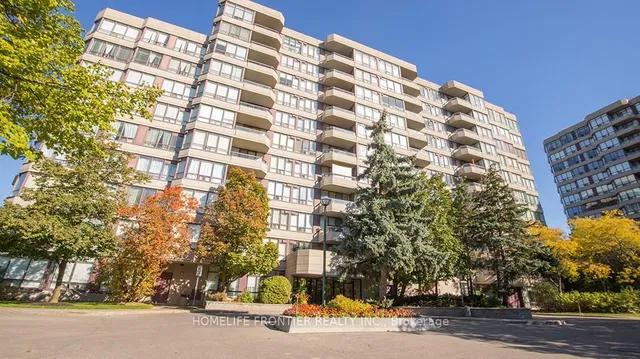
Managing a multi-unit property in the Greater Toronto Area comes with unique challenges, and maintaining concrete driveways ranks high on the list of concerns for property managers. Between harsh winter conditions, constant traffic, and the natural aging process, concrete driveways deteriorate faster in the GTA than in many other regions. For property managers overseeing residential complexes, commercial buildings, or mixed-use developments, the question isn’t whether your driveways will need attention—it’s when, and more importantly, how to address the issue cost-effectively.

The good news is that full replacement isn’t always necessary. Concrete resurfacing offers property managers a budget-friendly alternative that can extend the life of existing driveways by 10-15 years when properly executed. Understanding your options, timing the work strategically, and selecting the right concrete restoration contractor can save your property thousands of dollars while maintaining curb appeal and safety standards that tenants and visitors expect.

Understanding When Your Property’s Driveways Need Resurfacing

Before exploring solutions, property managers need to accurately assess whether resurfacing is the appropriate remedy or if more extensive repairs are required. This evaluation saves time and ensures you’re investing in the right solution from the start.

Signs That Resurfacing is the Right Solution

Concrete resurfacing works best when the underlying structure remains sound but the surface shows wear. Property managers should look for these indicators that resurfacing will be effective:

Surface-level damage including minor scaling, small cracks (less than 1/4 inch wide), light spalling, discoloration from de-icing salts common in Toronto winters, and surface pitting from freeze-thaw cycles. If your driveway has these issues but no significant settling or deep structural cracks, resurfacing is likely your most cost-effective option.

Aesthetic concerns also make excellent candidates for resurfacing. Properties with dated concrete that looks worn but functions properly can benefit tremendously from a fresh surface layer that updates the property’s appearance without the disruption and expense of complete replacement.

When More Extensive Work is Required

Some situations exceed what concrete resurfacing can address. Property managers should recognize when deeper intervention is necessary:

Foundation settlement creates uneven surfaces and requires addressing the underlying soil issues before any surface treatment. Severe cracking—those wider than 1/2 inch or showing vertical displacement—indicates structural problems that resurfacing won’t fix. Water pooling issues suggest improper drainage that needs correction before resurfacing can be successful.

In the GTA, we frequently see properties where decades of freeze-thaw cycles have compromised the concrete’s structural integrity. A qualified concrete restoration contractor can assess whether the base remains solid enough for resurfacing or if sections need replacement.

Cost-Effective Resurfacing Solutions for GTA Property Managers

Property managers have several resurfacing options, each with distinct advantages, costs, and appropriate applications. Selecting the right method depends on your property’s specific conditions, budget constraints, and long-term management strategy.

Concrete Overlay Systems

Concrete overlays involve applying a new layer of concrete or polymer-modified concrete over the existing surface, typically 1/4 to 1 inch thick. This represents one of the most popular choices for property managers in Toronto for good reason.

Cost structure: Overlays generally run between $4-$8 per square foot for materials and labor, significantly less than the $12-$18 per square foot for complete replacement. For a typical 5,000 square foot driveway servicing a multi-unit property, this translates to potential savings of $40,000-$50,000.

Durability in Toronto’s climate: Modern polymer-modified overlays perform exceptionally well in freeze-thaw conditions. The key is proper surface preparation and application during appropriate weather windows, typically late spring through early fall in the GTA.

Application timeline: Most overlay projects complete within 3-5 days, minimizing disruption to tenants. However, curing time means limiting traffic for 5-7 days after application—an important consideration for property access planning.

Micro-Topping and Thin Bonded Systems

For properties where the existing concrete shows minor wear but remains structurally excellent, micro-toppings offer an even more economical solution. These ultra-thin applications (1/8 inch or less) provide a fresh wearing surface.

Property managers appreciate micro-toppings for several reasons. The application is faster than traditional overlays, costs run 20-30% less than standard overlay systems, and tenants experience minimal disruption. These systems work particularly well for properties on regular maintenance schedules, allowing you to address surface wear before it develops into larger problems.

The limitation is that micro-toppings don’t address anything beyond surface-level issues. They’re perfect for preventative maintenance but won’t hide significant imperfections or level uneven areas.

Resurfacing with Decorative Options

Property managers increasingly recognize that driveway resurfacing presents an opportunity to enhance property value beyond simple repair. Stamped overlays, colored concrete, and exposed aggregate finishes cost only marginally more than standard resurfacing while significantly improving curb appeal.

For properties competing in Toronto’s rental market, this aesthetic upgrade can justify higher rents and improve tenant retention. The additional cost—typically $2-$4 per square foot above basic resurfacing—often returns value through reduced vacancy rates and higher property valuations.

Strategic Partial Resurfacing

Properties with large paved areas don’t always require complete resurfacing. A cost-conscious approach involves identifying and addressing the most deteriorated sections while scheduling the remaining areas for future phases.

This strategy offers property managers several advantages. Capital expenses spread across multiple fiscal years, high-traffic areas receive priority attention, and you can adjust future plans based on actual wear patterns. Many GTA property managers find this phased approach easiest to budget and least disruptive to operations.

driveway resurfacing in Toronto

Toronto Climate Considerations for Concrete Driveway Longevity

The Greater Toronto Area’s climate poses specific challenges for concrete driveways that property managers must understand to make informed decisions about resurfacing timing and methods.

Freeze-Thaw Cycle Impact

Toronto typically experiences 40-60 freeze-thaw cycles annually—periods when temperatures cross the freezing point. Water penetrating concrete expands when frozen, creating pressure that causes scaling, spalling, and cracking. This cycle is the primary culprit behind accelerated concrete deterioration in our region.

Properly executed concrete resurfacing with modern materials significantly improves resistance to freeze-thaw damage. Polymer-modified overlays, in particular, offer reduced permeability that limits water infiltration. Property managers should ensure contractors specify low water-cement ratios and appropriate air entrainment in resurfacing mixes—critical factors for Toronto applications.

De-Icing Salt Damage

Ontario winters mean salt application is unavoidable, but sodium chloride and other de-icing chemicals accelerate concrete deterioration. Property managers walking this tightrope between safe surfaces and concrete preservation need resurfacing solutions that address salt damage.

Modern resurfacing products can include penetrating sealers that create a protective barrier against salt infiltration. Applied correctly, these treatments extend the life of resurfaced driveways by 3-5 years in salt-exposed environments. The investment in quality sealers—typically adding $1-$2 per square foot—pays dividends in reduced future repair costs.

Optimal Timing for Resurfacing Projects

Temperature and moisture conditions dramatically affect resurfacing success. In the GTA, property managers should target these windows:

Ideal conditions: Late May through September offers consistently favorable temperatures (15-25°C) with lower humidity and minimal precipitation. Concrete cures optimally in these conditions, maximizing bond strength and durability.

Acceptable with precautions: April, early May, and October can work if contractors take appropriate measures for temperature control and protection from precipitation. Extended curing times may be necessary.

Avoid: November through March presents too many risks. Cold temperatures prevent proper curing, moisture management becomes problematic, and the likelihood of project delays increases substantially.

Property managers should plan resurfacing projects 6-8 months ahead, securing contractor availability during peak season while allowing flexibility for weather-related scheduling adjustments.

Winter Preparation and Maintenance

Even the best concrete resurfacing requires proper winter maintenance to maximize longevity. Property managers should implement protocols that protect their investment:

Use calcium magnesium acetate instead of traditional rock salt where possible—it’s less damaging to concrete while remaining effective for ice control. Ensure proper drainage to prevent water pooling and freezing. Schedule fall inspections to identify and seal any minor cracks before winter. These preventative measures significantly extend the time between resurfacing needs.

Choosing the Right Concrete Restoration Contractor in the GTA

Selecting a qualified contractor might be the most critical decision property managers make in the resurfacing process. The difference between a contractor who understands commercial property needs and one who doesn’t can mean the difference between a 10-year solution and costly repairs within 2-3 years.

Essential Qualifications and Experience

When vetting contractors for your property, property managers should verify several key qualifications. Look for established businesses with substantial commercial experience—residential driveway work differs significantly from commercial property applications in scale, traffic management, and durability requirements.

Contractors should provide proof of WSIB coverage and comprehensive liability insurance, protecting your property from liability if accidents occur. Request references from other property managers or commercial clients, specifically asking about project completion timelines, budget adherence, and long-term performance.

Experience with Toronto’s specific climate conditions matters enormously. Contractors familiar with local freeze-thaw cycles, appropriate materials for GTA conditions, and seasonal timing considerations deliver superior results.

Understanding Project Specifications

Qualified concrete restoration contractors provide detailed specifications before work begins. Property managers should expect documentation covering surface preparation methods, materials specifications including mix designs, application procedures and quality control measures, curing protocols, and warranty terms.

Be wary of contractors offering significantly lower bids without detailed specifications—corners cut during application almost always result in premature failure and higher long-term costs.

Traffic Management and Tenant Communication

Commercial properties require minimal disruption to operations. Experienced contractors develop comprehensive plans for phased work that maintains access, creates clear signage and barriers, provides realistic timelines for each phase, and coordinates with property management on tenant communication.

Property managers should discuss these logistics upfront, ensuring contractors understand your property’s specific access requirements and peak usage times.

Realistic Budgeting and Timeline Expectations

For GTA property managers, realistic budgeting for quality concrete resurfacing includes understanding the full project scope. A typical 5,000 square foot commercial driveway resurfacing project might break down as follows:

Surface preparation and repairs: $5,000-$8,000, depending on existing condition. Overlay material and application: $20,000-$40,000, varying with overlay type and thickness. Sealer application: $2,000-$4,000 for quality penetrating sealers. Traffic management and signage: $1,000-$2,000 for proper setup. Warranty and follow-up service: typically included but verify terms.

Total project costs for comprehensive resurfacing typically range from $28,000-$54,000 for this size project—substantial savings compared to $60,000-$90,000 for complete replacement.

Timeline-wise, property managers should expect 2-3 weeks from project start to full traffic resumption, including preparation, application, curing time, and final sealing.

Making the Right Decision for Your Property

Concrete driveway resurfacing represents one of the smartest investments property managers in the Greater Toronto Area can make. When timed appropriately and executed by qualified professionals, resurfacing extends driveway life at a fraction of replacement costs while maintaining the safety and aesthetics your tenants expect.

The key to successful resurfacing lies in accurate assessment of your property’s current condition, selection of appropriate resurfacing methods for Toronto’s climate, strategic timing that minimizes disruption, and partnership with experienced contractors who understand commercial property requirements.

Property managers who take a proactive approach—addressing surface deterioration before it becomes structural failure—consistently achieve the best outcomes both financially and operationally. Regular inspections, preventative maintenance, and strategic resurfacing create a sustainable cycle that maximizes property value while controlling capital expenses.

Your Next Steps

If your property’s driveways show signs of wear, don’t wait until minor issues become major expenses. A professional assessment can determine whether resurfacing offers the cost-effective solution you need or if other interventions are required.

Nusite Group brings over 30 years of experience in concrete restoration and waterproofing services throughout the Greater Toronto Area. Our team understands the unique challenges Toronto’s climate presents and delivers solutions engineered for long-term performance. From commercial properties to multi-unit residential complexes, we provide the foundation and waterproofing applications that property managers trust.

Whether you manage a single building or an extensive property portfolio, our expertise in concrete resurfacing, foundation repair, and commercial restoration ensures your project is completed on time, within budget, and built to last through decades of Canadian winters.

Contact Nusite Group for a comprehensive property assessment and detailed proposal tailored to your specific needs and budget. Let us show you why Toronto property managers have relied on our expertise for over three decades.

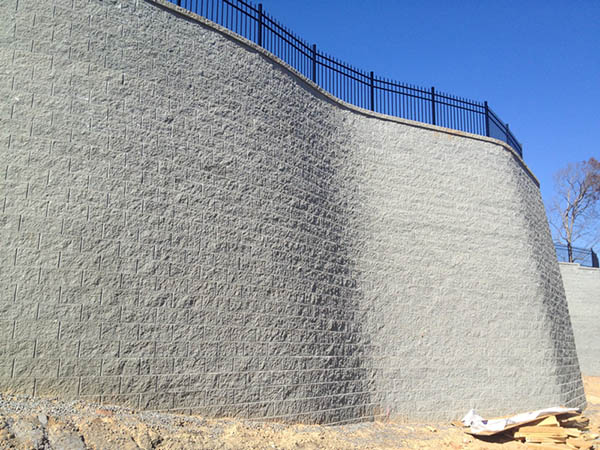
Retaining walls serve as critical infrastructure throughout the Greater Toronto Area, holding back thousands of tons of soil on commercial properties, municipal parks, roadways, and institutional campuses. When these structures fail, the consequences extend far beyond aesthetic concerns—collapsed retaining walls can damage buildings, compromise utilities, create dangerous conditions for pedestrians and vehicles, and trigger liability issues that cost property owners hundreds of thousands of dollars.

For commercial property managers and municipal facility operators in the GTA, the question isn’t whether your retaining walls will eventually need attention. The real question is whether you’ll address structural concerns proactively through strengthening measures or reactively after a failure occurs. The difference between these approaches can mean the difference between a $30,000 preventative strengthening project and a $200,000 emergency reconstruction after a collapse.

Toronto’s unique climate—with severe freeze-thaw cycles, heavy spring runoff, and aging infrastructure throughout the city—accelerates retaining wall deterioration. Understanding the warning signs, knowing your strengthening options, and working with experienced concrete restoration contractors ensures these essential structures continue protecting your property safely and cost-effectively for decades to come.

Recognizing When Commercial Retaining Walls Need Strengthening

Early detection of retaining wall problems provides the widest range of cost-effective solutions. Property managers and municipal operators who conduct regular inspections and understand critical warning signs can intervene before minor issues escalate into structural failures.

Visual Indicators of Structural Compromise

Several observable signs indicate a retaining wall requires professional assessment and likely strengthening intervention. Property managers should document and monitor these conditions:

Outward movement or bulging represents one of the most serious warning signs. Even slight forward lean—as little as 1-2 inches over the wall’s height—indicates the structure is losing its battle against soil pressure. In Toronto, we frequently see this develop gradually over years as freeze-thaw cycles and water infiltration progressively undermine wall stability.

Cracking patterns tell important stories about what’s happening structurally. Horizontal cracks running along mortar joints or through concrete blocks suggest the wall is bending under excessive pressure. Vertical cracks near wall corners or stepped cracks following mortar lines indicate differential settlement or inadequate reinforcement. While minor surface cracks may be cosmetic, widening cracks—especially those exceeding 1/4 inch—demand immediate professional evaluation.

Drainage issues and water staining often precede structural failure. Efflorescence (white mineral deposits), rust staining from reinforcement corrosion, or consistently wet areas below the wall indicate water isn’t draining properly. In the GTA’s clay-heavy soils, poor drainage creates hydrostatic pressure that can easily exceed the wall’s design capacity, particularly during spring thaw when groundwater levels peak.

Hidden Structural Concerns

Not all critical retaining wall problems are visible from casual observation. Property managers should be alert to these additional indicators:

Soil erosion around the wall’s base or showing through weep holes suggests the backfill is washing away, removing crucial support. Settlement or cracking in adjacent pavement, sidewalks, or structures indicates the retained soil mass is shifting. Tilting fence posts or damaged landscaping above the wall often signal soil movement that’s stressing the wall structure.

For commercial and municipal properties in Toronto built before 2000, many retaining walls were constructed without modern engineering standards, adequate drainage systems, or proper reinforcement. These older structures may show no obvious distress yet lack the structural capacity to meet current safety requirements—particularly as they age and material properties degrade.

Climate-Driven Deterioration in the GTA

Toronto’s climate creates specific retaining wall challenges that property managers must understand. Our region experiences pronounced freeze-thaw cycles that cause water trapped behind walls to expand, generating immense pressure. The GTA’s clay soils expand when wet and contract when dry, creating cyclical stress on retaining structures. Spring snowmelt and heavy rainfall events can saturate soil rapidly, dramatically increasing lateral loads.

These factors mean that retaining walls in the Greater Toronto Area deteriorate faster than similar structures in more moderate climates. A wall that might last 50 years in a temperate region may require strengthening after just 20-30 years in Toronto—sooner if drainage was inadequate in the original design.

repair retaining walls toronto

Strengthening Methods for Existing Retaining Walls

When assessment confirms a retaining wall needs reinforcement, property managers have several proven strengthening approaches. The optimal method depends on the wall’s condition, failure mode, site constraints, and budget considerations.

Soil-Side Reinforcement and Tiebacks

For walls showing outward movement or inadequate capacity to resist soil pressure, soil-side reinforcement provides highly effective strengthening. This approach involves installing ground anchors or tiebacks that extend deep into stable soil behind the wall, creating tension elements that counteract the forward pressure.

Helical tiebacks consist of steel shafts with helical plates that screw into the soil behind the wall. These anchors connect to the wall face through steel rods or cables, pulling the structure back against the soil mass. Property managers appreciate this method because installation requires minimal excavation—crews can often complete work without disrupting operations on either side of the wall.

Deadman anchors use buried concrete or steel masses connected to the wall through tension rods. While effective, this traditional approach requires more extensive excavation behind the wall and typically costs 30-40% more than helical systems for equivalent capacity.

For commercial properties in Toronto, tieback systems offer particular advantages. Installation can proceed year-round with appropriate frost protection measures, the work causes minimal disruption to tenants or adjacent properties, and the strengthening is largely invisible—important for properties where aesthetics matter.

Cost considerations for tieback strengthening typically range from $150-$300 per linear foot depending on wall height, soil conditions, and required anchor capacity. For a 50-foot section of failing 8-foot tall retaining wall, property managers should budget $7,500-$15,000 for comprehensive tieback reinforcement—substantially less than the $40,000-$60,000 cost of complete wall replacement.

Structural Buttressing and Counterfort Systems

When access behind the wall is limited or soil conditions make tiebacks impractical, structural buttressing strengthens walls from the front. This method involves constructing reinforced concrete buttresses at intervals along the wall face, creating additional support that resists the outward pressure.

Buttress spacing and size depend on the specific loads and wall condition, but typical designs place buttresses every 8-12 feet for residential-height walls. While buttressing reduces usable space in front of the wall, it provides extremely robust strengthening and can often salvage walls that are significantly compromised.

For municipal projects and commercial properties where space permits, buttressing offers excellent long-term reliability. The additional concrete mass also provides thermal protection that reduces freeze-thaw cycling in the original wall—extending overall structure life.

Concrete Restoration and Reinforcement Enhancement

Walls with sound structural alignment but deteriorated concrete or inadequate reinforcement benefit from restoration and enhancement techniques. These approaches strengthen the existing structure without adding major new components.

Shotcrete overlay systems involve applying reinforced concrete over the existing wall face, typically 2-4 inches thick with welded wire fabric or rebar reinforcement. This method significantly increases wall capacity while addressing surface deterioration. For Toronto applications, modern shotcrete mixes with air entrainment and low permeability provide excellent freeze-thaw resistance.

Property managers should expect shotcrete strengthening costs of $40-$80 per square foot of wall area, including surface preparation, reinforcement installation, and concrete application. This positions shotcrete as a mid-range option—more expensive than tiebacks for simple strengthening but more economical than complete replacement while substantially extending wall life.

Fiber-reinforced polymer (FRP) strengthening represents newer technology that’s gaining adoption for certain applications. Carbon fiber or fiberglass sheets bonded to the wall face with epoxy resins can significantly increase flexural strength and crack resistance. While FRP systems work exceptionally well in some situations, Toronto’s temperature extremes require careful material selection and installation protocols to ensure long-term bond integrity.

Drainage Improvement as Strengthening Strategy

Many retaining wall problems stem from inadequate drainage rather than insufficient structural capacity. For walls with good alignment but showing signs of water pressure damage, drainage improvements can effectively “strengthen” the structure by reducing the loads it must resist.

Comprehensive drainage upgrades include installing or rehabilitating weep holes, adding perforated drain pipes behind the wall connected to proper outlets, placing free-draining granular backfill adjacent to the wall, and improving surface water management to prevent water from entering behind the wall.

The beauty of drainage-focused strengthening is cost-effectiveness. Property managers can often address significant wall stability issues for $50-$150 per linear foot—less than half the cost of structural strengthening methods. Combined with modest structural repairs, drainage improvements provide excellent value when walls haven’t yet developed serious structural deficiencies.

Safety Regulations and Building Code Compliance in Toronto

Retaining walls on commercial and municipal properties in the Greater Toronto Area must comply with Ontario Building Code (OBC) requirements and municipal regulations. Understanding these standards helps property managers recognize when strengthening becomes legally necessary, not just advisable.

Structural Safety Requirements

The Ontario Building Code establishes minimum structural safety standards for retaining structures. Walls exceeding 1.0 meters (approximately 3.3 feet) in height generally require engineered design and construction permits. For walls over 1.5 meters, professional engineering is mandatory, with design accounting for soil properties, surcharge loads, seismic considerations, and environmental factors including freeze-thaw effects.

When strengthening existing retaining walls, property managers should recognize that major structural modifications trigger current code compliance requirements. Simply repairing a failing wall doesn’t exempt the project from modern safety standards—if the work involves substantial strengthening, the wall must meet current OBC provisions.

Liability Considerations for Property Owners

Commercial property owners and municipal operators face significant liability if retaining wall failures cause injury or property damage. Toronto courts have consistently held property owners responsible when inadequate maintenance or delayed repairs lead to foreseeable failures.

From a risk management perspective, documented regular inspections and timely response to identified deficiencies provide important liability protection. Property managers should maintain records of periodic inspections, document any observed changes or developing issues, and obtain professional engineering assessments when warning signs appear and implement recommended strengthening measures promptly.

This documentation becomes critical if wall failure occurs—demonstrating proactive monitoring and good faith efforts to maintain the structure can significantly reduce liability exposure even if the failure causes damage.

Municipal Permit Requirements

Most retaining wall strengthening projects in Toronto require building permits, particularly when structural modifications occur. Property managers should engage contractors experienced with municipal permitting processes who can prepare necessary documentation including structural drawings and engineering specifications, soil reports when required, and construction plans addressing safety and erosion control.

Permit timelines vary, but property managers should expect 4-8 weeks for permit approval on straightforward strengthening projects. Complex situations may require longer review periods, particularly if the work affects municipal right-of-way or involves walls near property boundaries.

Preventing Future Retaining Wall Deterioration

After investing in retaining wall strengthening, property managers benefit enormously from implementing preventative maintenance programs that protect the investment and minimize future intervention needs.

Regular Inspection Protocols

Systematic inspection catches developing problems early when solutions remain simple and economical. Commercial and municipal property managers should establish biannual inspection routines—typically spring and fall—documenting wall condition through photographs and written observations.

Key inspection points include checking for new cracks or crack growth, verifying proper drainage function through weep holes, examining wall alignment using a level or plumb bob, assessing any vegetation growth that might damage the structure, and evaluating conditions of adjacent areas including pavement and landscaping.

Early detection of minor issues allows intervention before significant deterioration occurs. A $500 crack repair today can prevent a $15,000 strengthening project five years later.

Drainage Maintenance

Effective drainage represents the single most important factor in long-term retaining wall performance. Property managers should implement routine maintenance that keeps drainage systems functioning optimally.

This includes clearing weep holes and drain outlets at least twice yearly, ensuring downspouts and surface water direct away from the wall, removing debris and vegetation that blocks drainage paths, and inspecting and cleaning subsurface drainage systems periodically.

In Toronto’s climate, special attention to drainage before winter prevents ice formation that can damage walls. Similarly, spring inspections after snowmelt help identify any damage that occurred during winter months.

Vegetation Management

Tree and shrub roots can exert tremendous pressure on retaining walls while disrupting drainage systems. Property managers should avoid planting large trees within 10-15 feet of retaining walls and remove volunteer tree growth behind or near walls promptly. Even ornamental plantings should be selected carefully—deep-rooted species belong away from wall areas.

That said, appropriate groundcover vegetation on slopes above walls can reduce erosion and water infiltration. Property managers should consult with landscape professionals familiar with retaining wall environments to select beneficial plantings.

Winter Protection Measures

Toronto winters create harsh conditions for retaining walls. Property managers can reduce seasonal damage through several protective measures including avoiding snow piling against walls during clearing operations, using calcium chloride or calcium magnesium acetate de-icing products rather than sodium chloride which accelerates concrete deterioration, and promptly repairing any cracks before winter to prevent water infiltration and freeze-thaw damage.

These preventative measures require minimal investment but substantially extend strengthened wall life—helping property managers maximize their strengthening project ROI.

Making Strategic Decisions About Wall Strengthening

Retaining wall strengthening represents a significant capital investment, and property managers need frameworks for making sound decisions about timing, scope, and methodology.

Cost-Benefit Analysis Framework

When evaluating whether to strengthen existing walls versus complete replacement, property managers should consider several factors. If the existing wall has good alignment and sound foundation with deterioration limited to upper portions or surface damage, strengthening typically costs 40-60% less than replacement while achieving similar service life extension.

However, walls with foundation problems, extensive structural damage throughout, or original construction that was grossly inadequate may prove false economy to strengthen. In these situations, the more substantial investment in replacement provides better long-term value.

Professional structural assessment by engineers experienced with retaining walls provides the foundation for these decisions. The $2,000-$5,000 spent on comprehensive engineering evaluation often saves tens of thousands by identifying the most cost-effective solution.

Timing Strategic Interventions

The optimal timing for retaining wall strengthening balances risk management against capital planning constraints. Property managers should consider strengthening when visible warning signs appear such as cracking, movement, or drainage issues; the wall approaches or exceeds its original design life (typically 30-50 years); adjacent development or changes in use increase loading; or property improvements make wall failure increasingly costly.

Waiting until emergency conditions develop almost always costs more—both because of higher repair costs under urgent timelines and potential costs from damage the failure causes. Proactive strengthening when inspections first identify concerns provides the most favorable cost outcomes.

Protecting Your Commercial Property Investment

Retaining walls throughout the Greater Toronto Area represent critical infrastructure that property managers cannot afford to neglect. Whether supporting parking areas, creating level building pads, or stabilizing slopes on institutional campuses, these structures require attention to maintain safety and protect property values.

The commercial and municipal property managers who achieve the best outcomes approach retaining walls proactively—conducting regular inspections, addressing problems while they remain manageable, and investing in quality strengthening solutions when assessment indicates the need. This proactive approach consistently delivers better safety outcomes, lower total costs, and fewer operational disruptions than reactive responses to wall failures.

Toronto’s challenging climate and aging infrastructure inventory mean that retaining wall strengthening will remain an ongoing need throughout the region. Property managers who develop relationships with qualified contractors and engineers position themselves to address these needs efficiently when they arise.

Partner With Proven Concrete Strengthening Expertise

Nusite Group has strengthened and restored retaining walls throughout the Greater Toronto Area for over 30 years. Our team brings the engineering expertise, construction capabilities, and project management experience that commercial and municipal clients require for successful retaining wall strengthening projects.

We understand Toronto’s unique climate challenges and soil conditions, providing solutions engineered for long-term performance through decades of freeze-thaw cycles and challenging weather. From initial structural assessment through final construction and beyond, we deliver the comprehensive foundation and concrete restoration services that property managers trust.

Whether your property requires tieback installation, structural buttressing, shotcrete overlay, or comprehensive drainage improvements, our experienced crews complete projects on schedule with minimal disruption to your operations. Our commitment to quality workmanship and attention to detail has made us the concrete restoration contractor that Toronto property managers rely on for critical infrastructure projects.

Contact Nusite Group today for a professional retaining wall assessment. Let us evaluate your property’s specific conditions and develop cost-effective strengthening solutions that protect your investment, ensure safety, and provide decades of reliable performance.

Property owners throughout the Greater Toronto Area face a common and frustrating problem: concrete slabs that sink, settle, and create uneven surfaces across driveways, walkways, patios, and building entries. What begins as a minor cosmetic annoyance, perhaps a small lip where two concrete sections meet, can rapidly evolve into serious safety hazards, water drainage problems, and structural concerns that threaten both property values and liability exposure.

The challenge isn’t just that concrete sinks. The real issue is that most property owners don’t understand why it happens, whether the problem will worsen, or what repair options actually provide permanent solutions versus temporary fixes that fail within a few years. In Toronto’s unique environment—with expansive clay soils, dramatic seasonal moisture changes, and harsh freeze-thaw cycles, concrete settlement occurs more frequently and progresses faster than in many other regions.

For property owners confronting sinking concrete, understanding the underlying causes, recognizing when immediate action becomes necessary, and selecting the right repair approach can mean the difference between a permanent $3,000-$5,000 solution and repeatedly spending money on repairs that don’t address the root problem. More critically, addressing settled concrete before someone trips and sustains injury can prevent costly liability claims that haunt property owners for years.

Why Concrete Slabs Sink: Understanding the Root Causes

Concrete doesn’t sink because the material itself fails—concrete maintains its strength indefinitely under normal conditions. Instead, settlement occurs when the soil supporting the slab fails to maintain stable support. Understanding these underlying causes helps property owners determine the most effective repair strategy for their specific situation.

Soil Consolidation and Compaction Issues

The most common cause of concrete settlement stems from inadequate soil preparation before the original concrete placement. When contractors fail to properly compact fill soil or base materials, the soil gradually consolidates under the concrete’s weight and any additional loads placed upon it. This compression happens slowly—sometimes over years or decades—but inevitably results in voids developing beneath the slab that allow it to sink.

In the GTA, this problem manifests particularly with properties built during rapid development periods when construction quality varied significantly. Properties constructed in the 1970s through 1990s, especially those built on former agricultural land or filled ravine areas, frequently experience settlement issues as poorly compacted soils finally stabilize under decades of loading.

Clay soil expansion and contraction creates another dimension to consolidation problems unique to Toronto’s soil conditions. The region’s clay-rich soils expand when wet and shrink during dry periods. This cyclical movement, which can amount to several inches of vertical soil displacement, gradually works soil particles into a denser configuration, creating settlement over time even when original compaction was adequate.

Water-Related Soil Erosion

Water infiltration beneath concrete slabs represents perhaps the most damaging settlement cause because it can accelerate quickly once started. Several mechanisms allow water to erode supporting soil:

Downspout discharge directed toward concrete areas washes soil particles from beneath slabs, creating voids. Property owners in Toronto frequently overlook this issue, allowing years of spring runoff and summer storms to progressively hollow out the soil base. Broken or leaking water supply lines beneath slabs can wash away tremendous amounts of soil. Even small leaks running continuously for months or years create substantial voids. Poor surface drainage that allows water to pond against or flow along concrete edges slowly infiltrates and carries away fine soil particles.

The challenge with erosion-driven settlement is that the damage often remains hidden until substantial voids develop. Property owners may notice only minor sinking initially, unaware that significant erosion has occurred beneath the visible settled area—meaning the problem will continue progressing even without additional water infiltration.

Organic Material Decomposition

When contractors place concrete over soil containing organic matter—roots, stumps, vegetation, or topsoil—the organic material eventually decomposes, creating voids that allow settlement. This cause appears less frequently on professional commercial construction but remains common on residential properties where fill areas may contain buried organic debris.

In Toronto’s older neighborhoods, particularly properties developed before modern land clearing requirements, buried tree stumps and organic-rich fill beneath driveways and walkways frequently cause settlement decades after construction. The decomposition timeline varies, but significant settlement often manifests 15-30 years after construction as buried materials fully break down.

Freeze-Thaw Soil Displacement

Toronto’s climate adds a unique settlement mechanism through freeze-thaw effects on soil beneath concrete. When water in soil freezes, it expands and can lift concrete slabs slightly. The subsequent thaw allows soil particles to migrate into new positions under the slab’s weight. Repeated over dozens of freeze-thaw cycles each winter, this process gradually displaces soil from beneath concrete edges and creates settlement patterns.

This freeze-thaw mechanism explains why property owners often notice concrete settlement worsening during spring—the cumulative effect of winter’s freeze-thaw cycles becomes apparent as the ground thaws completely and soil consolidates into its new, less supportive configuration.

Heavy Loading and Vibration

Vehicle traffic, especially heavier trucks and delivery vehicles on driveways not designed for such loads, can progressively compact underlying soil and contribute to settlement. Similarly, properties near major roads or rail lines experience constant vibration that can accelerate soil consolidation beneath concrete slabs.

For commercial properties in Toronto’s industrial areas or along major transportation corridors, this vibration-induced settlement represents an ongoing challenge. Regular inspections and proactive repairs become essential to managing concrete surfaces subject to these constant stress factors.

sinking concrete repair toronto

Permanent Repair Solutions for Settled Concrete

Property owners have three primary approaches to repairing sinking concrete, each with distinct advantages, limitations, and appropriate applications. Understanding these methods helps in selecting the solution that provides genuinely permanent results for specific settlement situations.

Polyurethane Foam Injection (Polyjacking)

Modern polyurethane foam injection has revolutionized concrete repair over the past two decades, offering significant advantages over traditional methods. The process involves drilling small holes (typically 5/8 inch diameter) through the settled concrete, then injecting expanding polyurethane foam beneath the slab. As the foam expands, it fills voids, compacts loose soil, and lifts the concrete back to its original level.

Advantages for GTA property owners include minimal disruption—work usually completes in hours rather than days, with the concrete ready for full use within 15-30 minutes. The lightweight foam (2-4 pounds per cubic foot) adds virtually no additional load to already compromised soil. Polyurethane is waterproof and won’t wash away like some traditional materials. The injection process works effectively in cold weather, allowing repairs outside typical construction season in Toronto.

Cost considerations for polyurethane injection typically range from $5-$15 per square foot of lifted area, depending on the extent of settlement and void size. A typical residential driveway section repair might cost $800-$2,000, while larger commercial applications can reach $3,000-$8,000. While more expensive per square foot than mudjacking, the durability and minimal disruption often justify the premium.

Limitations exist primarily when settlement stems from ongoing water infiltration or when concrete has severe structural damage beyond just settlement. Property owners must address drainage issues before or concurrent with foam injection—otherwise, continued erosion will undermine the repair. Additionally, if concrete has cracked into small pieces, foam injection may not hold the slab together adequately.

Mudjacking (Slabjacking)

Traditional mudjacking involves pumping a cement-based slurry beneath settled concrete through drilled holes, typically 1.5-2 inches in diameter. The slurry fills voids and provides hydraulic pressure that lifts the slab. Once the slab reaches proper elevation, the mixture hardens to create permanent support.

Advantages include lower material costs compared to polyurethane, proven performance over decades of use, and excellent results when properly executed with good drainage conditions. For large commercial projects where cost considerations outweigh other factors, mudjacking often provides the most economical solution.

Cost range for mudjacking typically falls between $3-$8 per square foot, making it 30-40% less expensive than polyurethane injection for equivalent projects. Property owners should budget $600-$1,500 for typical residential driveway section repairs, or $2,000-$5,000 for larger commercial areas.

Drawbacks that affect Toronto applications include the added weight of slurry (100+ pounds per cubic foot) which can stress already weak soil, larger injection holes that remain visible after repair, longer cure times before traffic can resume (typically 24-48 hours), and susceptibility to future erosion if water continues infiltrating. In the GTA’s freeze-thaw environment, the cement-based slurry can also experience some deterioration over time if water infiltration occurs.

Strategic Concrete Replacement

When settlement is severe, concrete has extensive structural damage, or underlying soil conditions are extremely poor, complete replacement may provide the only truly permanent solution. This involves removing failed sections, properly preparing the base with adequate compaction and drainage, and placing new concrete to appropriate specifications.

When replacement makes sense includes situations where concrete has settled more than 3-4 inches, extensive cracking has fragmented the slab beyond cohesive lifting, ongoing water infiltration or soil issues cannot be adequately resolved, or the concrete has reached the end of its service life anyway (typically 40-60 years in Toronto’s climate).

Cost implications for replacement are substantial—typically $10-$18 per square foot for standard applications. A driveway section that might cost $1,500 to lift with foam injection could require $4,000-$7,000 for complete replacement. However, replacement allows addressing all underlying issues comprehensively and provides an opportunity to upgrade to thicker concrete, better reinforcement, or improved drainage—potentially preventing future problems.

Choosing the Right Method

Property owners should consider several factors when selecting repair approaches. For minor settlement (under 2 inches) with stable soil conditions, polyurethane injection typically provides optimal results. Moderate settlement on commercial properties where cost control is critical makes mudjacking attractive. Severe settlement, extensively damaged concrete, or situations with unresolved drainage issues often require replacement for reliable long-term results.

Working with experienced concrete repair contractors in the GTA who can accurately assess soil conditions, drainage situations, and concrete condition ensures selection of the method most likely to provide permanent results for your specific circumstances.

Preventing Future Concrete Settlement

After investing in concrete repair, property owners benefit enormously from implementing preventative measures that protect the investment and minimize recurrence risks.

Proper Water Management

Effective water management represents the single most important factor in preventing concrete settlement. Property owners should ensure downspouts discharge at least 6 feet away from concrete areas, ideally into proper drainage systems rather than simply onto the ground. Surface grading should slope away from all concrete slabs at minimum 2% grade (1/4 inch per foot). Any cracks in concrete should be sealed to prevent water infiltration beneath slabs.

In Toronto’s wet springs and heavy summer storms, these drainage fundamentals make the difference between stable concrete and progressive settlement. Even properly repaired slabs will eventually settle again if water continues infiltrating and eroding soil beneath them.

Soil Maintenance Considerations

Property owners can take several steps to maintain stable soil conditions beneath concrete. Avoid planting large trees within 10-15 feet of concrete slabs—roots can displace soil and create settlement. Maintain consistent soil moisture when possible—dramatic wet/dry cycles accelerate clay soil expansion and contraction. For new concrete projects, insist on proper base preparation with mechanical compaction and appropriate base materials.

Regular Inspection Protocols

Early detection of settlement allows intervention before problems become severe. Property owners should walk their concrete surfaces twice yearly—spring and fall—looking for new settlement development, widening cracks, or water pooling that indicates drainage issues. Pay particular attention to concrete edges where settlement often begins first.

Documenting conditions through photographs creates a record that helps identify whether settlement is progressing and how quickly. This information proves valuable for determining when repairs become necessary and for tracking whether previous repairs continue performing adequately.

Making Informed Decisions About Concrete Repair

Property owners facing sinking concrete need frameworks for deciding when to repair, which method to employ, and whether to attempt solutions themselves or engage professional contractors.

Assessing Safety and Liability Concerns

Settled concrete creates trip hazards that expose property owners to liability. Height differences as small as 1/4 inch can cause trips, but risks escalate dramatically once differential exceeds 1/2 inch. Ontario courts have held property owners liable for injuries from known hazards that weren’t addressed—making documented awareness of settlement issues without timely repair particularly problematic from liability perspective.

Commercial property owners and landlords face heightened scrutiny. Regular inspections and documented repairs demonstrate duty of care. Conversely, allowing known settlement hazards to persist invites liability claims that can far exceed repair costs. A $2,000 repair looks very economical compared to a $50,000 personal injury settlement.

Economic Analysis of Repair Timing

Property owners often wonder whether to repair the settlement immediately or delay until problems worsen. Several factors favor early intervention. Settlement typically accelerates over time as voids enlarge and more soil erodes. Small repairs cost substantially less than major repairs—addressing a slightly settled driveway edge for $800 beats waiting until extensive settlement requires $3,500 in repairs. Early repairs before concrete develops structural cracks expand repair options.

The only situation where delaying makes sense is when property owners plan other work that will disturb the area anyway—in that case, coordinating repairs with other projects may reduce total costs.

Selecting Qualified Concrete Repair Contractors

The difference between permanent repairs and repeated failures often comes down to contractor quality. Property owners should verify that concrete contractors have specific experience with concrete leveling and soil stabilization, can explain why settlement occurred and how the proposed solution addresses root causes, provide warranties on both materials and workmanship (typically 3-5 years for reputable contractors), and carry adequate liability insurance and WSIB coverage.

In Toronto’s competitive contractor market, property owners should obtain multiple quotes—but recognize that the lowest bid may indicate corner-cutting that leads to premature failure. Mid-range quotes from established contractors typically deliver best value.

Protecting Your Property Investment

Sinking concrete represents more than just an aesthetic concern—it’s a safety hazard, a liability risk, and a problem that worsens without intervention. Property owners throughout the Greater Toronto Area who address settlement proactively, selecting appropriate repair methods and implementing preventative measures, consistently achieve better outcomes and lower total costs than those who delay repairs until problems become severe.

Toronto’s challenging climate and soil conditions mean concrete settlement will remain an ongoing concern throughout the region. Property owners who develop relationships with qualified concrete repair contractors position themselves to address settlement efficiently when it develops, before minor issues escalate into major expenses.

The key to successful concrete repair lies in accurate diagnosis of settlement causes, selection of methods appropriate for specific conditions, and proper execution by experienced professionals. Property owners who understand their options and work with qualified contractors achieve permanent repairs that provide decades of reliable service.

Trust Experience for Lasting Concrete Repair Solutions

Nusite Group has delivered professional concrete repair and restoration throughout the Greater Toronto Area for over 30 years. Our team brings the technical expertise, specialized equipment, and proven methodologies that property owners require for permanent sinking concrete solutions.

We understand Toronto’s unique soil conditions, climate challenges, and the underlying causes that create concrete settlement throughout the region. From initial assessment through repair completion, we provide comprehensive concrete restoration services that address both symptoms and root causes—ensuring repairs perform reliably for years to come.

Whether your property requires polyurethane foam injection, traditional mudjacking, or strategic concrete replacement, our experienced crews deliver quality workmanship with minimal disruption to your operations. Our commitment to thorough diagnosis, appropriate repair method selection, and attention to detail has made us the concrete restoration contractor that Toronto property owners trust for critical repairs.

Contact Nusite Group today for a professional assessment of your sinking concrete concerns. Let us evaluate your property’s specific conditions and develop cost-effective repair solutions that permanently resolve settlement issues while protecting your investment and eliminating safety hazards.