The Toronto commercial roofing landscape is experiencing a significant shift as property owners throughout the Greater Toronto Area discover the advantages of cold applied roofing systems. From the industrial warehouses of Mississauga to the high-rise office buildings of downtown Toronto, forward-thinking property managers are choosing these innovative systems over traditional hot-applied alternatives, driven by both performance benefits and practical installation advantages that make particular sense in Toronto’s challenging climate.

Cold applied roofing represents a fundamental departure from conventional roofing installation methods that have dominated the GTA market for decades. While traditional built-up roofing systems require heating asphalt to temperatures exceeding 200°C—creating safety concerns, environmental issues, and weather-dependent installation windows—cold applied systems utilize advanced adhesives and membranes that install at ambient temperatures year-round.

The growing popularity of cold applied systems in Toronto isn’t just about installation convenience. These systems offer superior performance characteristics that address specific challenges facing commercial properties in our region, including extreme temperature variations, frequent freeze-thaw cycles, and the need for sustainable building practices that align with Toronto’s environmental initiatives. Property owners are discovering that cold applied systems often outperform traditional alternatives while providing installation flexibility crucial for Toronto’s unpredictable weather patterns.

Understanding Cold Applied Roofing Technology

System Components and Materials

Cold applied roofing systems consist of multiple layers working together to create seamless, durable roof assemblies that perform exceptionally in Toronto’s variable climate. The foundation typically includes a base layer of cold adhesive applied directly to the roof substrate, followed by reinforcement membranes that provide tensile strength and puncture resistance. Advanced polymer-modified bitumen or synthetic membrane materials form the weather barrier, while protective surfacing materials provide UV protection and mechanical durability.

Modern cold adhesives represent sophisticated chemical formulations designed to cure at ambient temperatures while developing bond strengths that often exceed those achieved by hot-applied systems. These adhesives maintain flexibility at Toronto’s winter temperature extremes while providing excellent high-temperature stability during summer heat events. The elimination of heating requirements removes safety risks associated with hot asphalt while enabling installation during weather conditions that would prevent traditional hot-applied work.

Reinforcement layers in cold applied systems utilize advanced materials including polyester fabrics, fiberglass scrims, and synthetic reinforcement that provide superior tensile strength compared to traditional felt materials. These reinforcements create composite membrane systems that resist thermal stress, building movement, and mechanical damage while maintaining waterproof integrity under Toronto’s demanding environmental conditions.

Installation Process Advantages

The cold application process eliminates many variables that complicate traditional roofing installations in Toronto’s unpredictable climate. Cold adhesives cure through solvent evaporation or chemical reaction rather than cooling from molten temperatures, providing consistent application characteristics regardless of ambient temperature fluctuations. This consistency enables quality installations during spring and fall weather windows when traditional hot-applied work might be impractical.

Worker safety improves dramatically with cold applied systems, as installers avoid exposure to superheated materials, toxic fumes, and fire hazards associated with hot asphalt kettles. This safety improvement is particularly valuable for urban Toronto installations where fire safety regulations and building access limitations create additional challenges for traditional roofing methods.

Installation speed often exceeds traditional systems once crews develop cold application expertise, as material handling becomes simpler and weather delays decrease. The ability to install during cooler temperatures extends Toronto’s roofing season and provides scheduling flexibility that benefits both contractors and property owners managing building operations around roofing projects.
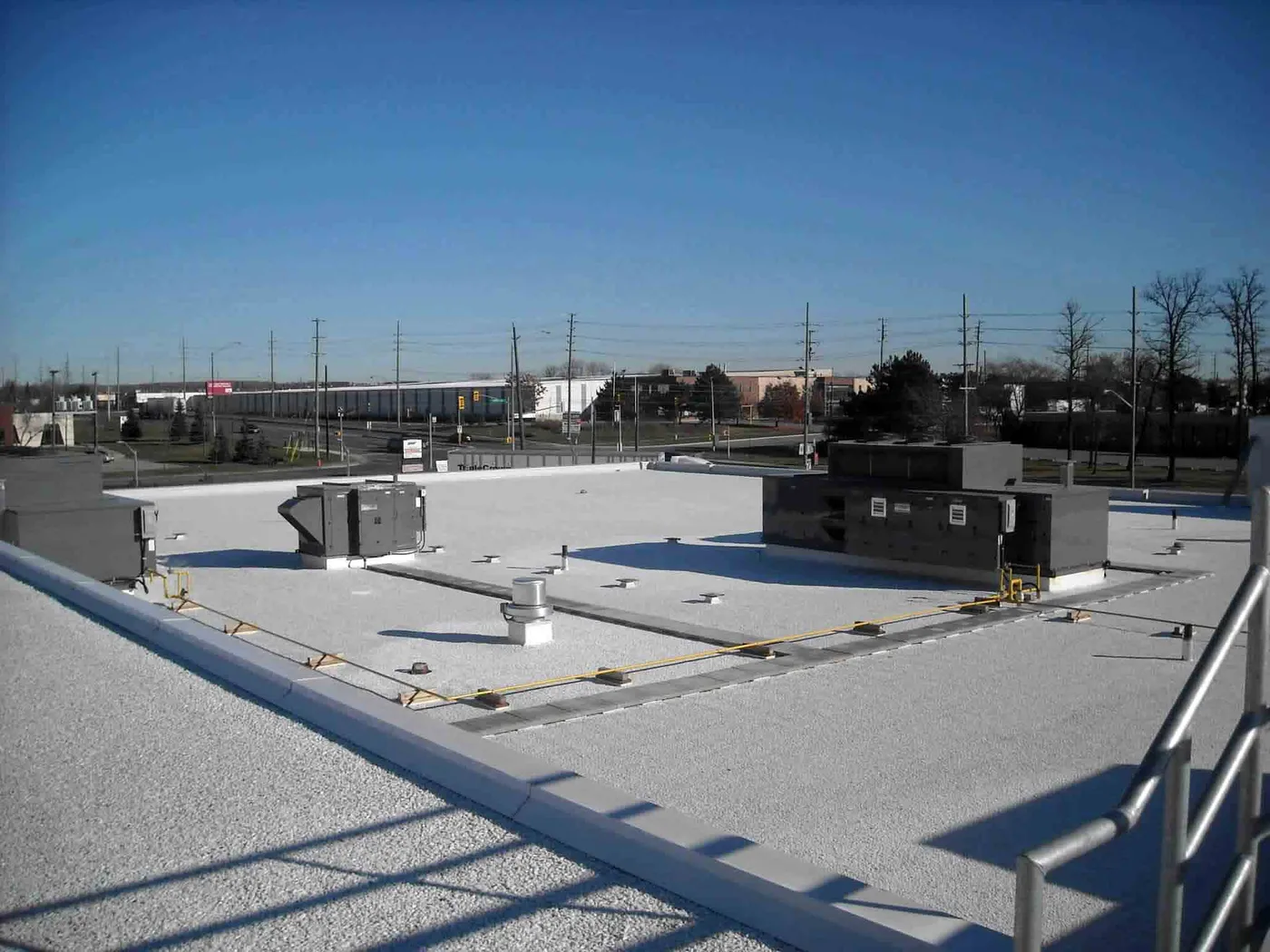
cold applied roofing roofs

Climate-Specific Benefits for Toronto Applications

Temperature Performance Characteristics

Toronto’s extreme temperature variations—ranging from summer highs exceeding 35°C to winter lows below -25°C—create demanding conditions that highlight the advantages of cold applied roofing systems. These systems maintain flexibility and adhesion across wide temperature ranges, avoiding the thermal stress problems that can affect traditional built-up roofing systems during rapid temperature changes common in Toronto’s continental climate.

The polymer chemistry used in cold applied systems provides superior low-temperature flexibility compared to traditional asphalt systems, maintaining elasticity well below Toronto’s typical winter temperatures. This flexibility prevents the cracking and brittleness that can develop in conventional systems during extended cold periods, particularly important for buildings in exposed locations throughout the GTA where wind chill effects intensify temperature stress.

High-temperature stability represents another advantage for Toronto applications, as cold applied systems resist softening and flow problems that can affect traditional systems during summer heat events. The chemical crosslinking that occurs during cold adhesive curing creates dimensional stability that maintains membrane integrity even during Toronto’s occasional heat waves when roof surface temperatures can exceed 70°C.

Moisture Management and Freeze-Thaw Resistance

Toronto’s frequent freeze-thaw cycles—averaging 40-60 per year—create conditions that test roofing system durability through repeated thermal cycling and moisture management challenges. Cold applied systems excel in these conditions due to their seamless application and superior adhesion characteristics that resist delamination under thermal stress.

The monolithic nature of cold applied membranes eliminates many seam-related failure points common in traditional systems, providing continuous protection against water infiltration that can cause freeze-thaw damage. When water does penetrate traditional roofing systems, freeze-expansion can create progressive damage that worsens with each cycle. Cold applied systems’ seamless construction minimizes these vulnerabilities.

Advanced cold applied formulations often incorporate additives that enhance freeze-thaw resistance, including plasticizers that maintain flexibility at low temperatures and anti-oxidants that prevent thermal degradation. These performance enhancements provide long-term durability that exceeds traditional system capabilities under Toronto’s challenging climate conditions.

Environmental Considerations

Toronto’s increasing focus on sustainable construction practices makes cold applied systems particularly attractive for environmentally conscious property owners. These systems eliminate the air quality impacts associated with hot asphalt kettles, reducing jobsite emissions and community air quality concerns that are particularly relevant in Toronto’s dense urban environment.

Energy efficiency during installation provides additional environmental benefits, as cold applied systems require no fuel for heating materials. This reduction in energy consumption aligns with Toronto’s greenhouse gas reduction initiatives and green building certification programs that many commercial properties pursue. The elimination of heating equipment also reduces noise pollution during installation, important for urban sites with noise restrictions.

Many cold applied roofing systems incorporate recycled content and are themselves recyclable at end of service life, supporting circular economy principles increasingly important in Toronto’s sustainable development policies. The durability and longevity of cold applied systems also reduce long-term material consumption compared to systems requiring more frequent replacement or maintenance.

Types of Cold Applied Roofing Systems for Toronto

Liquid Applied Membrane Systems

Liquid applied cold systems represent the most versatile option for Toronto commercial applications, providing seamless protection that conforms to complex roof geometries common in urban commercial buildings. These systems typically consist of primer applications followed by multiple coats of liquid membrane material that cure to form continuous, elastomeric barriers. Reinforcement fabrics embedded between coats provide enhanced tensile strength and puncture resistance.

Polyurethane-based liquid systems offer exceptional durability and chemical resistance, making them ideal for industrial applications throughout the GTA where roofs may be exposed to aggressive environmental conditions. These systems maintain flexibility across Toronto’s temperature range while providing superior abrasion resistance for roofs with maintenance access requirements.

Acrylic and silicone liquid systems provide excellent UV stability and reflective properties that enhance energy efficiency during Toronto’s hot summers. These systems often incorporate ceramic microspheres or other reflective additives that reduce heat absorption and cooling loads. The breathable nature of many liquid systems helps manage moisture vapor transmission, important for buildings with varying humidity conditions.

Self-Adhering Membrane Systems

Self-adhering cold applied membranes combine the installation simplicity of sheet materials with the seamless protection characteristics of liquid systems. These products feature factory-applied adhesive surfaces that bond to prepared substrates without additional adhesives or heating, simplifying installation while ensuring consistent adhesion quality.

Modified bitumen self-adhering systems provide familiar material characteristics for contractors experienced with traditional systems while offering cold application benefits. These membranes often feature enhanced polymer modification that improves flexibility and aging resistance compared to traditional SBS or APP modified products.

Synthetic self-adhering membranes utilizing thermoplastic or thermoset polymers provide premium performance characteristics including superior chemical resistance, UV stability, and temperature performance. These systems often command higher initial costs but provide extended service life and reduced maintenance requirements that improve long-term economics.

Hybrid Cold Applied Systems

Hybrid systems combine liquid and sheet membrane technologies to optimize performance for specific Toronto applications. These systems might utilize liquid-applied base coats for substrate adhesion and penetration sealing, followed by reinforcing sheet membranes and liquid topcoats for weather protection. The combination provides design flexibility while ensuring optimal performance characteristics.

Cold process modified bitumen systems utilize solvent-based adhesives to install traditional reinforced membranes without hot application equipment. These systems provide familiar material performance with cold application benefits, making them attractive for contractors transitioning from hot-applied methods.

Spray-applied systems utilize specialized equipment to apply liquid membranes in controlled thickness layers, ensuring uniform coverage and optimal material properties. These systems work particularly well for large roof areas common in Toronto’s industrial and retail sectors, providing efficient installation with consistent quality.

Installation Considerations and Best Practices

Surface Preparation Requirements

Successful cold applied system performance begins with thorough substrate preparation that ensures optimal adhesion and long-term durability. Toronto’s diverse commercial building stock includes various substrate materials—concrete, steel, wood, and existing membrane systems—each requiring specific preparation protocols for cold applied system compatibility.

Concrete substrates must be clean, dry, and properly profiled to achieve specified adhesion values. Toronto’s freeze-thaw conditions can create surface deterioration that requires repair before cold applied installation. Moisture content testing ensures substrates meet manufacturer specifications, as trapped moisture can prevent proper adhesion and cause long-term system problems.

Existing membrane removal or preparation depends on system compatibility and substrate condition. Some cold applied systems can install directly over existing membranes after proper cleaning and priming, while others require complete removal for optimal performance. Professional evaluation determines the most cost-effective preparation approach for each project.

Weather and Environmental Controls

While cold applied systems offer greater weather flexibility than traditional hot-applied alternatives, successful installation still requires attention to environmental conditions that affect material performance and application quality. Temperature, humidity, and precipitation all influence cold applied system installation and curing characteristics.

Most cold applied systems specify minimum application temperatures, typically 5-10°C, though some specialized formulations can install at lower temperatures. Toronto’s variable spring and fall weather requires careful monitoring and flexible scheduling to ensure optimal installation conditions. High humidity can extend curing times and may require dehumidification for enclosed or partially enclosed areas.

Precipitation protection remains important during installation and initial cure periods, though cold applied systems typically require shorter protection periods than traditional systems. Temporary covering systems or scheduling coordination with weather forecasts help ensure successful installations despite Toronto’s unpredictable precipitation patterns.

Quality Control and Testing Protocols

Cold applied system installation requires systematic quality control measures to ensure proper material application, adhesion, and cure characteristics. These protocols include material storage and handling verification, application rate monitoring, and adhesion testing to confirm system performance meets specifications.

Wet film thickness measurements during liquid system application ensure proper material coverage rates that meet manufacturer specifications. Under-application reduces system performance and warranty coverage, while over-application wastes material and may create cure problems. Digital thickness gauges provide accurate measurement throughout installation.

Adhesion testing using pull-off testing equipment verifies bond strength between system layers and to substrates. These tests help identify preparation deficiencies or application problems before they compromise system performance. Documentation of test results provides quality assurance records for warranty and future maintenance reference.

Cost Analysis and Return on Investment

Initial Cost Considerations

Cold applied roofing systems typically require higher initial material costs compared to traditional built-up systems, with premium ranging from 10-30% depending on system type and project specifics. However, installation cost advantages often offset material premiums through reduced labor requirements, faster installation, and elimination of heating equipment and fuel costs.

The extended installation season possible with cold applied systems provides scheduling advantages that can reduce project costs through improved contractor availability and reduced weather delays. Toronto’s short traditional roofing season often creates contractor availability constraints that increase costs during peak periods.

Long-term maintenance cost reductions often justify higher initial investments, as cold applied systems typically require less frequent repairs and maintenance interventions. The seamless nature of these systems reduces common maintenance issues including seam failures and membrane punctures that plague traditional systems.

Performance and Durability Economics

Cold applied systems often provide extended service life compared to traditional alternatives, with many systems warranted for 15-25 years compared to 10-15 years for conventional built-up roofing. This extended life cycle improves long-term economics while reducing replacement frequency and associated business disruption.

Energy performance benefits from reflective cold applied systems can provide ongoing operational savings throughout Toronto’s cooling season. Reduced heat absorption can decrease air conditioning loads by 10-20%, providing annual savings that accumulate over system life. These savings often justify premium system costs within 5-7 years.

Improved weather resistance and reduced maintenance requirements provide additional economic benefits through reduced emergency repair costs and service disruptions. Toronto’s harsh climate conditions often create emergency roofing situations that cost 3-4 times normal repair rates, making preventive system performance particularly valuable.

The Future of Toronto Commercial Roofing in Toronto

Cold applied roofing systems represent a significant advancement in commercial roofing technology that addresses many challenges facing Toronto property owners. These systems provide superior performance characteristics, installation flexibility, and environmental benefits that make them increasingly attractive for GTA commercial applications.

The growing adoption of cold applied systems throughout Toronto reflects their proven performance in our challenging climate conditions and the practical advantages they offer during installation and long-term ownership. As environmental regulations become more stringent and sustainable building practices become standard, cold applied systems position properties for future compliance and performance requirements.

Understanding cold applied roofing options helps Toronto property owners make informed decisions about roofing investments that provide optimal long-term value. The technology continues advancing, with new formulations and application methods regularly improving performance and expanding suitable applications.

Whether you’re planning new construction, roof replacement, or major renovation projects, our team provides the expertise and reliability necessary to ensure successful cold applied system installation and long-term performance. We understand that roofing represents a major property investment requiring solutions that perform reliably for decades while providing ongoing value.

Don’t let outdated roofing technology limit your property’s performance and sustainability. Contact Nusite Group to learn how cold applied roofing systems can benefit your Toronto commercial property. With our proven track record and commitment to advanced roofing solutions throughout the GTA, we’re ready to help you achieve superior roofing performance through innovative cold applied technology.

Across the Greater Toronto Area’s commercial landscape, from the industrial complexes of Scarborough to the office buildings of downtown Toronto, thousands of flat roofs are approaching the end of their original design life. With replacement costs ranging from $15-25 per square foot for complete roof systems, many GTA property owners are discovering that commercial roof coating offers a cost-effective alternative that can extend roof life by 10-15 years while providing immediate performance improvements.

Toronto’s challenging climate creates unique demands on flat roofing systems that make coating applications particularly valuable. The city’s extreme temperature variations—from summer highs exceeding 35°C to winter lows below -25°C—combined with heavy snow loads, frequent freeze-thaw cycles, and intense UV exposure during long summer days, create conditions that accelerate roof deterioration. However, these same challenging conditions make properly selected and applied roof coatings exceptionally effective at protecting and restoring aging roof systems.

Commercial roof coating isn’t simply about applying paint to an old roof—it requires understanding membrane compatibility, surface preparation requirements, and climate-specific performance characteristics that determine long-term success. The wrong coating system can trap moisture, cause adhesion failures, or fail prematurely under Toronto’s demanding weather conditions, while the right system can transform a deteriorating roof into a high-performance building envelope component.

Understanding Commercial Roof Coating Benefits

Cost-Effective Roof Life Extension

Commercial roof coating represents one of the most cost-effective methods for extending flat roof life in Toronto’s commercial market. Quality coating systems typically cost $3-8 per square foot installed, compared to $15-25 per square foot for complete roof replacement. For a typical 10,000 square foot commercial building in the GTA, coating systems can provide savings of $100,000 or more compared to full replacement while delivering 10-15 years of additional roof life.

The economic benefits extend beyond initial cost savings to include reduced business disruption, faster project completion, and improved building energy performance. Coating applications typically require 2-3 days for most commercial projects, compared to weeks for complete roof replacement. This reduced timeline minimizes tenant disruption and maintains business operations during roof restoration.

Energy performance improvements from reflective coating systems can provide ongoing operational savings throughout Toronto’s hot summers. Light-colored coatings can reduce roof surface temperatures by 20-30°C compared to aged, dark membrane surfaces, reducing air conditioning loads and improving occupant comfort. These energy savings often justify coating costs within 3-5 years through reduced utility expenses.

Performance Enhancement and Protection

Modern coating systems provide performance improvements that often exceed original roof system capabilities. Advanced elastomeric coatings maintain flexibility at temperatures well below Toronto’s winter extremes while providing superior UV protection and chemical resistance compared to many original membrane systems. This enhanced performance helps protect underlying roofing components from environmental damage.

Coating systems create seamless, monolithic surfaces that eliminate many leak sources common in aging membrane systems. Seam separations, punctures, and weathered surfaces that develop over time are encapsulated within coating systems, creating renewed waterproof integrity. This seamless protection is particularly valuable for Toronto’s climate, where water infiltration can cause rapid freeze-thaw damage.

Many coating systems provide self-healing properties that help maintain waterproof integrity as buildings experience thermal movement and minor settling. These systems can bridge hairline cracks and minor membrane defects that develop over time, providing ongoing protection that traditional membrane systems cannot match.

Types of Commercial Roof Coatings for Toronto Applications

Acrylic Coating Systems

Acrylic-based roof coatings offer excellent performance for Toronto commercial applications, particularly on EPDM, modified bitumen, and built-up roof systems. These water-based systems provide outstanding UV protection, maintaining white or light colors throughout their service life while offering good flexibility at low temperatures. Acrylic coatings typically cost $2-4 per square foot installed and provide 10-15 year warranties when properly applied.

The breathable nature of acrylic systems makes them ideal for Toronto’s variable humidity conditions, allowing moisture vapor transmission while maintaining waterproof protection. This characteristic helps prevent moisture entrapment that can cause membrane deterioration or insulation damage in existing roof systems. Acrylic coatings also offer excellent adhesion to most existing membrane surfaces with minimal surface preparation requirements.

Application flexibility represents another advantage of acrylic systems for Toronto’s variable weather conditions. These coatings can be applied in cooler temperatures than many alternatives and cure relatively quickly, reducing weather-related installation delays. Multiple coat systems provide enhanced durability and can be customized for specific performance requirements.

Silicone Coating Systems

Silicone roof coatings provide exceptional performance for Toronto’s demanding climate conditions, offering superior flexibility, UV stability, and ponding water resistance. These systems maintain elasticity at temperatures well below -40°C while providing excellent heat aging properties that resist thermal degradation during Toronto’s hot summers. Silicone coatings typically cost $4-7 per square foot installed but provide premium performance characteristics.

The outstanding ponding water resistance of silicone systems makes them ideal for flat roofs with drainage challenges common in Toronto’s older commercial buildings. Unlike other coating types that can degrade when subjected to standing water, silicone coatings maintain integrity indefinitely under ponding conditions. This characteristic is particularly valuable for buildings with settlement issues or inadequate drainage slopes.

Silicone coatings provide excellent chemical resistance and can withstand exposure to industrial pollutants common in Toronto’s urban environment. These systems resist chalk buildup and maintain reflective properties throughout their service life, providing consistent energy performance benefits. The self-cleaning properties of silicone surfaces help maintain appearance and performance in Toronto’s varied environmental conditions.

Polyurethane Coating Systems

Polyurethane roof coatings offer exceptional durability and impact resistance for high-traffic commercial applications throughout the GTA. These systems provide superior abrasion resistance compared to other coating types, making them ideal for roofs with regular maintenance access or equipment installations. Polyurethane systems typically cost $5-9 per square foot installed but provide premium mechanical properties.

The excellent adhesion characteristics of polyurethane systems make them suitable for challenging substrates including aged modified bitumen, EPDM, and metal roofing systems. These coatings form strong chemical bonds with properly prepared surfaces, creating long-lasting protection that resists delamination under thermal stress. This adhesion performance is particularly important in Toronto’s extreme temperature cycling conditions.

Two-component polyurethane systems provide the highest performance characteristics but require careful application timing and environmental controls. Single-component moisture-cure systems offer easier application while maintaining excellent durability properties. Both system types provide outstanding resistance to chemicals, oils, and other contaminants common in Toronto’s commercial environments.

Specialty Coating Applications

Reflective coating systems provide specific benefits for Toronto’s energy-conscious commercial market, reducing cooling loads during summer months while maintaining durability under winter conditions. These systems often incorporate ceramic microspheres or other reflective additives that enhance thermal performance beyond standard white coatings. Energy savings from reduced air conditioning loads can provide rapid payback on coating investments.

Walkway coating systems address the needs of roofs with regular foot traffic from maintenance activities or tenant access. These systems incorporate slip-resistant additives and enhanced durability properties to withstand mechanical wear while maintaining waterproof protection. Walkway coatings are particularly valuable for Toronto commercial buildings with rooftop HVAC access requirements.

Fire-retardant coating systems meet specific building code requirements for certain commercial applications, providing flame spread resistance while maintaining other performance characteristics. These specialized systems are often required for buildings with specific occupancy classifications or those located in Toronto’s high-density urban areas with strict fire protection requirements.

Roof Assessment and Preparation Requirements

Substrate Condition Evaluation

Successful coating system performance depends on thorough evaluation of existing roof conditions to determine coating compatibility and preparation requirements. Membrane systems must be structurally sound with adequate attachment to roof decking and minimal moisture infiltration. Severely deteriorated roofs may require partial replacement or extensive repairs before coating application can proceed.

Moisture surveys using infrared scanning or core sampling help identify areas of wet insulation or structural deck damage that could affect coating performance. Toronto’s frequent precipitation and humidity cycling can create moisture problems that aren’t immediately visible but could cause coating adhesion failures or continued deterioration if not addressed before coating application.

Surface contamination assessment determines cleaning and preparation requirements for successful coating adhesion. Oil deposits, biological growth, and accumulated dirt common on Toronto commercial roofs can prevent proper coating adhesion. Identifying contamination types helps determine appropriate cleaning methods and surface preparation techniques.

Surface Preparation Protocols

Proper surface preparation represents the most critical factor determining coating system success in Toronto’s demanding climate. Most coating applications require pressure washing to remove dirt, biological growth, and loose material that could interfere with adhesion. Power washing must be followed by adequate drying time, typically 24-48 hours depending on weather conditions and substrate porosity.

Chemical cleaning may be necessary for roofs with oil contamination, particularly common on industrial buildings throughout the GTA. Specialized cleaning agents and degreasing compounds remove contaminants that water washing cannot address. Proper rinsing and neutralization ensure that cleaning residues don’t interfere with coating adhesion.

Mechanical preparation including light abrasion or etching may be required for smooth membrane surfaces or previously coated roofs. These processes create surface texture that enhances coating adhesion and ensures long-term performance. The extent of mechanical preparation varies by substrate type and coating system requirements.

Repair and Restoration Work

Seam repairs and membrane patching must be completed before coating application to ensure uniform substrate conditions and prevent coating failure at stress points. Open seams, punctures, and edge details require repair using compatible materials that will accept coating systems. These repairs often determine the long-term success of coating applications.

Drainage improvements should be considered during roof preparation, as coating systems can improve but not eliminate fundamental drainage problems. Installing additional drains, improving slopes with tapered insulation, or modifying overflow systems can enhance coating system performance and building protection.

Flashing and penetration sealing requires attention before coating application, as these details often represent weak points in existing roof systems. Updating sealants, adjusting flashings, and improving penetration details provide foundation for successful coating performance while addressing common leak sources.

Installation Best Practices and Weather Considerations

Toronto Climate Application Windows

Toronto’s variable weather requires careful timing of coating system installations to ensure proper application conditions and adequate curing time. Most coating systems require temperatures above 5°C with no precipitation expected for 6-24 hours depending on system type. Spring and fall often provide optimal application windows, though summer applications require attention to surface temperatures and humidity levels.

High humidity conditions common during Toronto’s summer months can extend coating cure times and affect final system properties. Relative humidity above 85% may require postponing application or using specialized formulations designed for high humidity conditions. Mechanical dehumidification can sometimes provide acceptable conditions during marginal weather periods.

Wind conditions affect spray application quality and worker safety, particularly important for high-rise applications common in Toronto’s commercial market. Wind speeds above 25 km/h typically require postponing spray applications, though roller application may continue under moderate wind conditions. Planning for weather delays ensures adequate project scheduling and completion.

Quality Control and Application Standards

Mil thickness gauges and wet film measurement tools ensure proper coating application rates that meet manufacturer specifications and warranty requirements. Under-application reduces coating performance and durability, while over-application wastes material and may create cure problems. Systematic thickness monitoring throughout application ensures consistent system performance.

Surface temperature monitoring prevents application during conditions that could cause curing problems or adhesion failures. Coating systems applied to surfaces above 65°C or below minimum temperatures may experience performance problems that aren’t immediately apparent but reduce long-term durability. Infrared thermometers provide accurate surface temperature measurement for quality control.

Documentation of application conditions, material batch numbers, and coverage rates creates records necessary for warranty claims and future maintenance planning. Photographic documentation of surface conditions before and after coating application provides valuable reference for future evaluations and helps demonstrate proper application procedures.

Multi-Coat System Application

Base coat application establishes adhesion and provides foundation for topcoat performance. Base coats often use different formulations optimized for substrate adhesion rather than weather resistance. Proper base coat application and cure before topcoat application ensures system integrity and prevents inter-coat adhesion problems.

Topcoat systems provide weather protection, UV resistance, and aesthetic properties that determine long-term system performance. These coats typically incorporate specialized additives for reflectivity, flexibility, and durability that aren’t necessary in base coat formulations. Proper topcoat application techniques ensure uniform appearance and performance.

Reinforcement fabric may be required at seams, penetrations, and other stress points to prevent coating failure under building movement or thermal stress. Fabric reinforcement creates composite systems that bridge substrate defects and provide enhanced durability in critical areas.

Long-Term Performance and Maintenance

Warranty and Performance Expectations

Quality coating systems properly installed on suitable substrates typically provide 10-20 year warranties covering both material and installation defects. These warranties often include specific performance criteria including reflectivity retention, adhesion standards, and waterproof integrity. Understanding warranty terms helps property owners make informed decisions about system selection and contractor choice.

Performance monitoring through periodic inspections helps ensure coating systems continue meeting design objectives and identify maintenance needs before major problems develop. Annual inspections focusing on high-stress areas, drainage points, and penetration details help maintain system performance and protect warranty coverage.

Maintenance requirements for coating systems typically include periodic cleaning, minor repair completion, and recoating of high-wear areas. These requirements vary by coating type and environmental exposure but generally require less intensive maintenance than traditional membrane systems.

Planned Maintenance Programs

Drainage system maintenance remains critical for coating system performance, as ponding water can degrade even high-performance coatings over time. Regular drain cleaning, debris removal, and inspection of overflow systems protect coating investments and maintain building protection. Toronto’s seasonal debris accumulation requires systematic cleaning schedules.

Surface cleaning removes dirt, biological growth, and pollutants that can degrade coating appearance and performance. Pressure washing every 2-3 years maintains reflective properties and extends coating life while providing opportunities to inspect system condition and complete minor repairs.

Minor repair protocols help maintain coating system integrity and prevent minor defects from becoming major problems. Touch-up materials should be readily available for prompt repair of small punctures, wear areas, or damage from maintenance activities.

Maximizing Your Roofing Investment

Commercial roof coating systems offer Toronto property owners an exceptional opportunity to extend existing roof life while improving building performance and reducing long-term maintenance costs. The key to successful coating projects lies in proper system selection, thorough roof assessment, and professional installation that accounts for Toronto’s demanding climate conditions.

At Nusite Group, we’ve successfully installed coating systems on hundreds of Toronto-area commercial buildings over our 30+ years of service, developing expertise in system selection, surface preparation, and application techniques that ensure long-term success. Our comprehensive understanding of Toronto’s climate challenges and extensive experience with diverse commercial applications makes us the ideal partner for property owners considering roof coating solutions.

Whether your existing roof system needs performance restoration, energy efficiency improvements, or cost-effective life extension, our team provides the expertise and reliability that GTA commercial property owners trust. We understand that roof coating represents a significant investment in your building’s future performance and work diligently to ensure every project delivers maximum value and lasting protection.

Don’t let an aging roof force premature replacement when coating systems can provide years of additional service at a fraction of replacement cost. Contact Nusite Group to discuss how advanced coating systems can transform your commercial roofing investment. With our proven track record throughout the Greater Toronto Area and commitment to quality workmanship, we’re ready to help you maximize your roofing system’s performance and value.

Across the Greater Toronto Area, commercial properties feature extensive concrete decking systems that face some of Canada’s most challenging weather conditions. From the restaurant patios of King Street West to the loading docks of industrial facilities in Mississauga, outdoor decking serves as both functional workspace and valuable tenant amenities. However, Toronto’s extreme climate—with temperature swings exceeding 50°C annually, heavy snowfall, and frequent freeze-thaw cycles—creates conditions that can rapidly deteriorate unprotected concrete deck surfaces.

The cost of concrete deck failure in Toronto’s commercial market extends far beyond simple repair expenses. Water infiltration through compromised deck waterproofing can damage underlying structural elements, create liability issues for slip-and-fall accidents, and force closure of revenue-generating spaces during peak business seasons. A failed waterproofing system on a restaurant patio can cost thousands in lost revenue during Toronto’s brief but lucrative summer patio season, while loading dock deterioration can disrupt critical business operations.

Commercial decking waterproofing isn’t simply about applying coatings—it requires understanding how Toronto’s specific climate conditions interact with different concrete systems, drainage requirements, and building envelope integration. Successful outdoor decking protection demands systematic approaches that account for thermal movement, water management, and long-term durability under extreme weather conditions.

As waterproofing specialists who have protected Toronto-area commercial decking for over 30 years, we’ve witnessed the dramatic difference between properly waterproofed deck systems and those that fail within a few seasons. This comprehensive guide will help GTA property owners understand the critical elements of concrete deck waterproofing, recognize early warning signs of system failure, and implement maintenance strategies that protect their investments from Toronto’s demanding climate.

Understanding Toronto’s Climate Impact on Commercial Decking

Freeze-Thaw Cycle Challenges

Toronto experiences an average of 40-60 freeze-thaw cycles annually, creating the most destructive conditions for concrete deck systems. Water that penetrates even hairline cracks in concrete expands by approximately 9% when it freezes, creating internal pressure that can crack and spall concrete surfaces. This process accelerates rapidly in Toronto’s variable spring and fall weather when temperatures cross the freezing point multiple times per week.

Commercial decking systems face particular challenges because they’re typically horizontal surfaces that collect and hold water longer than vertical building components. Restaurant patios, rooftop decks, and loading areas often have complex drainage requirements that, if compromised, can create standing water conditions that worsen freeze-thaw damage. The combination of de-icing salts used throughout the GTA and freeze-thaw cycles creates especially aggressive conditions for concrete deterioration.

Industrial facilities often experience additional challenges from heavy equipment loads combined with weather exposure. Forklift traffic on loading dock surfaces can create micro-cracks that allow water penetration, leading to rapid deterioration when subjected to Toronto’s winter conditions. Understanding these combined stresses is essential for designing effective waterproofing systems.

Seasonal Water Management Requirements

Toronto’s precipitation patterns create specific challenges for outdoor decking waterproofing systems. The city receives approximately 830mm of annual precipitation, with significant seasonal variations that stress drainage systems differently throughout the year. Spring snowmelt can overwhelm drainage systems with rapid water volume increases, while summer thunderstorms create intense rainfall that tests waterproofing integrity.

Fall weather presents unique challenges as organic debris combines with frequent rainfall to create conditions that can clog drainage systems and trap moisture against deck surfaces. This combination of moisture retention and approaching freezing temperatures creates ideal conditions for waterproofing system failure if proper maintenance isn’t maintained.

Winter conditions test waterproofing systems through snow loading, ice accumulation, and the mechanical stress of snow removal operations. Commercial properties throughout the GTA must balance the need for safe, accessible deck surfaces with protection of underlying waterproofing systems during harsh winter maintenance activities.

rooftop deck waterproofing toronto


Waterproofing System Selection and Design

Membrane vs. Coating Systems

Commercial decking waterproofing in Toronto requires selecting systems that can withstand extreme temperature variations while maintaining flexibility and adhesion under thermal stress. Membrane systems, including modified bitumen, EPDM, and TPO materials, offer superior protection for high-traffic areas and complex deck geometries common in commercial applications.

Liquid-applied waterproofing systems provide excellent protection for Toronto commercial decking, particularly polyurethane and polyurea coatings that maintain flexibility at low temperatures. These systems can be applied to complex shapes and details that are difficult to waterproof with sheet membrane systems. However, application conditions must be carefully controlled, as Toronto’s variable weather can affect curing and adhesion of liquid systems.

Crystalline waterproofing systems offer unique advantages for concrete deck protection in Toronto’s climate. These systems become integral parts of the concrete structure and can self-seal minor cracks that develop over time. For loading docks and industrial decking that experience heavy mechanical stress, crystalline systems provide long-term protection that improves with age.

Drainage Integration and Design

Proper drainage design represents the most critical factor in concrete deck waterproofing success in Toronto’s climate. Deck surfaces must maintain positive slope toward drainage points, typically minimum 1% slope, though 2% is preferred for Toronto’s heavy rainfall conditions. Areas that allow water ponding will experience accelerated waterproofing deterioration and freeze-thaw damage.

Drainage systems must be sized to handle Toronto’s intense rainfall events, which can exceed 25mm per hour during summer thunderstorms. Undersized drainage creates backup conditions that can overwhelm waterproofing systems and create standing water that penetrates even minor defects in waterproof membranes.

Integration between deck waterproofing and building envelope systems requires careful attention to thermal movement and water management. Deck-to-wall transitions, expansion joints, and penetration details must accommodate building movement while maintaining waterproof integrity. These transition areas often represent the weakest points in commercial decking waterproofing systems.

Substrate Preparation and Priming

Successful waterproofing system performance depends heavily on proper concrete substrate preparation, particularly important in Toronto’s climate where thermal stress can cause adhesion failures. Concrete surfaces must be properly cleaned, profiled, and dried before waterproofing application. Surface contamination from de-icing salts, oils, or previous coatings can prevent proper adhesion.

Concrete moisture content must be controlled before waterproofing installation, challenging in Toronto’s humid conditions. Substrate moisture that exceeds manufacturer specifications can cause waterproofing system failure through osmotic pressure or poor adhesion. Proper moisture testing and environmental controls are essential for successful installations.

Surface profile requirements vary by waterproofing system type, but most commercial applications require mechanical preparation to achieve proper texture for adhesion. Shot blasting or scarification may be necessary to remove surface contamination and achieve specified surface profile for membrane or coating adhesion.

Installation Best Practices for Toronto Conditions

Weather Considerations and Timing

Toronto’s variable weather requires careful planning for waterproofing system installation on commercial decking projects. Most waterproofing systems have specific temperature and humidity requirements that must be maintained during installation and initial curing periods. Spring and fall installation windows often provide optimal conditions, though project scheduling must account for Toronto’s unpredictable weather patterns.

Temperature limitations affect both material performance and installation quality. Most liquid waterproofing systems cannot be installed when temperatures fall below 5°C or when rain is expected within 24 hours of application. Toronto’s frequent weather changes require flexible installation scheduling and weather monitoring to ensure successful installations.

Humidity control becomes critical for certain waterproofing systems, particularly during Toronto’s humid summer months. High humidity can extend curing times and affect final system properties. Mechanical dehumidification may be necessary for enclosed deck areas or during unfavorable weather conditions.

Quality Control and Testing

Commercial decking waterproofing installations require comprehensive quality control measures to ensure system performance in Toronto’s demanding climate. This includes material storage and handling protocols, installation inspection procedures, and performance testing before system acceptance.

Adhesion testing should be performed on representative areas before full installation proceeds, particularly important when working with existing concrete surfaces that may have contamination or surface preparation issues. Poor adhesion represents one of the most common causes of waterproofing system failure in Toronto’s freeze-thaw environment.

Water testing of completed installations helps identify defects before they become problems during actual service conditions. Flood testing or spray testing can reveal installation defects that might not be visible through visual inspection alone. These tests are particularly valuable for complex deck geometries with multiple drainage points and transition details.

Detail Work and Terminations

Proper execution of waterproofing details and terminations often determines the long-term success of commercial decking systems in Toronto’s climate. Drain connections, expansion joints, and building envelope transitions require specific techniques and materials to maintain waterproof integrity under thermal stress and building movement.

Penetration sealing around railings, equipment supports, and utility connections must accommodate both waterproofing requirements and thermal movement. These details experience high stress concentrations and often require specialized sealants and flashing systems designed for extreme temperature performance.

Edge terminations and transitions to vertical surfaces require careful attention to water management and thermal movement accommodation. Improperly executed termination details can allow water infiltration that compromises both the waterproofing system and underlying building envelope components.

podium deck waterproofing

Maintenance Strategies for Long-Term Performance

Preventive Maintenance Programs

Successful commercial decking waterproofing in Toronto requires systematic maintenance programs that address both system-specific needs and climate-related challenges. Regular inspection schedules should align with seasonal weather patterns, with comprehensive evaluations following winter damage periods and before harsh weather seasons.

Drainage system maintenance represents the most critical ongoing requirement for Toronto commercial decking. Regular cleaning of drains, scuppers, and gutters prevents backup conditions that can overwhelm waterproofing systems. Fall maintenance programs should include thorough drain cleaning before winter weather begins.

Surface cleaning and minor repair completion should be scheduled based on deck usage patterns and environmental exposure. High-traffic areas may require quarterly attention, while less exposed surfaces might need only annual maintenance. Early identification and repair of minor defects prevents major system failures.

Seasonal Inspection Protocols

Spring inspections should focus on identifying winter damage from freeze-thaw cycles, snow loading, and ice formation. Look for surface cracking, membrane separation, and drainage system damage that may have developed during harsh weather periods. Document any changes from previous inspection cycles.

Summer inspections should evaluate thermal stress effects, UV damage to exposed waterproofing materials, and drainage system performance during Toronto’s intense rainfall events. High temperatures can reveal adhesion problems or material degradation that isn’t apparent during moderate weather conditions.

Fall inspections serve dual purposes: identifying summer damage and preparing systems for winter weather. This includes drainage system preparation, surface cleaning, and completion of any repairs that could worsen during freeze-thaw conditions. Fall maintenance often determines how well waterproofing systems survive Toronto winters.

Repair and Restoration Techniques

Minor waterproofing repairs can often extend system life significantly when completed promptly and properly. Surface cracks, small membrane tears, and loose edge details can typically be repaired using compatible materials and techniques that restore waterproof integrity without full system replacement.

Partial system replacement may be necessary when damage is extensive or when original installation defects have caused ongoing problems. These projects require careful integration between new and existing materials to ensure uniform performance and appearance.

Full system restoration becomes necessary when waterproofing systems reach the end of their service life or when substrate damage requires comprehensive repair. These projects offer opportunities to upgrade systems with improved materials and details that provide better long-term performance in Toronto’s climate.

Common Problems and Solutions

Identifying Early Warning Signs

Successful waterproofing maintenance depends on recognizing early warning signs before they develop into costly failures. Surface staining, particularly around drainage areas, often indicates developing waterproofing problems that require immediate attention. In Toronto’s climate, even minor water infiltration can quickly become major structural damage.

Membrane bubbling or separation typically indicates adhesion failure or moisture infiltration that can worsen rapidly during freeze-thaw cycles. These conditions require professional evaluation to determine whether repairs or system replacement are necessary. Ignoring membrane separation issues often leads to complete system failure.

Interior water damage below deck areas provides definitive evidence of waterproofing system failure. This condition requires immediate professional attention to prevent further structural damage and potential liability issues. Toronto’s liability standards for commercial properties make prompt response to water infiltration essential.

Professional vs. DIY Repair Decisions

Simple maintenance tasks like drain cleaning and surface cleaning can typically be handled by property maintenance staff with proper training and equipment. However, waterproofing repairs require specialized knowledge and materials that are typically beyond the scope of general maintenance programs.

Membrane repairs, drainage modifications, and system restoration projects require professional contractors with specific waterproofing experience and manufacturer certifications. Improper repairs often create larger problems and may void material warranties, making professional service more cost-effective long-term.

Emergency repairs may require temporary measures to prevent further damage while permanent solutions are planned and implemented. Professional contractors can provide rapid response and temporary protection that minimizes damage during emergency conditions common in Toronto’s variable weather.

Frequently Asked Questions

How long should commercial deck waterproofing last in Toronto’s climate?

Quality waterproofing systems properly installed and maintained can last 15-25 years in Toronto’s climate, though this varies significantly based on system type, installation quality, and maintenance practices. Membrane systems typically provide longer service life than coating systems, but both require regular maintenance to achieve expected performance. High-traffic areas and complex details may need more frequent attention or periodic restoration to maintain performance standards.

What’s the best time of year to install deck waterproofing in Toronto?

Late spring through early fall provides optimal installation conditions for most waterproofing systems, with May through September offering the most consistent weather windows. However, emergency repairs may be necessary during winter months using specialized cold-weather materials and techniques. Planning installations during favorable weather windows ensures proper curing and system performance, while emergency work focuses on temporary protection until permanent repairs can be completed.

How much does commercial deck waterproofing cost in the GTA?

Waterproofing costs vary significantly based on system type, deck complexity, and site conditions, typically ranging from $15-$45 per square foot for complete systems. Simple coating applications may cost less, while complex membrane systems with extensive detail work cost more. Long-term cost considerations should include maintenance requirements, expected service life, and potential damage costs if waterproofing fails, making quality installations more economical over time.

Can existing deck waterproofing be repaired, or does it need complete replacement?

Many waterproofing problems can be addressed through targeted repairs if caught early and properly diagnosed. Surface coating renewal, membrane patching, and drainage improvements can often extend system life significantly. However, systems with widespread adhesion failure, substrate damage, or design deficiencies may require complete replacement to achieve reliable performance. Professional evaluation helps determine the most cost-effective approach based on system condition and expected service requirements.

Protecting Your Commercial Investment

Commercial deck waterproofing represents a critical investment in protecting Toronto-area properties from the region’s harsh climate conditions. Proper system selection, professional installation, and proactive maintenance can provide decades of reliable performance while avoiding costly emergency repairs and business disruption.

The key to successful commercial decking protection lies in understanding Toronto’s specific climate challenges and selecting waterproofing solutions designed for extreme weather performance. Quality installations by experienced contractors, combined with systematic maintenance programs, provide the foundation for long-term system success and property protection.

Whether you’re planning new deck construction, addressing existing waterproofing problems, or developing maintenance programs to protect your investment, our team provides the expertise and reliability that Toronto commercial property owners trust. We understand that your outdoor decking represents both functional necessity and valuable tenant amenity, requiring solutions that perform reliably in all weather conditions.

Don’t wait for waterproofing failures to disrupt your operations and create costly emergency situations. Contact Nusite Group to discuss how our proven waterproofing solutions can protect your commercial decking investment. With our track record of successful projects throughout the GTA and commitment to quality service, we’re ready to ensure your outdoor decking provides years of reliable performance regardless of what Toronto’s weather brings.

As autumn leaves begin to fall across the Greater Toronto Area, commercial property owners face the annual challenge of preparing their buildings for one of Canada’s harshest winter climates. From the industrial complexes of Etobicoke to the office towers of North York, Toronto’s commercial properties must withstand temperature swings from +15°C in November to -25°C in January, accompanied by heavy snowfall, ice storms, and relentless freeze-thaw cycles that can devastate unprepared buildings.

The cost of winter-related building damage in the GTA runs into millions of dollars annually. Emergency roof repairs during January blizzards can cost three to four times more than preventive maintenance completed in October. Burst pipes, ice dam damage, and structural failures from snow loading don’t just impact your bottom line—they can shut down operations, displace tenants, and create liability issues that last for months.

However, Canadian winters don’t have to spell disaster for your commercial property investment. With systematic preparation and proactive maintenance, Toronto property owners can protect their buildings from winter’s worst while avoiding the emergency repair costs that catch unprepared owners off-guard. The key lies in understanding how Toronto’s specific climate conditions affect different building systems and taking action before the first snowfall.

As commercial roofing contractors and waterproofing specialists who have helped GTA property owners weather over 30 winters, we’ve developed proven strategies that significantly reduce winter-related property damage. This comprehensive checklist will guide you through essential winter preparation steps that protect industrial buildings and commercial properties throughout the Toronto area, ensuring your investment remains secure regardless of what winter brings.

Roof System Winter Preparation

Snow Load Assessment and Structural Evaluation

Toronto’s building code requires commercial roofs to withstand specific snow loads, but older industrial buildings may not meet current standards, particularly those constructed before the 1990s. Property owners should have qualified commercial roofing contractors evaluate their roof’s snow-bearing capacity, especially for buildings with large, flat roof areas common in Toronto’s industrial sectors.

Pay particular attention to roof areas where snow tends to accumulate, such as the leeward sides of mechanical equipment, parapet walls, and roof level changes. These areas can experience snow loads significantly higher than design calculations, particularly during Toronto’s frequent winter wind events that redistribute snow across roof surfaces.

Document any existing roof damage before winter arrives, including minor membrane punctures, loose flashing, or small areas of ponding water. These seemingly minor issues can become major problems when subjected to freeze-thaw cycles and the weight of accumulated snow and ice. Industrial buildings with metal roofing systems require inspection of fasteners, seams, and thermal expansion joints that may have loosened during summer heat expansion.

Drainage System Winterization

Proper drainage represents the most critical factor in preventing ice dam formation and winter roof damage on Toronto commercial properties. All roof drains, gutters, and downspouts must be thoroughly cleaned of debris before freezing weather arrives. The combination of autumn leaves and early snow can create blockages that lead to catastrophic ice buildup.

Install roof drain heaters in areas prone to freezing, particularly for buildings in exposed locations throughout the GTA. These systems prevent ice formation in critical drainage components and maintain water flow during mild winter periods. For industrial buildings with large drainage systems, consider upgrading to larger capacity drains that can handle rapid snow melt during Toronto’s occasional winter warm spells.

Inspect and repair all gutter systems, ensuring proper slope and secure attachment to building structures. Toronto’s frequent freeze-thaw cycles create tremendous stress on gutter systems, particularly when ice repeatedly forms and melts. Damaged gutters can allow water infiltration into building envelope systems, creating expensive repair situations that worsen throughout winter.

Membrane and Flashing Protection

Commercial roofing membranes face severe stress during Toronto winters, particularly from rapid temperature changes that can occur when chinook winds bring sudden warming followed by arctic air masses. Inspect all membrane surfaces for existing damage, paying special attention to seams, penetrations, and roof edge details that are most vulnerable to winter damage.

Apply protective treatments to aging membrane systems that show signs of UV damage or surface deterioration. These treatments can provide additional protection against freeze-thaw damage and extend membrane life through harsh winter conditions. EPDM and TPO systems respond differently to winter conditions, requiring specific preparation approaches based on membrane type and age.

Examine all flashing systems around roof penetrations, including HVAC equipment, skylights, and roof access points. Ensure that all sealants are in good condition and that flashing systems allow for thermal movement without compromising waterproof integrity. Failed flashing represents one of the most common sources of winter water infiltration in Toronto commercial buildings.

Building Envelope Weatherization

Exterior Wall System Preparation

Toronto’s extreme temperature variations create significant thermal stress on commercial building envelope systems, requiring comprehensive preparation to prevent winter damage. Inspect all exterior wall surfaces for cracks, gaps, or damaged sealants that could allow water infiltration during winter precipitation events.

Pay particular attention to masonry and concrete surfaces that are susceptible to freeze-thaw damage. Small cracks that seem insignificant in autumn can become major structural issues after repeated freeze-thaw cycles throughout Toronto’s winter months. Industrial buildings with precast concrete panels require inspection of all panel joints and sealant systems.

Window and glazing systems need thorough evaluation before winter weather arrives. Check all glazing sealants, weatherstripping, and operable window hardware. Toronto’s winter winds can drive snow and ice into building envelope assemblies through defects that remain dry during summer conditions. Replace any questionable sealants or weatherstripping before cold-weather testing begins.

Foundation and Below-Grade Waterproofing

Foundation waterproofing systems face unique challenges during Toronto winters, as frost penetration can reach depths of 1.5 meters or more in exposed conditions. Inspect all below-grade waterproofing systems, including foundation walls, elevator pits, and parking garage structures that may be vulnerable to winter water infiltration.

Ensure proper drainage around building foundations, including functional weeping tile systems and adequate surface grading that directs water away from foundation walls. Ice buildup against foundation walls can create hydrostatic pressure that compromises waterproofing systems, particularly in older Toronto commercial buildings where waterproofing may be deteriorating.

Check all below-grade mechanical rooms, storage areas, and parking structures for signs of water infiltration that could worsen during winter conditions. Address any moisture issues before freezing weather arrives, as frozen water within building assemblies can cause extensive structural damage that’s expensive to repair and disruptive to building operations.

Joint Sealant and Expansion System Maintenance

Building movement joints and expansion systems require special attention before Toronto’s winter season begins. These systems must accommodate thermal movement while maintaining weatherproof seals under extreme temperature conditions. Inspect all exterior joint sealants throughout the building envelope.

Replace any sealants showing signs of adhesion failure, cracking, or deterioration before winter testing begins. Sealant materials that perform adequately in moderate temperatures often fail when subjected to Toronto’s sub-zero conditions combined with wind and precipitation. Industrial buildings typically have more extensive joint systems requiring systematic evaluation and maintenance.

Pay particular attention to sealants around mechanical penetrations, utility connections, and loading dock areas where building envelope continuity is frequently compromised. These locations often experience higher stress levels and may require specialized sealant materials designed for extreme temperature performance.

Industrial-Epoxy-Flooring

Mechanical Systems and Infrastructure Protection

HVAC System Winter Preparation

Toronto’s commercial buildings rely heavily on mechanical systems during extended winter periods, making HVAC preparation critical for both building protection and operational continuity. Inspect all roof-mounted HVAC equipment for secure mounting, proper drainage, and weatherproof electrical connections that can withstand snow loading and ice accumulation.

Service all heating systems before peak demand periods begin, including boilers, furnaces, and heat pump systems. Toronto’s winter heating loads can strain mechanical systems that haven’t received proper maintenance, leading to failures during the coldest periods when emergency service costs are highest and availability is limited.

Inspect and insulate all exterior ductwork, piping, and mechanical connections that could be damaged by freezing temperatures. Industrial buildings often have extensive exterior mechanical systems requiring comprehensive freeze protection measures. Ensure that all mechanical rooms have adequate heating and ventilation to prevent equipment freezing during power outages or system failures.

Plumbing and Water System Winterization

Frozen pipes represent one of the most common and expensive winter problems affecting Toronto commercial properties. Inspect all plumbing systems in unheated areas, including parking garages, mechanical rooms, and exterior wall chases where pipes may be vulnerable to freezing conditions.

Install additional insulation around pipes in vulnerable locations, particularly those near exterior walls or in areas with minimal heating. Consider pipe heating systems for critical water lines that cannot be adequately protected through insulation alone. Loading dock areas and exterior hose connections require special attention in Toronto’s climate.

Establish procedures for maintaining adequate building temperatures during extended cold periods, including backup heating provisions for critical areas. Many Toronto commercial properties have experienced devastating pipe failures during power outages when heating systems couldn’t maintain protective temperatures throughout buildings.

Electrical and Communication System Protection

Winter weather can severely impact electrical and communication systems serving Toronto commercial properties. Inspect all exterior electrical equipment, including transformers, switchgear, and communication equipment that must continue operating through winter conditions. Ensure proper weatherproofing and drainage around electrical installations.

Check emergency power systems, including generators and battery backup systems that may be needed during winter storms. Toronto’s ice storms can cause extended power outages, making reliable backup power systems essential for maintaining building operations and preventing freeze damage to mechanical systems.

Review snow removal plans for areas around critical electrical and mechanical equipment. Ensure that snow removal operations won’t damage equipment or block essential ventilation and drainage systems. Many Toronto commercial properties have experienced equipment failures due to inadequate planning for snow management around mechanical installations.

Emergency Preparedness and Response Planning

Winter Storm Response Procedures

Develop comprehensive procedures for responding to Toronto’s winter weather emergencies, including blizzards, ice storms, and extreme cold events that can threaten building systems and occupant safety. Establish communication protocols with tenants, emergency services, and essential contractors who can provide rapid response when needed.

Create emergency contact lists including qualified commercial roofing contractors, mechanical system specialists, and restoration services that provide 24-hour emergency response throughout the GTA. Having pre-established relationships with reliable contractors ensures faster response times and priority service during widespread emergency conditions affecting multiple properties.

Stock essential emergency supplies including ice melt materials, emergency lighting, basic repair materials, and communication equipment that functions during power outages. Industrial buildings may require specialized equipment for snow removal from large roof areas or critical mechanical systems.

Documentation and Insurance Considerations

Document all winter preparation activities, including photographs of building conditions before winter weather begins. This documentation proves valuable for insurance claims and helps demonstrate proper maintenance practices that may affect coverage decisions. Toronto’s severe winter conditions often result in insurance claims that require detailed documentation.

Review insurance coverage for winter-related damages, ensuring adequate protection for business interruption, equipment failure, and structural damage that could result from severe weather events. Consider additional coverage for older industrial buildings that may be more vulnerable to winter damage.

Establish procedures for documenting and reporting winter damage as it occurs, including emergency contact procedures with insurance providers and restoration contractors. Quick response to winter damage often minimizes total repair costs and reduces business disruption for affected tenants.

Protecting Your Investment Through Proactive Winter Preparation

Winter preparation for Toronto commercial properties requires systematic attention to multiple building systems and careful planning for emergency conditions. The investment in proper winter preparation pays dividends through reduced emergency repair costs, improved tenant satisfaction, and protection of your property’s long-term value.

At Nusite Group, we’ve helped Toronto-area commercial property owners prepare for winter conditions for over 30 years. Our comprehensive understanding of how Toronto’s climate affects industrial buildings and commercial properties, combined with our expertise in waterproofing, foundation systems, and commercial roofing, makes us an essential partner for property owners seeking reliable winter protection strategies.

Whether you need professional building assessments, emergency repair services, or comprehensive winter preparation programs, our experienced team understands the unique challenges facing GTA commercial properties. We provide the expertise and reliability that property owners need to protect their investments through Toronto’s harshest winter conditions.

Don’t wait until winter weather arrives to discover your building’s vulnerabilities. Contact Nusite Group today to discuss how our proven winter preparation strategies can protect your commercial property investment. With our track record of helping Toronto properties weather the worst winter conditions, we’re ready to ensure your building remains secure, operational, and profitable regardless of what winter brings to the Greater Toronto Area.

Managing commercial properties in the Greater Toronto Area presents unique challenges that property managers across the region know all too well. From the glass towers of downtown Toronto to industrial buildings in Mississauga and Vaughan, the GTA’s extreme climate conditions—ranging from -25°C winter freezes to +35°C summer heat waves—create tremendous stress on building envelopes throughout the year.

A building envelope failure can cost Toronto property managers tens of thousands of dollars in emergency repairs, tenant displacement, and potential liability issues. However, with systematic seasonal inspections and proactive maintenance, these costly problems are largely preventable. The key lies in understanding how Toronto’s climate affects different building components and knowing what to look for during each season.

As commercial roofing contractors and waterproofing specialists who have served industrial buildings and commercial properties throughout the GTA for over 30 years, we’ve witnessed the dramatic difference that proactive envelope management makes. Properties with consistent inspection schedules experience 60-70% fewer emergency repairs compared to those managed reactively.

This comprehensive guide will equip Toronto-area property managers with practical inspection strategies, seasonal checklists, and early warning signs that can prevent minor issues from becoming major building envelope failures. Understanding these principles isn’t just about maintenance—it’s about protecting your investment and ensuring tenant satisfaction in Toronto’s competitive commercial real estate market.

Understanding Building Envelope Components in Toronto’s Climate

Critical Envelope Elements

The building envelope encompasses all exterior elements that separate interior conditioned space from the outdoor environment. In Toronto’s climate, key components include roofing systems, exterior walls, windows and glazing, foundation walls, and all penetrations and joints between these elements. Each component faces specific challenges from the GTA’s weather patterns.

Toronto’s freeze-thaw cycles, which can occur dozens of times during winter months, create particular stress on building envelope materials. Industrial buildings often feature different envelope systems than office complexes—such as metal siding, precast concrete panels, or masonry construction—each requiring specialized inspection approaches.

Understanding how these components interact is crucial for effective inspections. Water infiltration rarely stays confined to its entry point; moisture that enters through a small roof penetration can travel through wall assemblies and manifest as interior damage far from the original source. This interconnected nature makes systematic envelope inspections essential for Toronto property managers.

Climate-Specific Vulnerabilities

Toronto’s continental climate creates unique envelope stresses that property managers must understand. The city’s significant temperature variations cause materials to expand and contract repeatedly, stressing sealants, gaskets, and joint systems. Additionally, Toronto’s urban heat island effect can create temperature differentials of 5-10°C between different building faces, leading to uneven thermal stress.

Wind-driven rain during Toronto’s frequent thunderstorms tests building envelope water management systems differently than gentle precipitation. The combination of high winds and heavy rainfall can drive water into envelope assemblies through defects that might otherwise remain dry. Understanding these climate-specific challenges helps property managers focus their inspection efforts on the most vulnerable areas.

commercial polyurethane flooring

Spring Inspection Protocol: Post-Winter Assessment

Roof System Evaluation

Spring inspections should begin with comprehensive roof assessments, as Toronto’s harsh winters often reveal roofing vulnerabilities that developed during freeze-thaw cycles. Property managers should examine all roof surfaces for membrane damage, including punctures from ice or debris, seam separations caused by thermal movement, and drainage system blockages from winter debris accumulation.

Industrial buildings with large roof areas require systematic inspection approaches, typically working in sections to ensure complete coverage. Look for ponding water areas that may have developed over winter, as Toronto’s clay soil conditions can cause building settlement that affects roof drainage patterns. Any areas where snow accumulation was particularly heavy should receive special attention, as these locations experience the greatest thermal stress.

Roof penetrations deserve particular focus during spring inspections. Flashing around HVAC equipment, skylights, and roof access points often show winter damage that isn’t immediately visible. Check for loose or damaged flashing, cracked sealants around penetrations, and any signs of water infiltration around these critical envelope transition points.

Exterior Wall and Foundation Assessment

Toronto’s freeze-thaw cycles particularly affect masonry, concrete, and joint sealants in commercial buildings. Spring inspections should focus on identifying winter damage to these envelope components before the spring rain season begins. Look for spalled concrete, cracked mortar joints, and failed sealants around windows and expansion joints.

Foundation walls require careful spring evaluation, particularly in older Toronto commercial buildings where waterproofing systems may be deteriorating. Check for new cracks in foundation walls, signs of water infiltration in below-grade spaces, and any changes in basement or parking garage conditions that might indicate envelope compromise.

Pay special attention to grade-level transitions where foundation walls meet above-grade construction. These areas often experience the most severe freeze-thaw exposure and are common failure points in Toronto commercial buildings. Any signs of water staining, efflorescence, or concrete deterioration at these locations warrant immediate professional evaluation.

Summer and Fall Inspection Priorities

High-Temperature Performance Monitoring

Toronto’s summer heat tests building envelope components differently than winter conditions, particularly affecting sealants, membranes, and thermal expansion joints. Summer inspections should focus on how envelope systems perform under thermal stress and UV exposure. Check sealant joints for cracking or separation that may have developed as materials expanded during hot weather.

Industrial buildings often experience more extreme temperature variations than office buildings due to internal heat generation and building orientation. Property managers should pay particular attention to south and west-facing envelope components that receive maximum solar exposure during Toronto’s intense summer months.

Roof membrane condition requires summer evaluation to identify UV damage, thermal degradation, or surface deterioration that could lead to winter failures. White TPO membranes may show chalking or surface degradation, while EPDM systems might develop surface cracks or lose flexibility. These conditions often become more apparent during hot weather when thermal stress is greatest.

Pre-Winter Preparation Assessment

Fall inspections serve dual purposes: identifying summer damage and preparing building envelopes for Toronto’s harsh winter conditions. This seasonal inspection should focus on drainage system functionality, as clogged gutters and drains can create ice dam conditions that damage envelope systems during winter months.

Window and glazing systems require fall attention to ensure weather seals are intact before winter weather arrives. Check all glazing sealants, weatherstripping, and operable window hardware. Toronto’s wind-driven winter precipitation tests these systems severely, making fall preparation crucial for preventing winter infiltration issues.

Exterior joint sealants throughout the building envelope should be evaluated and refreshed as needed during fall maintenance. Sealant materials that appear acceptable in summer heat may become brittle and fail when exposed to Toronto’s sub-zero temperatures. Proactive sealant maintenance during fall prevents winter water infiltration and freeze damage.

Warning Signs of Building Envelope Failure

Early Detection Indicators

Successful building envelope management depends on recognizing early warning signs before they develop into costly failures. Interior water stains, even minor ones, often indicate envelope defects that require immediate attention. In Toronto’s climate, small water infiltration issues can quickly become major problems when water freezes within building assemblies.

Changes in heating and cooling costs can indicate envelope performance degradation. Toronto commercial buildings should maintain relatively consistent energy consumption patterns; significant increases often signal air leakage or thermal performance issues that require professional evaluation. Industrial buildings may show different patterns than office spaces, but any unexplained energy consumption changes warrant investigation.

Tenant complaints about drafts, temperature variations, or humidity issues often indicate envelope problems before physical damage becomes visible. Property managers should track these complaints systematically, as patterns may reveal developing envelope failures that inspection alone might miss.

Advanced Deterioration Signs

When early warning signs are missed, building envelope failures progress to more obvious and costly conditions. Structural water damage, including concrete spalling, steel corrosion, or wood rot, indicates long-term water infiltration that requires immediate professional intervention. These conditions are particularly concerning in Toronto’s freeze-thaw climate, where water infiltration can cause rapid deterioration.

Mold growth or persistent moisture problems indicate envelope failures that have allowed consistent water infiltration. Toronto’s humid summers combined with air conditioning can create conditions where envelope defects lead to condensation and mold issues that affect tenant health and building liability.

Visible movement or cracking in building structure may indicate foundation settlement or envelope failure that has allowed water infiltration to compromise structural elements. These conditions require immediate professional evaluation and often indicate the need for comprehensive envelope remediation rather than simple repairs.

Professional Inspection Scheduling and Documentation

Establishing Inspection Frequencies

Toronto commercial properties benefit from inspection schedules that align with seasonal climate patterns and building envelope vulnerability periods. Minimum recommended frequencies include comprehensive spring assessments following winter damage potential, summer performance evaluations during peak thermal stress, and fall preparation inspections before winter weather begins.

Industrial buildings often require more frequent inspections than office properties due to their exposure to more severe operating conditions and typically larger envelope areas. Properties with known envelope issues or older building systems may benefit from quarterly inspections until problems are resolved and system performance is restored.

Emergency inspection protocols should be established for severe weather events common in Toronto, including major storms, hail events, or extreme temperature fluctuations. Having pre-established relationships with qualified commercial roofing contractors and envelope specialists enables rapid response when emergency conditions occur.

Documentation and Maintenance Records

Systematic documentation of inspection findings, maintenance activities, and repair work creates valuable records that help property managers track building envelope performance over time and plan future maintenance needs. Digital photography of problem areas allows comparison over time and helps communicate issues to contractors and building owners.

Maintenance records should include seasonal inspection reports, repair documentation, and professional recommendations for future work. This documentation proves valuable for warranty claims, insurance issues, and long-term capital planning for Toronto commercial properties.

Professional inspection reports from qualified contractors provide objective assessments that complement internal property management inspections. These professional evaluations often identify issues that routine inspections might miss and provide expert recommendations for addressing complex envelope problems.

Protecting Your Toronto Commercial Property Investment

Effective building envelope management through systematic seasonal inspections represents one of the most cost-effective strategies for protecting Toronto commercial property investments. The extreme climate conditions throughout the GTA make proactive envelope maintenance essential for avoiding costly emergency repairs and ensuring tenant satisfaction.

Understanding seasonal inspection priorities, recognizing early warning signs, and maintaining comprehensive documentation enables property managers to stay ahead of potential problems and make informed decisions about maintenance and repairs. The alternative—reactive management—inevitably leads to higher costs, tenant disruption, and potential liability issues.

At Nusite Group, we’ve helped Toronto-area property managers maintain their commercial building envelopes for over 30 years. Our comprehensive understanding of how Toronto’s climate affects industrial buildings and commercial properties, combined with our expertise in waterproofing, foundation repair, and commercial roofing, makes us an ideal partner for property managers seeking reliable building envelope solutions.

Whether you need professional envelope assessments, emergency repairs, or comprehensive maintenance programs, our experienced team understands the unique challenges facing GTA commercial properties. We provide the expertise and reliability that property managers need to protect their investments and maintain tenant satisfaction.

Don’t wait for envelope failures to disrupt your operations and create costly emergency situations. Contact Nusite Group to discuss how our proactive approach to building envelope management can benefit your Toronto commercial properties. With our proven track record and commitment to quality service throughout the Greater Toronto Area, we’re ready to help you maintain your buildings’ performance and value for years to come.

When it comes to commercial roofing in the Greater Toronto Area, TPO (Thermoplastic Polyolefin) and EPDM (Ethylene Propylene Diene Monomer) roofs are among the most popular choices for business owners and property managers. These single-ply membrane systems offer excellent durability and cost-effectiveness, making them ideal for Toronto’s diverse commercial landscape—from industrial warehouses in Mississauga to office complexes in North York.

However, like any commercial roofing system, TPO and EPDM roofs face unique challenges, particularly in Toronto’s harsh climate conditions. From freezing winter temperatures that can drop below -20°C to intense summer heat and sudden thunderstorms, the GTA’s weather patterns can take a toll on even the most robust roofing materials. Understanding common issues with these roof types and knowing how to address them is crucial for maintaining your commercial property’s integrity and avoiding costly water damage.

As experienced EPDM roofers and commercial roofing contractors serving the Toronto area for over 30 years, we’ve seen firsthand how proper maintenance and timely repairs can extend the life of these roofing systems significantly. This comprehensive guide will help you identify potential problems early and understand the repair solutions available to keep your commercial roof performing optimally.

Understanding TPO and EPDM Roofing Systems

Before diving into common issues, it’s essential to understand what makes TPO and EPDM roofs popular choices for Toronto commercial properties. TPO roofing consists of a single-ply membrane that’s heat-welded at the seams, creating a watertight seal. Its white or light-colored surface reflects UV rays, making it energy-efficient—a valuable feature during Toronto’s hot summers.

EPDM, often called rubber roofing, is a synthetic rubber membrane known for its exceptional flexibility and longevity. This black membrane absorbs heat during winter months, which can help with snow melting—an advantage in Toronto’s snowy climate. Both systems are lightweight, making them suitable for various commercial building types throughout the GTA.

These roofing materials are particularly well-suited to Toronto’s climate because they can withstand temperature fluctuations better than many alternatives. However, the extreme seasonal changes from sub-zero winters to humid summers create specific challenges that property owners need to understand and address proactively.

Seam and Joint Failures: The Most Critical Issue

Identifying Seam Problems

Seam failures represent the most common and potentially devastating issue with both TPO and EPDM roofs in the Toronto area. The constant expansion and contraction caused by temperature fluctuations—which can swing 40°C or more between summer and winter—puts tremendous stress on seam integrity. Toronto contractors frequently encounter seam separations, particularly after harsh winters when ice dams and freeze-thaw cycles have stressed the membrane connections.

Signs of seam failure include visible gaps between membrane sections, water stains on interior ceilings, and loose or bubbling membrane areas around seams. During Toronto’s spring thaw, property owners often discover seam issues that developed during winter months but only become apparent when snow melts reveal the damage.

Professional Repair Solutions

Addressing seam failures requires specialized knowledge and equipment that qualified commercial roofing contractors in Toronto possess. For TPO roofs, repairs typically involve re-welding the seams using hot-air welding equipment. This process requires precise temperature control—typically between 480-520°F—to ensure proper membrane fusion without damage.

EPDM seam repairs often involve cleaning the affected area thoroughly, applying appropriate primers, and installing new seam tape or liquid sealants specifically designed for EPDM systems. In Toronto’s climate, contractors must consider temperature and humidity conditions during repairs, as these factors significantly impact adhesion and curing times.

The complexity of seam repairs underscores why property owners throughout the GTA should work with experienced EPDM roofers who understand local climate challenges and have the proper equipment to perform lasting repairs.

epdm roofing services toronto

Punctures and Membrane Damage

Common Causes in Toronto Commercial Properties

Membrane punctures and tears are frequent issues on Toronto commercial roofs, often resulting from foot traffic, falling debris, or extreme weather events. The GTA’s urban environment presents unique challenges, including construction debris from nearby projects, especially in rapidly developing areas like downtown Toronto and Vaughan. Additionally, Toronto’s severe thunderstorms can drive hail and debris into roofing membranes, creating punctures that may not be immediately visible.

Winter conditions create additional puncture risks when snow removal equipment is used improperly, or when ice dams cause mechanical stress on the membrane. Building maintenance activities, such as HVAC servicing or telecommunications installations, also frequently result in accidental punctures if proper protection isn’t used.

Effective Repair Techniques

Small punctures in both TPO and EPDM systems can often be repaired using patch systems specifically designed for each membrane type. For TPO roofs, patches are typically heat-welded to ensure a watertight seal that matches the membrane’s thermal properties. The repair area must be thoroughly cleaned and properly prepared to ensure adhesion.

EPDM puncture repairs involve cleaning the damaged area, applying appropriate primers, and installing rubber patches using contact cement or tape systems. In Toronto’s variable climate, contractors must account for temperature and moisture conditions during repairs to ensure proper bonding.

Larger tears or multiple punctures may require membrane replacement in affected sections. Experienced contractors in the Toronto area can assess whether repairs are cost-effective or if partial replacement offers better long-term value for property owners.

Ponding Water and Drainage Issues

Understanding Toronto’s Drainage Challenges

Ponding water presents a significant challenge for flat commercial roofs throughout the GTA, particularly during Toronto’s wet spring months and intense summer storms. Many commercial buildings in older Toronto neighborhoods were constructed before current drainage standards, making them more susceptible to water accumulation issues.

Poor drainage can result from inadequate roof slope, clogged drains, or settlement issues common in Toronto’s clay soil conditions. When water ponds on TPO or EPDM membranes for extended periods, it accelerates membrane deterioration and creates conditions for seam failures and leaks.

Drainage Solutions and Preventive Measures

Addressing ponding water requires a comprehensive approach that may include improving roof slope, upgrading drainage systems, or installing additional drains. Toronto building codes require specific drainage standards for commercial roofs, and experienced contractors can evaluate whether existing systems meet current requirements.

Temporary solutions might include installing crickets or tapered insulation to redirect water flow toward drains. However, permanent solutions often require more extensive modifications to achieve proper drainage slopes and adequate drain capacity for Toronto’s rainfall patterns.

Regular drain maintenance is crucial for preventing ponding issues. Toronto property owners should establish cleaning schedules that account for seasonal debris accumulation, particularly during fall when leaves and organic matter can quickly clog drainage systems.

Shrinkage and Thermal Movement Problems

Climate-Related Stress Factors

Toronto’s extreme temperature variations create significant thermal stress on roofing membranes, leading to shrinkage and movement issues over time. EPDM roofs are particularly susceptible to shrinkage, which can pull the membrane away from roof edges and create vulnerabilities at penetrations and termination points.

TPO membranes can also experience thermal movement, though they typically handle temperature variations better than EPDM. However, improper installation or inadequate fastening can exacerbate thermal movement issues, particularly in Toronto’s climate where temperature swings are dramatic.

Professional Assessment and Correction

Addressing shrinkage and thermal movement requires careful evaluation by qualified commercial roofing contractors who understand how Toronto’s climate affects different membrane systems. Solutions might include installing additional fasteners, adjusting termination details, or in severe cases, replacing affected membrane sections.

Preventive measures include ensuring proper installation techniques that account for thermal movement and selecting membrane systems appropriate for Toronto’s climate conditions. Experienced EPDM roofers in the GTA understand these considerations and can recommend solutions that minimize future thermal stress issues.

Weather-Related Deterioration and UV Damage

Toronto Climate Impact on Roofing Materials

The GTA’s climate presents unique challenges for commercial roofing systems, combining intense UV exposure during summer months with harsh winter conditions that accelerate material deterioration. Toronto’s air quality, influenced by urban pollution and seasonal temperature inversions, can also contribute to membrane degradation over time.

TPO roofs, while naturally UV-resistant due to their light color, can still experience chalking and surface degradation after years of exposure to Toronto’s intense summer sun. EPDM roofs may develop surface cracking or lose flexibility over time, particularly in areas with maximum sun exposure like south-facing roof sections.

Maintenance and Protection Strategies

Regular professional inspections by qualified commercial roofing contractors are essential for identifying weather-related deterioration before it leads to leaks or system failure. These inspections should occur at least twice yearly—ideally in spring and fall—to assess winter damage and prepare for seasonal weather challenges.

Protective coatings can extend the life of both TPO and EPDM systems in Toronto’s climate. These coatings provide additional UV protection and can help restore flexibility to aging membranes. However, coating selection and application require expertise to ensure compatibility with existing membrane materials and proper performance in Toronto’s climate conditions.

The Critical Importance of Professional Roof Maintenance

Preventive maintenance represents the most cost-effective approach to managing TPO and EPDM roof issues in the Toronto area. A comprehensive maintenance program should include regular inspections, drain cleaning, minor repair completion, and documentation of roof conditions over time.

Professional maintenance programs help identify issues before they become major problems, extending roof life and preventing costly emergency repairs. In Toronto’s climate, where weather can change rapidly and dramatically, having a relationship with qualified commercial roofing contractors ensures quick response when issues arise.

Property owners throughout the GTA should establish maintenance schedules that account for seasonal challenges, including post-storm inspections and pre-winter preparations. This proactive approach helps prevent water damage and maintains building integrity year-round.

Protecting Your Commercial Investment

TPO and EPDM roofing systems offer excellent performance for Toronto commercial properties when properly maintained and professionally serviced. Understanding common issues and their solutions helps property owners make informed decisions about repairs, maintenance, and system upgrades.

At Nusite Group, we’ve spent over 30 years helping Toronto-area property owners maintain and repair their commercial roofing systems. Our experience with TPO and EPDM roofs throughout the GTA gives us unique insights into how these systems perform in our local climate and what solutions work best for long-term success.

Whether you’re dealing with seam failures, ponding water, or need a comprehensive maintenance program, our team of qualified EPDM roofers and commercial roofing contractors is ready to help. We understand that your roof is a critical component of your business infrastructure, and we’re committed to providing reliable, professional service that keeps your property protected.

Don’t wait until minor issues become major problems. Contact Nusite Group today for a professional assessment of your commercial roof and learn how our comprehensive approach to waterproofing and foundation services can protect your Toronto-area property investment. With our extensive experience and commitment to quality, we’re your trusted partner for all commercial roofing needs throughout the Greater Toronto Area.

The first question Toronto homeowners typically ask when discovering basement water problems is whether their homeowner’s insurance will cover repair costs and damaged belongings. Unfortunately, the answer varies significantly based on the cause of water infiltration, policy specifics, and how well the situation is documented and explained to insurance adjusters who evaluate claims.

Understanding insurance coverage for basement water damage requires careful examination of policy terms, proper documentation of damage and causes, and clear communication with insurance representatives who may not fully understand the technical aspects of foundation water infiltration. Many valid claims are unfortunately rejected due to poor explanation or inadequate documentation rather than actual coverage limitations.

Insurance Coverage for Basement Leaks

Coverage Depends on Cause: Insurance typically covers sudden plumbing failures, burst pipes, and water heater leaks, but generally excludes gradual seepage, groundwater infiltration, surface water flooding, and maintenance-related water damage.

Documentation is Critical: Immediate photo documentation, written descriptions of damage and causes, professional assessment reports, and clear explanation to adjusters significantly affect claim approval and settlement amounts.

Common Exclusions: Groundwater seepage, surface water infiltration, sewer backup (without specific coverage), flood damage, gradual deterioration, maintenance-related issues, and pre-existing conditions typically aren’t covered by standard policies.

Prevention Affects Coverage: History of previous water problems without proper repair, deferred maintenance, and failure to address known issues can void coverage for subsequent damage claims.

Flood Insurance Limitations: Standard Canadian homeowner policies exclude flood damage, though some insurers offer optional flood coverage, and most homeowners mistakenly believe they have flood protection when they don’t.

Professional Assessment Value: Waterproofing contractors can provide documentation and repair estimates required for insurance claims while helping distinguish between covered and excluded water damage causes.

Risk Reduction Strategies: Proactive waterproofing, proper basement finishing timing, strategic storage placement, humidity control, and regular maintenance reduce both damage risk and insurance claim complexity.

Policy Review Importance: Understanding coverage limitations before water damage occurs, discussing options with agents, and obtaining appropriate additional coverage protects against costly surprise exclusions.

Now let’s explore the complex relationship between basement water damage and insurance coverage while understanding how to protect yourself through proper documentation, risk reduction, and proactive maintenance.

Understanding Insurance Coverage Fundamentals

Distinguishing Covered vs. Excluded Water Sources

Insurance coverage for basement water damage restoration depends fundamentally on the source and nature of water infiltration, with sudden internal failures typically covered while gradual external infiltration faces exclusion under most standard homeowner policies. Understanding these distinctions helps homeowners recognize when damage might qualify for coverage versus when they’ll bear full responsibility for repairs and replacement costs.

Covered water damage typically includes sudden plumbing system failures such as burst pipes, hot water heater ruptures, or washing machine hose failures that create immediate flooding requiring emergency response. These sudden events represent insurable risks that homeowners cannot reasonably prevent through maintenance, making them appropriate for insurance coverage under standard policy terms.

Policy Language and Exclusion Clauses

Standard Canadian homeowner insurance policies contain specific exclusion clauses that eliminate coverage for water damage from external sources including groundwater seepage, surface water infiltration, and gradual deterioration that occurs over time. These exclusions reflect insurance industry recognition that external water infiltration represents maintenance issues rather than sudden insurable events.

Professional review of policy language with insurance representatives helps homeowners understand specific coverage limitations while identifying optional coverage additions that might provide protection for excluded water damage sources. This policy review process should occur before water damage rather than after claims arise to ensure appropriate coverage exists for likely risk scenarios.

The Importance of Cause Documentation

Insurance claim success often depends more on accurate cause documentation and clear explanation than on actual policy coverage, making professional assessment and proper documentation critical for claim approval. Adjusters may lack technical expertise to distinguish between different water infiltration causes, relying heavily on homeowner explanations and professional documentation to make coverage determinations.

Professional waterproofing contractors can provide technical assessment and documentation that clearly explains water infiltration causes while supporting insurance claims with appropriate technical language and evidence. This professional documentation often proves essential for distinguishing between covered sudden failures and excluded gradual infiltration in complex water damage scenarios.

Risk Assessment and Prevention Planning

Evaluating Basement Water Risk Factors

Properties with previous basement water infiltration history face significantly higher future risk because water follows established pathways and typically worsens over time without comprehensive repair. Insurance companies recognize this pattern and may exclude coverage for subsequent water damage when previous problems haven’t been properly addressed through professional waterproofing or structural repair.

Toronto’s challenging environmental conditions including clay soils, freeze-thaw cycles, and aging infrastructure create ongoing basement water risks that require proactive management rather than reactive repair after damage occurs. Understanding these risk factors helps homeowners implement preventive measures that both protect property and maintain insurance coverage eligibility.

Seasonal and Environmental Risk Patterns

Toronto’s climate creates predictable seasonal water infiltration patterns including spring snowmelt overwhelming foundation drainage systems and summer storms testing waterproofing system capacity. Insurance companies may scrutinize claims occurring during these predictable high-risk periods more carefully, making proper documentation and professional assessment even more critical for claim approval.

Long dry periods followed by heavy precipitation create particularly challenging conditions that can cause previously dry basements to experience sudden water infiltration as soil movement and foundation stress create new infiltration pathways. Understanding these environmental patterns helps homeowners anticipate problems while implementing appropriate preventive measures.

Professional Risk Evaluation

Home inspection processes typically identify obvious signs of previous water infiltration including stained materials, mold growth, efflorescence deposits, and musty odors that indicate ongoing moisture problems requiring professional assessment. However, standard home inspections may miss subtle indicators or underlying problems that could affect future water infiltration risk.

Professional waterproofing assessment provides comprehensive evaluation of foundation conditions, drainage adequacy, and water infiltration risk that goes beyond basic home inspection capabilities. This professional assessment helps homeowners understand actual water infiltration risk while developing appropriate prevention strategies that protect both property and insurance coverage.

Documentation and Claims Management

Immediate Response and Documentation Procedures

Immediate photo documentation of water damage, infiltration sources, and affected areas provides essential evidence for insurance claims while preserving conditions before cleanup and repair activities begin. This documentation should include overall damage views, close-up photos of infiltration points, and systematic coverage of all affected areas with clear lighting and reference points.

Written documentation should accompany photographic evidence with detailed descriptions of discovery circumstances, water infiltration observations, and damage extent that provides adjusters with clear understanding of events and conditions. This written record becomes particularly important when adjusters visit properties after initial cleanup when original conditions may no longer be apparent.

Professional Assessment and Reporting

Professional waterproofing contractor assessment provides technical documentation that distinguishes between different water infiltration causes while supporting insurance claims with appropriate technical language and expertise. This professional assessment often proves essential for claim approval when water damage involves complex technical issues that adjusters may not fully understand.

Contractor estimates and repair recommendations provide insurance companies with professional cost assessments while demonstrating appropriate repair approaches that address underlying problems rather than just cosmetic damage. Multiple professional estimates often strengthen insurance claims while providing homeowners with comprehensive repair cost information.

Communication Strategies with Insurance Adjusters

Clear, accurate communication with insurance adjusters requires understanding both technical water infiltration causes and insurance policy language that affects coverage decisions. Homeowners should avoid speculation or uncertain statements while focusing on factual observations and professional documentation that supports their claims.

Professional contractor support during adjuster visits can provide technical expertise that ensures accurate cause assessment while preventing miscommunication that could affect claim outcomes. This professional support often proves valuable when water damage involves complex technical issues requiring specialized knowledge for proper evaluation.

Coverage Limitations and Alternative Protection

Standard Policy Exclusions

Most Canadian homeowner insurance policies specifically exclude coverage for water damage from external sources including groundwater infiltration, surface water flooding, sewer backup without specific coverage, and gradual deterioration from ongoing moisture problems. These exclusions reflect insurance industry recognition that external water infiltration represents maintenance rather than sudden insurable events.

Understanding these standard exclusions helps homeowners recognize when water damage falls outside normal coverage while identifying optional coverage additions that might provide protection for excluded risks. This understanding prevents false expectations while supporting appropriate risk management and additional coverage decisions.

Optional Coverage Considerations

Some insurance companies offer optional flood coverage or sewer backup protection that extends beyond standard policy exclusions, though this additional coverage often comes with specific limitations and higher deductibles. Homeowners should evaluate these optional coverages based on their specific risk factors and local environmental conditions.

Professional risk assessment can guide decisions about optional coverage by identifying specific water infiltration risks that might benefit from additional insurance protection. This assessment considers both environmental risk factors and property-specific conditions that affect water infiltration probability and potential damage severity.

Self-Insurance Through Prevention

Proactive waterproofing and moisture management often provides more reliable protection than insurance coverage for basement water problems because it prevents damage rather than providing after-the-fact compensation. This prevention approach eliminates claim complexity while protecting property value and family comfort through reliable moisture control.

The cost of comprehensive waterproofing typically compares favorably to insurance deductibles and excluded damage costs over time, making prevention investments economically attractive while providing superior protection compared to insurance claims processes that may not cover all damage types or repair costs.

Proactive Risk Management

Waterproofing Before Finishing

The most effective risk management strategy involves addressing all basement moisture issues before investing in finishing materials that could be damaged by water infiltration. This proactive approach prevents expensive damage while ensuring that basement improvements receive adequate protection from environmental moisture challenges.

Professional waterproofing assessment before basement finishing identifies all moisture risks while developing comprehensive protection strategies that support successful renovation investments. This assessment prevents costly mistakes while ensuring that basement improvements provide lasting value rather than becoming expensive maintenance burdens.

Strategic Storage and Humidity Control

Proper basement storage techniques including maintaining space between stored items and foundation walls help minimize damage when minor water infiltration occurs while reducing moisture exposure that can damage belongings even without obvious leaks. This strategic approach recognizes that perfect moisture control may not always be possible while minimizing damage risk.

Whole-house dehumidification systems provide comprehensive humidity control that prevents mold growth and material deterioration while supporting healthy indoor air quality throughout the home. Professional installation ensures optimal system performance while providing convenient operation that doesn’t require ongoing homeowner attention.

Ongoing Maintenance and Monitoring

Regular basement inspection and maintenance helps identify developing moisture problems before they cause significant damage while preserving insurance coverage eligibility through demonstrated property care. This ongoing attention prevents minor issues from becoming major problems while supporting insurance claim validity.

Professional maintenance programs provide systematic inspection and care that preserves waterproofing system effectiveness while identifying developing problems before they affect property or insurance coverage. This professional support ensures continued moisture protection while maintaining comprehensive documentation of property care.

Legal and Financial Protection Strategies

Policy Review and Communication

Annual policy review with insurance representatives ensures understanding of current coverage while identifying changes in coverage terms or optional protection that might benefit specific property risks. This ongoing communication prevents coverage surprises while supporting appropriate risk management decisions.

Documentation of policy discussions and coverage confirmations provides protection against coverage disputes while ensuring clear understanding of policy terms and limitations. This documentation becomes particularly important when coverage questions arise during actual claim situations.

Professional Relationship Building

Establishing relationships with qualified waterproofing contractors before water damage occurs provides access to emergency response and professional assessment when problems develop. These professional relationships ensure rapid response while providing expertise that supports both property protection and insurance claim management.

Professional contractors familiar with insurance claim processes can provide documentation and support that improves claim outcomes while ensuring appropriate repair approaches that address underlying problems rather than just cosmetic damage. This professional support often proves invaluable during stressful damage situations.

Protecting Your Toronto Home and Financial Security

Understanding insurance coverage for basement water damage requires recognizing both policy limitations and proactive strategies that provide superior protection through prevention rather than claims management. Toronto’s challenging environmental conditions make this understanding particularly important for protecting both property and financial security.

Professional assessment and proactive waterproofing typically provide more reliable protection than insurance coverage while eliminating the complexity and uncertainty of claims processes that may not cover all damage types or repair costs. This prevention approach protects both immediate comfort and long-term property value while ensuring family safety and health in Toronto’s challenging moisture environment.

The investment in comprehensive moisture management typically costs less than insurance deductibles and excluded damage over time while providing superior protection that preserves property value and family comfort regardless of insurance coverage limitations or claim outcome uncertainties.

Getting ready to finish your Toronto basement with carpeting, drywall, and modern living amenities? Before you start envisioning that perfect family room or teenager’s bedroom, you need to focus on a critical preliminary step that could save you thousands of dollars and years of frustration. Any foundation cracks or structural issues must be identified and properly repaired before finishing work begins, or you risk creating expensive problems that are far more costly to address after construction is complete.

The temptation to simply cover up minor foundation cracks with drywall or carpet over floor cracks is understandable but represents a costly mistake that experienced Toronto waterproofing contractors see repeatedly. Hiding foundation problems doesn’t make them disappear—it only makes them harder and more expensive to repair when they inevitably worsen and cause damage to your new basement finishing materials.

Foundation Repair Before Basement Finishing

Critical Priority: All foundation cracks, water infiltration, and structural issues must be properly repaired before basement finishing to prevent expensive damage to new materials and ensure long-term basement habitability.

Common Foundation Problems: Foundation settling and movement, drainage problems causing horizontal cracks, bowed foundation walls from soil pressure, water seepage through floor and wall cracks, and structural instability affecting doors, windows, and flooring.

Why Interior Fixes Fail: Sealing cracks from inside fights water pressure from the wrong direction and doesn’t address underlying structural causes that continue worsening even when cracks are temporarily sealed.

Professional Solutions Required: Foundation settling repairs through piering or reinforcement, drainage system improvements, bowed wall stabilization using carbon fiber or support systems, and exterior waterproofing to address root causes.

Toronto-Specific Challenges: Clay soil movement affecting foundation stability, freeze-thaw cycles worsening existing cracks, poor drainage around aging foundations, and moisture infiltration requiring exterior repair approaches.

Pre-Renovation Inspection Signs: Doors not closing properly, visible water seepage, sloping or uneven floors, foundation wall cracks, basement humidity or musty odors, and seasonal moisture variations.

Cost of Delay: Repairing foundation problems after basement finishing requires removing and replacing new materials, significantly increasing total repair costs while causing major disruption to completed living spaces.

Professional Assessment Value: Experienced contractors identify underlying structural causes rather than just visible symptoms, ensuring comprehensive repairs that protect finishing investments and provide long-term reliability.

Now let’s explore why foundation repair must precede basement finishing and the comprehensive approach needed to address Toronto’s unique foundation challenges before investing in basement improvements.

horizontal-foundation-crack-toronto

Understanding the Foundation-First Principle

The Hidden Cost of Ignoring Foundation Problems

Foundation cracks and structural issues represent symptoms of underlying problems that will continue worsening regardless of cosmetic coverings applied during basement finishing projects. Attempting to finish basements over unresolved foundation problems creates a false economy where initial savings on foundation repair lead to much higher costs when finished materials must be removed to access foundation problems that have worsened over time.

Professional waterproofing contractors throughout Toronto regularly encounter basement finishing projects that require complete demolition of recently installed materials to access foundation problems that could have been addressed much more economically before finishing work began. These situations typically cost two to three times more than addressing foundation issues properly before basement improvements start.

The Progression of Foundation Damage

Foundation problems rarely remain static—they typically worsen over time as underlying causes continue affecting foundation stability and water infiltration pathways. Small cracks that might seem manageable during initial basement inspection often expand and multiply when subjected to Toronto’s freeze-thaw cycles, soil movement, and seasonal moisture variations that stress foundation materials beyond their capacity.

The progressive nature of foundation damage means that temporary fixes applied before basement finishing often fail within months or years, requiring complete removal of finishing materials to implement proper repairs that should have been completed initially. Understanding this progression helps homeowners make informed decisions about repair timing that protect their renovation investments.

Integration Benefits of Early Repair

Addressing foundation problems before basement finishing allows proper integration of structural repairs with finishing systems, ensuring that new materials accommodate any foundation modifications while providing access for ongoing maintenance and monitoring. Early repair also allows coordination of waterproofing, drainage, and structural work that creates comprehensive basement moisture and stability protection.

Professional foundation repair completed before finishing work provides warranty protection and performance verification that ensures renovation investments receive adequate protection throughout their service life. This integrated approach prevents conflicts between foundation repairs and finishing systems while optimizing both structural performance and aesthetic results.

Identifying Foundation Problems Through Symptoms

Recognizing Structural Warning Signs

Foundation problems manifest through various symptoms that experienced homeowners can identify during pre-renovation basement inspections. Doors that don’t close properly often indicate foundation movement or settling that affects structural alignment throughout the building, while sloping floors suggest differential foundation settlement that requires professional assessment and potential structural repair.

Water seepage through foundation cracks represents both immediate moisture problems and evidence of foundation compromise that will worsen over time without proper repair. These moisture issues create ideal conditions for mold growth and material deterioration that can destroy finishing investments while creating health hazards for basement occupants.

Seasonal Pattern Recognition

Toronto’s challenging climate creates seasonal foundation stress patterns that may not be apparent during single-point inspections but reveal themselves through seasonal moisture variations, crack movement, or structural behavior that changes with weather conditions. Professional assessment considers these seasonal patterns while identifying problems that require repair before finishing work begins.

Foundation problems often worsen during spring snowmelt periods when hydrostatic pressure peaks, while freeze-thaw cycles during winter months progressively enlarge existing cracks and create new infiltration pathways. Understanding these seasonal patterns helps homeowners recognize foundation problems that might seem minor during certain periods but require comprehensive repair before basement finishing.

Professional Diagnostic Value

Professional foundation assessment provides a comprehensive evaluation that identifies not only visible problems but also underlying causes and contributing factors that affect foundation performance and finishing project success. This professional expertise ensures that all significant foundation issues receive appropriate attention before finishing investments are at risk.

Experienced contractors understand the relationship between foundation problems and basement finishing requirements, providing guidance about repair methods and timing that optimize both structural performance and renovation success. This professional insight prevents costly mistakes while ensuring that foundation repairs integrate effectively with planned finishing improvements.

Addressing Root Causes, Not Just Symptoms

Understanding Foundation Settlement Issues

Foundation settlement occurs when soil beneath foundation elements can no longer adequately support structural loads, causing foundations to sink or move in ways that create cracks and structural instability. This settlement often results from inadequate soil compaction during original construction, changed drainage conditions, or soil characteristics that weren’t properly accounted for in original foundation design.

Toronto’s clay-heavy soils create particularly challenging settlement conditions because clay undergoes significant volume changes that stress foundations beyond their original design capacity. Professional settlement repair often requires foundation piering systems that transfer building loads to stable soil layers below problematic surface conditions, ensuring long-term structural stability.

Drainage System Evaluation and Repair

Horizontal foundation cracks often indicate drainage problems that direct excessive water around foundation perimeters, creating hydrostatic pressure and freeze-thaw damage that progressively weakens foundation materials. These drainage issues typically require comprehensive evaluation of roof water management, surface grading, and subsurface drainage systems that work together to protect foundations from water damage.

Professional drainage repair addresses root causes of water accumulation around foundations while ensuring that roof drainage, surface water management, and foundation waterproofing work together effectively. This comprehensive approach prevents recurring drainage problems that could damage both foundation repairs and new basement finishing materials.

Structural Reinforcement Requirements

Bowed foundation walls indicate serious lateral pressure that exceeds foundation design capacity, requiring professional structural reinforcement to prevent progressive failure that would threaten both building stability and basement finishing investments. Carbon fiber reinforcement systems and wall anchor installations provide engineered solutions that restore adequate structural capacity while allowing basement finishing to proceed safely.

Professional structural reinforcement addresses both immediate stability concerns and long-term foundation performance requirements that ensure finishing projects receive adequate structural support throughout their service life. This engineering approach prevents structural problems from compromising renovation investments while ensuring building safety and code compliance.

Professional Repair Methods and Integration

Exterior Waterproofing Approaches

Effective foundation crack repair requires exterior access that allows waterproofing and structural repair from the side where water pressure originates, ensuring that repairs work with natural forces rather than fighting them from inside basement areas. Exterior repair provides comprehensive solutions that address both immediate crack sealing and underlying pressure causes that continue affecting foundation performance.

Professional exterior waterproofing includes foundation membrane installation, drainage system improvements, and crack repair techniques that provide long-term protection against water infiltration and structural damage. This comprehensive approach ensures that foundation repairs protect finishing investments while providing decades of reliable performance under Toronto’s challenging conditions.

Structural Engineering Considerations

Foundation problems that affect structural stability require professional engineering assessment that determines appropriate repair methods while ensuring adequate safety margins for both immediate construction and long-term building performance. Engineering oversight ensures that foundation repairs meet building code requirements while providing adequate capacity for planned basement finishing loads.

Professional structural repair includes design calculations, material specifications, and construction oversight that ensures foundation modifications provide reliable long-term performance while integrating properly with existing building systems. This engineering approach protects both immediate safety and long-term renovation success through proven repair methods.

Timing and Sequencing Benefits

Completing foundation repairs before basement finishing allows optimal construction sequencing that minimizes disruption while ensuring proper integration of structural and finishing systems. Early repair timing provides access for comprehensive foundation work while allowing finishing materials to be selected and installed with confidence in underlying structural integrity.

Professional project sequencing coordinates foundation repair with basement finishing planning to optimize both construction efficiency and final results. This integrated approach prevents delays and conflicts while ensuring that both foundation performance and finishing quality meet homeowner expectations and professional standards.

Quality Assurance and Long-Term Protection

Professional Warranty Protection

Professional foundation repair includes warranty coverage that protects both immediate repair work and subsequent finishing investments, providing assurance that foundation problems won’t compromise renovation success. Warranty protection demonstrates contractor confidence in repair quality while providing homeowner protection against unforeseen foundation problems.

Professional warranty terms typically include both material and labor coverage that ensures continued foundation performance while providing support for any adjustments or maintenance required during warranty periods. This protection provides peace of mind for homeowners making significant finishing investments while ensuring continued foundation reliability.

Performance Verification Procedures

Professional foundation repair includes testing and verification procedures that confirm repair effectiveness before finishing work begins, ensuring that foundation modifications provide adequate performance for intended basement use. Performance verification includes structural testing, waterproofing evaluation, and monitoring systems that document foundation stability and moisture control.

Quality assurance procedures provide documentation that supports building permits, insurance requirements, and future property transactions while demonstrating professional installation standards. This documentation protects homeowner investments while providing evidence of proper foundation care that maintains property value and marketability.

Maintenance and Monitoring Guidance

Professional foundation repair includes guidance for ongoing maintenance and monitoring that preserves repair effectiveness while protecting finishing investments throughout their service life. Maintenance programs include inspection schedules, performance monitoring, and early problem detection that prevents minor issues from becoming major expenses.

Professional maintenance support ensures that foundation repairs continue providing effective protection while identifying any developing problems before they affect basement finishing or require major intervention. This ongoing support maximizes the value of both foundation repair and finishing investments while ensuring continued basement habitability and structural integrity.

Protecting Your Basement Finishing Investment

Foundation repair before basement finishing represents essential preparation that protects renovation investments while ensuring long-term basement habitability and structural integrity. Toronto’s challenging soil and climate conditions make this preparation particularly important for ensuring that basement improvements provide lasting value rather than becoming expensive maintenance burdens.

The comprehensive approach to foundation repair that addresses root causes rather than just symptoms provides the reliable foundation performance necessary for successful basement finishing projects. Professional assessment and appropriate repair ensure that basement improvements receive adequate structural support while protecting against moisture problems that could compromise finishing materials and indoor air quality.

Understanding the relationship between foundation condition and finishing success helps Toronto homeowners make informed decisions about project sequencing and professional services that optimize both immediate results and long-term performance. Proper foundation preparation ensures that basement finishing projects provide decades of reliable service while enhancing property value and family comfort in Toronto’s challenging environment.

Water collecting in your Toronto basement represents more than just an inconvenience—it signals serious problems requiring immediate action to prevent extensive damage and health hazards. Toronto’s harsh winters and challenging spring thaw conditions create particularly demanding situations that leave many basements with foundation cracks, water infiltration, and moisture problems that can escalate quickly when not addressed properly.

While occasional puddles, water trickling through small wall cracks, or visible dampness might seem innocent enough, these symptoms indicate underlying water management problems that can lead to mold growth, structural damage, and serious health risks for your family. Understanding the causes of basement water problems and appropriate solutions helps Toronto homeowners respond effectively while protecting both immediate comfort and long-term property value.

Fixing Basement Water Problems

Common Causes: Heavy rainfall overwhelming foundation drainage, improper downspout positioning directing water toward foundations, poor grading channeling water to basement walls, deteriorated weeping tile systems, and window well drainage failures.

Immediate Solutions: Oil-based masonry waterproofing paint for minor seepage, downspout repositioning and extension, grading improvements to direct water away, window well drain cleaning, and interior drainage system installation for serious infiltration.

Professional Solutions: Interior waterproofing systems with sump pumps, exterior weeping tile installation or replacement, foundation waterproofing membrane application, comprehensive drainage system design, and structural foundation repairs.

Toronto-Specific Challenges: Clay soil water retention, freeze-thaw foundation damage, spring snowmelt overwhelming drainage systems, aging infrastructure in older neighborhoods, and urban development affecting natural drainage patterns.

DIY vs. Professional: Minor issues like downspout adjustment and window well cleaning may be manageable, but serious seepage, foundation problems, and waterproofing installations require professional expertise and specialized equipment.

Health and Safety Priorities: Mold growth prevention, structural damage protection, electrical safety around water infiltration, and indoor air quality maintenance require prompt professional intervention for significant water problems.

System Requirements: Proper sump pump sizing and capacity, interior drainage system design, exterior waterproofing integration, and compliance with Toronto building codes and utility location requirements.

Prevention Focus: Address root causes rather than symptoms, integrate multiple water management approaches, and maintain systems regularly to prevent recurring problems that worsen over time.

Now let’s explore comprehensive approaches to diagnosing and fixing basement water problems while understanding the specialized solutions that Toronto’s challenging conditions require.

Understanding Basement Water Infiltration Patterns

Recognizing Warning Signs and Severity Levels

Basement water problems manifest through various symptoms that indicate different underlying causes and severity levels requiring appropriate response strategies. Minor dampness or occasional small puddles may suggest manageable drainage issues, while persistent water infiltration, widespread moisture, or seasonal flooding typically indicate serious problems requiring comprehensive professional solutions.

Understanding the progression of water problems helps homeowners respond appropriately before minor issues escalate into major structural damage or health hazards. Water infiltration patterns often provide valuable diagnostic information about specific causes, helping guide appropriate solutions that address root problems rather than just managing visible symptoms.

Toronto’s Environmental Challenges

Toronto’s clay-heavy soils create particularly challenging conditions for basement moisture control because they hold water against foundations for extended periods while creating sustained hydrostatic pressure that overwhelms inadequate waterproofing systems. The city’s harsh winters and intense spring thaw events compound these soil challenges by introducing massive water volumes within short periods that test foundation drainage beyond design limits.

Urban development throughout Toronto has altered natural drainage patterns while increasing impervious surfaces that concentrate more water around residential foundations. These environmental changes mean that even foundations that performed adequately when originally built may now face water management challenges that require modern solutions designed for current conditions.

Water Infiltration Pathways

Basement water infiltration occurs through multiple pathways including foundation cracks, construction joints, porous materials, and inadequate waterproofing systems that allow groundwater penetration under pressure. Understanding these infiltration routes helps identify appropriate solutions that address specific water entry points rather than applying generic treatments that may not address actual problems.

Professional assessment identifies primary infiltration pathways while evaluating contributing factors including soil conditions, drainage adequacy, and foundation construction methods that influence water management requirements. This comprehensive evaluation ensures that solutions address all significant water sources rather than missing critical problems that continue causing infiltration.

Heavy Rainfall and Storm Water Management

Understanding Hydrostatic Pressure Effects

Heavy rainfall events create intense hydrostatic pressure as saturated soil forces water through foundation materials seeking the path of least resistance into dry basement areas. This pressure can be enormous during Toronto’s intense summer thunderstorms or spring snowmelt periods, often exceeding the capacity of surface treatments to prevent infiltration through foundation materials.

Water under pressure will exploit any weakness in foundation systems including hairline cracks, construction joints, or areas where waterproofing has deteriorated over time. The pressure differential between saturated soil outside and dry basement areas inside creates driving forces that can overcome surface waterproofing treatments and force water through foundation materials that appear sound under normal conditions.

Temporary vs. Permanent Solutions

Minor water infiltration during heavy rainfall events might be temporarily managed using oil-based masonry waterproofing paints applied to interior foundation surfaces, but these surface treatments represent band-aid solutions that don’t address underlying pressure and infiltration causes. While these temporary measures can provide short-term relief, they typically fail when tested by sustained hydrostatic pressure during subsequent storm events.

Permanent solutions for storm water infiltration require addressing pressure causes through exterior drainage systems, foundation waterproofing, and pressure relief systems that prevent water accumulation around foundations rather than fighting infiltration after it occurs. These comprehensive approaches work with natural forces rather than against them while providing reliable long-term protection.

Interior Drainage System Requirements

Serious storm water seepage typically requires professional interior waterproofing systems that relieve hydrostatic pressure while pumping excess water away from foundation areas before it can accumulate and cause damage. These systems include perimeter drainage, sump pump installation, and backup systems that handle peak water events while maintaining basement habitability.

Professional system design ensures that drainage capacity matches local storm water conditions while integrating with existing building systems and meeting building code requirements. Pump sizing and capacity calculations must account for Toronto’s peak rainfall intensities while providing adequate backup protection during power outages that commonly occur during severe storms.

Downspout and Surface Drainage Solutions

Proper Downspout Positioning and Extension

Improper downspout positioning represents one of the most common and easily corrected causes of basement water problems, often requiring simple adjustments to discharge locations and extension systems that direct roof water safely away from foundation areas. Professional assessment determines adequate discharge distances while considering site drainage patterns and soil conditions that affect water absorption.

Downspout extensions must direct water far enough from foundations to prevent soil saturation around basement walls while considering lot grading and drainage patterns that influence water flow across properties. Simple extension systems can often solve significant basement moisture problems when properly designed and installed to work with site conditions rather than fighting natural drainage patterns.

Integrating Surface Drainage Improvements

Effective downspout management requires integration with overall surface drainage systems that direct water away from foundations while preventing accumulation in areas that could affect foundation moisture control. This integration includes lot grading, surface drainage channels, and landscape design that supports positive drainage rather than creating water collection areas near foundations.

Professional surface drainage design considers both immediate water discharge needs and long-term drainage system maintenance requirements that ensure continued effectiveness throughout Toronto’s challenging seasonal conditions. Proper integration prevents water redirection from creating new problems in other areas while ensuring comprehensive moisture protection around entire foundation perimeters.

Foundation Grading and Soil Management

Understanding Soil Compaction and Drainage

Foundation excavation during original construction creates disturbed soil areas around basement walls that never achieve the same density and drainage characteristics as undisturbed soil beyond foundation areas. This differential creates preferential water flow paths that direct precipitation toward foundation walls rather than allowing natural drainage away from buildings.

Toronto’s clay soils compound this problem because disturbed clay often becomes more permeable than natural clay deposits, creating collection zones around foundations that concentrate water from wide areas. Professional grading solutions must account for these soil characteristics while creating positive drainage that works effectively in clay soil conditions.

Weeping Tile System Evaluation

Weeping tile systems installed during original construction can deteriorate over time due to siltation, root infiltration, or damage from soil movement and freeze-thaw cycles common in Toronto’s climate. Professional assessment determines whether existing systems can be restored through cleaning and repair or require complete replacement with modern materials and installation techniques.

Landscape changes including tree planting, hardscaping, or site modifications can alter drainage patterns and overwhelm existing weeping tile systems that were adequate for original site conditions. Professional evaluation considers both current site conditions and planned landscape changes to ensure that drainage systems provide adequate capacity for existing and future water management needs.

Professional Installation Considerations

DIY weeping tile installation requires careful consideration of utility locations, soil conditions, and integration with existing drainage systems that may not be apparent without professional assessment and specialized detection equipment. Underground utilities including electrical, gas, water, and telecommunications systems create significant safety hazards and potential damage costs that require professional utility location services before excavation.

Professional weeping tile installation includes proper system design, appropriate materials selection, and integration with foundation waterproofing that ensures long-term effectiveness while meeting building code requirements. The complexity of system design and installation often justifies professional services that provide warranty protection and long-term performance reliability.

Window Well Drainage and Maintenance

Identifying Drainage System Failures

Window well water accumulation typically indicates drainage system failures including clogged drains, inadequate system capacity, or installation problems that prevent effective water removal during precipitation events. Professional assessment determines whether problems result from maintenance issues that can be resolved through cleaning or system inadequacies requiring upgrade or replacement.

Debris accumulation in window well drains often includes leaves, silt, and organic materials that create blockages preventing normal drainage function. While surface cleaning may resolve obvious blockages, professional assessment determines whether problems extend beyond drain covers into underground drainage systems requiring specialized cleaning or repair techniques.

System Cleaning and Restoration

Window well drain cleaning typically begins with drain cover removal and debris extraction, but professional service includes drain system inspection and cleaning that addresses blockages throughout drainage pathways. Snake tools and pressure cleaning equipment can remove accumulated debris from drainage pipes while restoring normal flow capacity.

Professional window well maintenance includes system capacity evaluation that determines whether existing drainage systems can handle Toronto’s intense rainfall events or require upgrade to prevent future flooding. This assessment considers both drain capacity and window well design to ensure adequate protection during peak precipitation conditions.

Prevention and Long-Term Maintenance

Regular window well maintenance prevents debris accumulation while ensuring continued drainage system effectiveness throughout Toronto’s challenging seasonal conditions. Professional maintenance programs include periodic cleaning, system inspection, and performance verification that maintains reliable drainage protection.

Window well cover installation can reduce debris infiltration while maintaining emergency egress requirements and natural lighting needs. Professional installation ensures that covers provide effective protection while meeting building code requirements for basement window systems.

Professional Assessment and Comprehensive Solutions

Diagnostic Expertise and Problem Identification

Professional basement waterproofing contractors provide diagnostic expertise that accurately identifies water infiltration sources while evaluating all contributing factors that affect basement moisture control. This comprehensive assessment prevents wasted investment in inappropriate solutions while ensuring that all significant water sources receive appropriate attention.

Professional diagnostic capabilities include specialized equipment for moisture detection, foundation assessment, and drainage system evaluation that provides accurate information about problem severity and appropriate solutions. This expertise ensures that recommendations address actual problems rather than assumed causes that may not represent primary moisture sources.

Integrated Solution Design

Effective basement water problem solutions typically require integration of multiple approaches including drainage improvements, waterproofing systems, and ongoing maintenance that work together to provide comprehensive moisture protection. Professional contractors understand these system interactions while designing solutions that optimize performance and cost-effectiveness.

Professional solution design considers both immediate water problem resolution and long-term property protection goals while ensuring that improvements integrate with existing building systems and meet regulatory requirements. This comprehensive approach provides maximum value while protecting both immediate comfort and long-term property investment.

Quality Assurance and Long-Term Support

Professional waterproofing services include quality assurance procedures that verify system performance while providing warranty protection and ongoing support that ensures continued effectiveness throughout system service life. This professional support includes maintenance guidance, problem resolution, and system upgrades that maintain optimal performance.

The complexity of basement water problem diagnosis and solution implementation often requires professional expertise that provides reliable long-term results rather than temporary improvements that require ongoing attention and eventual replacement. Professional services represent investments in permanent solutions that protect both immediate comfort and long-term property value.

Protecting Your Toronto Home Investment

Basement water problems require prompt professional attention to prevent escalating damage that threatens both structural integrity and family health while reducing property value and marketability. Understanding appropriate solutions and when professional intervention becomes essential helps Toronto homeowners protect their investments while ensuring safe, healthy living environments.

The challenging conditions that Toronto’s climate and soil create for basement moisture control make professional expertise particularly valuable for ensuring that solutions provide reliable long-term performance rather than temporary improvements that fail during subsequent challenging conditions. Professional assessment and appropriate solutions protect both immediate comfort and long-term property value while preventing the health hazards and structural damage that uncontrolled basement moisture creates.


Every Toronto homeowner with a basement shares one universal concern—preventing water infiltration that can cause expensive damage, health hazards, and structural problems. Whether you’re currently dealing with a wet basement or proactively planning to prevent future moisture issues, understanding the available waterproofing options helps you make informed decisions that protect both your immediate comfort and long-term property value.

The challenge lies in distinguishing between true waterproofing solutions that prevent water from reaching your foundation and water management systems that control moisture after infiltration has already occurred. Toronto’s challenging clay soils, freeze-thaw cycles, and aging infrastructure make this distinction particularly important for ensuring that waterproofing investments provide lasting protection rather than temporary fixes that require ongoing maintenance and eventual replacement.

Exterior Waterproofing


The Best Basement Waterproofing Systems

Three Main Options: Crack injection for minor repairs, interior weeping tile systems for water management, and exterior waterproofing for comprehensive moisture prevention—each serving different needs and providing different levels of protection.

Best Overall Solution: Exterior waterproofing provides the only true waterproofing by preventing water from reaching foundations rather than managing infiltration after it occurs, making it the gold standard for comprehensive basement moisture protection.

Crack Injection Applications: Temporary solution for minor foundation cracks that provides short-term water control but doesn’t address underlying water sources, making additional waterproofing eventually necessary for long-term protection.

Interior Weeping Tile Benefits: Water management system that collects and removes infiltrated water through sump pump systems, providing effective moisture control when exterior waterproofing isn’t feasible due to access or budget constraints.

Exterior Waterproofing Advantages: Prevents water infiltration at source, protects foundation materials from ongoing damage, enables basement finishing with confidence, and provides comprehensive long-term moisture protection designed for Toronto’s challenging conditions.

Toronto-Specific Factors: Clay soil water retention, freeze-thaw foundation stress, aging infrastructure requiring modern waterproofing, and urban development affecting drainage patterns make comprehensive exterior solutions particularly valuable.

Cost vs. Value Analysis: While exterior waterproofing requires higher initial investment, it typically provides better long-term value than repeated interior solutions while enabling basement finishing and protecting property values.

Professional Assessment Needs: Complex moisture problems, multiple water sources, structural concerns, and integration with building systems typically require professional evaluation to determine optimal waterproofing approaches.

Now let’s explore each waterproofing system in detail to understand their applications, benefits, limitations, and how they address Toronto’s unique basement moisture challenges.

Understanding Waterproofing vs. Water Management

Defining True Waterproofing

The distinction between waterproofing and water management represents a fundamental concept that affects both immediate effectiveness and long-term performance of basement moisture control systems. True waterproofing prevents water from reaching foundation walls and basement areas, while water management systems control moisture after infiltration has already occurred through foundation materials.

This distinction becomes particularly important in Toronto’s challenging environment where clay soils create sustained hydrostatic pressure that can overwhelm water management approaches while demanding comprehensive waterproofing solutions that address moisture at its source. Understanding this difference helps homeowners select appropriate solutions that provide lasting protection rather than temporary fixes.

Toronto’s Unique Moisture Challenges

Toronto’s clay-heavy soils create particularly demanding conditions for basement moisture control because they hold water against foundations for extended periods while creating pressure that forces moisture through any available infiltration route. The city’s freeze-thaw cycles compound these challenges by progressively widening foundation cracks while creating additional stress on waterproofing systems.

Urban development throughout Toronto has altered natural drainage patterns while concentrating more surface water around residential foundations, often overwhelming waterproofing systems that were adequate when originally installed. These environmental changes require modern waterproofing approaches designed for current conditions rather than historical precipitation patterns.

Long-Term Performance Considerations

Effective waterproofing system selection must consider both immediate moisture control needs and long-term performance requirements that ensure continued protection throughout Toronto’s challenging seasonal variations. Systems that provide temporary relief during favorable conditions may fail during peak moisture events when reliable protection becomes most critical.

Professional waterproofing assessment considers these performance requirements while evaluating system integration, maintenance needs, and long-term effectiveness that justify initial investment costs through decades of reliable moisture protection and property value preservation.

Crack Injection: Targeted Repair Solutions

Understanding Crack Injection Applications

Crack injection represents a targeted repair method that addresses specific foundation cracks using specialized materials designed to seal water infiltration routes while providing structural reinforcement to damaged foundation areas. This approach works well for addressing individual cracks that allow water infiltration but doesn’t provide comprehensive moisture protection for entire foundation systems.

Toronto’s freeze-thaw cycles create foundation cracks that can be effectively sealed through professional crack injection using polyurethane or epoxy materials designed for underground applications and challenging environmental conditions. However, crack injection addresses symptoms rather than causes, making additional waterproofing often necessary for comprehensive moisture protection.

Material Selection and Application Techniques

Professional crack injection uses specialized materials selected based on crack characteristics, water infiltration patterns, and environmental exposure conditions that affect long-term repair performance. Polyurethane injection materials provide flexibility that accommodates foundation movement, while epoxy systems offer superior bonding strength for structural crack repair applications.

Proper crack injection requires professional assessment of crack depth, water pressure conditions, and foundation movement patterns that guide material selection and application techniques. Surface preparation, injection pressure control, and curing protection ensure optimal material performance while preventing repair failure under subsequent environmental stress.

Limitations and Long-Term Considerations

While crack injection provides effective short-term water control for specific foundation cracks, it represents a temporary solution that doesn’t address underlying causes of water accumulation around foundations. The water sources that created original infiltration continue affecting foundation systems, often finding new infiltration routes when existing cracks are sealed.

Professional crack injection includes assessment of overall foundation condition and water management needs that determine whether additional waterproofing becomes necessary for comprehensive moisture protection. Understanding these limitations helps homeowners budget for complete waterproofing solutions rather than expecting permanent results from localized crack repairs.

Interior Weeping Tile Systems: Water Management Solutions

System Design and Installation Process

Interior weeping tile systems, also known as French drains after their creator Henry Flagg French, provide effective water management by collecting infiltrated moisture and directing it to sump pump systems for removal from basement areas. Professional installation requires perimeter concrete removal, proper drainage material installation, and sump pump integration that handles Toronto’s peak water infiltration conditions.

The installation process involves creating drainage channels around basement perimeters using properly graded materials that collect water while preventing system clogging from soil infiltration. Professional installation includes appropriate pipe sizing, slope calculations, and sump pump capacity that ensure reliable water removal during peak infiltration events common during Toronto’s challenging seasonal conditions.

Performance Benefits and Applications

Interior weeping tile systems provide effective moisture management when exterior waterproofing isn’t feasible due to access limitations, budget constraints, or site-specific conditions that prevent exterior excavation. These systems can significantly reduce basement flooding while providing moisture control that enables limited basement finishing in situations where comprehensive waterproofing isn’t immediately practical.

Professional interior drainage design accommodates existing basement layouts while providing effective water collection that maintains basement usability during construction and throughout system operation. Modern installation techniques minimize disruption while providing reliable water management that protects stored items and enables basic basement utilization.

System Limitations and Maintenance Requirements

Interior weeping tile systems provide water management rather than true waterproofing, meaning they control moisture that has already infiltrated foundation walls rather than preventing infiltration entirely. This fundamental difference means that foundation materials continue exposure to moisture that can cause ongoing deterioration and structural compromise over time.

Ongoing maintenance requirements include sump pump servicing, drainage system cleaning, and backup power provisions that ensure reliable operation during power outages that commonly occur during severe weather events when drainage systems face maximum demand. Professional maintenance programs help ensure continued system effectiveness while preventing failures that could cause basement flooding.

Exterior Waterproofing: Comprehensive Protection

Complete Foundation Protection Systems

Exterior waterproofing provides the only comprehensive approach to basement moisture protection by addressing water infiltration at its source while protecting foundation materials from ongoing moisture exposure that causes deterioration and structural compromise. This comprehensive approach combines foundation waterproofing membranes with exterior drainage systems that work together to prevent water from reaching basement areas.

Professional exterior waterproofing includes foundation excavation that provides access for complete moisture assessment, foundation repair, and waterproofing membrane installation that addresses all potential infiltration routes. This comprehensive access allows integration of drainage systems, foundation repairs, and moisture barriers that create seamless protection designed for Toronto’s challenging conditions.

Advanced Membrane and Drainage Integration

Modern exterior waterproofing combines advanced membrane materials with sophisticated drainage systems that provide redundant protection against moisture infiltration while accommodating foundation movement and environmental stress. These integrated systems include weeping tile installation, waterproof membrane application, and drainage discharge systems that work together for comprehensive moisture management.

Professional installation ensures proper membrane selection, application techniques, and drainage integration that provide optimal performance under Toronto’s challenging soil and climate conditions. Quality control procedures verify system integrity while construction techniques ensure long-term effectiveness that justifies exterior waterproofing investment costs.

Foundation Material Protection

Exterior waterproofing protects foundation materials from ongoing moisture exposure that causes progressive deterioration including freeze-thaw damage, chemical attack, and structural weakening that threatens building stability. This protection maintains foundation integrity while preventing expensive structural repairs that can result from ongoing moisture exposure over time.

Foundation protection through comprehensive exterior waterproofing enables confident basement finishing by ensuring that moisture infiltration won’t damage interior improvements or create health hazards from mold growth and air quality degradation. This protection provides the reliable foundation conditions necessary for successful basement renovation and long-term habitability.

System Selection and Decision Factors

Assessing Individual Property Needs

Selecting optimal basement waterproofing approaches requires comprehensive assessment of property-specific conditions including foundation construction, soil characteristics, drainage adequacy, and moisture infiltration patterns that guide appropriate system selection. Professional assessment prevents both inadequate solutions that fail to provide necessary protection and excessive solutions that exceed actual requirements.

Property assessment includes foundation condition evaluation, soil drainage analysis, and moisture source identification that determines whether localized repairs, water management systems, or comprehensive waterproofing provides appropriate protection for specific conditions. This assessment ensures that waterproofing investments address actual problems rather than assumed causes.

Budget and Timeline Consideratio