After enduring Toronto’s long winter months, the arrival of spring brings welcome warmth but also a hidden threat to your basement: the spring thaw. When temperatures rise and accumulated snow and ice begin melting, Toronto homeowners face one of the year’s highest-risk periods for basement flooding and water damage. The combination of melting snow, frozen ground preventing natural drainage, and stressed foundation waterproofing systems creates perfect conditions for basement water infiltration.

Understanding why spring thaw poses such significant risks to Toronto basements and implementing preventive measures before temperatures rise protects your home from costly water damage. This comprehensive guide provides both quick preventive actions and long-term waterproofing strategies that keep your basement dry when winter transitions to spring.

Why Spring Thaw Threatens Toronto Basements

The Science Behind Spring Flooding

Toronto’s spring thaw creates unique challenges that differ from summer rainfall flooding. Winter snow accumulation across the GTA can reach 3-4 feet in yards, on roofs, and against foundations. When temperatures suddenly spike—a common pattern in Toronto where March and April see dramatic day-to-day temperature swings—this accumulated snow melts rapidly, producing enormous water volumes in short timeframes.

The mathematics are sobering: ten inches of snow produces approximately one inch of water when melted. For an average Toronto property with 1,000 square feet of surrounding area, this translates to over 600 gallons of water. When several feet of snow melt over just a few days, thousands of gallons must drain away from your foundation or risk entering your basement.

Frozen ground compounds this challenge. Toronto soils typically freeze 2-4 feet deep during winter months. When spring melt begins, this frozen soil layer prevents water absorption that would normally occur, forcing meltwater to flow across surfaces rather than percolating downward. Your foundation and basement walls face sustained water exposure as meltwater seeks any available entry point.

Toronto’s Clay Soil and Hydrostatic Pressure

The clay-heavy soil throughout Toronto and the GTA creates additional spring thaw complications. Clay soil holds water rather than draining it, remaining saturated for extended periods after snowmelt. This saturated soil exerts tremendous hydrostatic pressure against foundation walls—pressure that seeks weak points in your basement’s waterproofing.

Properties in low-lying Toronto neighborhoods experience particularly high water table fluctuations during spring thaw. Areas near ravines, along the Don River and Humber River valleys, and in natural drainage pathways see groundwater levels rise dramatically, sometimes by several feet. This rising groundwater table pushes upward through basement floors while simultaneously pressing horizontally against foundation walls.

Essential Spring Thaw Prevention Strategies

Gutter and Downspout System Optimization

Your home’s gutter system represents the first line of defense against spring thaw basement flooding. Clean gutters and downspouts before spring thaw begins, ideally in late winter or very early spring while snow still covers the ground. Toronto contractors recommend thorough gutter cleaning at least twice yearly—once after autumn leaves fall and again before spring melt.

Debris-clogged gutters overflow during rapid snowmelt, dumping hundreds of gallons directly along your foundation. This concentrated water volume overwhelms even properly graded landscapes, creating conditions where water infiltrates basement walls. Install gutter guards to reduce maintenance requirements, though periodic inspection and cleaning remain necessary even with guards installed.

Downspout extensions require special attention for spring thaw protection. Standard 3-4 foot downspout extensions prove inadequate during Toronto’s spring melt events. Extend downspouts at least 6-10 feet from your foundation, and if possible, 15-20 feet provides optimal protection. Direct downspout discharge toward sloped areas where water flows naturally away from your property.

Buried downspout extensions offer aesthetic advantages but require careful installation to function during spring thaw. These systems can freeze during winter or become clogged with ice, rendering them useless exactly when you need them most. If you install buried extensions, include cleanout access points and design them with sufficient slope—minimum 1/4 inch per foot—to ensure positive drainage even if partially ice-blocked.

Strategic Grading and Landscape Management

Proper grading around your Toronto home creates passive protection against spring thaw flooding. Ontario Building Code specifies minimum grading standards—typically 6 inches of fall over the first 10 feet from the foundation—but steeper grades provide better protection during intense melt events.

Toronto homeowners should inspect grading each spring, as soil settlement, landscaping changes, and root growth can alter drainage patterns over time. Areas showing water pooling against foundations during previous spring thaws require corrective grading before the next winter season. Even minor depressions that collect water become significant problems when spring melt produces sustained water flow.

Snow management during winter months influences spring thaw basement risks. Avoid piling snow against foundation walls when clearing driveways and walkways. Snow piled against your home melts directly onto foundation walls rather than draining away, creating concentrated water exposure that even proper waterproofing struggles to handle. Clear snow piles away from foundations when possible, and redirect them toward areas with positive drainage.

Landscape beds against foundations require special consideration. While attractive, mulch and soil built up against basement walls can create negative grading that directs water toward rather than away from foundations. Maintain at least 6 inches of clearance between soil/mulch and your home’s siding, ensuring the ground slopes away from walls. Consider replacing traditional landscaping adjacent to foundations with rock beds or other materials that promote drainage.

Foundation Waterproofing for Spring Thaw Protection

Exterior Waterproofing Systems

Toronto homes built before 1980 often lack adequate exterior waterproofing, making them particularly vulnerable during spring thaw. Even homes with original waterproofing may experience failures after 30-40 years, as tar-based dampproofing degrades and weeping tile systems become clogged with silt and roots.

Comprehensive exterior waterproofing provides the most reliable protection against spring thaw flooding. This involves excavating around your foundation perimeter, applying modern waterproof membranes, installing new weeping tile drainage systems, and ensuring proper backfill with drainage-promoting materials. While representing a significant investment—typically $15,000-30,000 for average Toronto homes—exterior waterproofing addresses water before it reaches foundation walls.

Spring represents an ideal time for exterior waterproofing projects in Toronto. Ground has thawed, enabling excavation, while summer landscaping hasn’t yet matured. Contractors complete exterior work most efficiently during spring and early summer months, and homeowners benefit from immediate protection during the following winter and spring cycles.

Interior Drainage Solutions

For Toronto properties where exterior excavation isn’t feasible—townhomes, homes with shared driveways, or properties with extensive hardscaping—interior drainage systems provide effective alternatives. Interior weeping tile systems installed along basement perimeters channel water to sump pumps before it emerges into living spaces.

Interior drainage systems cost considerably less than exterior waterproofing—typically $8,000-15,000—while effectively managing most spring thaw water infiltration. These systems acknowledge that water will penetrate foundation walls but prevent it from causing basement flooding by providing relief pathways that intercept water below floor level.

Sump Pump Maintenance and Backup Systems

Sump pumps become critically important during Toronto’s spring thaw, often running almost continuously during peak melt periods. Test your sump pump monthly throughout winter to ensure it functions when needed. Pour several gallons of water into the sump basin, verifying that the float activates the pump and water discharges properly.

Battery backup sump pumps represent essential insurance for Toronto homes. Spring storms that coincide with snowmelt can cause power outages exactly when your primary sump pump needs to operate continuously. Battery backup systems activate automatically during power failures, providing hours of protection while utilities restore service.

Water-powered backup pumps offer additional redundancy, operating using municipal water pressure rather than electricity or batteries. These systems work indefinitely during outages, limited only by your water supply. Many Toronto waterproofing contractors recommend both battery and water-powered backup systems for homeowners in high-risk flooding areas.

Climate Control and Humidity Management

Dehumidification During Spring Thaw

As snow melts and outdoor humidity rises, Toronto basements experience increased moisture levels even without active water leaks. This elevated humidity promotes mold growth, creates musty odors, and can damage stored items. Running dehumidifiers during spring thaw maintains healthy basement humidity levels—ideally 45-50% relative humidity.

Modern dehumidifiers with built-in drain hoses eliminate the need for manual emptying, allowing continuous operation during multi-day thaw periods. Position drain hoses to discharge into floor drains or sump basins, ensuring collected moisture doesn’t simply evaporate back into basement air. Dehumidifiers with auto-defrost features work more effectively in cooler basement temperatures common during early spring.

Ventilation Strategies

Proper ventilation helps manage basement moisture during spring thaw, but Toronto homeowners must balance ventilation with temperature control. Opening basement windows when outdoor temperatures exceed indoor temperatures allows humid outside air to enter, potentially increasing rather than decreasing basement moisture levels.

Strategic ventilation works best when outdoor dew points are lower than basement temperatures—typically on dry, breezy spring days. Use hygrometers to monitor both indoor and outdoor humidity levels, opening windows only when outdoor conditions actually benefit interior moisture levels. Mechanical ventilation systems with heat recovery provide controlled air exchange without compromising temperature control.

Pre-Spring Inspection and Maintenance Checklist

Toronto homeowners should complete comprehensive basement inspections before spring thaw begins. This inspection identifies vulnerabilities requiring attention before thousands of gallons of meltwater test your waterproofing systems.

Examine foundation walls for new cracks or expansion of existing cracks. Even hairline cracks can channel significant water during spring thaw. Foundation crack repair—whether through interior injection or exterior sealing—prevents minor issues from becoming major water infiltration problems.

Inspect window wells for proper drainage. Clogged window well drains create pools of water directly against basement windows during spring melt. Clear debris from drain covers and consider replacing deteriorated window well covers that allow excessive snow accumulation inside wells.

Test all basement floor drains to ensure they flow freely. Pour several gallons of water into each drain, verifying proper drainage. Slow-draining floor drains may indicate clogs that will fail during spring thaw flooding.

Check basement walls and floors for efflorescence—white, chalky deposits indicating water migration through concrete. Efflorescence signals active moisture problems that will likely worsen during spring thaw without waterproofing intervention.

When to Call Toronto Waterproofing Professionals

While homeowners can implement many spring thaw prevention measures independently, certain situations require professional waterproofing expertise. Persistent basement dampness, musty odors, or visible water infiltration during previous spring thaws indicate underlying waterproofing failures that DIY measures can’t address.

Professional waterproofing assessments identify specific vulnerabilities in your foundation’s defenses. Toronto contractors use moisture meters, infrared cameras, and visual inspection to pinpoint water entry locations and determine appropriate repair strategies. Many contractors provide free assessments, offering valuable information about your basement’s condition without financial commitment.

Homes in Toronto neighborhoods with histories of spring thaw flooding benefit from proactive professional waterproofing before problems occur. Low-lying properties, homes near rivers or ravines, and older houses with outdated waterproofing systems should prioritize professional assessment and preventive waterproofing over reactive repairs after flooding occurs.

Protecting Your Toronto Basement This Spring

Spring thaw presents significant challenges to Toronto basement waterproofing, but understanding these risks and implementing proper prevention strategies keeps your basement dry when winter transitions to spring. From simple maintenance like cleaning gutters to comprehensive waterproofing solutions, protecting your basement requires both immediate actions and long-term planning.

The investment in proper basement waterproofing pays dividends through avoided flood damage, protected property values, and peace of mind knowing your home can withstand Toronto’s dramatic spring thaw events. Don’t wait until water invades your basement to address waterproofing vulnerabilities—proactive prevention proves far more cost-effective than emergency repairs.

At Nusite Group, we’ve protected Toronto basements from spring thaw flooding for over 30 years. Our waterproofing specialists understand the specific challenges that Toronto’s climate, soil conditions, and housing stock present to basement protection. We provide comprehensive assessments identifying your property’s vulnerabilities and recommend appropriate solutions—from exterior waterproofing to interior drainage systems—matched to your specific situation and budget.

Whether you need emergency repairs after spring flooding or proactive waterproofing to prevent future problems, Nusite Group offers the expertise and proven solutions your Toronto home deserves. Contact us today free basement assessment. Our waterproofing contractors will evaluate your foundation’s condition, explain all available protection strategies, and design solutions that keep your basement dry through Toronto’s spring thaw and beyond. Don’t let spring melt threaten your home—let Nusite Group provide the waterproofing protection you need.

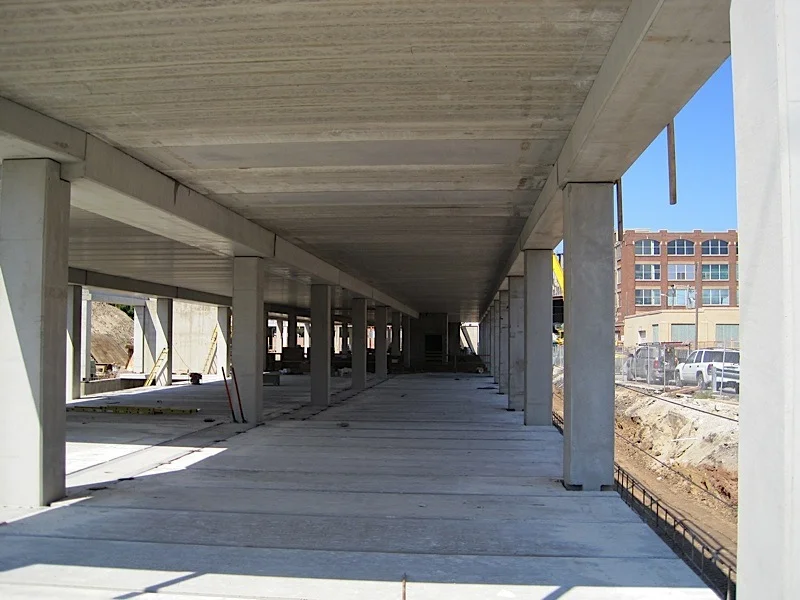
Industrial facilities throughout the Greater Toronto Area face a common challenge that often goes unnoticed until it becomes critical: aging concrete floor slabs that no longer meet operational demands. Whether your facility was built during Toronto’s industrial boom decades ago or you’ve simply increased operational loads over time, weakened floor slabs pose serious risks to productivity, safety, and your bottom line.

The industrial landscape across the GTA—from manufacturing plants in Mississauga to warehouses in Vaughan and distribution centers in Brampton—relies on robust concrete flooring to support heavy equipment, constant forklift traffic, and increasingly demanding operational requirements. When these floors begin showing signs of distress, property owners face a crucial decision: invest in slab strengthening or risk costly failures, operational disruptions, and potential safety incidents.

Understanding when and how to reinforce industrial concrete slabs isn’t just about preventing catastrophic failure—it’s about optimizing your facility’s performance, extending its service life, and protecting your substantial investment in property and equipment.

Why Industrial Slabs Fail: Understanding the Problem

Industrial concrete slabs face relentless stress from multiple sources, and Toronto’s climate compounds these challenges in ways that accelerate deterioration.

Age and Design Limitations

Many industrial facilities in the GTA were constructed between the 1960s and 1990s, when building codes and industry practices differed significantly from today’s standards. Original designs may have been adequate for intended uses but often fall short when facilities undergo modernization or operational changes. A warehouse originally designed for hand-stacking operations, for example, may now accommodate automated racking systems and heavy material handling equipment that exceed original load specifications.

The concrete itself also ages. Over decades, concrete undergoes carbonation—a chemical process where atmospheric carbon dioxide reacts with calcium hydroxide in the concrete. This gradually reduces the protective alkalinity around reinforcing steel, making it vulnerable to corrosion. In Toronto’s industrial areas, this process accelerates due to exposure to various airborne contaminants and temperature fluctuations.

Increased Operational Demands

Modern industrial operations place unprecedented demands on floor slabs. Heavier forklifts, automated guided vehicles (AGVs), increased storage density, and concentrated point loads from racking systems all stress floors beyond original design parameters. For facilities that have evolved without corresponding structural upgrades, these increased demands progressively compromise slab integrity.

Toronto Climate Factors

The GTA’s freeze-thaw cycles create unique challenges for industrial floors, particularly in areas where moisture can infiltrate joints, cracks, or improperly sealed surfaces. Industrial facilities often experience thermal cycling from heating systems, loading dock exposure, and uninsulated areas—all contributing to concrete stress and deterioration.

Additionally, de-icing salts tracked into facilities during winter months introduce chlorides that accelerate reinforcing steel corrosion. For industrial properties with loading docks or drive-through access, this seasonal exposure accumulates year after year, gradually undermining structural integrity.

Subgrade Settlement and Movement

Ontario’s varied soil conditions—from the clay soils common in Toronto and Mississauga to the sandy conditions in other GTA areas—can cause differential settlement over time. This settlement creates uneven support for concrete slabs, leading to cracking, joint deterioration, and structural stress. When combined with ground water fluctuations and seasonal frost penetration in perimeter areas, these soil movements progressively damage industrial floors.

concrete slab repair toronto

Recognizing Warning Signs: When Strengthening Becomes Necessary

Property owners should remain vigilant for indicators that slab strengthening is needed. Early intervention typically offers more cost-effective solutions than emergency repairs after significant failure.

Structural Indicators

Cracking Patterns: While minor hairline cracks are common, certain crack patterns signal serious concerns. Map cracking indicates subsurface issues, while parallel cracks along reinforcement lines suggest steel corrosion and concrete delamination. Full-depth structural cracks that extend through the slab thickness require immediate attention.

Spalling and Delamination: Areas where concrete surface layers have separated or broken away indicate advanced deterioration. Delamination—where internal concrete layers separate—often produces a hollow sound when tapped and suggests that the problem extends well beyond visible surface damage.

Joint Deterioration: Expansion joints, control joints, and construction joints experience heavy stress in industrial environments. Deteriorating joints allow moisture infiltration, facilitate spalling at edges, and create uneven transitions that damage material handling equipment.

Performance Issues

Surface Deficiencies: Dusting, where concrete surfaces produce fine powder under traffic, indicates weak concrete or surface carbonation. Scaling and surface deterioration not only create housekeeping challenges but also signal progressive concrete breakdown.

Flatness Problems: Industrial floors must meet specific flatness tolerances for proper equipment operation. Settlement, curling, or deflection that creates uneven surfaces interferes with material handling equipment, damages inventory, and reduces operational efficiency.

Load-Bearing Concerns: Visible deflection under loads, new crack development under heavy equipment, or documented load capacity insufficiency all indicate that existing slabs can no longer safely support operational demands.

Safety and Compliance Factors

Beyond structural concerns, deteriorating floors create safety hazards and compliance issues. Uneven surfaces increase trip hazards, crumbling concrete generates dust and debris, and compromised load capacity potentially violates occupational health and safety requirements. For facilities subject to food safety, pharmaceutical, or other regulatory standards, floor condition directly impacts compliance status.

Slab Strengthening Methods: Proven Solutions for Industrial Floors

Commercial concrete slab contractors employ various strengthening techniques, selecting methods based on specific conditions, performance requirements, and operational constraints.

Structural Overlay Systems

Bonded Overlays: These overlays involve placing a new concrete layer directly bonded to the existing slab, effectively increasing thickness and load capacity. Modern polymer-modified concrete overlays offer rapid strength gain—critical for minimizing downtime in active industrial facilities. Bonded overlays work best when the existing slab remains structurally sound but lacks adequate thickness or surface durability.

Unbonded Overlays: In situations where the existing slab has deteriorated significantly but provides adequate subgrade support, unbonded overlays separate new concrete from old using a bond-breaker layer. This approach essentially creates a new slab while leaving the old slab in place as a stable base.

Fiber Reinforcement Technologies

Carbon Fiber Reinforcement: Carbon fiber systems provide exceptional strength-to-weight ratios, making them ideal for situations where adding significant mass is problematic. Applied as fabric sheets or grid systems bonded to slab surfaces, carbon fiber reinforcement increases flexural strength and controls crack propagation without substantially increasing floor elevation.

Fiberglass Systems: Similar to carbon fiber but typically more cost-effective, fiberglass reinforcement systems offer excellent corrosion resistance and can be particularly effective for controlling temperature-induced movement and preventing crack widening.

Post-Tensioning and Steel Reinforcement

Post-Tensioning Systems: For severely compromised slabs or situations requiring significant load capacity increases, post-tensioning introduces compressive forces that counteract tensile stresses causing cracking. This technique involves installing tensioned steel cables or tendons through or beneath the slab, then anchoring them to create beneficial compressive stress.

Conventional Steel Reinforcement: Adding traditional rebar reinforcement through saw-cutting and epoxy placement provides additional tensile strength where needed. This method works particularly well for localized strengthening around specific load points or deteriorated areas.

Subgrade Stabilization and Void Filling

Sometimes slab problems stem more from inadequate support than concrete deficiencies. Polyurethane injection or similar void-filling techniques stabilize subgrades, fill voids beneath slabs, and provide uniform support. These methods are particularly relevant in the GTA, where soil conditions and ground water variations contribute to settlement issues.

Surface Hardening and Protection

Densifiers and Hardeners: Chemical densifiers penetrate concrete surfaces, reacting with calcium compounds to create harder, denser surface layers. These treatments reduce dusting, improve wear resistance, and protect against moisture and chemical intrusion.

High-Performance Coatings: Specialized epoxy, polyurethane, or polyaspartic coatings provide protective layers that shield concrete from chemical exposure, abrasion, and moisture while improving cleanability and appearance. For industrial facilities handling corrosive materials or requiring stringent cleanliness standards, protective coatings are often essential components of comprehensive floor restoration.

The Strengthening Process: What to Expect

Understanding the slab strengthening process helps property owners plan effectively and minimize operational disruption.

Assessment and Engineering

Professional concrete companies begin with thorough investigation to determine existing conditions and appropriate strengthening approaches. This assessment typically includes:

Structural Evaluation: Engineers examine visible conditions, review original construction documents when available, and perform testing such as core sampling, ground-penetrating radar, or concrete strength testing. This investigation establishes current slab thickness, reinforcement placement, concrete quality, and extent of deterioration.

Load Analysis: Evaluating current and anticipated future loads determines required strengthening levels. This analysis considers equipment weights, point loads from racking or machinery, traffic patterns, and any planned operational changes.

Subgrade Investigation: Since floor performance depends on adequate support, investigation often includes evaluating subgrade conditions through probing, soil testing, or non-destructive methods that identify voids or areas of inadequate support.

Design and Engineering Specifications

Based on assessment findings, engineers develop detailed strengthening specifications. For significant projects, these specifications must comply with Ontario Building Code requirements and may require review by local building officials. Working with experienced commercial concrete slab contractors ensures designs meet all regulatory requirements while addressing specific operational needs.

Execution Planning

Industrial facilities rarely afford extended shutdowns for floor work. Contractors experienced in industrial environments develop phased approaches that allow continued operations in unaffected areas. This planning considers material curing times, equipment access requirements, and operational scheduling to minimize disruption.

Installation and Quality Control

Proper execution determines long-term success. This phase involves surface preparation, material placement, reinforcement installation, and application of protective systems according to engineering specifications. Throughout installation, quality control measures—including material testing, placement verification, and curing protocols—ensure work meets design requirements.

For projects in Toronto’s variable climate, contractors must account for temperature and humidity conditions, particularly when using materials with specific environmental requirements or when working during shoulder seasons.

Post-Installation Considerations

After strengthening work completes, floors typically require specific curing times before resuming full operational loads. Contractors provide detailed guidance on appropriate return-to-service timelines, ensuring strengthening systems achieve required strength before experiencing operational stresses.

Regulatory Compliance and Industry Standards

Industrial slab strengthening in the GTA must comply with relevant codes and standards. The Ontario Building Code governs structural concrete work, establishing minimum requirements for materials, design, and construction. For facilities in specific industries—food processing, pharmaceuticals, or hazardous materials handling—additional regulatory requirements may affect floor specifications.

The American Concrete Institute (ACI) publishes industry standards that guide best practices for concrete repair and strengthening. Reputable concrete companies follow these standards, ensuring work meets recognized quality benchmarks regardless of minimum code requirements.

Additionally, occupational health and safety regulations affect how industrial floor work is performed, particularly regarding dust control, chemical exposure, and fall protection. Contractors must demonstrate proper safety protocols and WSIB compliance.

Long-Term Performance and Maintenance

Properly strengthened industrial slabs should provide decades of reliable service, but ongoing maintenance optimizes performance and protects your investment.

Regular Inspections

Implement scheduled inspection programs that identify emerging issues before they become serious. These inspections should focus on joint conditions, crack development, surface wear patterns, and any settlement or deflection indicators.

Preventive Maintenance

Maintaining proper joint sealants, promptly addressing minor cracks, and keeping floors clean from chemical spills all extend slab service life. For facilities with protective coatings, following manufacturer-recommended maintenance schedules preserves coating effectiveness.

Documentation

Maintaining detailed records of strengthening work, materials used, and subsequent maintenance helps with future planning and provides valuable information if additional work becomes necessary. This documentation also supports property valuations and due diligence for potential buyers.

Concrete Slab Strengthening in Toronto

Industrial floor slab strengthening represents a strategic investment in your facility’s operational capabilities, safety, and long-term viability. Throughout the Greater Toronto Area, aging industrial buildings benefit from modern strengthening technologies that extend service life, accommodate evolving operational demands, and prevent costly failures.

Whether you’re addressing visible deterioration, planning for increased capacity, or implementing preventive measures to protect valuable infrastructure, partnering with an experienced commercial concrete slab contractor ensures optimal solutions tailored to your specific needs.

Our integrated expertise—spanning structural concrete work, foundation repair, waterproofing applications, and protective coatings—allows us to address complex floor challenges with coordinated, cost-effective approaches. We understand the operational realities of industrial environments and work proactively to minimize disruption while delivering lasting results.

Don’t wait for minor floor issues to escalate into major problems that threaten operations and safety. Contact Nusite Group for a professional assessment of your industrial floor conditions. Our experienced team will evaluate your facility’s specific requirements, provide honest recommendations, and develop strengthening solutions that protect your investment and support your business objectives for years to come.

For property owners across the Greater Toronto Area, maintaining commercial concrete surfaces represents one of the most critical—and often overlooked—aspects of facility management. From parking lots bearing the weight of constant traffic to loading docks exposed to Toronto’s harsh freeze-thaw cycles, commercial concrete surfaces face relentless challenges that gradually compromise their structural integrity and appearance.

The reality is that concrete deterioration doesn’t happen overnight. What begins as minor surface cracks or slight discoloration can quickly escalate into significant structural issues, potentially leading to costly emergency repairs, liability concerns, and disrupted business operations. For businesses throughout the GTA—from Mississauga to Markham, and everywhere in between—understanding when and how to address concrete restoration is essential for protecting your investment and ensuring the safety of employees and customers alike.

Understanding Commercial Concrete Deterioration in the GTA

Toronto’s unique climate presents exceptional challenges for commercial concrete surfaces. The region experiences dramatic temperature swings, with summer highs reaching above 30°C and winter lows plummeting well below -15°C. This constant expansion and contraction creates what professionals call the freeze-thaw cycle—one of concrete’s most formidable enemies.

Common Signs of Concrete Damage

Property owners should watch for several telltale indicators that restoration work is needed:

Surface-Level Issues: Scaling, spalling, and surface cracking often appear first. Scaling presents as flaking or peeling of the top layer, typically caused by de-icing salt exposure combined with moisture infiltration. Spalling involves larger chunks of concrete breaking away, creating both safety hazards and accelerating further deterioration.

Structural Concerns: More serious problems include settlement cracks, which indicate movement in the underlying substrate, and extensive cracking patterns that compromise the concrete’s load-bearing capacity. For commercial properties, these issues can affect everything from parking lots and walkways to loading docks and foundation walls.

Water-Related Damage: Standing water, drainage issues, and visible efflorescence (white, chalky deposits on the surface) signal moisture problems that will worsen if left unaddressed. In Toronto’s climate, water infiltration during fall and winter is particularly problematic, as trapped moisture freezes and expands, causing progressive damage throughout the cold months.

The Cost of Delayed Action

Postponing concrete repairs typically increases costs exponentially. A minor crack requiring simple sealing today may evolve into a full-depth repair requiring excavation and replacement within a single winter season. For commercial property owners, this progression doesn’t just mean higher repair costs—it also means potential liability issues, compromised accessibility compliance, and negative impacts on property value and curb appeal.

Comprehensive Concrete Restoration Solutions

Modern commercial concrete contractors offer a range of restoration techniques tailored to specific damage types and severity levels. Understanding these options helps property owners make informed decisions about their concrete surfaces.

Surface Restoration and Repair

For concrete showing early to moderate deterioration, surface-level restoration can effectively extend service life while improving appearance and functionality.

Concrete Resurfacing: This process involves applying a new layer of specialized concrete or polymer-modified overlay to existing surfaces. Resurfacing addresses surface damage, improves skid resistance, and provides a fresh, uniform appearance. For commercial properties throughout the GTA, resurfacing offers a cost-effective alternative to complete replacement for surfaces with sound underlying structure.

Crack Repair and Sealing: Different crack types require different repair approaches. Dormant cracks can be cleaned and filled with flexible sealants, while active cracks—those showing ongoing movement—require routing and filling with materials that accommodate continued expansion and contraction. Professional concrete repair companies assess crack patterns to determine the appropriate treatment method.

Top Coating Applications: Protective top coatings provide an additional barrier against moisture, chemical exposure, and wear. These coatings are particularly valuable for high-traffic commercial areas, offering enhanced durability while improving the visual appeal of concrete surfaces.

Structural Concrete Restoration

When concrete deterioration extends beyond surface level, more comprehensive structural restoration becomes necessary.

Full-Depth Repairs: These repairs involve removing damaged concrete to sound material and replacing it with new concrete or specialized repair mortars. Full-depth repairs are essential when concrete has lost structural integrity due to corrosion of reinforcing steel, extensive freeze-thaw damage, or other deep-seated problems.

Foundation Restoration: For commercial buildings experiencing foundation issues, specialized repair techniques address everything from settling and cracking to water infiltration problems. Foundation restoration may include underpinning, crack injection, and waterproofing applications—all critical for maintaining building stability and preventing interior water damage.

Concrete Reinforcement: In situations where existing concrete requires additional strength, contractors can install carbon fiber reinforcement, steel reinforcement, or other strengthening systems. These solutions are particularly relevant for older commercial properties where current loads exceed original design specifications.

Specialized Commercial Applications

Parking Lot and Paving Restoration: Commercial parking lots endure constant vehicle traffic, exposure to chemicals from automotive fluids, and the corrosive effects of road salt. Comprehensive restoration addresses concrete deterioration, improves drainage, updates line marking, and ensures ADA compliance.

Loading Dock Repair: Loading docks face unique stresses from heavy equipment and repeated impacts. Restoration work for these areas focuses on structural integrity, proper drainage, and creating durable surfaces that withstand constant use.

Elevator Pit Waterproofing: Basement elevator pits are particularly vulnerable to water infiltration. Professional waterproofing applications protect these critical areas from moisture damage that could compromise equipment and create costly maintenance issues.

concrete column strengthening toronto

The Restoration Process: What Property Owners Should Expect

Understanding the restoration process helps property owners plan effectively and sets realistic expectations for timelines and disruption.

Initial Assessment and Planning

Professional commercial concrete contractors begin with a thorough site assessment. This evaluation examines the extent of damage, identifies underlying causes, and determines the most appropriate repair methods. For properties in Toronto and the surrounding GTA, contractors also consider timing—scheduling major concrete work during favorable weather conditions optimizes results and minimizes cure time concerns.

The assessment should include core sampling for significant projects, which provides detailed information about concrete depth, reinforcement placement, and subsurface conditions. This data informs repair specifications and helps avoid unexpected complications during execution.

Surface Preparation

Proper preparation determines restoration success. Contractors remove damaged concrete, clean surfaces thoroughly, and prepare substrates to receive repair materials. This phase may involve pressure washing, scarification, grinding, or other mechanical preparation methods. For areas requiring waterproofing applications, surface preparation is especially critical—inadequate preparation compromises waterproofing membrane adhesion and long-term performance.

Material Selection and Application

Professional contractors select repair materials based on project-specific requirements, considering factors like climate exposure, anticipated loads, cure time requirements, and compatibility with existing concrete. The GTA’s climate demands materials specifically formulated for freeze-thaw resistance and rapid-strength development when projects occur during shoulder seasons.

Application techniques vary by repair type but always follow manufacturer specifications and industry best practices. Whether applying overlays, placing structural concrete, or installing waterproofing membranes, experienced contractors ensure proper material placement, consolidation, and finishing.

Curing and Protection

Adequate curing is crucial for developing concrete strength and durability. Contractors implement appropriate curing methods—water curing, membrane-forming curing compounds, or insulated blankets for cold-weather projects—to protect fresh concrete during critical early strength development. For commercial properties, contractors also coordinate protection measures to safely accommodate business operations during the curing period.

Toronto’s Climate Challenges and Concrete Maintenance

The Greater Toronto Area’s climate creates specific challenges that property owners must address through both responsive repairs and proactive maintenance.

Freeze-Thaw Cycle Management

Toronto typically experiences 60-80 freeze-thaw cycles annually—each cycle creating stress in concrete containing moisture. Property owners can minimize freeze-thaw damage through several strategies:

Proper Drainage: Ensuring water drains away from concrete surfaces reduces moisture available for freeze-thaw damage. This includes maintaining functional drainage systems, addressing low spots where water accumulates, and ensuring proper grading around structures.

Sealing and Protection: Regular application of penetrating sealers reduces moisture absorption. For commercial applications, these sealers should be reapplied every 2-3 years or as recommended by manufacturers.

Winter Maintenance Practices: While de-icing salts are necessary for safety, minimizing salt use and promptly removing snow and ice reduces concrete exposure to aggressive chemicals.

Regulatory Considerations

Commercial concrete work in Toronto must comply with relevant building codes and municipal regulations. The Ontario Building Code establishes minimum standards for concrete work, including specifications for concrete strength, reinforcement, and construction practices. Additionally, properties must maintain accessibility standards under the Accessibility for Ontarians with Disabilities Act (AODA), which includes requirements for walkways, parking areas, and building entrances.

For projects requiring building permits—which typically include foundation work and certain types of structural repairs—working with experienced contractors ensures compliance with all regulatory requirements and proper permit acquisition.

Preventive Maintenance Programs

Forward-thinking property owners implement preventive maintenance programs that extend concrete service life and reduce long-term costs. These programs include regular inspections, prompt minor repairs, scheduled sealing, and professional cleaning. For multi-property portfolios throughout the GTA, systematic maintenance approaches provide consistency and cost predictability.

Choosing the Right Commercial Concrete Contractor

Selecting a qualified concrete repair company significantly impacts project outcomes, costs, and long-term satisfaction.

Experience and Expertise

Look for contractors with substantial experience in commercial concrete restoration. Companies operating for 30 years or more have weathered various economic conditions, evolved with industry advances, and developed refined systems for handling complex projects. This experience proves particularly valuable when addressing unusual conditions or solving recurring problems.

Comprehensive service capabilities also matter. Contractors offering integrated services—concrete repair, waterproofing applications, foundation work, and commercial roofing—provide coordinated solutions addressing multiple building envelope concerns.

Quality and Reliability Indicators

Proper Insurance and Bonding: Verify that contractors carry adequate liability insurance and WSIB coverage. For larger projects, performance bonds protect property owners against contractor default.

References and Portfolio: Request references from similar commercial projects and review completed work examples. Speaking with past clients provides insights into reliability, communication, quality, and problem-solving abilities.

Transparent Communication: Quality contractors provide detailed written proposals, explain repair recommendations clearly, and maintain open communication throughout projects. They should willingly answer questions and address concerns.

Value Beyond Price

While cost considerations are important, the lowest bid rarely represents the best value. Experienced contractors using quality materials and proven techniques typically charge fair prices reflecting their expertise and the true scope of work required. Suspiciously low bids may indicate corners that will be cut, inferior materials, or misunderstanding of project requirements.

Commercial Concrete Solutions in Toronto

Commercial concrete and paving restoration represents a significant investment in your property’s longevity, safety, and appearance. Throughout the Greater Toronto Area, businesses face unique challenges from our demanding climate, requiring knowledgeable contractors who understand both the technical aspects of concrete repair and the specific conditions affecting our region.

Whether you’re managing a deteriorating parking lot, addressing foundation concerns, or planning comprehensive facility updates, partnering with an experienced commercial concrete contractor ensures work is completed correctly, efficiently, and with lasting results.

Nusite Group brings over 30 years of specialized experience to commercial concrete restoration projects throughout Toronto and the GTA. Our comprehensive capabilities—spanning waterproofing applications, foundation repair, commercial restoration, and protective coatings—allow us to address all aspects of your concrete needs with integrated, cost-effective solutions. We understand the urgency of keeping your business operational while completing necessary repairs, and our proven track record demonstrates our commitment to quality workmanship and client satisfaction.

Don’t wait for minor concrete issues to escalate into major problems. Contact Nusite Group today for a professional assessment of your commercial concrete surfaces. Our team will evaluate your property’s specific needs, provide honest recommendations, and deliver restoration solutions that protect your investment for years to come.