Toronto homeowners facing chronic basement water problems often discover that their property’s original exterior waterproofing system has failed. Whether due to deteriorated weeping tiles, inaccessible foundation walls, or the prohibitive cost of full exterior excavation, many GTA residents find themselves exploring interior drainage solutions. Interior weeping tile systems—also called interior French drains—offer effective basement waterproofing when exterior approaches aren’t feasible or when budget constraints require a more economical solution.

Understanding how interior weeping tile systems work, when they represent the best waterproofing choice for your Toronto home, and what the installation process involves helps you make informed decisions about protecting your basement from water damage. While exterior waterproofing remains the gold standard for foundation protection, modern interior drainage systems provide reliable, long-lasting solutions that keep Toronto basements dry even when groundwater pressure is high.

Understanding Hydrostatic Pressure and Toronto’s Water Table

Why Water Enters Toronto Basements

Basement water infiltration stems from hydrostatic pressure—the force exerted by water in soil pressing against your foundation walls and floor. In Toronto’s clay-heavy soil, this pressure becomes particularly intense during spring thaw and heavy rainfall periods. The clay soil that characterizes much of the GTA holds water rather than allowing it to drain naturally, creating sustained pressure against foundation walls that forces water through any available pathway.

Toronto’s water table—the underground level where soil is fully saturated—varies significantly across neighborhoods and fluctuates seasonally. Properties in lower-lying areas, near ravines, or on former creek beds experience higher water tables that rise substantially during wet seasons. When the water table rises above your basement floor level, hydrostatic pressure pushes water upward through floor cracks and at the cove joint where your basement floor meets the walls.

Concrete, despite its strength, remains porous at a microscopic level. Under sustained hydrostatic pressure, water migrates through concrete foundations, gradually saturating interior surfaces even without visible cracks. This explains why some Toronto basements experience persistent dampness and humidity without obvious leak sources. Interior weeping tile systems address this challenge by managing water after it penetrates the foundation structure rather than attempting to block it entirely.

When Interior Systems Make Sense for Toronto Homes

Several scenarios make interior weeping tile systems the practical choice for Toronto basement waterproofing. Properties with shared driveways, townhomes where accessing adjacent property isn’t possible, and homes with mature landscaping or expensive hardscaping often can’t accommodate exterior excavation. Toronto’s older neighborhoods feature many properties where lot lines, underground utilities, or structural constraints make exterior work impractical or impossible.

Interior systems also suit homeowners who need immediate waterproofing solutions but lack the budget for comprehensive exterior work. While exterior waterproofing provides more complete foundation protection, interior drainage systems cost significantly less—typically 40-60% of exterior excavation costs—while effectively managing most basement water problems. For Toronto homeowners planning to sell within 5-10 years, interior systems provide adequate protection without the extensive investment of exterior waterproofing.

Finished basements present another compelling case for interior drainage. Rather than removing finished walls, floors, and ceilings to repair foundation leaks from outside, interior systems can often be installed with targeted demolition of affected areas only, preserving most of your basement renovation investment.

Interior-Weeping-Tile-Systsems-Toronto

How Interior Weeping Tile Systems Work

The Science Behind Interior Drainage

Interior weeping tile systems operate on a simple principle: water naturally seeks the lowest point. By creating a drainage pathway below your basement floor level around the foundation perimeter, these systems attract groundwater before it can rise into your living space. The system captures water that has penetrated through or beneath foundation walls, channeling it to a sump pump basin for removal from your property.

Modern interior weeping tile consists of perforated PVC pipe, typically 4 inches in diameter, installed in a gravel-filled trench. The perforations face downward, allowing water to enter the pipe from below while preventing sediment from the drain rock from clogging the system. A filter fabric sleeve surrounds the pipe, providing additional protection against silt infiltration while allowing water to pass freely.

The trench extends below your foundation footing level—typically 12-18 inches from the wall and 6-8 inches below the footings. This placement ensures the system intercepts water before hydrostatic pressure can force it upward into your basement. The slight slope of the installed pipe—typically 1/4 inch per linear foot—ensures water flows consistently toward the sump basin rather than pooling in low spots.

Sump Pump Integration

Interior weeping tile systems depend on reliable sump pump operation to remove collected water. Toronto contractors install sump basins at the system’s lowest point, typically in a basement corner. The basin, a perforated plastic liner approximately 18-24 inches in diameter and 24-30 inches deep, collects water from the weeping tile network.

Quality installations include primary and backup sump pumps. The primary pump, typically a 1/2 horsepower submersible unit, handles normal water volumes. Backup systems—either battery-powered or water-pressure-operated—activate if the primary pump fails or during power outages. Given Toronto’s occasional severe weather and power interruptions, backup pumps provide essential insurance against basement flooding during the very conditions when your primary pump is most likely to fail.

Discharge lines carry pumped water away from your foundation. Toronto building practices require these lines to discharge at least 6 feet from the house, though 10-15 feet provides better protection. In winter, discharge lines require insulation or burial below frost depth to prevent freezing, and many Toronto contractors install buried lines that discharge to municipal storm sewers where permitted or to daylight drainage points on your property.

The Interior Weeping Tile Installation Process

Pre-Installation Assessment and Preparation

Professional Toronto waterproofing contractors begin interior weeping tile installation with comprehensive basement assessment. This includes identifying all water entry points, evaluating foundation condition, locating floor drains and utility lines, and determining optimal sump basin placement. Contractors must also secure any required permits from the City of Toronto, though most interior drainage work doesn’t require permits unless you’re connecting to municipal systems.

Preparation involves removing affected flooring and clearing the installation area. For finished basements, contractors remove drywall to approximately 3 feet above floor level along the perimeter walls, providing access to the cove joint and allowing proper inspection of foundation walls. Any stored items must be relocated, and contractors typically establish plastic barriers to contain dust and debris from concrete cutting.

Step-by-Step Installation

The installation process for interior weeping tile systems in Toronto homes follows a systematic approach:

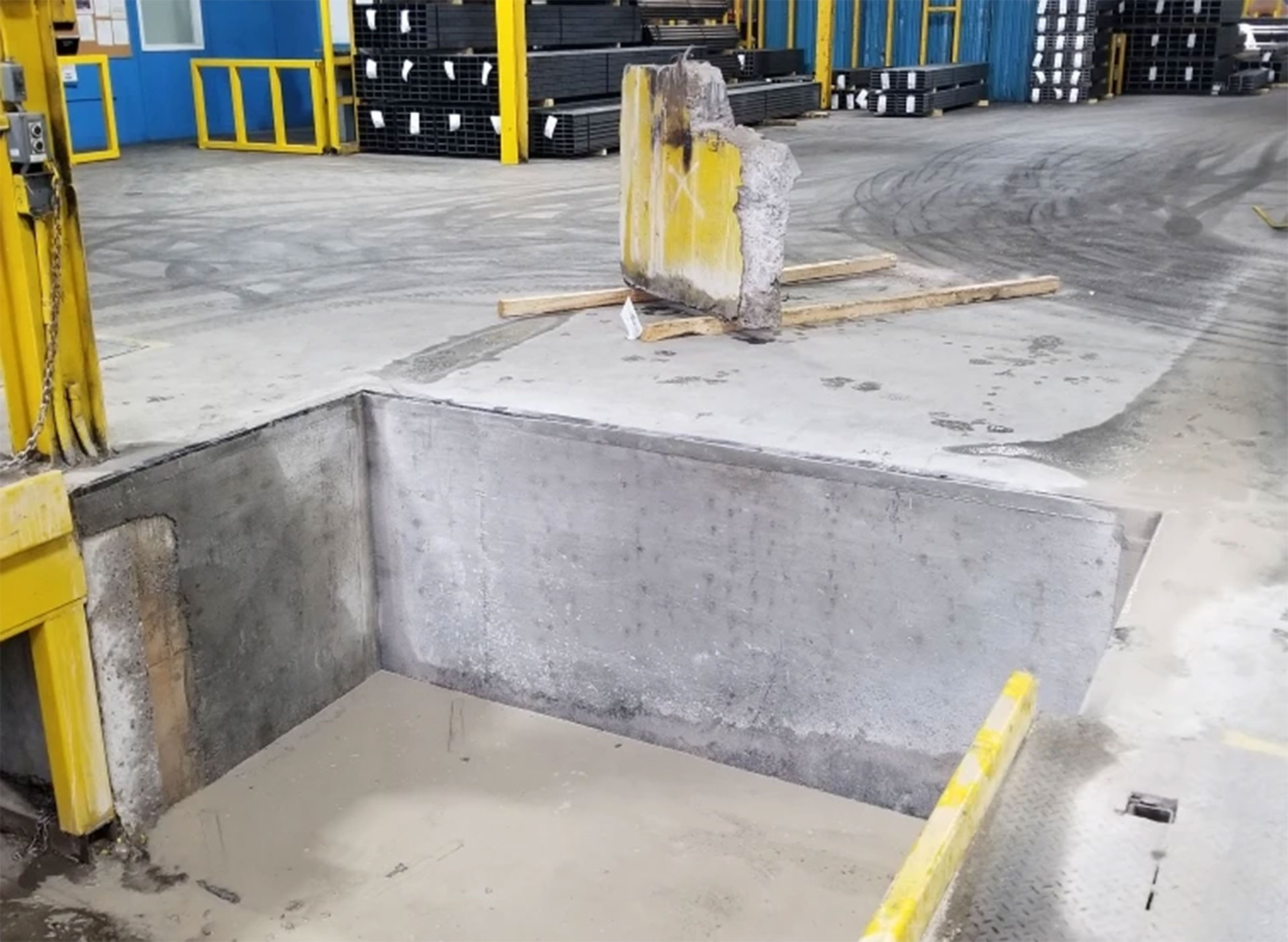
Concrete Removal: Contractors use concrete saws to cut an 18-inch wide trench around the basement perimeter, typically 12-18 inches from the walls. This width accommodates the weeping tile pipe, surrounding gravel, and allows adequate working room. The cutting process generates significant dust, necessitating proper ventilation and containment measures. Jackhammers then break out the cut concrete sections, which are removed from the property.

Excavation: Workers dig the trench to extend 4-6 inches below the foundation footings. In Toronto’s clay soil, excavation requires care to avoid undermining footings. The trench bottom slopes consistently toward the planned sump basin location, ensuring proper drainage flow. Any floor cracks or gaps along the cove joint are cleaned and prepared for sealing.

Weeping Tile Installation: Clean gravel (typically 3/4 inch clear stone) forms the trench base, creating a free-draining layer approximately 2-3 inches deep. Contractors place the perforated weeping tile pipe on this gravel bed, with perforations facing downward. Pipe sections connect with proper couplings, ensuring watertight joints. The entire perimeter connects, with the pipe run terminating at the sump basin location.

Sump Basin Placement: Contractors excavate a deeper pit for the sump basin, typically 30-36 inches deep. The basin is positioned so the weeping tile drains into it properly. Gravel surrounds the basin, and the basin cover must be sealed to prevent moisture evaporation into your basement air.

Backfilling and Sealing: Additional gravel covers the weeping tile to just below the original floor level, typically 2-3 inches from the top. A filter membrane often covers this gravel layer before concrete replacement. Some Toronto contractors apply waterproof membrane along foundation walls above the weeping tile level, creating a moisture barrier that directs any wall seepage down into the drainage system rather than through your basement walls.

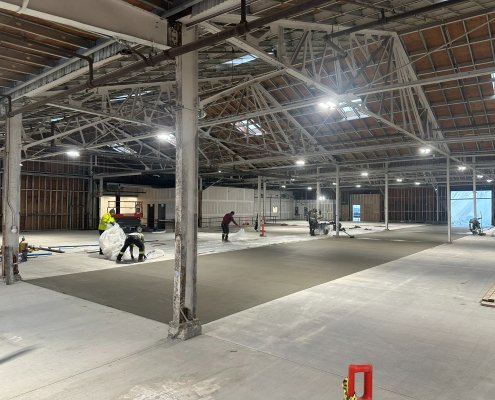
Concrete Restoration: Fresh concrete fills the trench, finished flush with the existing basement floor. Proper concrete mix and finishing ensure durability and prevent future cracking. The concrete requires several days to cure before tolerating normal floor loads, and several weeks before reaching full strength.

System Testing and Finalization

After installation, reputable Toronto waterproofing contractors test the system thoroughly. This includes running water into the weeping tile through access ports or test risers, verifying proper drainage to the sump basin, testing both primary and backup pumps under load, and checking discharge line function. Contractors also verify that the system maintains positive drainage slope throughout its entire length and that no low spots exist where water might pool.

Maintenance Requirements for Interior Weeping Tile Systems

Sump Pump Care

Interior weeping tile systems require more ongoing maintenance than exterior waterproofing but less than homeowners often fear. Primary maintenance focuses on sump pump operation. Toronto homeowners should test pumps monthly by pouring water into the basin until the float activates the pump. Battery backup systems need battery replacement every 3-5 years, and water-powered backups require annual inspection of pressure-reducing valves.

Clean the sump basin annually, removing any accumulated sediment. Check discharge lines before spring thaw and after major storms to ensure they’re not blocked by ice, debris, or landscaping. In winter, monitor discharge points to prevent ice buildup that could block water flow.

Weeping Tile Monitoring

Properly installed interior weeping tile systems in Toronto homes typically function for decades with minimal intervention. The filter fabric and gravel surround prevent silt intrusion that clogs exterior tiles. However, homeowners should watch for signs of system compromise, including increased sump pump cycling frequency, which might indicate a system problem or rising water table conditions.

If your basement develops new moisture problems after years of successful interior weeping tile operation, professional inspection can determine whether foundation settling has affected drainage slopes or whether your sump pump capacity needs upgrading to handle increased water volumes.

Comparing Interior vs. Exterior Waterproofing Solutions

Understanding the Differences

While both interior and exterior approaches address Toronto basement water problems, they work differently. Exterior waterproofing prevents water from reaching foundation walls by applying waterproof membranes, installing drainage systems outside the foundation, and protecting the structure at its most vulnerable points. This approach addresses water at its source, before hydrostatic pressure develops against your foundation.

Interior weeping tile systems accept that water will penetrate foundation walls but manage it effectively before it enters living spaces. This approach doesn’t reduce hydrostatic pressure against your foundation—water still saturates the concrete and exerts force against it. However, by providing a relief pathway, interior systems prevent the most problematic manifestations of this pressure: wet basements, damaged finishes, and mold growth.

When to Choose Which Approach

Toronto waterproofing contractors generally recommend exterior solutions when accessible and affordable. Exterior work provides comprehensive foundation protection, extends foundation lifespan by reducing moisture exposure, and typically carries longer warranties. Properties with significant foundation cracks, deteriorating masonry, or structural concerns benefit most from exterior approaches that address these issues simultaneously with waterproofing.

Interior systems excel for properties where exterior work isn’t practical, when budget constraints exist, or when the primary goal is keeping the basement dry rather than comprehensive foundation rehabilitation. Many Toronto homes successfully combine approaches—perhaps exterior waterproofing on accessible sides of the house with interior drainage where access is limited.

Costs and Investment Considerations

Interior weeping tile installation in Toronto typically costs $6,000-12,000 for an average basement, depending on perimeter length, sump pump specifications, concrete floor thickness, and site-specific challenges. This compares to $15,000-30,000 for exterior excavation and waterproofing. While less expensive initially, interior systems have ongoing costs including pump replacement every 7-10 years and higher electricity costs from pump operation.

From an investment perspective, both interior and exterior waterproofing increase Toronto home values and appeal to buyers. Properties with documented waterproofing solutions sell faster and command premiums over comparable homes with basement moisture issues. Interior weeping tile warranties typically run 15-25 years when installed by qualified contractors, providing long-term protection and peace of mind.

Ensuring Quality Installation in Toronto

Selecting Qualified Contractors

Interior weeping tile installation requires specialized knowledge and proper equipment. Toronto homeowners should verify that contractors hold appropriate insurance and WSIB coverage, protecting you from liability if workers are injured on your property. Request references from recent similar projects and verify the contractor’s experience specifically with interior drainage systems.

Quality contractors provide detailed written estimates specifying materials, sump pump specifications, warranty terms, and project timeline. They should explain how they’ll protect your property during installation, including dust containment, concrete removal methods, and cleanup procedures. Ask about the contractor’s approach to discovering unexpected conditions—additional foundation cracks, utility conflicts, or structural concerns—and how these might affect project costs.

Warranties and Long-Term Support

Reputable Toronto waterproofing contractors warranty interior weeping tile installations for 15-25 years, covering both materials and workmanship. Understand what the warranty includes: does it cover only the drainage system, or does it also guarantee a dry basement? What conditions might void the warranty, such as foundation modifications or DIY repairs? Is the warranty transferable to future homeowners?

Equally important is the contractor’s longevity and reputation. A 20-year warranty means little if the company doesn’t remain in business. Established Toronto waterproofing firms with decades of operation provide greater assurance that warranty commitments will be honored when needed.

Protect Your Toronto Basement with Professional Interior Drainage

Interior weeping tile systems represent proven, effective solutions for Toronto basement waterproofing challenges. When exterior approaches aren’t feasible or when budget considerations require economical alternatives, interior drainage provides reliable protection against the water problems that plague many GTA homes. Understanding how these systems work, what installation entails, and how to maintain them empowers you to make informed decisions about your basement waterproofing needs.

At Nusite Group, we’ve installed interior weeping tile systems throughout Toronto and the GTA for over 30 years. Our experienced team understands the unique challenges that Toronto’s soil conditions, water tables, and housing stock present to basement waterproofing. We provide comprehensive assessments that honestly evaluate whether interior drainage, exterior waterproofing, or a combined approach best serves your specific situation and budget.

Every Nusite Group interior weeping tile installation includes quality materials, professional-grade sump pumps with backup systems, thorough testing, and comprehensive warranties. We complete projects efficiently while protecting your property and minimizing disruption to your household.

If your Toronto basement suffers from water infiltration and you’re exploring interior drainage solutions, contact Nusite Group for your free consultation and estimate. Our waterproofing specialists will assess your basement, explain all options available, and design an interior weeping tile system that keeps your Toronto home dry and protected for decades to come.

When basement flooding strikes your Toronto home, the immediate response can mean the difference between a manageable cleanup and a catastrophic safety incident. Whether caused by severe thunderstorms overwhelming the city’s drainage infrastructure, spring snowmelt raising groundwater levels, or foundation waterproofing failures allowing water infiltration, flooded basements present serious hazards that extend well beyond property damage. Understanding these dangers and taking proper precautions protects your family’s safety while you navigate the stressful process of water damage recovery.

Toronto experiences significant flooding events more frequently than many residents realize. The Don River flood of 2013, Hurricane Hazel’s devastating 1954 impact, and increasingly common severe storm events demonstrate that GTA homes face real flood risks. When water invades your basement, knowing how to respond safely becomes critical knowledge that every Toronto homeowner needs.

Understanding Toronto’s Basement Flooding Risks

Common Flood Causes in the GTA

Toronto basement flooding stems from multiple sources, each presenting unique challenges. Overland flooding occurs when torrential rainfall exceeds the capacity of storm sewers, causing water to flow across properties and into basements through windows, doors, and foundation openings. The Toronto and Region Conservation Authority identifies several high-risk flooding areas throughout the GTA, particularly properties near the Don River, Humber River, and Rouge River watersheds.

Sewer backups represent another major flooding source in Toronto. During severe storms, combined sewer systems carrying both sewage and stormwater become overwhelmed, forcing contaminated water back into homes through basement floor drains and toilets. This type of flooding creates particularly hazardous conditions requiring specialized cleanup protocols beyond standard water damage restoration.

Groundwater infiltration through foundation failures causes more gradual but equally problematic basement flooding. Failed exterior waterproofing, deteriorated weeping tiles, and foundation cracks allow groundwater to seep continuously into basements. While this water accumulates more slowly than storm flooding, chronic foundation water problems still create dangerous conditions and extensive property damage over time.

Rapid snowmelt during Toronto’s spring thaw can produce flooding conditions rivaling major storm events. When temperatures spike suddenly after heavy winter snow accumulation, the volume of melting snow overwhelms drainage systems while frozen ground prevents normal soil absorption. This perfect storm of conditions has caused some of Toronto’s most widespread basement flooding incidents.

Immediate Safety Priorities After Basement Flooding

Electrical Hazards: The Primary Concern

Electricity and water create a lethal combination that claims lives every year during flood events. Before entering any flooded area of your Toronto home, ensure the main electrical panel is shut off. In most homes, breaker panels are located in basements, creating a dangerous catch-22 when basements flood. If your breaker panel is in the flooded area, never wade through water to reach it.

Call Toronto Hydro or your local electrical utility to disconnect power at the meter. Most utilities provide emergency disconnection services for flood situations. If you can safely access your breaker panel without entering flooded areas, shut off all basement circuits first, followed by the main breaker. However, if any doubt exists about safe access, wait for qualified electricians to handle electrical disconnection.

After power disconnection and water removal, hire licensed electricians to inspect all electrical systems before restoration. Flood-damaged electrical components—breaker panels, outlets, wiring, light fixtures—may appear functional but pose fire and shock risks. Submerged electrical equipment requires replacement, not just drying. Toronto building codes mandate specific standards for electrical systems exposed to flooding, and professional inspection ensures compliance before re-energizing circuits.

Natural Gas and Carbon Monoxide Dangers

Natural gas leaks during flooding events create explosion and asphyxiation risks. If you detect any natural gas odor—often described as smelling like rotten eggs—evacuate immediately and call Enbridge Gas from outside your home. Never attempt to locate gas leaks yourself, light flames, operate electrical switches, or do anything that might create ignition sources.

Even without detectable gas leaks, flooding can affect gas appliances—furnaces, water heaters, dryers—in ways that compromise safety. Gas appliances submerged in floodwater require professional inspection and likely replacement before safe operation. Carbon monoxide produced by malfunctioning gas appliances poses deadly risks, particularly in basements where this odorless, colorless gas accumulates in low-lying areas.

Install battery-operated carbon monoxide detectors on each floor of your Toronto home if you don’t already have them. During flood recovery, when you may be using temporary heating, running pumps, or operating generators, carbon monoxide monitoring becomes especially critical. Never operate gas-powered equipment indoors, including gasoline-powered pumps or generators, regardless of ventilation.

Contaminated Water and Sewage Exposure

Not all floodwater poses equal health risks. Clean water from broken pipes or appliance failures presents minimal contamination concerns. Gray water from washing machines, dishwashers, or sump pumps contains some contaminants requiring caution. Black water—sewage backups or water contaminated with soil organisms—poses serious health hazards requiring specialized handling.

Toronto’s combined sewer system means that storm flooding often brings sewage contamination into basements. This black water contains bacteria, viruses, parasites, and toxic substances that cause illness through contact with skin, ingestion, or inhalation of contaminated mist. Protective equipment becomes essential for anyone entering areas affected by sewage-contaminated flooding.

Wear waterproof boots extending above flood levels, heavy-duty rubber gloves, and eye protection when working in flooded areas. N95 masks or respirators protect against mold spores and airborne contaminants. Thoroughly wash any skin that contacts floodwater with soap and clean water. Seek immediate medical attention if cuts or wounds become exposed to contaminated floodwater, as serious infections can develop rapidly.

Structural Safety Assessment

Foundation and Structural Integrity Concerns

Floodwater exerts tremendous pressure against foundation walls, potentially causing structural damage that compromises your home’s safety. Toronto contractors report that severe flooding events can crack foundations, shift walls, or even cause foundation failure if water pressure becomes extreme. Before allowing family members back into flooded areas, assess for obvious structural problems.

Warning signs of flood-related structural damage include new or widened foundation cracks, walls that appear bowed or shifted, doors and windows that no longer close properly, and separated seams where walls meet ceilings or floors. If you observe any of these conditions, evacuate the affected area and consult structural engineers before proceeding with cleanup.

Basement floors can also sustain damage during flooding. If foundation waterproofing systems fail catastrophically, hydrostatic pressure from below can cause floor slabs to heave or crack. Never walk on basement floors showing obvious lifting, tilting, or severe cracking, as they may not support weight safely.

Hidden Hazards in Flood Debris

Floodwater carries surprising contents into your basement beyond just water. Toronto flood cleanup crews regularly encounter displaced items from throughout neighborhoods—construction materials, chemicals, fuel containers, even propane tanks—swept into basements by floodwater currents. Approach all debris cautiously, as hazardous materials may be concealed.

Wildlife represents another unexpected flood hazard. Rodents, snakes, and other animals seeking refuge from rising water may take shelter in basements. Disturbed wildlife can bite or scratch, potentially transmitting diseases. Inspect carefully before handling stored items or debris, and contact animal control if you encounter wildlife in your flooded basement.

Sharp objects, broken glass, nails, and unstable piles of waterlogged materials create injury risks during cleanup. Never rush through flooded basements. Move methodically, test floor stability before committing your weight, and use proper lighting to identify hazards in murky or contaminated water.

Documentation and Insurance Considerations

Photographing Damage Before Cleanup

Toronto homeowners often feel compelled to begin cleanup immediately after flooding, but premature restoration can jeopardize insurance claims. Before removing any water, moving damaged items, or beginning repairs, thoroughly document all damage with photographs and videos. Insurance adjusters need to see the full extent of flooding to properly evaluate claims.

Photograph water levels on walls, showing high-water marks that indicate flood depth. Document all damaged belongings, mechanical systems, and building materials. Take both wide shots showing overall conditions and close-ups of specific damage. Include date stamps or newspapers in photos to prove timing if possible. This documentation protects your financial interests while also providing records of pre-existing conditions should future flooding occur.

Most Ontario homeowner insurance policies have specific notification requirements for flood claims. Contact your insurance company within 24-48 hours of discovering flood damage. Ask about their preferred documentation process, whether they’ll send adjusters, and what emergency mitigation work you should undertake while awaiting their assessment.

Understanding Ontario Flood Insurance Coverage

Insurance coverage for basement flooding varies significantly depending on the water source. Standard Ontario homeowner policies typically cover sudden and accidental water damage—burst pipes, appliance failures—but exclude overland flooding and sewer backups unless you’ve purchased specific endorsements. Many Toronto homeowners discover too late that their basic policy doesn’t cover the flooding they’ve experienced.

Overland flood insurance, now available from many Ontario insurers, covers water that enters from ground level—the kind of flooding that occurs during severe storms or rapid snowmelt. Sewer backup coverage protects against water entering through drains when municipal systems become overwhelmed. Both endorsements cost extra but provide crucial protection for Toronto homes in flood-prone areas.

Review your insurance policy before flooding occurs to understand your coverage. If you lack flood protection and live in high-risk Toronto areas—near rivers, in low-lying neighborhoods, or where previous flooding has occurred—consider adding these endorsements. The additional premium typically costs far less than even minor flood damage.

Professional Flood Restoration and Recovery

Why DIY Cleanup Often Falls Short

While homeowners can handle some flood cleanup tasks, professional restoration contractors bring essential expertise and equipment that ensure thorough, safe recovery. Toronto restoration companies possess truck-mounted water extraction systems removing hundreds of gallons per hour—far exceeding what portable pumps achieve. Industrial dehumidifiers and air movers dry buildings faster than residential equipment, preventing mold establishment.

Professional restoration contractors also understand the proper protocols for different contamination levels. Sewage-contaminated flooding requires specialized cleaning, disinfection, and material removal that untrained individuals shouldn’t attempt. Restoration professionals follow industry standards ensuring that your basement becomes safe for reoccupation, not just visually clean.

Structural drying represents another area where professional expertise proves valuable. Moisture trapped in wall cavities, insulation, and building materials leads to mold growth and rot even after visible water disappears. Restoration contractors use moisture meters to verify complete drying before authorizing reconstruction, preventing future problems.

Timeline for Flood Recovery

Understanding realistic recovery timelines helps Toronto homeowners plan during stressful post-flood periods. Water extraction should begin within 24-48 hours to minimize damage and prevent mold establishment. Most restoration companies offer emergency 24-hour response, recognizing that timing proves critical for successful outcomes.

Structural drying typically requires 3-7 days depending on materials affected, water volume, and environmental conditions. Toronto’s humid summers can extend drying times, while heated winter buildings may dry faster. Contractors monitor moisture levels continuously, only concluding drying when readings return to normal ranges.

Reconstruction—replacing drywall, flooring, baseboards, and other damaged materials—begins only after complete drying verification. Rushing reconstruction traps residual moisture, guaranteeing future mold problems and material failure. Patient, thorough restoration produces better long-term outcomes than hasty cleanup attempts.

Preventing Future Flooding Through Waterproofing

Addressing Foundation Vulnerabilities

After experiencing basement flooding, Toronto homeowners should prioritize waterproofing improvements preventing recurrence. Professional waterproofing contractors assess your foundation’s condition, identifying the specific vulnerabilities that allowed flooding. Foundation cracks require sealing, failed weeping tiles need replacement, and inadequate exterior waterproofing membranes should be upgraded to current standards.

Many Toronto homes built before 1980 lack comprehensive waterproofing systems that modern construction codes require. Retrofitting older homes with proper exterior waterproofing, perimeter drainage, and sump pump systems provides protection that original construction never included. While these upgrades represent significant investments, they pale compared to repeated flood damage costs.

Interior waterproofing solutions—drainage systems, sump pumps, backwater valves—offer additional protection layers. The City of Toronto even provides subsidies for backwater valve installation, recognizing their effectiveness preventing sewer backup flooding. Combining multiple waterproofing strategies creates redundant protection ensuring your basement stays dry even during severe conditions.

Grading, Drainage and Preventive Maintenance

Proper surface grading around your Toronto home directs water away from foundations rather than toward them. Many flood-prone properties have inadequate or negative grading that channels water directly to basement walls. Correcting grading problems, extending downspouts away from foundations, and installing adequate surface drainage prevents many flooding scenarios.

Regular maintenance of waterproofing systems prevents failures during critical moments. Clean gutters and downspouts before spring thaw and summer storm season. Test sump pumps monthly, ensuring float switches activate properly and discharge lines flow freely. Inspect foundation walls annually for new cracks requiring attention. These simple maintenance tasks identify problems before they cause flooding emergencies.

Protecting Your Toronto Home from Future Floods

Basement flooding creates traumatic experiences that no Toronto homeowner should have to repeat. Understanding the safety priorities, proper documentation procedures, and recovery processes helps you navigate flood aftermath effectively. More importantly, investing in comprehensive waterproofing solutions and preventive maintenance protects your family and property from future flooding events.

At Nusite Group, we’ve helped countless Toronto homeowners recover from basement flooding and implement waterproofing solutions preventing recurrence. Our restoration division handles emergency water extraction, structural drying, and complete basement reconstruction following flood damage. Our waterproofing specialists then assess your foundation’s vulnerabilities and design comprehensive solutions—exterior waterproofing, interior drainage systems, sump pump installation—ensuring you never face flooding problems again.

With over 30 years serving the GTA, Nusite Group understands the specific flooding challenges Toronto homes face. We work directly with insurance companies, document conditions thoroughly, and complete projects to the highest standards. Our integrated restoration and waterproofing approach addresses both immediate flood damage and long-term prevention.

If your Toronto home has experienced basement flooding, or if you want to prevent future flooding through professional waterproofing, contact Nusite Group today at (416) 622-7000. Our emergency response team provides 24/7 availability for flood situations, while our waterproofing specialists offer free assessments identifying vulnerabilities before flooding occurs. Don’t wait for the next storm to threaten your basement—let Nusite Group provide the protection and expertise your Toronto home deserves.

Discovering water damage in your finished basement ranks among the most frustrating problems Toronto homeowners face. After investing thousands of dollars to create additional living space—whether it’s a home theatre, guest suite, or playroom—seeing water stains on drywall or feeling dampness in your carpet can be devastating. Unlike unfinished basements where foundation cracks and moisture are immediately visible, finished basements hide water problems behind walls, beneath flooring, and above drop ceilings until the damage becomes extensive.

For Toronto and GTA homeowners, this challenge becomes more pressing due to the region’s weather patterns, aging housing stock, and specific soil conditions. Many Toronto homes were built between the 1950s and 1980s when basement waterproofing standards differed significantly from today’s requirements. Understanding how to detect leaks in finished basements, identify their sources, and implement proper waterproofing solutions can save you from costly repairs and protect your family’s health.

The Hidden Dangers of Finished Basement Water Leaks

Why Finished Basements Are More Vulnerable

When you finish a basement, you create an enclosed environment that traps moisture and conceals the early warning signs that would be obvious in an unfinished space. Drywall absorbs water like a sponge, carpeting wicks moisture across large areas, and drop ceilings prevent air circulation that would otherwise help dry out minor dampness. This trapped moisture creates perfect conditions for mold growth, often beginning weeks before visible water damage appears.

In Toronto’s climate, where basement temperature differences between interior and exterior can be dramatic during winter months, condensation issues compound waterproofing problems. The combination of cold foundation walls and warm interior air creates conditions where even minor water infiltration becomes a significant problem. Many Toronto contractors report that finished basement leaks cause three to four times more damage than equivalent leaks in unfinished spaces, simply because the problem goes undetected longer.

Health and Structural Implications

Beyond property damage, basement water leaks pose serious health risks. Mold colonies can establish themselves within 24-48 hours of water exposure, and once mold grows inside walls or beneath carpeting, remediation costs escalate quickly. The confined nature of finished basements means family members—especially children who often play in basement recreation rooms—face prolonged exposure to mold spores and elevated humidity levels.

Structurally, hidden water damage deteriorates wood framing, compromises electrical systems, and can even affect foundation integrity if left unaddressed. Insurance claims data from the GTA shows that finished basement water damage averages 60% higher repair costs than unfinished basement flooding, primarily due to the extensive demolition required to access the source of leaks and repair hidden damage.

Basement lwoering project toronto

Detecting Water Leaks in Your Toronto Finished Basement

Early Warning Signs to Watch For

Before water becomes visible, your finished basement provides subtle clues that waterproofing issues exist. Toronto homeowners should monitor for musty or earthy odors, which often indicate hidden moisture problems behind walls or beneath flooring. This smell becomes particularly noticeable after heavy rainfall or during Toronto’s spring thaw when groundwater levels rise.

Pay attention to increased humidity levels in your basement compared to upper floors. If your basement feels noticeably more humid or if you notice condensation forming on basement windows or cold water pipes more frequently than before, moisture is entering from somewhere. Efflorescence—white, chalky deposits on basement walls—signals that water is moving through your foundation, even if you can’t see active leaking.

Physical changes in your finished basement also reveal water problems. Peeling paint or wallpaper, particularly along baseboards or at floor level, indicates moisture wicking through walls. Warped baseboards, buckling laminate flooring, or loose vinyl tiles suggest water penetration beneath the surface. Dark staining on drywall, especially near the floor-wall junction or around basement windows, signals chronic moisture issues.

Strategic Inspection Locations

When investigating potential leaks in your Toronto finished basement, focus on high-risk areas. The perimeter walls, especially corners and areas adjacent to window wells, represent the most common entry points for water. In Toronto’s older neighborhoods—including areas like Riverdale, High Park, and the Beach—many homes have stone foundations with mortar joints that deteriorate over time, making these perimeter areas particularly vulnerable.

Examine areas around basement windows carefully. Toronto’s freeze-thaw cycles often create gaps around window frames, and improperly sealed window wells funnel water directly against basement windows. Use a flashlight to check beneath drop ceilings in these areas—you might see water stains on floor joists or insulation that indicate ongoing leakage above the ceiling tiles.

Floor-wall joints throughout the basement deserve special attention. Pull back area rugs or furniture to inspect carpeting in these zones. Even slight dampness or discoloration indicates water penetration. In homes with finished walls over concrete, check behind floor registers and at electrical outlets—these openings sometimes allow you to see the condition of the concrete foundation behind the drywall without major demolition.

Using Professional Detection Methods

Toronto waterproofing contractors employ specialized tools that identify moisture problems without destructive investigation. Infrared thermal imaging cameras detect temperature variations behind walls and under flooring, revealing wet areas that aren’t yet visible. These cameras prove particularly valuable in Toronto’s climate, where temperature differences between wet and dry building materials are pronounced.

Moisture meters provide precise readings of water content in drywall, wood framing, and concrete. These instruments help contractors determine whether moisture problems are active or historical, guiding repair decisions. For complex situations, contractors may inject harmless smoke or fog to trace airflow patterns that reveal where water enters and travels through walls and ceiling cavities.

Common Sources of Finished Basement Leaks in Toronto Homes

Foundation Cracks and Settlement Issues

Toronto’s clay-heavy soil causes foundation settlement over time, creating the non-structural cracks that allow water infiltration. These cracks typically appear as vertical lines in poured concrete foundations or as deteriorated mortar joints in older masonry foundations common throughout the GTA. The pressure from saturated clay soil pushing against foundation walls forces water through these cracks, especially during spring thaw and heavy rain events.

Many Toronto homes built before 1975 have foundations that lack modern waterproofing membranes entirely. Even homes from the 1980s and early 1990s often used tar-based dampproofing that deteriorates after 20-25 years. When these protective barriers fail, your foundation becomes permeable to groundwater, and water finds any available pathway into your basement—regardless of how beautifully finished it might be.

Window Wells and Inadequate Drainage

Basement window wells create natural collection points for rain and snowmelt. In Toronto neighborhoods with older homes, many window wells lack proper drainage systems or have drains that have become clogged over decades. When water accumulates in these wells, it exerts direct pressure against basement windows and the surrounding foundation, eventually finding its way inside.

Toronto’s freeze-thaw cycles compound window well problems. Ice formation can push against windows, compromising seals. When that ice melts, the resulting water has direct access to any gaps created during the freeze cycle. Many finished basements in the GTA have egress windows installed to meet bedroom requirements, and these larger window openings create even greater vulnerability to water infiltration if not properly protected.

Compromised Exterior Waterproofing Systems

Weeping tile systems—the perforated pipes buried along your foundation to redirect groundwater—have limited lifespans. Original weeping tiles in Toronto homes typically last 30-40 years before becoming clogged with silt and roots or collapsing entirely. When these drainage systems fail, groundwater accumulates around your foundation rather than being channeled away, increasing hydrostatic pressure that forces water through any available opening.

Poor grading around your home creates another common source of basement leaks. Toronto’s older neighborhoods often have mature trees and established landscaping that may have changed drainage patterns over time. Settled soil, new landscaping, or poorly installed additions can redirect water toward your foundation rather than away from it, overwhelming your basement’s waterproofing capacity.

Professional Waterproofing Solutions for Finished Basements

Interior vs. Exterior Waterproofing Approaches

When your finished basement leaks, choosing between interior and exterior waterproofing solutions depends on several factors specific to your Toronto property. Exterior waterproofing provides the most comprehensive protection by addressing water at its source—before it reaches your foundation walls. This approach involves excavating around your home’s perimeter, applying modern waterproof membranes, installing new weeping tile systems, and ensuring proper drainage.

For many Toronto homeowners, exterior waterproofing presents challenges. Properties with tight lot lines, shared driveways, mature landscaping, or interlocking stone patios make excavation difficult or impossible. In these situations, interior waterproofing systems offer effective alternatives. These systems don’t prevent water from entering the foundation structure but instead manage water after it penetrates, channeling it to sump pump systems before it emerges into your finished living space.

Crack Injection Technology

For localized foundation cracks causing finished basement leaks, epoxy or polyurethane injection provides a minimally invasive solution. Toronto contractors can often complete these repairs without extensive demolition of your finished walls. The process involves drilling small access holes at intervals along the crack, then injecting waterproofing material under pressure to fill the entire crack from the interior face through to the exterior.

This technique works effectively for stable, non-structural cracks in poured concrete foundations. However, Toronto waterproofing specialists must first assess whether cracks indicate ongoing foundation movement. In areas with active clay soil expansion and contraction, crack injection alone may not provide permanent solutions, and more comprehensive waterproofing may be necessary.

Interior Drainage and Sump Pump Systems

When exterior waterproofing isn’t feasible, interior drainage systems capture groundwater before it damages your finished basement. Installation requires removing flooring and cutting a trench along the perimeter of your basement floor, typically 12-18 inches from the wall. Contractors install perforated drainage pipe in this trench, connected to a sump pump basin, then seal the system with new concrete.

Modern sump pump systems essential for Toronto homes include battery backup capability. Power outages during severe storms—exactly when sump pumps are most needed—are not uncommon in the GTA. Primary pumps handle normal water volumes while backup systems activate during power failures or if the primary pump fails. Many Toronto waterproofing contractors also recommend water-powered backup pumps that operate using municipal water pressure, providing redundant protection.

Membrane Systems and Vapor Barriers

For finished basements with persistent humidity issues despite no visible leaks, interior membrane systems create a moisture barrier between foundation walls and living space. Dimpled plastic membranes installed against basement walls create an air gap that allows water vapor to drain to floor level rather than passing through drywall. These systems work particularly well in Toronto’s older homes where exterior waterproofing is impractical.

Installing these membranes requires removing existing drywall, but the protection they provide prevents future mold growth and moisture damage. Combined with proper dehumidification, these systems maintain healthy humidity levels in finished basements even when some exterior moisture penetration occurs.

Cost Considerations and Insurance Coverage

Understanding Waterproofing Investment in Toronto

Finished basement waterproofing costs in Toronto vary significantly based on the scope of work required. Minor crack repairs might cost $1,500-3,000, while comprehensive exterior waterproofing for an average Toronto home typically ranges from $15,000-30,000, depending on property size, accessibility, and soil conditions. Interior drainage systems generally cost $8,000-15,000, offering a middle ground for homeowners where exterior work isn’t feasible.

These investments should be weighed against the cost of not addressing waterproofing issues. Mold remediation alone can cost $5,000-15,000, and if water damage affects electrical systems, HVAC equipment, or structural framing, repair costs escalate quickly. Toronto real estate agents also confirm that homes with documented waterproofing solutions command premium prices and sell faster than comparable properties with basement moisture histories.

Insurance and Warranty Considerations

Most homeowner’s insurance policies in Ontario provide limited coverage for basement water damage. Standard policies typically cover sudden and accidental water damage—like a burst pipe—but exclude gradual seepage and groundwater infiltration. Given Toronto’s predictable seasonal water challenges, insurers view basement flooding from these sources as preventable maintenance issues rather than covered perils.

However, documentation of professional waterproofing work can influence both insurance rates and coverage options. Many insurers offer reduced premiums for homes with certified waterproofing systems and backup sump pumps. Reputable Toronto waterproofing contractors provide transferable warranties—typically 15-25 years—that add value to your property and provide peace of mind for future homeowners if you sell.

Protecting Your Investment: Prevention Strategies

Toronto homeowners with finished basements should implement proactive maintenance to prevent waterproofing failures. Clean gutters and downspouts at least twice yearly, ensuring downspout extensions direct water at least 6 feet from your foundation. Monitor exterior grading around your home, particularly after landscaping work, ensuring soil slopes away from the foundation.

Schedule annual basement inspections, particularly before spring thaw. Check for new cracks, monitor humidity levels, and test sump pumps monthly. Install a basement dehumidifier set to maintain humidity below 50%, which inhibits mold growth even if minor moisture infiltration occurs. Consider installing a water alarm system near your sump pump and in vulnerable areas—these inexpensive devices alert you to water presence before significant damage occurs.

Most importantly, address minor waterproofing issues immediately rather than waiting for them to worsen. A small crack today becomes a major water infiltration point during next spring’s thaw. The musty smell you notice occasionally signals moisture problems that will eventually manifest as visible damage.

Trust Toronto Experts for Finished Basement Waterproofing

Your finished basement represents a significant investment in your home’s value and your family’s living space. When water threatens that investment, the expertise of professional Toronto waterproofing contractors becomes essential. The unique challenges of detecting and repairing leaks in finished basements require specialized knowledge, proper equipment, and proven waterproofing techniques.

At Nusite Group, we’ve protected Toronto and GTA finished basements for over 30 years. Our team understands the specific challenges that Toronto’s climate, soil conditions, and housing stock present to basement waterproofing. We use non-destructive inspection methods to locate leak sources, minimizing disruption to your finished space while providing comprehensive solutions.

Whether you’re dealing with active leaks or want to protect your newly finished basement before problems begin, Nusite Group offers free, detailed assessments of your property’s waterproofing needs. We explain all options—from minor crack repairs to comprehensive drainage systems—providing honest recommendations based on your specific situation.

Don’t let finished basement water leaks destroy your investment and threaten your family’s health. Contact Nusite Group to schedule your free consultation. Our Toronto waterproofing specialists will identify your basement’s vulnerabilities and design solutions that protect your home for decades to come. Let us help you restore confidence in your finished basement’s waterproofing integrity.

Toronto homeowners know winter well. Between December and March, the GTA receives an average of 133 centimeters of snowfall, and with each spring thaw comes a hidden threat to your home’s foundation. While most property owners prepare for heavy rainstorms, many underestimate the basement waterproofing challenges that melting snow presents during Toronto’s unpredictable freeze-thaw cycles.

The reality is stark: melting snow produces significantly more water volume than most people realize, and when this water has nowhere to go, your basement becomes the path of least resistance. Understanding how snow melt affects your foundation and implementing proper waterproofing solutions can save Toronto homeowners thousands in water damage repairs.

Understanding Toronto’s Freeze-Thaw Cycle and Your Basement

How Much Water Does Melting Snow Actually Produce?

The mathematics behind snow melt is eye-opening. Ten inches of light, powdery snow produces approximately one inch of water when it melts. However, the heavy, wet snow common in Toronto and the GTA produces considerably more. For a typical 1,000 square foot property, one inch of water coverage equals roughly 600 gallons. When you consider that many Toronto properties experience several feet of accumulated snow over winter, we’re talking about thousands of gallons of water that needs to drain away from your foundation. Now you can see why ice dams in Toronto are so dangerous.

Toronto’s Unique Climate Challenge

Unlike cities with consistent winter temperatures, Toronto experiences frequent temperature fluctuations throughout the winter months. When daytime temperatures rise above freezing but nighttime temperatures drop below zero, this creates a particularly damaging freeze-thaw cycle. This cycle doesn’t just melt snow—it actively works against your foundation’s integrity by forcing water into small cracks and crevices, where it then refreezes and expands, widening those openings and creating pathways for water infiltration.

The Toronto region’s clay-heavy soil composition compounds this problem. Clay soil expands when wet and contracts when dry, creating additional pressure on basement walls and foundation structures. During spring thaw, this saturated soil pushes directly against your foundation, forcing water through any vulnerable points.

Common Entry Points for Water During Spring Thaw

Foundation Cracks and Weaknesses

Even well-constructed Toronto homes develop foundation cracks over time. Non-structural cracks in poured concrete walls, deteriorated mortar joints in older masonry foundations, and settlement cracks in basement floors all become highways for melting snow to enter your home. The Ontario Building Code requires specific foundation waterproofing measures for new construction, but older homes throughout the GTA may not meet current standards.

Water doesn’t need a large opening to cause significant damage. Hairline foundation cracks can channel substantial amounts of water, especially under the pressure created by saturated soil pushing against your foundation walls. These cracks often start small but expand each year through freeze-thaw cycles, progressively worsening until professional basement waterproofing intervention becomes necessary.

Window Wells and Utility Penetrations

Window wells pose a particular challenge during Toronto’s spring thaw. When improperly installed or maintained, these recessed areas become collection points for melting snow. If window well drains become clogged with debris, ice, or frozen soil, water accumulates and exerts direct pressure against basement windows and the surrounding foundation.

Similarly, utility penetrations—where electrical lines, plumbing, gas lines, and other services enter your home—create potential weak points. Over time, the sealant around these penetrations deteriorates, especially when subjected to Toronto’s harsh freeze-thaw conditions. These gaps provide direct pathways for water infiltration.

The Cove Joint Vulnerability

The cove joint, where your basement floor meets the foundation wall, represents one of the most common entry points for water during spring thaw. This joint, by design, is not watertight. When soil saturation reaches a certain level, groundwater rises and seeks the path of least resistance—often directly through this joint into your basement.

Toronto contractors familiar with local soil conditions understand that the water table can rise significantly during spring melt, especially in low-lying areas throughout the GTA. Properties near ravines, on former creek beds, or in naturally low-lying neighborhoods face heightened risk.

Preventing Snow Melt Basement Leaks: Exterior Solutions

Proper Grading and Drainage Systems

Ontario Building Code Section 9.14 specifies that finished ground adjacent to foundations should slope away at a minimum gradient to direct water away from the structure. For Toronto homeowners, this means ensuring your property slopes at least 6 inches over the first 10 feet away from your foundation.

During spring inspections, Toronto waterproofing contractors often find that settled soil, poorly planned landscaping, or improperly installed additions have created negative grading—slopes that direct water toward rather than away from the foundation. Correcting these grading issues, while not the most glamorous home improvement project, ranks among the most cost-effective ways to prevent basement water problems.

Gutter and Downspout Management

Toronto’s heavy, wet spring snow creates particular challenges for gutter systems. Ice dams, frozen downspouts, and debris-clogged gutters prevent proper drainage exactly when you need it most. Effective basement waterproofing starts at the roofline.

Downspouts should extend at least 6 feet from your foundation, and many Toronto waterproofing contractors recommend 10 feet or more, especially in areas with heavy clay soil. During spring thaw, ensure downspout extensions aren’t blocked by ice or snow. Buried drainage systems that carry water away from the foundation provide superior protection but require professional installation to ensure they discharge properly and won’t freeze.

Foundation Waterproofing Membranes

For comprehensive protection, exterior foundation waterproofing remains the gold standard. This involves excavating around the foundation, applying a waterproof membrane, installing drainage board, and adding weeping tiles to redirect water. While this represents a significant investment, Toronto contractors typically provide 15-25 year warranties on this work, making it a long-term solution for chronic basement water issues.

Modern waterproofing membranes have evolved significantly. Today’s systems incorporate rubber-based compounds and dimpled drainage boards that not only seal the foundation but create an air gap that facilitates drainage even when soil is saturated—exactly the conditions created by melting snow in Toronto’s spring thaw.

Interior Basement Waterproofing Solutions

Interior Drainage Systems and Sump Pumps

When exterior waterproofing isn’t feasible—common in townhomes or properties where excavation is impossible—interior drainage systems offer effective protection. These systems work by managing water that has already entered the foundation structure, collecting it before it emerges into your basement living space, and redirecting it through a sump pump system.

Toronto building code requires proper sump pump installation with backup power systems in areas prone to flooding. During spring thaw, when power outages from ice storms can coincide with peak melt periods, battery backup sump pumps become essential insurance against basement flooding.

Crack Injection and Interior Sealing

For localized foundation cracks, epoxy or polyurethane injection provides effective repair. This technique works well for stable cracks in poured concrete foundations. However, Toronto waterproofing contractors will assess whether cracks indicate ongoing structural issues, as injection alone won’t solve problems caused by foundation settlement or lateral pressure from expansive soils.

Interior sealants and waterproof coatings offer additional protection but should be viewed as part of a comprehensive strategy rather than standalone solutions. These products can’t withstand the hydrostatic pressure created when soil saturated with melting snow pushes against your foundation.

Recognizing Warning Signs Early

Toronto homeowners should monitor for these indicators of water infiltration problems, especially during late winter and early spring:

  • Musty odors in the basement, even without visible water
  • Efflorescence (white, chalky deposits) on concrete walls
  • Rust stains or mineral deposits near the floor-wall joint
  • Dampness or discoloration on basement walls after snowmelt
  • Increased humidity levels in the basement during thaw periods
  • Visible cracks that seem to widen or leak during spring
  • Water stains on stored items or basement flooring

Early intervention prevents minor issues from becoming major basement waterproofing emergencies. Many Toronto contractors offer free assessments to evaluate your foundation’s condition and recommend appropriate solutions based on your specific situation and soil conditions.

Working with Toronto Waterproofing Contractors

What to Expect from Professional Assessment

Reputable waterproofing contractors serving the Toronto and GTA area should provide comprehensive property evaluations. This includes examining exterior grading, inspecting foundation walls from both inside and outside when possible, evaluating drainage systems, and assessing soil conditions around your property. They should explain how Toronto’s specific climate challenges—including freeze-thaw cycles and clay soil—affect your particular property.

Professional contractors will also determine whether your situation requires exterior excavation, interior drainage solutions, or a combination of approaches. They should provide detailed written estimates, explain warranty coverage, and outline the work process, including how they’ll protect your landscaping during excavation work.

Questions to Ask Before Hiring

When consulting with Toronto waterproofing contractors, ask about their experience with properties in your specific neighborhood, as soil conditions and water table levels vary significantly across the GTA. Inquire about their warranty terms, insurance coverage, and whether they’re registered with the Tarion Warranty Corporation for new home construction work. Request references from recent projects involving spring thaw water issues similar to yours.

Understanding the scope of work, expected timeline, and disruption to your property helps you plan accordingly. Reputable contractors will provide clear answers and documentation for all these concerns.

Protecting Your Toronto Home This Spring

With Toronto’s unpredictable spring weather patterns, now is the time to assess your basement’s vulnerability to melting snow infiltration. The combination of heavy winter snowfall, frequent freeze-thaw cycles, and the region’s clay-heavy soil creates perfect conditions for basement water problems. However, with proper waterproofing solutions, appropriate drainage systems, and professional guidance, Toronto homeowners can protect their properties and avoid costly water damage.

Whether you’re dealing with an existing leak or want to prevent future problems, the foundation waterproofing expertise of experienced Toronto contractors can provide peace of mind. Don’t wait for standing water in your basement to take action—proactive waterproofing is always more cost-effective than emergency repairs.

Contact Nusite Group for Expert Basement Waterproofing

At Nusite Group, we’ve spent over 30 years protecting Toronto and GTA homes from water damage caused by melting snow and spring thaw conditions. Our experienced team understands the unique challenges that local climate, soil conditions, and building practices present to your foundation and basement waterproofing needs.

We provide comprehensive free assessments of your property’s waterproofing vulnerabilities and offer customized solutions ranging from exterior foundation waterproofing to interior drainage systems. Our work comes backed by extensive warranties and decades of proven results throughout the Toronto region.

If you’ve experienced basement leaks during previous spring thaws or want to protect your home before the next one arrives, contact Nusite Group today at (416) 622-7000 for your free, no-obligation consultation. Let our Toronto waterproofing contractors provide the expertise and solutions your foundation needs to stay dry, year-round.

When Toronto homeowners discover mold in their basements, the reaction ranges from mild concern to genuine alarm. Those dark spots on foundation walls, the musty smell that greets you at the basement door, or the fuzzy growth behind stored boxes represent more than aesthetic problems. Household mold poses legitimate health risks to your family, particularly when it colonizes damp basements and poorly ventilated spaces. Understanding the connection between basement waterproofing failures, mold growth, and health impacts helps you protect both your property and the people who live in it.

In Toronto’s climate, where cold winters and humid summers create temperature extremes, basement moisture problems frequently lead to mold infestations. The same foundation water infiltration issues that cause damp basements also create perfect conditions for mold proliferation. For GTA homeowners, addressing mold means addressing the underlying waterproofing failures that allow moisture accumulation in the first place.

Understanding Mold Growth in Toronto Basements

What Mold Needs to Thrive

Mold represents a diverse group of fungi that reproduce through microscopic spores floating through the air. These spores exist everywhere—outdoors and indoors—but only germinate and grow when they land on surfaces with adequate moisture, appropriate temperatures, and organic material to consume. Toronto basements with water problems provide all three requirements.

Mold spores need relative humidity above 60% or direct moisture contact to germinate. Once established, mold colonies spread rapidly, with some species doubling their size every 24-48 hours under ideal conditions. Basement temperatures, typically cooler than main floor areas but well above freezing, fall within the optimal range for most mold species. The organic materials common in basements—drywall, wood framing, carpet backing, ceiling tiles, cardboard boxes, and even dust—provide abundant food sources.

In Toronto homes, basement mold typically appears first in predictable locations. Foundation walls affected by water seepage develop mold along baseboards and floor-wall junctions. Window wells with drainage problems create mold growth around basement windows. Finished basements with hidden moisture behind walls may show mold on visible surfaces only after extensive colonization has occurred behind drywall. Unventilated basement bathrooms, laundry areas with dryer exhaust issues, and storage spaces with poor air circulation also encourage mold establishment.

Toronto’s Climate and Basement Mold Risk

Toronto’s seasonal temperature extremes and humidity patterns create challenging conditions for basement moisture control. Winter heating creates significant temperature differentials between warm interior air and cold foundation walls. When humid indoor air contacts these cold surfaces, condensation forms—providing the moisture mold needs to establish itself. This condensation issue compounds any existing waterproofing problems, as cold foundation walls already affected by exterior moisture infiltration become doubly compromised.

Summer humidity in Toronto frequently exceeds 70%, and basements without adequate dehumidification maintain elevated moisture levels even when no active water leaks exist. The clay soil characteristic of the GTA retains moisture, keeping foundation walls in contact with damp soil year-round. During Toronto’s spring thaw, when snowmelt overwhelms drainage systems and groundwater tables rise, basement humidity can spike dramatically, triggering rapid mold growth in vulnerable areas.

Older Toronto homes face heightened mold risk due to construction practices that predate modern waterproofing standards. Homes built before 1970 often lack exterior waterproofing membranes entirely, while those from the 1970s-1990s may have deteriorated tar-based dampproofing that no longer provides effective moisture barriers. Poor ventilation in these older basements—small windows, no mechanical air exchange—exacerbates moisture retention that encourages mold growth.

Health Impacts of Household Mold Exposure

Allergic Reactions and Respiratory Symptoms

Mold affects people differently based on individual sensitivity, exposure duration, and mold species present. The most common health impacts involve allergic reactions when mold spores contact eyes, nose, throat, and skin. Toronto families living in homes with basement mold frequently experience persistent symptoms including nasal congestion, sneezing, itchy or watery eyes, throat irritation, and skin rashes. These symptoms often worsen when spending time in affected basements and may improve when away from home.

Children face particular vulnerability to mold exposure. Their developing respiratory systems and higher breathing rates relative to body size mean they inhale more spores per pound of body weight than adults. Toronto families using finished basements as playrooms or children’s bedrooms should be especially vigilant about moisture control and mold prevention. Studies have linked early childhood mold exposure to increased asthma risk and respiratory infections, though direct causation remains difficult to establish definitively.

People with existing respiratory conditions—asthma, chronic obstructive pulmonary disease, or seasonal allergies—often experience symptom exacerbation in moldy environments. Asthma sufferers may notice increased attack frequency, greater reliance on rescue inhalers, and reduced effectiveness of controller medications when exposed to mold spores. For these vulnerable populations, basement mold represents more than a nuisance; it can significantly impact quality of life and health management.

Hypersensitivity Pneumonitis and Serious Conditions

Beyond simple allergies, some individuals develop hypersensitivity pneumonitis—an immune system reaction to repeated mold exposure. Unlike allergies that resolve quickly when exposure ends, HP causes symptoms including shortness of breath, persistent cough, fever, chills, and profound fatigue that can last days after a single exposure event. Repeated episodes may lead to lung scarring and permanent respiratory impairment.

Certain mold species produce mycotoxins—toxic compounds that can cause serious health effects even in people without mold allergies. Black mold, specifically Stachybotrys chartarum, has received significant attention for mycotoxin production, though researchers continue debating the extent of health risks from typical residential exposures. Regardless of species, extensive mold colonization in living spaces warrants professional remediation and correction of underlying moisture problems.

Toronto homeowners should understand that while mold doesn’t affect everyone equally, no safe exposure threshold exists for household mold. Some family members may exhibit obvious symptoms while others show none, but chronic exposure still presents potential long-term health risks for all occupants.

The Waterproofing Connection: Preventing Mold at Its Source

Foundation Water Problems as the Root Cause

Toronto basement mold rarely occurs without underlying moisture problems. Addressing mold growth without correcting the waterproofing failures that enable it produces only temporary results. Surface cleaning may remove visible mold, but spores will recolonize within weeks if the damp conditions persist.

Common waterproofing failures in Toronto homes that lead to mold problems include foundation cracks allowing groundwater seepage, failed exterior waterproofing membranes on aging foundations, clogged or collapsed weeping tile systems unable to manage drainage, inadequate ventilation in finished basements trapping humid air, and poor grading directing surface water toward foundations. Each of these problems creates the moisture conditions mold requires.

When Toronto waterproofing contractors investigate mold complaints, they typically find elevated humidity readings—often 65-80% relative humidity in affected basements compared to the 30-50% range considered healthy. Moisture meters detect dampness in foundation walls, even when no visible water appears. Infrared cameras reveal temperature anomalies indicating active water infiltration behind walls. These assessments identify the waterproofing repairs necessary to eliminate moisture sources feeding mold growth.

Comprehensive Moisture Control Strategies

Effective mold prevention in Toronto basements requires multi-pronged moisture management. Exterior waterproofing addresses water before it reaches foundation walls—applying modern membranes, installing or replacing weeping tile drainage, and ensuring proper grading directs surface water away from your home. For properties where exterior work isn’t feasible, interior drainage systems channel water to sump pumps before it accumulates in basement spaces.

Foundation crack repair eliminates specific water entry points allowing groundwater infiltration. Epoxy or polyurethane injection seals cracks from inside, while exterior excavation and repair provides more comprehensive solutions for severe cracking. Both approaches reduce the moisture availability that supports mold colonization.

Beyond structural waterproofing, environmental controls manage humidity levels even when minor moisture infiltration occurs. Dehumidifiers maintained at 45-50% relative humidity prevent mold establishment. Proper ventilation—whether through windows, exhaust fans, or mechanical systems—removes humid air before condensation forms on cold surfaces. In finished basements, vapor barriers behind walls prevent moisture migration from concrete foundations into living spaces.

Mold Remediation and Long-Term Prevention

Professional vs. DIY Mold Removal

Small mold colonies—less than 10 square feet—may be cleaned by homeowners using appropriate safety equipment and cleaning methods. However, Toronto homeowners should recognize that DIY cleaning addresses symptoms without correcting causes. If mold returns within weeks, the underlying moisture problem persists and requires professional waterproofing intervention.

Extensive mold growth, mold in HVAC systems, or situations where occupants experience health symptoms warrant professional mold remediation. Licensed remediation contractors use containment procedures preventing spore spread during cleanup, HEPA filtration systems capturing airborne spores, and antimicrobial treatments killing remaining mold colonies. Proper remediation also includes identifying and documenting moisture sources requiring correction—information essential for effective waterproofing solutions.

Toronto’s humid climate means that even after successful mold removal and waterproofing repair, ongoing vigilance prevents recurrence. Regular basement inspections, humidity monitoring, prompt attention to any new water infiltration, and maintenance of dehumidification systems protect your investment in mold remediation and waterproofing work.

The Cost of Ignoring Mold Problems

Beyond health concerns, basement mold represents significant financial risk for Toronto homeowners. Mold damage to building materials—rotted wood framing, deteriorated drywall, ruined insulation—often costs more to repair than the original waterproofing work would have. Real estate transactions frequently founder when home inspections reveal mold problems, forcing sellers into expensive remediation before closing or accepting reduced offers.

Insurance coverage for mold damage varies significantly, with many Ontario homeowner policies excluding mold claims or severely limiting coverage amounts. Insurers view mold as a maintenance issue resulting from neglected waterproofing problems rather than sudden, covered events. This makes prevention through proper basement waterproofing doubly important—you’re protecting both health and financial investment.

Creating Healthy Indoor Environments in Toronto Homes

Toronto families deserve homes that support rather than threaten their health. Basement mold prevention through effective waterproofing and moisture control creates living spaces where children can play safely, families can use finished basements fully, and everyone breathes cleaner air. While completely eliminating mold spores from indoor environments is impossible, controlling the moisture that allows colonization makes household mold a manageable rather than chronic problem.

Homeowners experiencing persistent musty odors, visible mold growth, or unexplained respiratory symptoms among family members should prioritize professional assessment of both mold extent and underlying moisture sources. The investment in proper waterproofing and remediation protects what matters most—your family’s health and your home’s structural integrity.

Protect Your Family from Basement Mold with Professional Waterproofing

At Nusite Group, we understand that basement mold concerns extend far beyond cosmetic issues. Our Toronto waterproofing specialists approach mold problems comprehensively, identifying the foundation water infiltration and moisture issues that create conditions for mold growth. With over 30 years serving GTA homeowners, we’ve helped countless families eliminate persistent mold problems by correcting the underlying waterproofing failures that enabled them.

Our assessment process includes moisture mapping, humidity testing, foundation inspection, and identification of all water entry points affecting your basement. We explain how waterproofing solutions—whether exterior excavation, interior drainage systems, or targeted crack repairs—will eliminate the moisture sources supporting mold colonization. Our work comes with comprehensive warranties and the peace of mind that comes from addressing root causes rather than symptoms.

If your Toronto home struggles with basement mold, persistent musty odors, or unexplained humidity problems, contact Nusite Group today at (416) 622-7000 for your free consultation. Our waterproofing experts will assess your basement’s moisture issues, explain all available solutions, and design a waterproofing strategy that creates the dry, healthy basement environment your family deserves. Don’t let mold compromise your family’s health—let Nusite Group provide the waterproofing solutions that eliminate mold at its source.

Concrete structures form the foundation of commercial and industrial properties throughout the Greater Toronto Area, from high-rise office buildings and manufacturing facilities to warehouses and parking structures. While concrete is renowned for its durability, even the most expertly installed concrete develops cracks over time—a reality that every property owner in Toronto must eventually address. The critical question isn’t whether cracks will appear, but rather how to respond when they do.

Understanding when concrete cracks require simple repairs versus complete replacement can save property owners thousands of dollars while ensuring structural integrity and safety. The wrong decision can lead to recurring problems, escalating repair costs, or even structural failures that compromise building safety. With Toronto’s harsh freeze-thaw cycles, temperature extremes, and unique soil conditions, making informed decisions about concrete repair or replacement requires careful evaluation and experienced professional guidance.

This comprehensive guide will help commercial and industrial property owners across the GTA navigate the decision-making process, recognize warning signs that demand immediate attention, and understand when emergency concrete repair becomes necessary to protect your investment.

Understanding Concrete Cracks: Types and What They Reveal

Not all concrete cracks signal the same problems or require the same solutions. Hairline cracks, measuring less than 0.3mm in width, are common in concrete structures throughout Toronto and typically result from normal curing shrinkage or minor settlement. These superficial cracks rarely indicate structural problems and often can be addressed with simple sealing techniques that prevent water infiltration without requiring extensive concrete replacement.

Structural cracks present a more serious concern and demand immediate professional evaluation. These cracks typically exceed 5mm in width, run horizontally or diagonally across foundation walls or load-bearing elements, and may show signs of movement or displacement. In commercial buildings across the GTA, structural cracks often result from foundation settlement, soil movement, excessive loading, or deterioration caused by repeated freeze-thaw cycles. Commercial concrete contractors can determine whether structural cracks require targeted repairs with reinforcement or necessitate partial or complete concrete replacement.

Pattern cracking, including map cracking or crazing, creates interconnected networks of small cracks across concrete surfaces. While these patterns often appear primarily cosmetic, they can indicate deeper issues with concrete quality, improper curing, or premature deterioration. In Toronto’s climate, pattern cracks allow water penetration that accelerates deterioration through freeze-thaw damage, making assessment by experienced contractors essential to determine whether repair or replacement provides the most cost-effective long-term solution.

Settlement cracks occur when soil beneath concrete foundations shifts or compresses unevenly, creating stress concentrations that crack the concrete. The diverse soil conditions across the GTA—from the clay soils common in Toronto proper to the sandy soils in other areas—create varying settlement risks. Settlement cracks often widen over time and may indicate ongoing foundation movement that requires addressing the underlying cause before concrete repair or replacement can be successful.

industrial concrete floor repair and refinishing toronto

When Concrete Repair Is the Right Solution

Surface-level damage and cosmetic cracks respond well to repair techniques that restore appearance and prevent further deterioration without the expense of replacement. When cracks remain stable over time, show no signs of active movement, and don’t compromise structural integrity, repair approaches including epoxy injection, polyurethane foam filling, or specialized concrete patching compounds provide cost-effective solutions. These repairs can extend concrete life by decades when performed correctly by qualified contractors.

Isolated concrete crack repair makes sense when damage affects limited areas while surrounding concrete remains sound. Commercial buildings in Toronto frequently experience localized concrete damage from specific causes—impact damage in loading dock areas, isolated settlement near building additions, or deterioration concentrated around improper drainage points. In these situations, targeted repairs that address both the damage and its underlying cause provide effective solutions without the disruption and expense of wholesale concrete replacement.

Early-stage deterioration offers the ideal window for successful repairs that prevent minor issues from becoming major problems. When property owners address concrete cracks promptly—before water infiltration causes extensive freeze-thaw damage, before minor settling becomes major foundation failure, before hairline cracks widen into structural concerns—repair solutions preserve the existing concrete while protecting against future damage. Regular inspections by commercial concrete contractors help identify issues at stages when repair remains viable and cost-effective.

Budgetary constraints sometimes necessitate repair approaches even when replacement might be ideal, but only when repairs can adequately address safety and functional requirements. Emergency concrete repair services provide critical solutions when immediate action is needed but complete replacement isn’t immediately feasible. Experienced contractors can implement repairs that stabilize situations, prevent further damage, and maintain safety while allowing property owners to plan for eventual replacement if necessary. However, repairs should never compromise building safety or merely postpone inevitable failure.

When Concrete Replacement Becomes Necessary

Extensive cracking that affects significant portions of a concrete structure typically indicates that repair approaches won’t provide adequate long-term solutions. When cracks cover more than 30-40% of a concrete surface, when multiple structural cracks appear throughout a foundation or floor system, or when pattern cracking has caused widespread deterioration, replacement often proves more cost-effective than attempting to repair numerous individual problem areas. Commercial concrete contractors evaluate the extent of damage to help property owners understand when repair costs approach or exceed replacement costs while providing inferior results.

Active structural movement demands replacement rather than repair in most situations. Concrete cracks that continue widening, walls showing progressive bowing or displacement, or foundations experiencing ongoing settlement indicate active problems that repairs cannot adequately address. Toronto’s seasonal soil moisture variations and freeze-thaw cycles can exacerbate structural movement, making it essential to address these issues with permanent solutions. Replacement allows contractors to correct underlying causes—improving soil support, enhancing drainage, or redesigning structural elements—while installing new concrete engineered to prevent recurrence.

Severe deterioration from years of freeze-thaw damage common in the GTA often leaves concrete so compromised that repair becomes impractical. When concrete has lost significant strength due to extensive cracking, spalling, or internal deterioration, when reinforcing steel shows advanced corrosion, or when concrete has become friable and weak, replacement provides the only viable solution. This type of deterioration frequently appears in older commercial buildings throughout Toronto where original waterproofing has failed and years of water infiltration have taken their toll.

Design or construction deficiencies in original concrete installation sometimes mean that repairs will only address symptoms while leaving fundamental problems unresolved. Concrete installed with inadequate thickness for its intended use, improper reinforcement placement, substandard concrete mixes, or poor curing practices during Toronto’s temperature extremes may never perform adequately regardless of repairs attempted. Replacement allows for correcting these original deficiencies with properly designed and installed concrete that will provide decades of reliable service.

Building code compliance issues may require concrete replacement rather than repair. The Ontario Building Code has evolved over decades, and older concrete structures may not meet current standards for load capacity, seismic resistance, or accessibility. When renovations, additions, or changes in building use trigger code compliance requirements, replacement of non-compliant concrete elements often becomes necessary. Working with knowledgeable contractors ensures that replacement concrete meets all current code requirements while addressing any existing deficiencies.

Toronto Climate Considerations in Repair vs. Replace Decisions

Toronto’s freeze-thaw cycles place unique demands on concrete repair decisions that property owners must consider carefully. The region experiences an average of 40-50 freeze-thaw cycles annually—periods when temperatures cross the freezing point and cause any water in concrete to expand and contract repeatedly. This cycling creates tremendous stress on concrete structures and particularly affects repairs. Some repair materials and techniques withstand freeze-thaw cycling better than others, making material selection critical for repair longevity in the GTA.

Winter presents particular challenges for both concrete repair and replacement projects. Many repair materials require temperatures above 5°C (41°F) for proper application and curing, limiting the window for non-emergency repairs during Toronto winters. However, emergency concrete repair sometimes can’t wait for ideal conditions. Experienced commercial concrete contractors maintain specialized materials and techniques for cold-weather repairs when necessary, though these approaches may carry higher costs and require additional protection measures during curing.

Spring thaw periods bring peak moisture levels as accumulated snow and ice melt, raising water tables and saturating soils around foundations. These conditions can reveal previously hidden concrete damage, trigger structural settlement, or accelerate deterioration in compromised concrete. Property owners who identify concrete problems during spring should have them evaluated promptly, as the damage may worsen significantly during the following winter’s freeze-thaw cycles.

The timing of repair or replacement projects affects their success in Toronto’s climate. Ideally, concrete work should occur during moderate weather—typically late spring through early fall—when temperatures remain consistently warm enough for proper curing and contractors can implement weatherproofing measures before winter arrives. Planning ahead for non-emergency concrete work allows property owners to schedule projects during optimal conditions rather than facing urgent repairs during challenging weather.

Making the Right Decision: Factors to Evaluate

Professional assessment by qualified commercial concrete contractors provides the foundation for sound repair-versus-replace decisions. While property owners can identify obvious concrete problems, determining their cause, extent, and appropriate solution requires expertise that only experienced contractors possess. Comprehensive evaluations should include visual inspection of all visible concrete surfaces, assessment of structural loading and design, evaluation of underlying soil conditions, review of drainage and waterproofing systems, and testing when necessary to determine concrete strength and condition.

Cost analysis must consider both immediate expenses and long-term value when comparing repair and replacement options. While repairs typically cost less initially, they may require repetition if they don’t adequately address underlying problems or if repaired concrete continues deteriorating. Replacement involves higher upfront costs but often provides superior long-term value through decades of maintenance-free service. Contractors should provide detailed cost comparisons showing projected lifespan for each approach, likelihood of future repairs, and total cost of ownership over 20-30 year periods.

Timeline considerations affect decision-making for commercial and industrial properties where operational interruptions carry significant costs. Simple repairs may require only days to complete with minimal disruption, while major replacement projects could take weeks and necessitate temporary relocation of equipment, inventory, or operations. However, the extensive preparation, temporary shoring, and careful planning required for replacement projects often means they cause less disruption than multiple rounds of repairs over time. Emergency concrete repair situations demand immediate action regardless of disruption, as delayed response could lead to catastrophic failure.

Future building plans should inform repair-versus-replace decisions. Property owners planning significant renovations, expansions, or changes in building use within the next 5-10 years may find that replacement makes more sense than repairs if the concrete will require modification anyway. Conversely, properties approaching end of useful life might benefit from repair approaches that address immediate safety concerns without investing in long-term replacement solutions.

Protecting Your Investment with Expert Concrete Solutions

Concrete structures represent fundamental investments in commercial and industrial properties throughout the Greater Toronto Area, and protecting these investments requires making informed decisions about addressing concrete damage when it appears. Whether your property requires targeted repairs that extend concrete life or complete replacement that ensures decades of reliable performance, working with experienced contractors makes all the difference in achieving successful outcomes.

Nusite Group brings over 30 years of specialized expertise in concrete repair, foundation restoration, and commercial construction services to property owners across Toronto and the entire GTA. Our comprehensive approach evaluates not just the visible concrete damage but also underlying causes, building conditions, and long-term property objectives to recommend solutions that make sense both technically and financially. We understand Toronto’s unique climate challenges, soil conditions, and building requirements, allowing us to design concrete solutions that provide lasting performance in our demanding environment.

Whether you’re dealing with minor cracks that require professional assessment, significant concrete deterioration demanding immediate attention, or emergency concrete repair situations that can’t wait, our team provides the experienced guidance and proven solutions necessary to protect your property. We offer honest evaluations that help you understand when repairs provide adequate solutions and when replacement represents the better investment, always prioritizing building safety, code compliance, and long-term value.

Contact Nusite Group to schedule a comprehensive evaluation of your commercial or industrial property’s concrete condition. Our detailed assessments identify problems, explain their causes, and present clear options for repair or replacement based on your specific situation. Don’t wait until minor concrete issues become major structural problems—proactive assessment and timely action protect your investment while minimizing costs and disruption.

Industrial buildings across the Greater Toronto Area face unique challenges when it comes to protecting their structures from water damage. From the harsh freeze-thaw cycles of Ontario winters to the heavy rainfall and rapid temperature fluctuations characteristic of the region, industrial property owners must invest in robust waterproofing solutions to protect their assets, maintain operational efficiency, and avoid costly repairs down the line.

Whether you manage a manufacturing facility, warehouse, distribution center, or processing plant in Toronto, Mississauga, Vaughan, or anywhere throughout the GTA, understanding your waterproofing options is essential for long-term building integrity. The right approach to industrial waterproofing goes beyond simple moisture prevention—it protects your inventory, equipment, foundation, and ultimately your bottom line.

Understanding the Unique Waterproofing Needs of Industrial Buildings

Industrial facilities differ significantly from residential or even standard commercial properties when it comes to waterproofing requirements. These buildings typically feature large footprints, extensive concrete foundations, loading docks, below-grade storage areas, and elevator pits that all present potential vulnerability points for water intrusion. The consequences of water damage in an industrial setting extend far beyond structural concerns and can include equipment failure, inventory loss, production downtime, and safety hazards for workers.

Toronto’s climate presents particular challenges for industrial buildings. The region experiences significant seasonal temperature variations, with winter temperatures frequently dropping well below freezing and summer months bringing heavy rainfall and humidity. This constant expansion and contraction of building materials creates stress on waterproofing systems, while spring thaw periods can lead to substantial groundwater accumulation around foundations. Commercial concrete contractors working in the GTA understand that waterproofing solutions must be engineered to withstand these specific regional conditions.

The age and construction methods of industrial buildings throughout Toronto also play a role in waterproofing needs. Many older industrial facilities in established areas like Etobicoke, North York, and Scarborough were built before modern waterproofing standards were established, making them particularly vulnerable to water infiltration. Even newer facilities require proactive waterproofing maintenance to prevent issues before they develop into major problems.

Critical Areas Requiring Waterproofing in Industrial Facilities

Foundation waterproofing represents the first line of defense for any industrial building. The foundation bears the entire weight of the structure and inventory while remaining in constant contact with soil and groundwater. In the GTA, where water tables can fluctuate significantly and soil conditions vary across municipalities, foundation waterproofing must be comprehensive and properly installed. Experienced waterproofing contractors assess factors including soil composition, drainage patterns, and hydrostatic pressure to determine the appropriate foundation waterproofing system for each facility.

Below-grade spaces such as basements, storage areas, and mechanical rooms present particular waterproofing challenges. These areas sit below the water table for at least part of the year in many Toronto locations, making them highly susceptible to moisture intrusion. Industrial facilities often store valuable equipment, inventory, or raw materials in these spaces, making effective waterproofing essential. Solutions for below-grade waterproofing include both exterior applications that prevent water from reaching the structure and interior systems that manage any moisture that does penetrate.

Elevator pits require specialized waterproofing attention in industrial buildings. These below-grade concrete structures collect water through various pathways and can cause significant operational problems if not properly protected. Elevator pit waterproofing involves both preventing water entry and providing effective drainage for any moisture that does accumulate. Given the critical role elevators play in multi-story industrial operations, maintaining dry elevator pits is essential for uninterrupted business operations.

Loading docks and truck bays represent another vulnerable area in industrial facilities. These high-traffic zones experience constant exposure to weather while requiring numerous penetrations for doors, levelers, and utility connections. The concrete structures supporting loading docks must be waterproofed to prevent deterioration from repeated freeze-thaw cycles, while the interfaces between different building materials require careful sealing to prevent water infiltration.

Roof waterproofing is equally critical for industrial buildings, particularly the large, flat roofs common in warehouse and manufacturing facilities across the GTA. These roofs must handle snow loads in winter, manage water drainage during spring thaw and summer storms, and resist UV degradation during hot weather. Commercial roofing services for industrial buildings must account for roof-mounted equipment, drainage systems, and the unique loading requirements of industrial operations.

Loading-Dock-Repair2

Proven Waterproofing Methods for Industrial Applications

Membrane waterproofing systems represent one of the most reliable approaches for industrial buildings. These systems involve applying a continuous waterproof barrier to foundation walls, below-grade structures, or roofs. Modern membrane systems can be either liquid-applied or sheet-based, with each offering specific advantages depending on the application. Liquid-applied membranes excel at creating seamless barriers around complex shapes and penetrations, while sheet membranes provide consistent thickness and durability for large, flat surfaces. Quality commercial concrete contractors in Toronto understand how to select and install the appropriate membrane system based on the specific conditions of each project.

Crystalline waterproofing technology offers a particularly effective solution for concrete foundations and structures. This approach involves applying compounds that penetrate into concrete and react with moisture to form crystalline structures within the concrete matrix itself. These crystals block water pathways while allowing the concrete to breathe, preventing moisture accumulation that could lead to structural damage. Crystalline systems work particularly well in the GTA climate because they continue to provide protection even if the concrete develops minor cracks over time, as the crystals can self-seal small fissures when exposed to water.

Drainage systems form an essential component of comprehensive industrial waterproofing. Even the best waterproofing membranes benefit from proper drainage that directs water away from the building structure. Foundation drainage typically involves installing perimeter drains around the building footprint, connecting to storm sewers or drainage fields. In Toronto, drainage system design must account for soil conditions, municipal drainage infrastructure, and seasonal water flow patterns. Interior drainage systems may also be necessary in some industrial facilities, particularly those with below-grade spaces or complex foundation configurations.

Concrete repair and restoration often goes hand-in-hand with waterproofing in industrial settings. Before waterproofing can be effectively applied, any existing concrete damage must be addressed. This includes repairing cracks, spalling, or deteriorated concrete sections that could compromise waterproofing system performance. Professional contractors assess the condition of concrete structures, determine the root cause of any damage, and implement appropriate repairs before applying waterproofing treatments. This integrated approach ensures long-lasting protection and prevents recurring problems.

Maintaining Industrial Waterproofing Systems in Toronto’s Climate

Regular inspection and maintenance of waterproofing systems is essential for industrial buildings operating in the GTA’s demanding climate. Property owners should implement inspection schedules that include examining foundation walls, below-grade spaces, roof surfaces, and other waterproofed areas at least twice annually—ideally in spring after winter freeze-thaw cycles and in fall before winter weather arrives. These inspections identify minor issues before they develop into major problems, allowing for cost-effective repairs that extend the life of waterproofing systems.

Toronto’s harsh winters place particular stress on industrial waterproofing systems. Freeze-thaw cycles cause water absorbed into concrete or masonry to expand when frozen, creating pressure that can crack even robust materials. Snow accumulation on roofs creates sustained moisture exposure, while ice dams can force water into areas not designed to handle it. Waterproofing contractors familiar with Toronto conditions design systems with these challenges in mind, but property owners must still remain vigilant about snow removal, ice management, and seasonal maintenance to protect their investment.

Drainage system maintenance proves particularly important for industrial properties in the GTA. Perimeter drains can become clogged with soil, roots, or debris over time, reducing their effectiveness at directing water away from foundations. Regular cleaning and inspection of drainage systems ensures they continue functioning as designed. Similarly, roof drainage systems require maintenance to prevent backup and overflow that could compromise waterproofing membranes or cause interior damage.

Selecting the Right Waterproofing Contractors for Your Industrial Property

Choosing experienced waterproofing contractors makes the difference between a long-lasting solution and recurring water intrusion problems. Industrial property owners in Toronto should look for contractors with extensive experience specifically in industrial and commercial applications, as these projects differ significantly from residential work in terms of scale, complexity, and performance requirements. Contractors should be able to demonstrate successful completion of similar projects, provide references, and explain their approach to addressing the specific challenges present in your facility.

Understanding of local conditions and building codes represents another critical factor in contractor selection. The Ontario Building Code includes specific requirements for waterproofing and drainage systems, and contractors must design solutions that meet or exceed these standards. Beyond code compliance, the best commercial concrete contractors and waterproofing contractors bring knowledge of how different waterproofing approaches perform in Toronto’s climate, soil conditions, and urban infrastructure environment.

The scope of services a contractor can provide also matters for industrial waterproofing projects. Many waterproofing issues require related services such as concrete repair, foundation stabilization, or drainage system installation. Working with contractors who offer comprehensive solutions streamlines project management, ensures compatible systems, and often results in better outcomes than coordinating multiple specialty contractors. Companies with decades of experience in waterproofing, foundation work, and commercial roofing can address all aspects of industrial building protection under one umbrella.

Frequently Asked Questions About Industrial Waterproofing

How long do industrial waterproofing systems typically last in Toronto’s climate?

The lifespan of waterproofing systems varies based on the type of system installed, quality of installation, and maintenance practices, but properly installed and maintained systems typically last 15 to 30 years or more. Membrane systems and crystalline waterproofing solutions generally provide the longest service life, particularly when installed by experienced contractors who account for Toronto’s freeze-thaw cycles and seasonal moisture variations. Regular inspections and minor maintenance can significantly extend system lifespan, while neglect can lead to premature failure even with high-quality materials.

What are the signs that my industrial building needs waterproofing repairs?

Common indicators include visible water stains or dampness on foundation walls or basement floors, efflorescence (white mineral deposits) on concrete surfaces, musty odors in below-grade spaces, standing water in elevator pits, rust or corrosion on stored equipment, and increased humidity levels inside the building. Cracks in foundation walls or concrete floors, particularly those that appear to be widening or showing signs of moisture, should be evaluated promptly by professional waterproofing contractors. Early intervention typically results in simpler, less expensive solutions than waiting until major damage occurs.

Can waterproofing be done during Toronto winters?

While some waterproofing applications can be performed during winter months, many systems require temperatures above freezing for proper installation and curing. Interior waterproofing work, such as elevator pit waterproofing or interior drainage systems, can typically proceed year-round. However, exterior membrane applications, certain concrete repairs, and some coating systems require warmer temperatures. Experienced contractors will recommend the optimal timing for your specific project, though emergency repairs may sometimes be necessary regardless of weather conditions.

How much does industrial waterproofing cost in the GTA?

Waterproofing costs vary significantly based on building size, condition of existing structures, type of waterproofing system selected, and accessibility of areas requiring treatment. A comprehensive waterproofing project for a medium-sized industrial facility might range from tens of thousands to hundreds of thousands of dollars, but this investment protects against far more expensive water damage, production interruption, and structural deterioration. Professional contractors provide detailed assessments and quotes based on your specific facility and requirements, allowing for informed decision-making about protecting your property investment.

Protecting Your Industrial Investment with Professional Waterproofing

Industrial buildings represent significant investments, and protecting these assets from water damage requires expertise, quality materials, and proven techniques. Throughout the Greater Toronto Area, property owners rely on experienced contractors to deliver waterproofing solutions that stand up to Ontario’s challenging climate while providing decades of reliable protection.

Nusite Group brings over 30 years of specialized experience in waterproofing, foundation repair, and commercial roofing services to industrial clients across Toronto, Mississauga, Vaughan, and throughout the GTA. Our comprehensive approach addresses every aspect of building protection, from foundation waterproofing and concrete repair to elevator pit waterproofing and commercial restoration projects. We understand the unique demands of industrial facilities and the specific challenges presented by Toronto’s climate and soil conditions.

Whether you’re managing an existing facility requiring waterproofing repairs or planning protection for new construction, our team provides the expertise and proven solutions necessary for long-term building integrity. Contact Nusite Group today to schedule a comprehensive assessment of your industrial property’s waterproofing needs and discover how professional solutions can protect your operations, assets, and investment for years to come.

For Greater Toronto Area property owners, basement water damage represents one of the most common and costly maintenance challenges. With our region’s unique climate patterns—heavy spring runoff from snow melt, intense summer thunderstorms, and the notorious freeze-thaw cycles that plague our infrastructure—proper drainage isn’t just recommended, it’s essential.

The fundamental challenge with basements is their underground location. While your basement foundation is designed to support your home’s structure, it’s constantly battling hydrostatic pressure from groundwater trying to find its way inside. Think of it as an inverted swimming pool, working against natural water flow rather than containing it. When Toronto experiences one of our characteristic heavy rainfalls—which can deliver 25-50mm of precipitation in just a few hours—that water doesn’t simply disappear. It saturates the soil around your foundation, and without proper drainage systems in place, it will find every weak point in your basement walls and floor.

Many homeowners don’t realize that their roof actually contributes significantly to basement moisture problems. A typical 1,000 square foot roof can channel over 600 gallons of water per hour during a moderate rainfall. In Toronto’s older neighborhoods like The Beaches, High Park, or North York, where many homes were built before modern drainage standards were established, this water often pools directly against foundation walls, creating the perfect conditions for basement flooding.

Understanding Toronto’s Drainage Challenges

Climate-Specific Considerations

The GTA’s continental climate creates unique drainage challenges that property owners must address. Our winters bring freeze-thaw cycles that can damage drainage systems and create ice dams that redirect water flow toward foundations. Spring brings rapid snow melt combined with April showers, often overwhelming inadequate drainage infrastructure. Summer thunderstorms can deliver intense rainfall that exceeds the capacity of older drainage systems, while fall’s saturated ground conditions reduce natural water absorption.

According to the City of Toronto’s Wet Weather Flow Master Plan, increased rainfall intensity due to climate change has made proper drainage more critical than ever. The city has documented a significant increase in basement flooding incidents, particularly in areas with combined sewer systems and properties lacking adequate foundation drainage.

Ground Settlement and Grading Issues

Toronto’s clay-heavy soil composition creates additional challenges. Many properties built on the former shoreline of glacial Lake Iroquois experience ongoing ground settlement. This is particularly common in areas like Scarborough, Etobicoke, and parts of North York. Over time, this settlement can alter your property’s grading, causing water to pool against your foundation rather than draining away naturally.

The Ontario Building Code requires that grade must slope away from foundations at a minimum rate of 5% (approximately 6 inches over 10 feet) for at least 6 feet from the building. However, landscaping changes, settled backfill, or enthusiastic gardening can compromise this critical slope. Walking around your property after a rainfall and observing where water collects can reveal grading problems that need correction.

The Multi-Layer Defense System: Essential Drainage Components

Roof Water Management

Your roof drainage system is your first line of defense. An effectively functioning gutter and downspout system must do more than just collect water—it must transport it far enough from your foundation to prevent soil saturation. Toronto Building Code requires that roof drainage be directed at least 6 feet away from the foundation, though many waterproofing professionals recommend 10 feet or more.

Eavestroughs should be cleaned twice annually (spring and fall) to prevent overflow during heavy rains. Downspouts require proper extensions or underground drain tile connections that direct water to the street, storm sewer, or a suitable drainage area. Simply allowing downspouts to discharge at ground level immediately beside your foundation is asking for trouble, particularly during Toronto’s spring melt season when the ground may still be frozen and unable to absorb surface water.

For properties where directing water to the street isn’t feasible, you may need a dry well or sump system to collect and gradually release roof runoff. This is particularly common in areas with poor municipal drainage or properties set below street level.

Foundation Drainage and Weeping Tiles

Toronto’s older homes were often built with clay weeping tiles that have deteriorated or become clogged with silt and root intrusion. Modern foundation drainage uses perforated plastic pipe (typically 4-inch diameter) surrounded by clear stone and filter fabric. This system collects groundwater at the footing level before it can exert pressure on basement walls.

A properly installed weeping tile system directs water to a sump pit with a functioning sump pump, or in some fortunate properties, to daylight drainage if the topography permits. The system should completely surround the foundation perimeter and be installed at or slightly below the level of the basement floor slab. According to the Ontario Building Code’s Division B, foundation drainage systems must be capable of draining to a storm sewer, sump, or other approved drainage outlet.

Many Toronto homeowners don’t realize their weeping tiles have failed until they experience basement flooding. Signs of weeping tile failure include recurring dampness, water stains at the floor-wall joint, musty odors, or actual water infiltration during heavy rains. Because these systems are buried and inaccessible without excavation, professional inspection using camera technology can assess their condition without major disruption.

Backfill Quality and Surface Sealing

During construction, excavation creates space around your foundation for waterproofing application. The material used to backfill this space significantly impacts drainage effectiveness. Quality backfill uses clean, granular material (typically clear stone or sand) that drains freely, placed in compacted layers to prevent future settlement.

Unfortunately, many builders—particularly in Toronto’s rapid development periods—backfilled with clay, demolition debris, or other poor-draining materials. This creates a “bathtub effect” where water collects around your foundation rather than draining away. If you have an older home and experience persistent dampness, poor backfill could be the culprit.

One effective solution for properties with poor backfill is to hard-surface the area above and immediately surrounding the basement perimeter. Installing interlocking pavers, concrete, or asphalt for at least 4-6 feet around your home prevents rainfall from penetrating directly to the foundation level. This approach is particularly effective when combined with proper grading that directs surface water away from the house. You can still create attractive landscaping with raised planters or garden beds that don’t compromise the waterproof surface.

Advanced Drainage Solutions for Persistent Problems

When Basic Measures Aren’t Enough

If you’ve corrected grading issues, ensured proper roof drainage, and sealed surface areas but still experience basement moisture, you’re likely dealing with lateral groundwater flow through surrounding soil strata. This is common in Toronto areas with high water tables, properties near ravines or slopes, or locations where underground springs or perched water tables exist.

The Don Valley, Humber River watershed, and properties near the waterfront often experience these conditions. Even homes on apparent high ground can have subsurface water movement from distant sources. Historical creeks and streams—many now buried beneath Toronto’s urban development—can still create groundwater corridors that affect modern foundations.

Professional Drainage Systems

Addressing groundwater issues typically requires professional-grade drainage solutions. A perimeter French drain system installed outside the foundation at footing level, connected to a properly-sized sump pump system, can handle even significant groundwater pressure. These systems require proper design, sizing, and installation to ensure they function reliably for decades.

Interior weeping tile systems offer an alternative when exterior excavation isn’t practical or cost-effective. These systems involve removing the perimeter of the basement floor, installing drainage pipe in a gravel bed, and connecting to a sump pit with battery-backup pump system. While they don’t reduce hydrostatic pressure on walls as effectively as exterior systems, they provide reliable floor-level drainage and are particularly suitable for row houses or properties with limited exterior access.

Maintenance and Monitoring

Even the best drainage system requires regular maintenance to ensure continued effectiveness. Toronto property owners should implement a seasonal maintenance schedule that includes spring gutter cleaning before heavy rains, summer inspection of grading and surface drainage, fall preparation of drainage systems before freeze-up, and winter monitoring for ice dams and blocked drainage.

Testing your sump pump monthly ensures it will function when needed most. Pour a bucket of water into the pit and verify the pump activates and discharges properly. Battery backup systems require annual battery testing and replacement every 3-5 years. Keep in mind that Toronto’s intense thunderstorms often coincide with power outages—when your sump pump is most critical.

Protecting Your Investment

Your home represents a significant investment, and your basement is a valuable part of that space. Whether you’re using it for storage, living space, or essential mechanical systems, keeping it dry protects your property value and prevents costly damage. Basement water damage doesn’t just affect your immediate space—it can lead to structural deterioration, mold growth, and damage to heating, cooling, and electrical systems.

The cost of implementing proper drainage solutions is modest compared to the expense of repairing water damage, remediating mold, or addressing foundation deterioration. Moreover, a dry basement adds functional square footage to your home and provides peace of mind during Toronto’s inevitable heavy rainfall events.

Ready to solve your drainage challenges? Nusite Group has been protecting Toronto-area properties for over 30 years with comprehensive waterproofing and drainage solutions. Our experienced team understands the unique challenges facing GTA property owners and can assess your specific situation to recommend the most effective and cost-efficient solutions. Contact us at (416) 622-7000 or visit our office at 24 Rivalda Road to schedule a professional drainage assessment and discover how we can keep your basement dry year-round.

Commercial property owners throughout Toronto and the Greater Toronto Area face a common challenge: aging concrete surfaces that show years of wear from harsh Canadian winters, heavy traffic, and constant use. Cracked parking lots, spalling warehouse floors, and deteriorating loading docks aren’t just unsightly—they represent potential safety hazards and can significantly diminish your property’s value. The good news? Complete replacement isn’t always necessary. Concrete resurfacing offers a cost-effective solution that can add decades of life to your existing concrete structures while addressing the unique challenges presented by Toronto’s demanding climate.

For commercial properties across the GTA, from Etobicoke warehouses to Markham office complexes, concrete resurfacing has become the smart alternative to costly demolition and replacement, delivering substantial savings while restoring both functionality and curb appeal.

Understanding Concrete Resurfacing: More Than Just a Cosmetic Fix

What is Concrete Resurfacing?

Concrete resurfacing involves applying a thin layer of specialized overlay material to existing concrete surfaces, effectively creating a brand-new surface without the expense and disruption of complete replacement. Unlike simple patching, which addresses isolated problems, resurfacing provides a comprehensive solution that bonds directly to the existing concrete, creating a durable, long-lasting surface.

Commercial concrete contractors in Toronto use various resurfacing systems depending on the specific application and condition of the existing concrete. These can range from thin micro-toppings of just a few millimeters to thicker overlays of several centimeters, each engineered to address specific performance requirements and environmental conditions.

When Resurfacing Makes Sense

Not every damaged concrete surface is a candidate for resurfacing. The structural integrity of the underlying concrete must be sound. Surface-level issues like scaling, minor cracking, discoloration, and weathering are ideal candidates for resurfacing. However, if your concrete has major structural cracks, significant settlement issues, or extensive deterioration, a more comprehensive repair or replacement may be necessary.

Experienced concrete companies in the GTA can assess your concrete’s condition and recommend whether resurfacing is viable or if more extensive foundation work is required. This honest assessment is crucial—proper evaluation saves money in the long run by ensuring the right solution is applied from the start.

concrete resurfacing toronto building

The Financial Benefits: Why Resurfacing Saves Money

Dramatically Lower Costs Compared to Replacement

The most immediate advantage of concrete resurfacing is cost savings. Replacing concrete involves demolition, removal, disposal of old concrete, new material costs, and extended labor—all while your facility may be partially out of commission. In the GTA’s commercial market, complete concrete replacement can cost three to four times more than professional resurfacing.

Consider a typical 5,000 square foot parking lot in Toronto. Full replacement might cost $25,000-$40,000 or more, while resurfacing the same area could range from $8,000-$15,000 depending on the system used. For property owners managing tight budgets or multiple properties across the GTA, this difference is substantial.

Extended Service Life Equals Better ROI

Quality concrete resurfacing doesn’t just restore appearance—it extends the functional life of your concrete by 10-20 years or more when properly maintained. This extended service life means you’re delaying a much more expensive replacement project well into the future, improving your property’s return on investment.

Toronto’s freeze-thaw cycles accelerate concrete deterioration. Resurfacing acts as a protective barrier, preventing water infiltration that causes the most severe damage during our winter months. This preventive aspect is crucial for maximizing the lifespan of your concrete infrastructure.

Reduced Maintenance and Liability Costs

Damaged concrete surfaces require ongoing maintenance—filling cracks, addressing trip hazards, and managing drainage issues. These patchwork repairs add up over time and often fail to address the underlying problems. Resurfacing creates a uniform, intact surface that requires minimal ongoing maintenance.

From a liability perspective, damaged concrete poses serious risks. Trip-and-fall accidents on cracked or uneven surfaces can result in costly insurance claims and legal issues. For commercial properties across the GTA, resurfacing eliminates these hazards while demonstrating due diligence in property maintenance—something that insurance providers and potential tenants appreciate.

Minimal Business Disruption

Time is money in commercial operations. Complete concrete replacement can shut down parking areas, loading docks, or entire sections of your facility for weeks. Concrete resurfacing typically requires a fraction of that time—often just days rather than weeks—meaning less disruption to your business operations and reduced revenue impact.

Toronto contractors experienced in commercial work can often phase resurfacing projects to keep portions of your facility operational throughout the process, further minimizing business disruption.

Addressing Toronto’s Unique Climate Challenges

Engineered for Freeze-Thaw Resistance

Toronto’s climate is particularly hard on concrete. Winter temperatures regularly drop below -10°C, while summer heat can exceed 30°C. This temperature range, combined with moisture from rain and snow, creates punishing freeze-thaw cycles that deteriorate unprotected concrete rapidly.

Modern resurfacing systems used by commercial concrete contractors in the GTA are specifically engineered for freeze-thaw resistance. These polymer-modified materials remain flexible enough to accommodate slight thermal movement while maintaining their bond to the substrate. This flexibility is critical—rigid materials crack under Toronto’s temperature extremes, but properly formulated overlays flex and survive.

Superior Moisture Protection

Water is concrete’s greatest enemy, and Toronto receives significant precipitation year-round. When water penetrates concrete and freezes, it expands, causing internal pressure that results in scaling, spalling, and cracking. Resurfacing creates a dense, low-permeability barrier that keeps moisture out.

This is particularly important for horizontal surfaces like parking lots, walkways, and loading docks where water accumulation is common. Many resurfacing systems can also incorporate integral sealers that provide additional moisture protection, essential for extending concrete life in the GTA’s wet climate.

De-Icing Salt Resistance

Toronto’s extensive use of de-icing salts during winter months presents another challenge. These salts accelerate concrete deterioration through chemical reactions and increased freeze-thaw activity. Quality resurfacing products include chemical resistance that protects against salt damage, preserving the concrete beneath and maintaining surface integrity through countless winter cycles.

For commercial properties along major GTA thoroughfares or municipal roads where salt application is heavy, this chemical resistance is not just beneficial—it’s essential for long-term durability.

Applications Across Commercial Properties in the GTA

Parking Lots and Parking Garages

Toronto’s commercial parking areas take tremendous abuse from vehicles, de-icing chemicals, and weather exposure. Resurfacing can transform a tired, damaged parking lot into an attractive, functional surface that serves for years to come. The improved appearance enhances property value and creates a positive first impression for customers and tenants.

For multi-level parking structures common in downtown Toronto and across the GTA, resurfacing provides critical protection against water infiltration that can lead to structural corrosion of embedded reinforcement—a much more expensive problem to address.

Loading Docks and Industrial Floors

Warehouses and distribution centers throughout Mississauga, Brampton, and across the GTA rely on durable concrete surfaces to support their operations. Loading docks see constant heavy truck traffic, while interior floors must withstand forklifts and material handling equipment.

Resurfacing these high-use areas with industrial-grade overlays restores load-bearing capacity and creates a smooth, level surface that improves operational efficiency. Many resurfacing systems can be applied with enhanced abrasion resistance specifically for these demanding environments.

Walkways, Sidewalks, and Exterior Spaces

Commercial properties must maintain safe, attractive pedestrian areas. Cracked or uneven walkways create liability issues, while weathered concrete detracts from your property’s appearance. Resurfacing restores both safety and aesthetics, and decorative options can enhance curb appeal with stamped or colored finishes that complement your property’s architecture.

This is particularly valuable for retail properties in Toronto’s competitive commercial districts, where appearance directly impacts customer perception and business success.

Mechanical Rooms and Elevator Pits

Interior concrete in mechanical rooms, elevator pits, and utility areas often suffers from water exposure and chemical damage. Resurfacing with moisture-resistant and chemically resistant systems protects these critical spaces while meeting Ontario Building Code requirements for these specific applications.

Choosing the Right Concrete Contractors for Your Resurfacing Project

Technical Expertise and Product Knowledge

Successful concrete resurfacing requires more than just applying material to a surface. Toronto contractors must understand substrate preparation, proper material selection for specific applications, and the technical requirements for ensuring long-term bond and performance.

Look for concrete companies that can explain the different resurfacing systems available and why they’re recommending a particular solution for your specific situation. Contractors should consider factors like existing concrete condition, exposure conditions, expected traffic, and your budget to recommend the most appropriate system.

Comprehensive Service Capabilities

The best commercial concrete contractors in the GTA offer integrated services beyond just resurfacing. This includes concrete repair for addressing underlying structural issues, waterproofing expertise to prevent moisture problems, and foundation knowledge to ensure the base is solid before resurfacing proceeds.

This comprehensive capability is particularly valuable for Toronto’s older commercial properties, where decades of use may have created multiple issues that need addressing for a successful outcome.

Experience with Local Conditions

Working with contractors who have extensive experience in the GTA is crucial. They understand Toronto’s climate challenges, soil conditions, and building practices. They know which products perform well in our environment and which shortcuts lead to premature failure.

Ask potential contractors for local references and examples of completed projects in the GTA. Seeing their work on similar properties provides confidence in their capabilities and the results you can expect.

Proper Surface Preparation

The key to successful concrete resurfacing lies in proper surface preparation. The existing concrete must be thoroughly cleaned, properly profiled for mechanical bonding, and all defects addressed before overlay application. Contractors who rush this step or cut corners on preparation are setting the project up for failure.

Quality contractors invest in professional grinding and preparation equipment and understand that proper prep work takes time—but it’s what ensures the resurfacing system will perform as intended for years to come.

Protecting Your Investment in Toronto Commercial Real Estate

Concrete resurfacing represents one of the most cost-effective ways to extend the life of your commercial property’s concrete infrastructure. For property owners across Toronto and the GTA, it offers a proven solution that delivers the appearance and performance of new concrete at a fraction of the cost, all while minimizing business disruption and addressing the unique challenges of our demanding climate.

The key to success lies in acting before minor concrete deterioration becomes major structural failure. Regular inspections and proactive resurfacing can add decades to your concrete’s service life while maintaining your property’s value, safety, and appearance.

Ready to extend the life of your commercial concrete and save money in the process?

Nusite Group has served Toronto and the Greater Toronto Area for over 30 years, providing expert concrete resurfacing, repair, and restoration services to commercial properties across every industry. Our comprehensive expertise in foundation work, waterproofing, and concrete restoration means we can address all aspects of your concrete needs, ensuring lasting results that withstand Toronto’s demanding climate.

Contact Nusite Group for a professional assessment of your commercial property’s concrete surfaces. Our experienced team will provide honest recommendations and competitive solutions that protect your investment for years to come. When you need trusted, competent contractors who deliver results, choose the concrete company that Toronto property owners have relied on for three decades.

When it comes to commercial flooring in the Greater Toronto Area, property owners face unique challenges. From the harsh freeze-thaw cycles of Canadian winters to the constant wear from heavy foot traffic and equipment, your flooring choice can significantly impact both your operating costs and your facility’s functionality. Polished concrete has emerged as the gold standard for commercial and industrial spaces throughout Toronto, Mississauga, Brampton, and the surrounding GTA, offering a combination of durability, aesthetics, and cost-effectiveness that few other flooring options can match.

Whether you’re managing a warehouse in Vaughan, a retail space in downtown Toronto, or a manufacturing facility in Scarborough, understanding the benefits of polished concrete flooring can help you make an informed decision that serves your business for decades to come.

The Benefits of Polished Concrete for High-Traffic Areas

Unmatched Durability and Longevity

Commercial polished concrete contractors know that durability is the number one concern for property owners dealing with high-traffic environments. Unlike vinyl, tile, or epoxy coatings that can chip, peel, or wear through over time, polished concrete becomes increasingly dense and resilient through the grinding and polishing process. The mechanical densification creates a surface that can withstand heavy machinery, constant foot traffic, and the rigorous demands of commercial operations.

In the GTA’s commercial landscape, where warehouse facilities might see forklift traffic daily or retail spaces experience thousands of customers weekly, this durability translates to a floor that maintains its integrity for 20+ years with proper maintenance. The concrete is ground down to expose the aggregate, then progressively polished with finer grits, creating a surface that’s actually harder than the original concrete slab.

Cost-Effectiveness Over Time

While the initial investment in polished concrete might be higher than some alternatives, Toronto concrete companies understand that the long-term value proposition is compelling. Consider the lifecycle costs: polished concrete requires no waxing, stripping, or replacement of surface coatings. In a typical commercial setting in the GTA, you’ll eliminate the ongoing costs of floor maintenance crews applying and stripping finishes, purchasing cleaning chemicals, and conducting periodic floor replacements.

For a 10,000 square foot commercial space in Toronto, property owners can save thousands of dollars annually on maintenance costs alone. Factor in the extended lifespan—often 2-3 times longer than alternative flooring solutions—and the return on investment becomes clear.

Enhanced Safety Features

In Toronto’s commercial environments, safety is paramount, and polished concrete delivers on multiple fronts. The polishing process allows contractors to achieve the perfect balance of slip resistance and smooth surface. Unlike some coatings that become dangerously slippery when wet, properly finished polished concrete maintains traction while still being easy to clean.

Additionally, polished concrete improves lighting efficiency by reflecting overhead lights, increasing ambient light levels by up to 30%. This is particularly valuable during Toronto’s darker winter months when natural light is limited, reducing both energy costs and workplace accidents related to poor visibility.

Professional Aesthetic Appeal

Modern polished concrete offers remarkable design flexibility. Commercial property owners in the GTA can choose from various aggregate exposures, colors through integral stains, and gloss levels ranging from matte to high-sheen. This versatility means your warehouse can have an industrial-chic aesthetic, while your showroom can achieve a sophisticated, contemporary look.

The reflective properties of polished concrete also create a sense of spaciousness, making commercial interiors feel larger and more inviting—a significant advantage in Toronto’s competitive commercial real estate market.

concrete slab contractors toronto

Why Polished Concrete is Ideal for Toronto’s Climate

Withstanding Freeze-Thaw Cycles

Toronto contractors understand that our climate presents unique challenges. The GTA experiences significant temperature fluctuations, with winter temperatures regularly dropping well below freezing and summer heat pushing above 30°C. These cycles can wreak havoc on conventional flooring systems, causing expansion, contraction, and eventual failure.

Polished concrete, when properly installed with appropriate joint detailing and vapor barriers, handles these temperature swings exceptionally well. The densification process reduces the concrete’s porosity, minimizing water absorption that can lead to freeze-thaw damage. This is critical for facilities with loading docks or areas where exterior doors frequently open, exposing the floor to temperature variations.

Superior Moisture Resistance

Toronto’s humid summers and wet springs create moisture challenges for commercial properties. Conventional flooring materials can trap moisture, leading to mold growth, odors, and structural issues. Polished concrete’s dense surface resists moisture penetration while still allowing the concrete to breathe, preventing moisture-related problems.

This is particularly important for commercial spaces in older Toronto buildings where moisture management might be more challenging. The concrete’s ability to dry quickly after wet weather or cleaning operations reduces slip hazards and maintains a professional appearance year-round.

Meeting Ontario Building Code Requirements

Commercial polished concrete installations in Toronto must comply with the Ontario Building Code, which sets standards for structural integrity, slip resistance, and fire safety. Experienced concrete companies in the GTA ensure that polished concrete floors meet or exceed these requirements, providing property owners with peace of mind regarding compliance.

The non-combustible nature of polished concrete also contributes to improved fire safety ratings, which can be beneficial for insurance purposes and is particularly important in industrial and manufacturing settings throughout the GTA.

Common Commercial Applications Across the GTA

Warehouses and Distribution Centers

Toronto’s thriving logistics sector has embraced polished concrete for warehouse flooring. In areas like Brampton’s industrial parks or Mississauga’s distribution hubs, polished concrete handles the constant traffic of forklifts, pallet jacks, and heavy equipment while providing a dust-free environment that protects inventory and equipment.

The reflective surface improves visibility for operators, enhancing safety in fast-paced warehouse environments. The absence of joints or seams in large polished concrete installations also means smoother operations and less wear on material handling equipment.

Retail Spaces and Showrooms

From boutique shops in Toronto’s Distillery District to big-box retailers in Vaughan Mills, polished concrete creates an attractive, low-maintenance flooring solution. The modern aesthetic appeals to contemporary consumers while the durability handles heavy foot traffic during busy shopping seasons.

Retailers appreciate that polished concrete doesn’t show wear patterns in high-traffic areas the way carpet or vinyl flooring does, maintaining a fresh appearance throughout the year without costly refreshing or replacement.

Manufacturing Facilities

Toronto’s manufacturing sector requires flooring that can withstand chemical exposure, heavy machinery, and demanding production schedules. Polished concrete resists most industrial chemicals, and its hard surface prevents indentations from heavy equipment.

The ease of cleaning is particularly valuable in manufacturing environments where cleanliness standards are strict. The smooth surface prevents dirt and contaminants from embedding in the floor, supporting quality control efforts.

Automotive Facilities and Showrooms

Auto dealerships across the GTA have discovered that polished concrete provides the perfect backdrop for vehicle displays. The reflective surface enhances the appearance of vehicles while being resistant to oil, hydraulic fluids, and other automotive chemicals.

In service bays and workshops, polished concrete’s durability and chemical resistance make it the logical choice for facilities that see daily exposure to automotive fluids and heavy equipment.

Choosing the Right Commercial Polished Concrete Contractors in Toronto

Experience with Local Conditions

Working with contractors who understand Toronto’s unique environmental challenges is crucial. The GTA’s climate, soil conditions, and building practices require specific expertise. Experienced Toronto concrete companies know how to properly prepare substrates, manage moisture barriers, and ensure proper curing—especially important given our temperature variations.

Look for contractors with a proven track record in the GTA who can provide local references and demonstrate their understanding of Ontario Building Code requirements.

Comprehensive Service Offerings

The best concrete companies in Toronto offer more than just polishing services. Look for contractors who provide foundation work, concrete repair, moisture mitigation, and restoration services. This comprehensive approach means they can address underlying issues before polishing, ensuring a long-lasting result.

For commercial properties in Toronto’s older industrial areas, you may need concrete repair or foundation work before polishing can proceed. A contractor who can handle these prerequisites provides a seamless, efficient project timeline.

Quality Equipment and Techniques

Commercial polished concrete requires professional-grade equipment and skilled technicians. Reputable contractors invest in advanced grinding and polishing machinery, dust containment systems, and the latest densifiers and sealers. The difference between a mediocre polished concrete floor and an exceptional one often comes down to equipment quality and operator expertise.

Project Management and Minimal Disruption

For operating businesses, minimizing downtime is critical. Experienced GTA contractors can often work in phases, allowing portions of your facility to remain operational during the installation process. They should provide clear timelines, coordinate with your operations team, and have contingency plans for Toronto’s unpredictable weather when working on projects with outdoor access points.

Maintenance and Long-Term Performance

One of polished concrete’s greatest advantages is its minimal maintenance requirements. Daily dust mopping and occasional damp mopping with a pH-neutral cleaner are typically sufficient to keep the floor looking pristine. Unlike conventional flooring that requires stripping and refinishing, polished concrete maintains its appearance with routine cleaning.

However, even the most durable floors benefit from periodic maintenance. Every few years, a simple repolishing with fine-grit diamonds can restore the surface to like-new condition, a process that’s far less expensive and disruptive than replacing conventional flooring.

Toronto property owners should also consider periodic densifier applications, particularly in high-traffic areas. This preventive maintenance extends the floor’s lifespan and ensures continued resistance to wear and tear.

Investing in Quality for Your Toronto Commercial Property

Polished concrete flooring represents a smart, long-term investment for commercial properties throughout the Greater Toronto Area. Its combination of durability, low maintenance, cost-effectiveness, and aesthetic appeal makes it the ideal choice for high-traffic commercial and industrial environments facing Toronto’s demanding climate conditions.

Whether you’re renovating an existing facility or planning new construction, polished concrete delivers performance that lasts decades, not just years. The key to success lies in partnering with experienced commercial polished concrete contractors who understand the unique demands of Toronto’s commercial landscape.

Ready to transform your commercial space with polished concrete flooring?

Nusite Group brings over 30 years of expertise in concrete, waterproofing, and commercial restoration to commercial properties throughout Toronto and the GTA. Our comprehensive approach means we can handle everything from foundation repairs and moisture mitigation to professional concrete polishing, ensuring your floor is built on a solid foundation and finished to the highest standards.

Contact Nusite Group today to schedule a consultation and discover how polished concrete can enhance your commercial property’s performance, appearance, and value for decades to come. Our team of experienced professionals is ready to provide the trusted, competent service that Toronto property owners depend on.