Protective Coatings for Industrial Concrete Floors
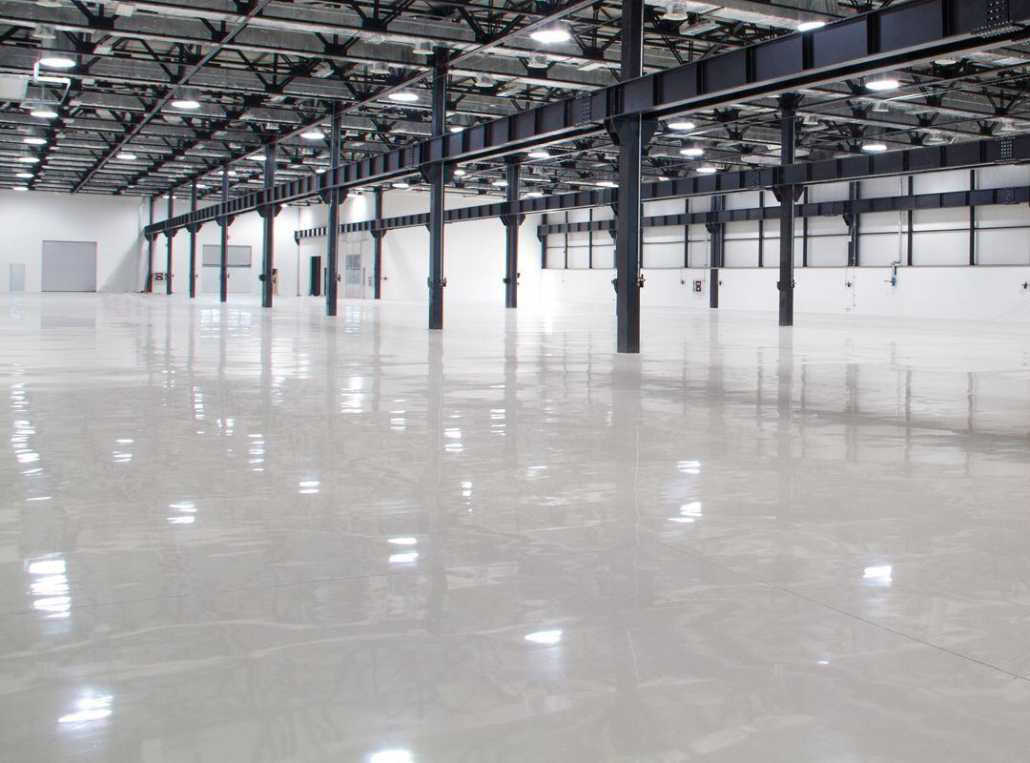
Industrial concrete floors endure some of the most demanding conditions in commercial construction—chemical exposure, heavy equipment traffic, thermal cycling, and moisture intrusion. For facility managers, property managers, and general contractors responsible for manufacturing plants, warehouse distribution centers, food processing facilities, and automotive service centers across the Greater Toronto Area, protective coating systems represent a critical investment in asset preservation, operational safety, and regulatory compliance.
Established in 1990, Nusite Group has delivered concrete rehabilitation and surface protection systems on industrial, institutional, and commercial properties throughout the GTA and Southern Ontario. This technical overview explains protective coating technologies, performance requirements for industrial environments, system selection criteria, and specification considerations that ensure long-term floor performance.
Why Industrial Concrete Floors Require Protective Coatings
Uncoated Concrete Vulnerabilities
Standard industrial concrete floors—even those designed with adequate compressive strength and proper finishing—remain vulnerable to deterioration without protective systems:
Chemical Attack
- Acids from manufacturing processes etch concrete surfaces and dissolve aggregate bonds
- Alkaline solutions penetrate concrete pores causing scaling and spalling
- Petroleum products degrade cement paste and soften concrete surfaces
- Salt exposure (food processing, de-icing storage) accelerates freeze-thaw damage
Abrasion and Impact Wear
- Forklift traffic erodes surface paste exposing aggregate
- Pallet dragging creates grooves and surface depressions
- Heavy equipment movement causes aggregate polishing and dusting
- Repeated impact from dropped materials fractures surface zones
Moisture Intrusion and Contamination
- Water penetration leads to freeze-thaw damage in cold storage facilities
- Moisture transmission through slabs affects overlying flooring systems
- Bacterial growth in porous concrete surfaces (food processing, pharmaceutical facilities)
- Efflorescence and salt deposits degrading concrete integrity
Dusting and Particle Generation
- Surface deterioration creates airborne concrete dust
- Contamination of products in clean manufacturing environments
- Equipment damage from abrasive particles
- Occupational health concerns from respirable crystalline silica
For industrial facilities where floor failures disrupt operations, contaminate products, or create safety hazards, protective coatings shift from optional upgrades to operational necessities.
Regulatory and Safety Compliance
Many industrial environments face regulatory requirements driving protective coating adoption:
- Food safety standards (CFIA, HACCP) requiring non-porous, cleanable floor surfaces
- Pharmaceutical manufacturing (GMP) mandating contamination-free production environments
- Occupational health and safety regulations addressing slip resistance and chemical exposure
- Environmental compliance preventing groundwater contamination from chemical spills
Property managers and facility directors benefit from protective coatings that satisfy regulatory audits while extending floor service life.
Protective Coating System Technologies
Epoxy Coating Systems
Epoxy remains the most widely specified protective coating for industrial concrete due to proven performance and cost-effectiveness:
Material Chemistry
- Two-component systems (resin + hardener) curing through chemical reaction
- Thermoset polymers creating rigid, durable surface films
- Excellent adhesion to properly prepared concrete substrates
Performance Characteristics
- Chemical resistance: Tolerates acids, alkalis, solvents, and petroleum products (specific resistance varies by formulation)
- Abrasion resistance: Hard surface resists wear from traffic and equipment
- Moisture tolerance: Limited vapor transmission after cure
- Compressive strength: Can enhance surface hardness to 6000+ psi
Typical Applications
- Manufacturing floors exposed to chemical spills
- Warehouse and distribution centers with heavy forklift traffic
- Automotive service bays and maintenance facilities
- General industrial environments requiring durable protection
Limitations
- UV sensitivity—yellowing and chalking in exterior or high-UV environments
- Rigidity creates cracking potential under thermal cycling or substrate movement
- Moisture sensitivity during application requiring dry substrates
Polyurethane Coating Systems
Polyurethane coatings provide enhanced flexibility and UV stability compared to epoxies:
Material Chemistry
- Aliphatic or aromatic formulations with varying performance profiles
- Elastomeric properties accommodating substrate movement
- UV-stable aliphatic polyurethanes preventing yellowing
Performance Characteristics
- Flexibility: Accommodates thermal expansion/contraction and minor substrate cracking
- UV resistance: Maintains color and gloss in high-light environments
- Chemical resistance: Good performance with many industrial chemicals (verify specific exposures)
- Impact resistance: Elastomeric properties absorb shock better than rigid epoxies
Typical Applications
- Cold storage facilities experiencing extreme temperature fluctuations
- Food processing plants requiring flexible, cleanable surfaces
- Loading dock areas with thermal cycling exposure
- Industrial facilities with UV exposure through skylights or large windows
Limitations
- Higher material costs than epoxy systems
- Moisture sensitivity during application
- Shorter pot life requiring experienced application crews
Polyaspartic and Polyurea Coatings
Fast-cure polyaspartic and polyurea systems enable rapid return-to-service:
Material Chemistry
- Aliphatic polyurea or polyaspartic polyurea technologies
- Extremely rapid cure times (1-4 hours to traffic in many formulations)
- High solids or 100% solids formulations
Performance Characteristics
- Rapid cure: Facilities return to operation within hours, not days
- UV stability: Excellent color retention and gloss maintenance
- Chemical resistance: Performance comparable to polyurethanes
- Abrasion resistance: Durable wearing surface for high-traffic zones
Typical Applications
- Industrial facilities requiring minimal downtime during coating installation
- 24/7 manufacturing operations needing phased installation
- Cold storage and refrigerated facilities where conventional coatings struggle to cure
- High-traffic zones requiring fast repairs or recoating
Limitations
- Higher material costs than epoxy or polyurethane
- Very short pot life (minutes) requiring specialized application equipment and skilled crews
- Substrate preparation more critical due to fast cure limiting penetration time
Methyl Methacrylate (MMA) Coatings
MMA systems cure in cold temperatures and high humidity conditions:
Material Chemistry
- Reactive resin systems curing through free-radical polymerization
- Strong odor during application requiring ventilation planning
- Cure unaffected by temperature or moisture (can install below freezing)
Performance Characteristics
- Cold-weather installation: Cures reliably at -30°C and below
- Rapid cure: Return to service in 1-2 hours
- Moisture tolerance: Can be applied to damp substrates
- Chemical resistance: Good performance in many industrial exposures
Typical Applications
- Cold storage and freezer facilities requiring coatings at operating temperature
- Winter installations in unheated warehouses or facilities
- Food processing plants where production shutdowns must be minimized
- Emergency repairs requiring immediate return to service
Limitations
- Strong odor during installation requiring occupant evacuation or ventilation systems
- Higher material costs
- Specialized application training required
Cementitious Urethane Systems
Hybrid systems combining cement and polyurethane technologies for extreme environments:
Material Chemistry
- Polyurethane-modified cementitious binders
- Thermal shock resistance from cementitious component
- Flexibility from polyurethane modification
Performance Characteristics
- Thermal shock resistance: Withstands extreme temperature fluctuations (-40°C to 120°C)
- Chemical resistance: Superior performance in aggressive food processing environments
- Slip resistance: Textured surfaces meeting safety standards
- Steam cleanable: Tolerates high-pressure, high-temperature cleaning protocols
Typical Applications
- Food processing facilities with hot water and steam cleaning
- Commercial kitchens and food preparation areas
- Pharmaceutical manufacturing with strict hygiene requirements
- Chemical processing facilities with thermal cycling
Limitations
- Higher material and installation costs than standard epoxy systems
- Thicker application (1/4 inch typical) requiring more extensive substrate preparation
- Specialized installation requiring trained applicators
System Selection Based on Exposure Conditions
Chemical Exposure Environments
Light Chemical Exposure (occasional spills, dilute solutions)
- Recommended: Standard epoxy systems (6-10 mils DFT)
- Examples: General warehousing, light assembly, office/industrial mixed use
Moderate Chemical Exposure (frequent spills, industrial cleaners)
- Recommended: Chemical-resistant epoxy or polyurethane (10-20 mils DFT)
- Examples: Automotive service, manufacturing with coolants/lubricants, maintenance shops
Heavy Chemical Exposure (concentrated acids/alkalis, aggressive solvents)
- Recommended: Specialized chemical-resistant systems, epoxy novolac, vinyl ester
- Examples: Chemical manufacturing, battery manufacturing, metal finishing
Facility managers should provide detailed chemical inventories to coating contractors enabling proper system selection and warranty coverage.
Traffic and Wear Conditions
Light Traffic (pedestrian, occasional carts)
- Recommended: Thin-film epoxy or polyurethane (4-8 mils DFT)
- Examples: Office areas, light assembly, storage rooms
Moderate Traffic (forklifts, pallet jacks, regular equipment movement)
- Recommended: Heavy-duty epoxy or polyaspartic (10-20 mils DFT)
- Examples: Distribution centers, general warehousing, manufacturing floors
Heavy Traffic (constant forklift traffic, steel-wheeled equipment, heavy loads)
- Recommended: High-build epoxy, polyurethane mortar systems (20+ mils or 1/4 inch+)
- Examples: High-throughput distribution, heavy manufacturing, cold storage
Traffic intensity determines coating thickness, aggregate broadcast requirements, and maintenance recoating cycles.
Temperature and Environmental Conditions
Ambient Temperature Facilities (15-25°C consistent)
- Recommended: Standard epoxy or polyurethane systems
- Installation considerations: Standard application protocols
Cold Storage and Refrigerated Facilities (-30°C to 4°C)
- Recommended: Polyurethane, polyaspartic, MMA, or cementitious urethane
- Installation considerations: Thermal shock resistance, condensation management
High-Temperature Environments (30-60°C)
- Recommended: Polyurethane, epoxy-novolac, or specialized high-temp formulations
- Installation considerations: Heat resistance, thermal expansion accommodation
Thermal Cycling Environments (loading docks, freezer/ambient transitions)
- Recommended: Flexible polyurethane or cementitious urethane systems
- Installation considerations: Expansion joint detailing, flexible interfaces
Substrate Preparation Requirements
Surface Preparation Standards
Protective coating performance depends critically on substrate preparation quality. SSPC/ICRI guidelines establish industry standards:
ICRI CSP (Concrete Surface Profile) Requirements
- CSP 1-2: Light mechanical cleaning for thin-film coatings
- CSP 3-5: Shot blasting or scarification for standard epoxy systems
- CSP 5-7: Heavy scarification for thick-build or mortar systems
Inadequate surface preparation causes premature coating delamination—the most common failure mode in industrial coating installations.
Contaminant Removal
- Oil and grease removal using degreasers and steam cleaning
- Existing coating or sealer removal through mechanical means
- Laitance and weak surface paste removal exposing sound aggregate
- Efflorescence and salt deposit removal through chemical cleaning or abrasive methods
Moisture Testing
- Calcium chloride testing (ASTM F1869) measuring moisture vapor emission rate
- Relative humidity testing (ASTM F2170) measuring internal slab moisture
- Surface moisture testing confirming dry substrate conditions
For facility managers, understanding that surface preparation often represents 50-70% of total coating project costs sets realistic budget expectations.
Crack and Joint Repair
Existing concrete defects require remediation before coating application:
Crack Treatment
- Narrow cracks (<1/8 inch): Epoxy injection or flexible crack filler
- Wide cracks (>1/8 inch): Routing and sealing with semi-rigid polyurethane
- Active cracks: Flexible joint systems accommodating movement
Control Joint Detailing
- Joint cleaning and preparation
- Semi-rigid polyurethane or polysulfide joint sealants
- Coating termination details preventing edge peeling
Surface Repair
- Spalled areas: Epoxy mortar or polymer-modified concrete repair
- Low spots and depressions: Self-leveling underlayments
- High spots: Grinding or scarification to achieve flatness
General contractors should coordinate concrete rehabilitation with coating installation, often requiring Nusite Group’s structural repair expertise before protective coatings can proceed.
Installation Considerations for Industrial Facilities
Environmental Controls During Application
Coating cure and adhesion depend on controlled installation conditions:
Temperature Requirements
- Minimum substrate temperature: Typically 10-15°C (varies by product)
- Maximum substrate temperature: Typically 30-35°C
- Temperature stability during cure: Avoid rapid fluctuations
Humidity Control
- Relative humidity limits: 30-85% typical (varies by coating type)
- Dew point considerations: Substrate temperature must exceed dew point by 3°C minimum
- Ventilation requirements: Air movement without draft or dust contamination
Moisture Vapor Transmission Limits
- Epoxy systems: Typically 3-5 lbs/1000sf/24hr maximum
- Moisture-tolerant systems: May accommodate higher rates (verify manufacturer specifications)
For occupied facilities, coordinating environmental controls with production operations requires careful planning.
Phased Installation and Operational Continuity
Industrial facilities rarely tolerate complete shutdowns. Protective coating projects utilize phasing strategies:
Zone-Based Installation
- Divide floor area into independent zones
- Install coatings in alternating patterns maintaining access routes
- Coordinate with production schedules and material flow
Weekend or Shutdown Installation
- Rapid-cure systems (polyaspartic, MMA) enabling weekend completion
- Pre-staging materials and equipment
- Expanded crew sizes accelerating installation
Night Shift Application
- Execute coating work during off-production hours
- Coordinate with facility operations and security
- Lighting and ventilation planning for safe nighttime work
Property managers and facility directors benefit from contractors experienced in occupied facility execution—Nusite Group’s industrial project background provides this operational coordination capability.
Quality Control and Performance Testing
Commercial specifications should mandate:
Pull-Off Adhesion Testing (ASTM D4541)
- Verifies coating bond strength to substrate
- Minimum 200-250 psi typical for industrial applications
- Testing at specified intervals (e.g., 1 test per 1000 sf)
Thickness Measurements (ASTM D6132)
- Wet and dry film thickness verification
- Confirms specified coverage rates achieved
- Documents coating system integrity
Visual Inspection
- Surface defects (pinholes, bubbles, orange peel)
- Color consistency and uniformity
- Edge details and termination quality
General contractors managing industrial coating projects should require these protocols in specifications and verify testing documentation at project closeout.
Maintenance and Service Life Expectations
Routine Maintenance Protocols
Protective coatings extend floor life but require ongoing care:
Cleaning Procedures
- Regular sweeping or dust mopping removing abrasive particles
- Periodic wet mopping with neutral pH cleaners
- Pressure washing (2500 psi maximum) for heavy soiling
- Avoid harsh chemicals not specified by coating manufacturer
Damage Prevention
- Floor protection during equipment moves or construction activities
- Prompt cleanup of chemical spills
- Proper material handling equipment (non-marring wheels where possible)
- Traffic pattern management distributing wear
Inspection and Monitoring
- Annual condition assessments documenting wear patterns and damage
- Early repair of localized damage preventing propagation
- Recoating planning based on wear trends
Facility management teams implementing these protocols maximize coating service life and minimize total ownership costs.
Recoating and Restoration
Industrial coatings eventually require maintenance recoating:
Recoating Indicators
- Visible wear patterns in high-traffic lanes
- Loss of gloss or color consistency
- Surface damage from equipment or chemical exposure
- Increasing difficulty maintaining cleanliness
Recoating vs. Complete Removal
- Light to moderate wear: Cleaning, light abrasion, and topcoat reapplication
- Heavy wear or delamination: Complete removal and new coating system
- Coating compatibility verification essential (not all systems accept recoats)
Service Life Expectations
- Light-duty epoxy: 5-10 years before recoating
- Heavy-duty epoxy or polyurethane: 10-15 years
- High-performance systems (cementitious urethane): 15-20+ years
- Variables: Traffic intensity, chemical exposure, maintenance quality
Property managers should budget for recoating as planned maintenance, not emergency repairs.
Nusite Group’s Surface Protection Expertise
With over 30 years of concrete rehabilitation and industrial project experience, Nusite Group delivers protective coating systems on manufacturing facilities, warehouse distribution centers, food processing plants, and institutional properties throughout the GTA and Southern Ontario.
Integrated Concrete Solutions
Our protective coating services complement structural concrete repair, slab stabilization, and rehabilitation work. When industrial floors require both structural repair and protective coatings, Nusite Group provides integrated project delivery eliminating coordination between multiple specialty contractors.
Technical System Selection
We collaborate with facility managers and general contractors to specify coating systems matching operational requirements—chemical exposure inventories, traffic patterns, temperature conditions, and maintenance capabilities. This diagnostic approach ensures coating selections deliver long-term performance, not just lowest initial cost.
Industrial Installation Experience
Our field teams execute protective coating installations in occupied facilities with minimal operational disruption. We implement phasing strategies, coordinate with production schedules, and provide safety protocols for industrial environments.
Quality Control and Documentation
Protective coating projects include surface preparation verification, adhesion testing, thickness measurements, and comprehensive documentation supporting manufacturer warranties and facility maintenance planning.
Frequently Asked Questions
How do I determine which protective coating system is right for my industrial facility?
System selection requires evaluating multiple factors: chemical exposures (type, concentration, frequency), traffic intensity and equipment types, temperature conditions and thermal cycling, moisture conditions, installation timeline constraints, and budget parameters. Facility managers should engage coating contractors early in planning to review operational requirements and develop specifications. Nusite Group provides technical consultations evaluating these factors and recommending systems balancing performance with project constraints. Generic coating selections without site-specific analysis frequently result in premature failures.
Can protective coatings be applied to existing concrete floors without complete surface removal?
Yes, when existing concrete is structurally sound. Surface preparation requirements vary by coating type—standard epoxy systems require mechanical profiling (shot blasting, grinding, scarification) removing weak surface paste and contaminants. If existing coatings or sealers are present, compatibility must be verified or complete removal executed. Damaged concrete requires repair before coating application. Property managers should budget for surface preparation as substantial project component—often 50-70% of total coating cost. Attempting coating application over inadequate preparation causes delamination and premature failure.
What is the typical downtime required for industrial floor coating installation?
Downtime varies by coating technology and project size. Rapid-cure systems (polyaspartic, MMA) enable return to service in 4-24 hours. Standard epoxy systems typically require 3-5 days for complete cure. Heavy-duty systems may need 7-10 days. However, phased installation strategies minimize total facility downtime—coating alternating zones maintains access while work proceeds. For 24/7 manufacturing operations, weekend installations using rapid-cure systems or night-shift work with standard systems prevents production loss. General contractors should coordinate installation timing with facility operations during project planning.
How much do industrial protective coating systems cost?
Costs vary significantly by system type, substrate conditions, and project size. General ranges per square foot installed: thin-film epoxy $3-$6, heavy-duty epoxy $6-$12, polyurethane systems $8-$15, polyaspartic/polyurea $10-$18, cementitious urethane $15-$25+. These costs include surface preparation, materials, and installation. Extensive concrete repair, complex phasing, or difficult environmental conditions increase costs. Facility managers should evaluate lifecycle costs—higher-performance systems with longer service life and lower maintenance often prove more economical than budget coatings requiring frequent recoating or premature replacement.
Protect Your Industrial Asset Investment
Nusite Group has delivered concrete rehabilitation and surface protection systems on manufacturing, warehouse, food processing, and institutional facilities across the GTA and Southern Ontario since 1990. Our installations protect concrete floors from chemical attack, abrasion, and moisture intrusion while supporting operational efficiency and regulatory compliance.
Fully bonded, licensed across Ontario, and insured to $10 million in liability coverage, Nusite Group operates as a dependable specialty contractor for facility managers, property managers, and general contractors who require technical expertise and proven execution on industrial concrete protection projects.
Request a consultation to discuss your facility’s concrete floor conditions or explore how Nusite Group can support your surface protection requirements with epoxy, polyurethane, or specialized coating systems.