Heritage buildings across the Greater Toronto Area represent irreplaceable cultural assets and substantial real estate investments—structures where architectural significance intersects with practical demands for continued commercial, institutional, or civic use. For property managers, facility directors, and general contractors responsible for historic office buildings, institutional landmarks, heritage industrial facilities, and designated heritage properties, restoration projects require balancing preservation standards with modern building performance requirements. When waterproofing failures, roofing deterioration, or concrete distress threaten heritage structures, intervention strategies must deliver technical effectiveness while respecting architectural character and heritage designation constraints.

Established in 1990, Nusite Group has delivered waterproofing, commercial roofing, and concrete rehabilitation solutions on heritage and existing buildings throughout the GTA and Southern Ontario. This technical overview explains critical considerations for historic building restoration, focusing on the waterproofing, roofing, and concrete challenges that define most heritage rehabilitation projects.

Understanding Toronto’s Heritage Building Stock

Toronto’s designated heritage buildings span multiple construction periods, each presenting distinct technical challenges. Victorian and Edwardian structures feature load-bearing masonry with lime mortar joints, minimal waterproofing, and original slate or metal roofing systems. Early modern buildings from the 1920s through 1940s introduced reinforced concrete and steel frames but still relied on limited waterproofing technologies and coal tar-based built-up roofing. Mid-century heritage properties from the 1950s through 1970s showcase brutalist and modernist concrete architecture, with experimental building envelope systems now experiencing significant deterioration.

These buildings commonly house institutional uses like universities, hospitals, and government facilities requiring operational continuity during restoration. Commercial heritage properties include historic office buildings and adaptive reuse projects converting industrial structures to modern occupancy. Industrial heritage buildings feature robust concrete and masonry construction with functional aesthetics and large roof areas creating waterproofing challenges.

The most significant challenge facing heritage building owners is accumulated deferred maintenance. Decades of postponed repairs create compounded deterioration where water infiltration affects multiple building systems simultaneously. Previous incompatible repairs often compound problems—Portland cement repointing in lime mortar masonry, modern waterproofing systems that trap moisture, and concrete patches using mismatched materials all accelerate deterioration rather than arresting it.
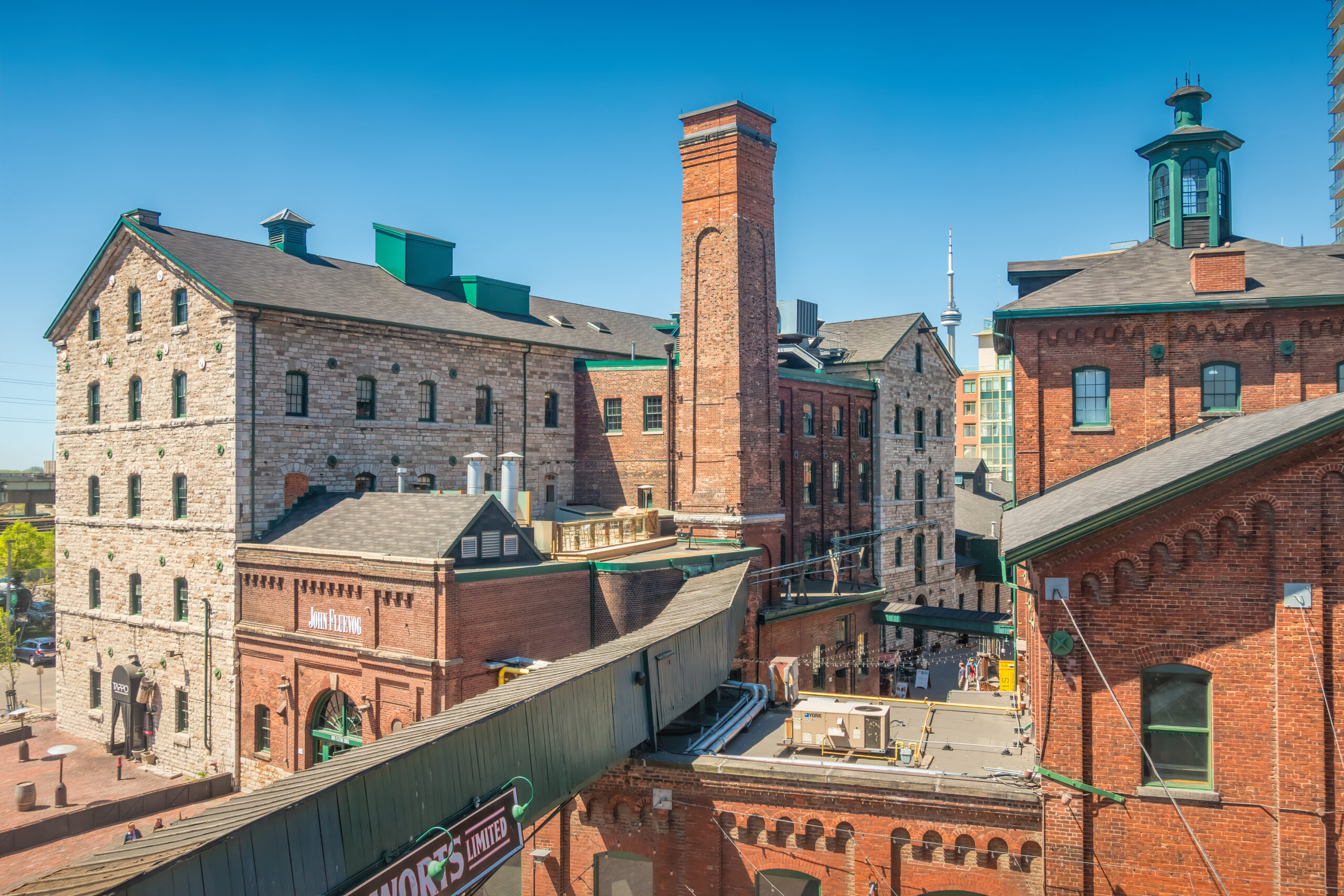
toronto heritage site restoration 2

Heritage Waterproofing: Balancing Preservation and Performance

Understanding Historic Moisture Management

Waterproofing heritage buildings demands understanding how historic construction manages moisture differently than modern assemblies. Heritage masonry buildings were designed to absorb and release moisture through vapor-permeable materials. Original lime mortars, soft bricks, and porous stone allow water vapor to migrate through wall assemblies without causing damage. Modern interventions that seal these assemblies with impermeable materials trap moisture inside, leading to freeze-thaw spalling, salt crystallization, and accelerated deterioration.

Masonry Wall Waterproofing

The most common heritage waterproofing failure involves masonry wall systems. Proper restoration begins with comprehensive moisture mapping to identify infiltration pathways, followed by salt efflorescence analysis determining whether moisture originates from groundwater or precipitation. The restoration approach must address several critical components:

Repointing Requirements:

  • Complete removal of deteriorated or incompatible mortar
  • Lime mortar matching original composition, strength, and porosity
  • Proper joint tooling replicating historic profiles
  • Vapor-permeable materials allowing moisture migration

Breathable Waterproofing Systems:

  • Silane/siloxane water repellents providing weather resistance while maintaining vapor permeability
  • Cementitious crystalline waterproofing for below-grade masonry foundations
  • Lime-based renders and stuccos for exterior wall protection
  • Avoidance of impermeable coatings that trap moisture within masonry

Incompatible Portland cement repointing represents one of the most common heritage building failures—hard, impermeable mortar concentrates deterioration in softer, more porous historic brick or stone.

Foundation and Below-Grade Solutions

Foundation waterproofing presents particular challenges in heritage buildings that rarely incorporated effective dampproofing systems. Stone rubble foundations, brick foundation walls in direct contact with soil, and deteriorated mortar joints create chronic water infiltration issues.

Where excavation is feasible and permitted by heritage designation, exterior waterproofing provides optimal solutions through complete excavation exposing foundation walls, vapor-permeable membrane systems compatible with masonry substrates, drainage board and perimeter drainage installation, and foundation wall stabilization where necessary. However, heritage constraints, adjacent property conditions, and archaeological concerns often make excavation impractical.

Interior waterproofing solutions become essential when exterior access is restricted:

  • Cementitious waterproofing systems applied to interior foundation surfaces
  • Interior perimeter drainage capturing and removing infiltrating water
  • Crystalline waterproofing penetrating masonry and self-sealing cracks
  • Dehumidification systems managing residual moisture

For institutional and commercial heritage properties, these interior approaches often represent the only practical path to foundation moisture control without compromising heritage fabric.

Plaza Decks and Elevated Terraces

Heritage buildings frequently include elevated terraces, plazas, or roof decks over occupied areas. Original waterproofing systems, if they existed at all, have long exceeded service life. Water infiltration damages heritage interior finishes, decorative elements, and building systems below. Restoration requires complete removal to structural deck, concrete substrate repair with proper drainage slopes, modern waterproofing membranes, and careful reinstallation of historic paving materials. This work demands coordination between waterproofing performance requirements and heritage preservation standards, ensuring both technical effectiveness and architectural authenticity.

Commercial Roofing Restoration on Heritage Buildings

Historic Roofing Material Challenges

Heritage building roofs present unique restoration challenges because roofing materials often contribute to architectural character while protecting the structure from weather. Each historic roofing type requires specialized knowledge and approach.

Slate Roofing Considerations:

  • Exceptional longevity (75-150+ years) but requires specialized repair skills
  • Material sourcing challenges matching color, texture, and size
  • Structural capacity verification for slate weight (800-1500 lbs per square)
  • Flashing and underlayment rehabilitation without complete roof replacement

Clay and Concrete Tile Systems:

  • Historic tiles may be unavailable, requiring salvage material sourcing or custom reproduction
  • Underlayment replacement beneath tiles demands careful removal and reinstallation
  • Flashing details at valleys, ridges, and penetrations require compatible materials
  • Structural assessment verifying capacity for tile loads

Standing seam metal roofing in copper, terne-coated steel, or zinc requires assessment of coating integrity and decisions about repair versus replacement while matching historic profiles and seam configurations. Built-up roofing systems on flat or low-slope heritage roofs using coal tar pitch or asphalt have generally exceeded service life, requiring property managers to make decisions about complete removal versus recover approaches.

Restoration vs. Compatible Replacement

The restoration versus compatible replacement decision depends on whether roofing materials are character-defining features. True restoration maintains maximum original material through repair and selective replacement, matching historic materials and installation methods. This approach involves high material and labor costs justified only when roofing contributes significantly to heritage character.

Compatible replacement uses modern systems matching historic appearance, providing improved performance, reduced maintenance, and extended service life at lower cost. For non-character-defining roof areas, concealed modern commercial roofing systems like TPO, EPDM, or modified bitumen offer practical solutions requiring heritage approval only for visible elements.

Critical Integration Challenges

Roof rehabilitation must address several system-wide challenges beyond just the roofing membrane. Drainage systems in heritage buildings are often undersized by modern standards, with interior downspouts and scuppers concealed within walls. Insulation improvements meeting current energy codes must avoid condensation risks while maintaining roof profiles. Structural capacity verification ensures existing roof framing can support modern systems and current snow loads per Ontario Building Code requirements.

Flashing and termination details require particular attention. Modern flashing materials and methods must be adapted to heritage profiles, particularly where they integrate with masonry walls. Through-wall flashings in heritage masonry require careful execution to prevent water infiltration while maintaining architectural appearance.

Concrete Restoration in Historic Structures

Early Concrete Technology and Deterioration

Heritage buildings from the early-to-mid 20th century feature concrete technologies predating modern durability standards. Lower cement contents, variable aggregate quality, minimal air entrainment, and limited corrosion protection create vulnerability to multiple deterioration mechanisms:

  • Freeze-thaw damage in exposed architectural concrete
  • Reinforcement corrosion from carbonation or chloride intrusion
  • Alkali-aggregate reaction in certain aggregate sources
  • Surface scaling and spalling from weathering exposure
  • Structural distress from inadequate original design or overloading

Many mid-century heritage buildings feature exposed concrete as character-defining architectural expression, particularly in brutalist and modernist designs where concrete finish, formwork patterns, and surface treatments define the building’s aesthetic.

Assessment and Repair Approach

Assessment begins with documenting original concrete appearance and using non-destructive testing like ground-penetrating radar and half-cell potential mapping to understand subsurface conditions without damaging historic fabric. Core sampling determines concrete strength and identifies specific deterioration mechanisms. Structural analysis verifies whether load capacity remains adequate for continued occupancy.

Repair approach selection requires balancing minimal intervention principles with structural necessity. Some heritage professionals advocate accepting weathered concrete appearance as part of building history, limiting repairs to structurally essential work. This approach suits brutalist architecture where concrete patina contributes to character. Comprehensive restoration through extensive spall repair and protective coatings may be appropriate where deterioration obscures original architectural intent.

Material Compatibility and Repair Methods

Material compatibility drives repair success. Repair mortars must match original concrete properties including strength, density, and porosity. Mortars significantly stronger than original concrete create stress concentrations and differential thermal movement. The repair strategy should include:

Compatible Repair Materials:

  • Polymer-modified cementitious mortars matching heritage concrete strength
  • Form liners replicating historic board-formed or textured finishes
  • Pigmented mortars matching concrete color without surface coatings
  • Vapor-permeable protective treatments allowing moisture migration

Structural Restoration Techniques:

  • Spall repair removing only deteriorated material
  • Reinforcement cleaning, corrosion treatment, and protection
  • Epoxy injection for structural cracks restoring load transfer
  • Polyurethane injection for waterproofing active leaks

When structural strengthening becomes necessary, carbon fiber reinforcement systems add capacity without altering appearance. Discrete steel reinforcement additions can be concealed within existing structure. Corrosion mitigation through cathodic protection systems or corrosion inhibitor application prevents ongoing reinforcement deterioration. These interventions require engineering coordination ensuring code compliance while preserving architectural character.

Regulatory Framework and Approval Processes

Municipal heritage designation under Parts IV or V of the Ontario Heritage Act requires Heritage Permits for alterations to designated properties. Heritage Toronto or local heritage committees review applications against character-defining elements identified in designation bylaws. Provincial designation through Ontario Heritage Trust or federal designation as National Historic Sites involves additional approval layers and potentially more restrictive intervention standards.

Property managers and general contractors should budget three to six months for heritage approvals before construction commencement. Applications require detailed scope documentation, proposed materials and methodologies, and often photographic simulations or physical mock-ups demonstrating proposed work. Public consultation periods for significant alterations extend review timelines.

The Parks Canada Standards and Guidelines for the Conservation of Historic Places in Canada establishes national conservation principles emphasizing minimal intervention, reversibility where feasible, and material compatibility. The Ontario Heritage Toolkit provides provincial guidance for heritage property management, including building condition assessment protocols and material-specific restoration guidelines.

Building code application to heritage properties involves balancing preservation with safety. Heritage buildings may qualify for equivalencies or alternative solutions demonstrating equivalent safety levels without full code compliance. Fire and life safety upgrades often become mandatory during major renovation. Accessibility improvements must balance heritage preservation with barrier-free access requirements. Structural safety verification, including current snow and wind load capacity, requires engineering sign-off regardless of heritage status.

Project Execution and Quality Control

Comprehensive documentation forms the foundation of successful heritage restoration. Pre-construction photographic surveys, measured drawings, material sampling, and condition assessments establish baseline records. Construction documentation including progress photography, as-built drawings, material certifications, and heritage monitoring reports verify compliance with approvals.

Phasing strategies prioritize building envelope protection preventing cascading water damage:

  1. Roof rehabilitation preventing water infiltration from above
  2. Exterior wall waterproofing and masonry restoration addressing vertical envelope failures
  3. Foundation waterproofing securing below-grade systems
  4. Interior finishes following only after building envelope integrity is restored

For occupied heritage buildings, zone-based phasing maintains partial operations while work proceeds. Seasonal scheduling addresses weather-dependent exterior work during favorable conditions.

On-site heritage supervision by qualified professionals monitors compliance with approvals and makes real-time decisions when unexpected conditions arise. Skilled trades with heritage restoration experience execute work meeting craft quality standards demonstrated through mock-ups and sample panels. Testing protocols verify waterproofing integrity through flood testing, concrete repair bond strength, and roofing water cutoff performance.

Budget Considerations and Cost Management

Heritage restoration involves cost premiums over standard construction. Specialty materials command 50 to 200 percent premiums over conventional products. Skilled trades with heritage expertise cost 25 to 75 percent more than standard labor rates. Lower productivity rates for hand craftsmanship, heritage consultant fees, extended approval processes, and substantial contingency allowances for unknown conditions all contribute to total project costs. Property managers should budget heritage restoration at 150 to 250 percent of comparable standard rehabilitation costs.

However, funding assistance programs help offset these premiums:

Available Funding Sources:

  • Municipal heritage grant programs (Toronto Heritage Grant Program provides matching grants)
  • Provincial and federal programs for significant properties
  • Commercial heritage property tax rebates
  • Federal tax incentives for income-producing heritage properties

Strategic intervention prioritization offers cost-effective approaches. Focusing immediate investment on building envelope failures causing water damage—roof rehabilitation, critical waterproofing, structural concrete repairs—prevents cascading damage requiring far more costly emergency intervention. Deferring aesthetic restoration of non-failing elements to future phases spreads capital investment over time. Utilizing modern concealed systems where permitted reduces costs while maintaining heritage character where it matters.

Nusite Group’s Heritage Building Expertise

With over 30 years of waterproofing, commercial roofing, and concrete rehabilitation experience, Nusite Group has contributed to heritage building restoration projects on institutional, commercial, and civic properties throughout the GTA and Southern Ontario. Our work supports preservation objectives while delivering modern building envelope performance.

We provide waterproofing, roofing, and concrete restoration systems compatible with heritage building materials and construction methods. Our technical approach balances preservation requirements with performance standards, material longevity, and operational budgets. We coordinate with heritage consultants and authorities, providing technical documentation supporting permit applications and implementing quality control satisfying heritage monitoring requirements.

Our project teams execute waterproofing and concrete rehabilitation in operational heritage buildings, coordinating with facility operations, protecting heritage interiors and finishes, and maintaining safety protocols for public buildings. Heritage restoration projects involve complex coordination between architects, structural engineers, heritage consultants, specialized trades, and building officials. Our experience working within these multi-discipline teams provides the collaboration essential to successful heritage building restoration.

Frequently Asked Questions

How do heritage designation requirements affect waterproofing and roofing restoration costs and timelines?

Heritage designation adds 20 to 50 percent to project costs through specialty materials, skilled labor premiums, approval processes, and heritage monitoring. Timelines extend three to six months for heritage approvals before construction and progress more slowly during execution due to careful workmanship standards. However, heritage grant programs may offset 10 to 25 percent of eligible costs. Property managers should engage heritage consultants early in planning, budget appropriately for heritage-compliant solutions, and anticipate extended project durations. Well-planned heritage projects deliver superior long-term building performance justifying premium costs through extended service life and preserved property value.

Can modern high-performance waterproofing and roofing systems be used on heritage buildings?

Yes, when appropriately specified and installed. Heritage standards require maintaining character-defining features and architectural appearance, not necessarily using historic materials throughout. Concealed modern waterproofing systems on foundations, below plaza decks, or in roof assemblies typically receive heritage approval because they remain invisible. Visible building envelope elements require heritage-compatible materials and finishes. General contractors should work with heritage architects to identify where modern high-performance systems are acceptable and where historic replication is required. This hybrid approach balances preservation with practical building envelope performance and budget constraints while satisfying regulatory requirements.

What happens if we discover unexpected deterioration during heritage building restoration?

Unknown conditions are common in heritage buildings and should be anticipated through substantial contingency allowances of 20 to 30 percent. Project procedures should address unforeseen conditions systematically: stop work and document discoveries, engage heritage consultants and structural engineers for assessment, develop remediation strategies compatible with heritage requirements, submit revised heritage permit applications if scope changes significantly, and implement approved solutions. Property managers should expect scope adjustments and budget increases on heritage projects. Experienced contractors maintain communication with heritage authorities and develop practical solutions balancing preservation with building performance and safety.

Are there cost-effective approaches to heritage building waterproofing and concrete restoration?

Yes, through strategic intervention prioritization and phased implementation. Focus immediate investment on building envelope failures causing water damage—roof rehabilitation, critical waterproofing, and structural concrete repairs threatening safety. Defer aesthetic restoration of non-failing elements to future phases when capital becomes available. Utilize modern concealed systems where heritage approval permits, avoiding premium costs for invisible work. Implement preventative maintenance programs extending intervals between major restoration cycles. Coordinate restoration with building upgrades or tenant improvements to leverage combined project efficiency. Property managers should develop ten to twenty year capital plans phasing heritage restoration investments, pursue available grant funding, and prioritize interventions preventing cascading damage.

Preserve Architectural Heritage with Technical Excellence

Nusite Group has delivered waterproofing, commercial roofing, and concrete rehabilitation solutions supporting heritage building restoration on institutional, commercial, and civic properties across the GTA and Southern Ontario since 1990. Our technical expertise enables heritage-appropriate interventions that preserve architectural character while ensuring reliable building envelope performance for continued use.

Fully bonded, licensed across Ontario, and insured to $10 million in liability coverage, Nusite Group operates as a dependable specialty contractor for property managers, heritage consultants, architects, and general contractors who require proven execution on heritage building waterproofing, roofing, and concrete restoration projects.

Request a consultation to discuss your heritage building’s waterproofing, roofing, or concrete restoration requirements or explore how Nusite Group can support your preservation project with technical solutions balancing heritage standards and modern building performance.

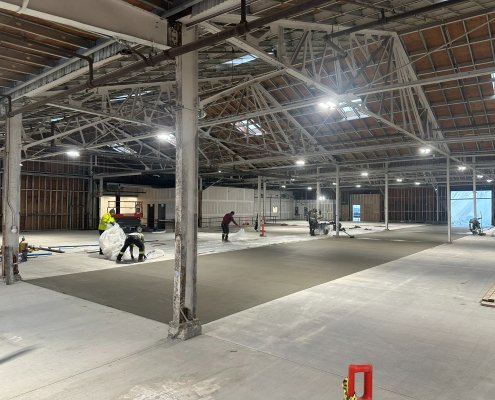
Toronto’s commercial and institutional building inventory includes thousands of structures constructed between the 1950s and 1980s—an era of rapid urban development that produced office towers, institutional campuses, parking structures, and mixed-use properties now facing predictable concrete deterioration challenges. For property managers, facility directors, and general contractors responsible for these aging assets across the Greater Toronto Area, understanding available concrete rehabilitation solutions—and how to integrate multiple interventions into comprehensive building envelope strategies—determines whether properties maintain value and operational performance or spiral into accelerating decay.

Understanding Toronto’s Aging Commercial Building Stock

Construction Era Characteristics

Buildings constructed during Toronto’s mid-century development boom share common characteristics affecting current rehabilitation needs:

1950s-1960s Construction

  • Post-war concrete technology with variable quality control
  • Limited use of air entrainment and corrosion protection
  • Minimal waterproofing compared to modern standards
  • Lower concrete strengths (2500-3500 psi typical)
  • Asbestos-containing materials in roofing and insulation systems

1970s-1980s Construction

  • Improved concrete technology but still predating modern durability standards
  • Parking structures and podium decks without comprehensive waterproofing
  • Limited corrosion protection for reinforcing steel
  • Expansion joint systems approaching or exceeding service life
  • Building envelope systems designed before current energy code requirements

Common Building Types

  • Multi-story office towers with concrete structural frames and parking podiums
  • Institutional campuses (universities, hospitals, government facilities)
  • Mixed-use developments with retail, residential, and parking components
  • Stand-alone parking structures serving commercial districts
  • Industrial and warehouse facilities with concrete tilt-up or precast construction

For property managers overseeing these assets, concrete deterioration represents not merely maintenance issues but capital planning challenges requiring comprehensive intervention strategies.

Climate-Driven Deterioration in the GTA

Ontario’s climate imposes specific stresses accelerating concrete aging:

Freeze-Thaw Cycling The GTA experiences 30-50 freeze-thaw cycles annually—moisture infiltrates concrete pores, freezes and expands, creating internal pressure that fractures aggregate bonds and deteriorates cement paste. Buildings constructed before modern air entrainment standards (pre-1970s) show severe freeze-thaw distress.

De-Icing Chemical Exposure Parking structures and plaza decks face intensive chloride salt exposure from November through April. Older buildings lacking waterproofing systems or corrosion-inhibited concrete allow chloride penetration to reinforcing steel, initiating corrosion cycles that spall concrete and expose structural elements.

Thermal Cycling Daily temperature fluctuations and seasonal extremes (-30°C to +35°C) create thermal expansion and contraction stressing building envelope joints, concrete connections, and waterproofing systems. Aging joint sealants and deteriorated expansion joints permit water infiltration and progressive damage.

Moisture and Humidity Toronto’s precipitation patterns, groundwater conditions, and humidity levels create ongoing moisture management challenges. Buildings with inadequate drainage, failed waterproofing, or compromised building envelopes experience accelerating deterioration as moisture drives multiple failure mechanisms.

epoxy-flooring-system

Common Concrete Deterioration Patterns in Aging Buildings

Parking Structure and Podium Deck Deterioration

Elevated parking structures represent the most deterioration-prone building elements:

Concrete Spalling and Delamination

  • Corrosion of reinforcing steel from chloride intrusion expanding and fracturing concrete cover
  • Delaminated concrete creating hollow-sounding areas (detectable through hammer sounding or infrared thermography)
  • Exposed reinforcement corroding rapidly once concrete protection is lost
  • Progressive deterioration from isolated spalls to widespread structural distress

Joint System Failures

  • Expansion joints deteriorated from UV exposure, traffic wear, and aging
  • Construction joints leaking water onto vehicles and below-deck spaces
  • Control joints with failed sealants permitting water infiltration
  • Movement joints no longer accommodating thermal or structural displacement

Waterproofing Deficiencies

  • Absent waterproofing systems (common in pre-1980s construction)
  • Failed traffic coating systems exposing concrete to moisture and chemicals
  • Drainage system inadequacies creating ponding and accelerated deterioration
  • Water infiltration damaging below-deck spaces, electrical systems, and finishes

For property managers, parking structure rehabilitation often represents the largest single capital expense in building lifecycle—deferring intervention accelerates deterioration exponentially.

Foundation and Below-Grade Concrete Issues

Aging buildings frequently exhibit below-grade concrete distress:

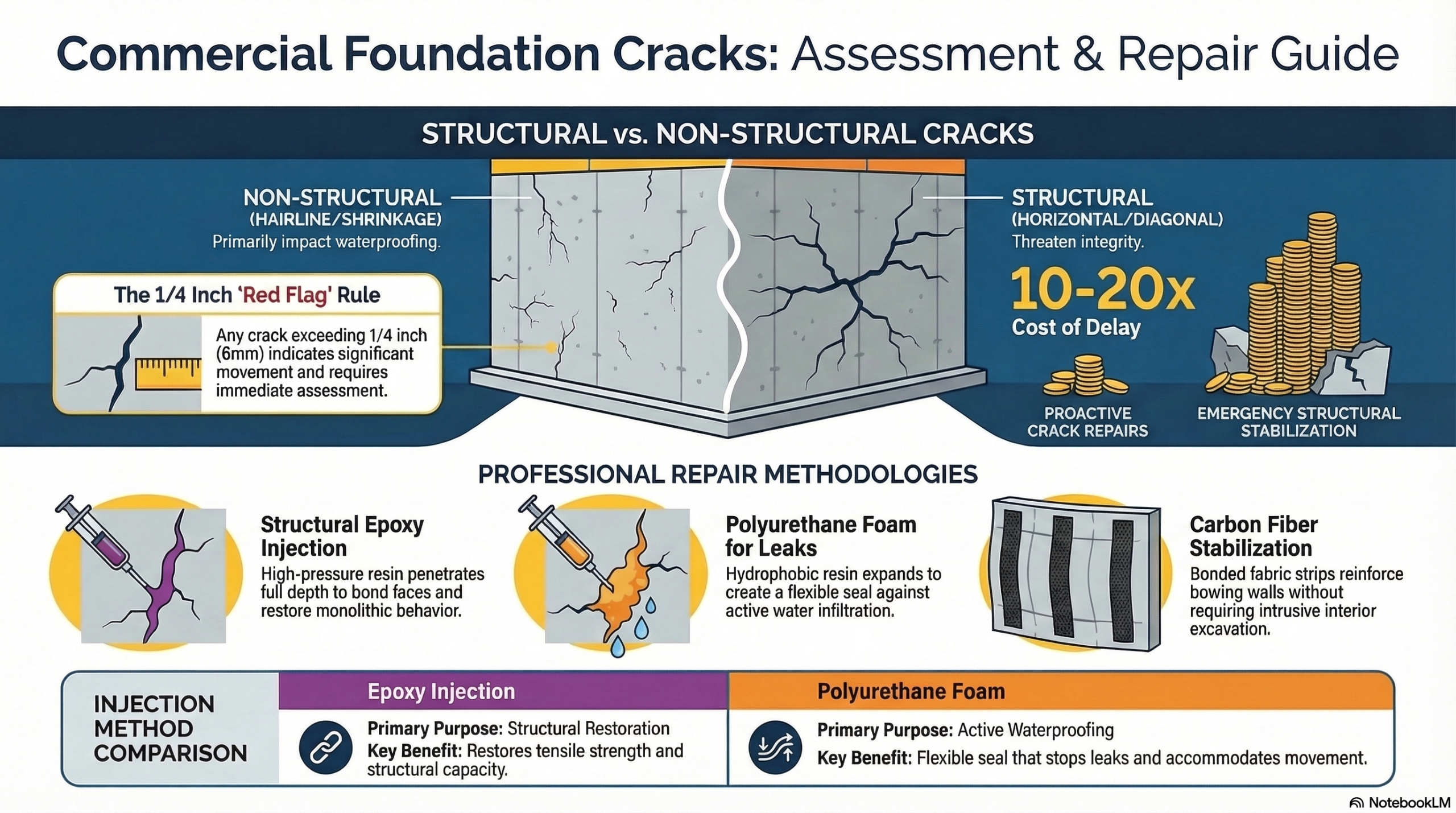
Foundation Wall Cracking

  • Differential settlement from soil consolidation or inadequate original bearing capacity
  • Lateral soil pressure causing horizontal cracking or wall bowing
  • Freeze-thaw damage in inadequately waterproofed foundation walls
  • Active water infiltration through cracks creating interior moisture problems

Elevator Pit Deterioration

  • Chronic water infiltration in elevator pits lacking proper waterproofing
  • Concrete deterioration from standing water and moisture exposure
  • Sumps and drainage systems overwhelmed or non-functional
  • Equipment damage and operational disruptions from water intrusion

Below-Grade Waterproofing Failures

  • Original waterproofing systems (if present) exceeding service life
  • Bentonite systems hydrated and ineffective
  • Membrane waterproofing deteriorated from age and exposure
  • Negative-side water pressure causing infiltration and concrete damage

Structural Concrete Deterioration

Building structural elements show age-related concrete distress:

Column and Beam Spalling

  • Corrosion of reinforcing steel from chloride penetration or carbonation
  • Fire damage in older buildings with inadequate fireproofing
  • Impact damage from equipment or vehicle contact
  • Freeze-thaw damage in exposed structural elements

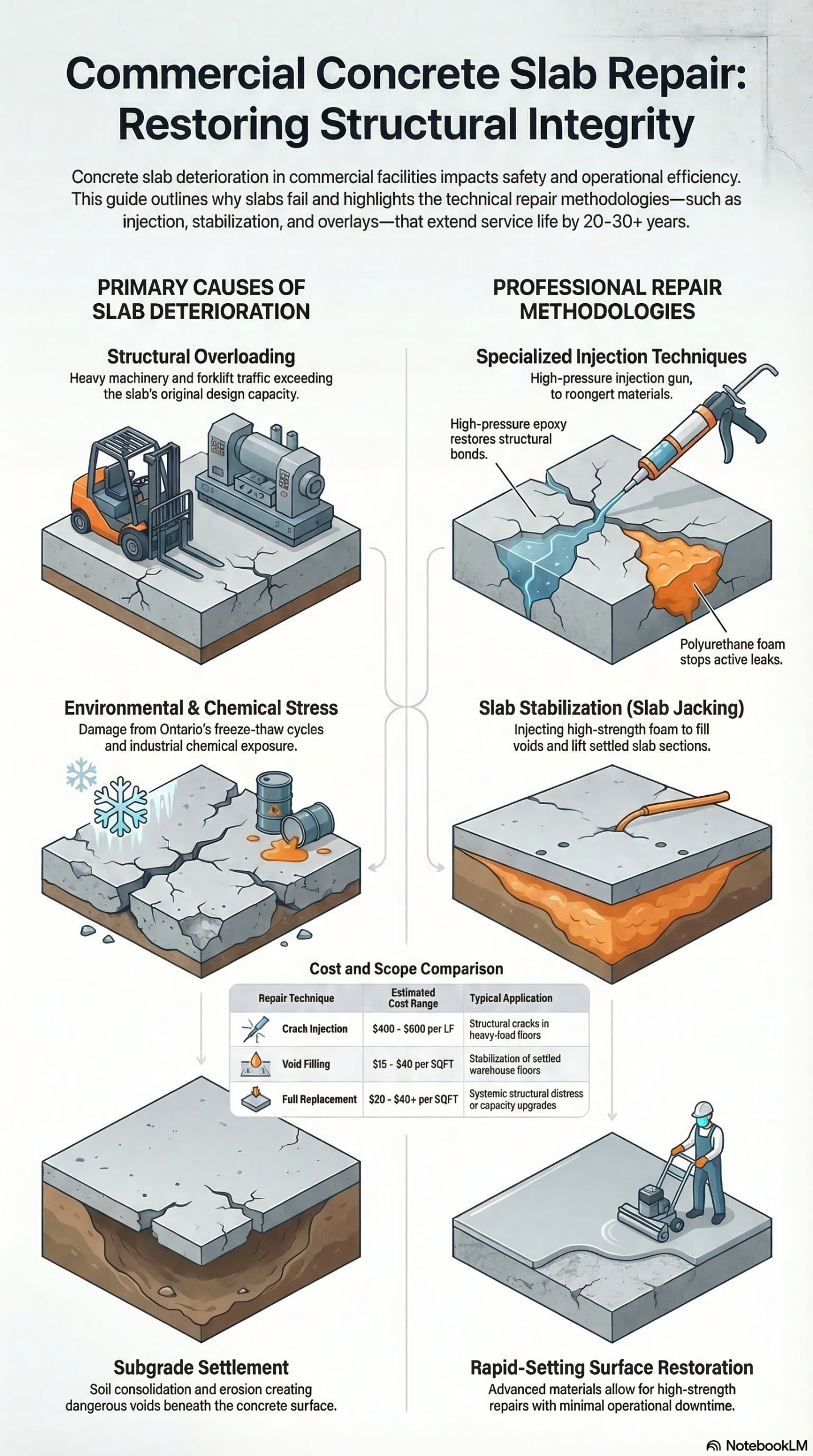
Slab Deterioration

  • Surface scaling and wear in high-traffic areas
  • Cracking from structural overload or settlement
  • Delamination from corrosion of embedded reinforcement
  • Chemical attack in manufacturing or processing facilities

Balcony and Canopy Concrete

  • Exposed concrete experiencing severe freeze-thaw deterioration
  • Inadequate drainage creating standing water and accelerated damage
  • Corroding reinforcement from chloride exposure
  • Structural safety concerns requiring immediate intervention

Building Envelope Concrete Elements

Precast and cast-in-place building envelope components deteriorate:

Precast Panel Deterioration

  • Spalling at panel connections and support points
  • Sealant failures between panels permitting water infiltration
  • Surface deterioration from weathering and chemical exposure
  • Structural concerns where corrosion affects load-bearing connections

Architectural Concrete Finishes

  • Surface scaling and aggregate exposure from freeze-thaw cycles
  • Staining from water infiltration and efflorescence
  • Cracking from thermal movement or structural settlement
  • Aesthetic degradation affecting building appearance and marketability

concrete resurfacing toronto building

Comprehensive Concrete Assessment Methodologies

Visual Condition Surveys

Professional building assessment begins with systematic documentation:

Concrete Condition Documentation

  • Crack mapping identifying patterns, widths, and locations
  • Delamination surveys using hammer sounding techniques
  • Spall documentation with photographic records and measurements
  • Joint condition assessment evaluating sealants, waterproofing, and movement accommodation

Pattern Analysis

  • Identifying deterioration mechanisms from observed damage patterns
  • Distinguishing structural failures from surface deterioration
  • Correlating deterioration with building orientation, exposure, and use patterns
  • Prioritizing repairs based on safety risk and progression rates

Non-Destructive Testing (NDT)

Advanced diagnostic techniques provide subsurface information:

Ground-Penetrating Radar (GPR)

  • Locating reinforcing steel, post-tensioning cables, and embedded conduits
  • Detecting voids beneath slabs or within structural elements
  • Mapping delamination extent without destructive testing
  • Verifying concrete thickness and configuration

Infrared Thermography

  • Identifying delaminated concrete through thermal signature differences
  • Detecting moisture intrusion patterns in building envelopes
  • Large-area surveys providing comprehensive condition data
  • Non-contact methodology suitable for occupied buildings

Half-Cell Potential Testing

  • Measuring corrosion probability of embedded reinforcing steel
  • Creating corrosion potential maps identifying high-risk zones
  • Guiding repair scope development and prioritization
  • ASTM C876 standardized methodology

Concrete Resistivity Testing

  • Assessing concrete’s ability to resist ion flow and corrosion
  • Predicting corrosion rates in identified corrosion zones
  • Evaluating effectiveness of corrosion mitigation strategies

Destructive Testing and Material Sampling

Laboratory analysis provides definitive material property data:

Core Sampling

  • Verifying concrete compressive strength and quality
  • Determining concrete density, permeability, and aggregate condition
  • Petrographic analysis diagnosing deterioration mechanisms
  • Assessing depth of chloride penetration or carbonation

Chloride Content Analysis

  • Powder sampling at various depths determining chloride concentration profiles
  • Identifying zones requiring corrosion mitigation
  • Verifying whether chloride levels exceed corrosion thresholds
  • Guiding protective treatment selection

Carbonation Depth Testing

  • Phenolphthalein indicator spray determining carbonation depth
  • Assessing corrosion risk from concrete alkalinity loss
  • Particularly relevant for older buildings with low concrete cover

For general contractors managing building rehabilitation, comprehensive assessment prevents under-scoping repairs or misidentifying deterioration mechanisms—both leading to premature failure of rehabilitation efforts.

Integrated Concrete Rehabilitation Solutions

Concrete Repair and Structural Restoration

Spall Repair Methodologies

  • Removal of deteriorated concrete to sound substrate
  • Reinforcing steel cleaning, treatment, and corrosion protection
  • Polymer-modified repair mortars matching original concrete properties
  • Surface finishing restoring original profiles and aesthetics

Crack Injection Systems

  • Epoxy injection for structural crack repair restoring load transfer
  • Polyurethane injection for waterproofing active leaks
  • Curtain wall injection addressing facade water infiltration
  • High-pressure injection ensuring complete crack penetration

Structural Strengthening

  • Carbon fiber reinforcement systems adding flexural and shear capacity
  • Steel reinforcement additions where concrete sections are inadequate
  • Post-tensioning installation for structural upgrade or repair
  • Load redistribution strategies addressing capacity deficiencies

Nusite Group’s concrete and structural rehabilitation experience enables comprehensive repair scope execution on occupied commercial buildings where structural integrity and operational continuity are critical.

Waterproofing System Integration

Parking Structure and Plaza Deck Waterproofing

  • Traffic coating systems (polyurethane, polyurea, MMA) providing vehicular-rated waterproofing
  • Concrete overlay systems creating waterproof substrate for membrane installation
  • Drainage improvements ensuring positive water removal
  • Joint waterproofing with high-movement sealant systems

Below-Grade Waterproofing Rehabilitation

  • Exterior excavation and membrane installation where access permits
  • Blindside waterproofing for property-line foundations
  • Interior waterproofing systems (cementitious, epoxy, drainage) where exterior access is impractical
  • Crack injection and foundation wall stabilization

Elevator Pit Waterproofing

  • Complete pit waterproofing using crystalline, cementitious, or membrane systems
  • Sump and drainage system upgrade or installation
  • Hydrostatic pressure management through exterior drainage
  • Ongoing maintenance access and monitoring provisions

Surface Protection and Overlay Systems

Concrete Overlay Installation

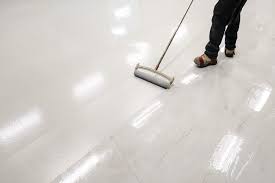
  • Polymer-modified cementitious overlays restoring deteriorated floor surfaces
  • Epoxy overlays for chemical-resistant industrial environments
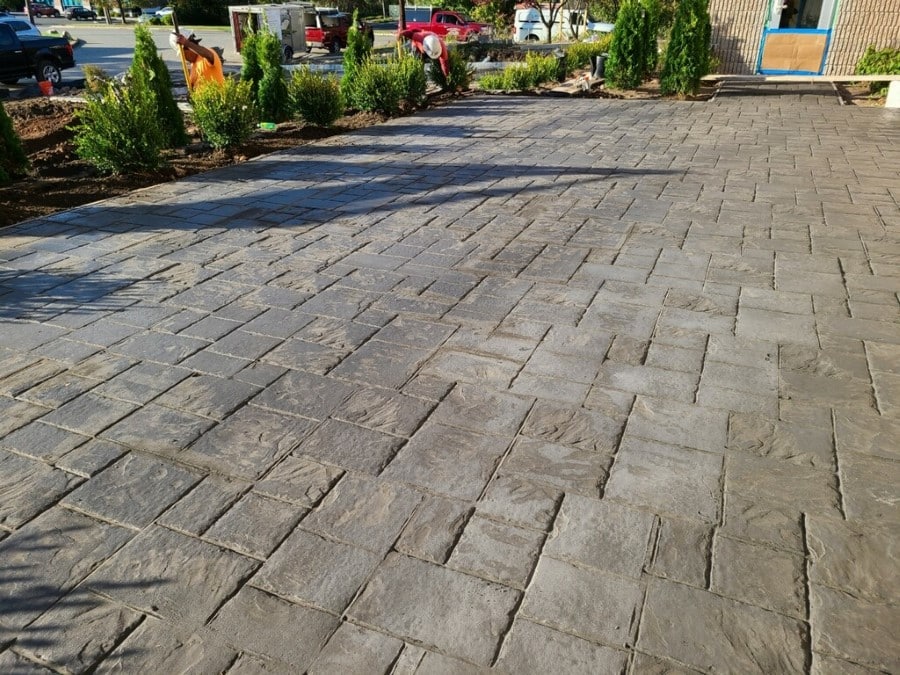
  • Decorative overlays renewing retail and institutional spaces
  • High-build structural overlays addressing both surface and structural deficiencies

Protective Coating Systems

  • Epoxy coatings for industrial floor protection
  • Polyurethane systems for flexible, UV-stable protection
  • Penetrating sealers reducing concrete permeability
  • Anti-carbonation coatings protecting structural concrete

Expansion Joint Rehabilitation

Joint System Replacement

  • Complete removal of failed expansion joint systems
  • Installation of modern high-movement joint assemblies
  • Coordination with structural movement analysis
  • Waterproofing integration preventing water infiltration

Sealant Replacement Programs

  • Systematic control joint and construction joint resealing
  • High-performance polyurethane or polysulfide sealants
  • Proper joint preparation ensuring sealant adhesion and longevity
  • Regular maintenance cycles preventing water infiltration

Phased Rehabilitation Strategies for Occupied Buildings

Prioritization Based on Risk and Condition

Property managers rarely have unlimited capital for simultaneous building-wide rehabilitation. Prioritization frameworks include:

Safety-Critical Repairs (Immediate Priority)

  • Structural failures threatening collapse or occupant safety
  • Spalling concrete in pedestrian or vehicular traffic areas
  • Active water infiltration damaging electrical systems or critical equipment
  • Building envelope failures creating emergency conditions

Asset Protection (Short-Term Priority, 1-3 Years)

  • Parking structure waterproofing preventing progressive structural deterioration
  • Foundation waterproofing protecting below-grade spaces and systems
  • Corrosion mitigation in structures showing moderate distress
  • Joint system rehabilitation preventing accelerated water damage

Performance Enhancement (Medium-Term Priority, 3-7 Years)

  • Surface overlays and protective systems extending service life
  • Aesthetic improvements maintaining property marketability
  • Energy efficiency upgrades meeting evolving code requirements
  • Functional improvements supporting tenant needs

Preventative Maintenance (Ongoing)

  • Regular sealant replacement programs
  • Drainage system maintenance
  • Inspection and monitoring programs
  • Minor repairs preventing major deterioration

Operational Coordination for Minimal Disruption

Commercial and institutional buildings rarely tolerate complete shutdowns:

Phased Execution Strategies

  • Zone-based rehabilitation maintaining building operations in unaffected areas
  • Vertical phasing (floor-by-floor) for multi-story buildings
  • Seasonal coordination addressing exterior work during favorable weather
  • Night and weekend work minimizing business hour disruptions

Tenant and Occupant Communication

  • Advance notification of construction activities and access restrictions
  • Coordination with tenant operations and critical business functions
  • Noise, dust, and odor management in occupied environments
  • Safety protocols protecting occupants and construction personnel

Building System Coordination

  • Temporary utility provisions during infrastructure work
  • Fire alarm and sprinkler system coordination
  • HVAC system protection during demolition and construction
  • Elevator service maintenance strategies during concrete rehabilitation

Nusite Group’s experience executing concrete rehabilitation in occupied commercial buildings provides the operational coordination capability property managers require for minimal business disruption.

Case Study Applications: Common Toronto Building Types

Multi-Story Office Buildings with Parking Podiums

Typical Rehabilitation Scope:

  • Podium deck concrete spall repair and structural restoration
  • Traffic coating waterproofing installation
  • Expansion joint replacement
  • Below-podium waterproofing addressing leaks into retail or mechanical spaces
  • Drainage system improvements

Integration Requirements:

  • Coordination with tenant improvement projects
  • Parking revenue maintenance during phased construction
  • Building envelope integration where podium connects to tower
  • Structural engineering verification for added waterproofing system loads

Institutional Campuses (Universities, Hospitals)

Typical Rehabilitation Scope:

  • Plaza deck waterproofing over occupied classroom or clinical spaces
  • Parking structure comprehensive rehabilitation
  • Foundation waterproofing in aging mechanical and research facilities
  • Concrete overlay systems in high-traffic corridors and public spaces
  • Exterior concrete and building envelope restoration

Operational Constraints:

  • Academic calendar coordination (summer construction windows)
  • Hospital operations requiring continuous service
  • Research facility needs for environmental control and contamination prevention
  • Public safety during construction on active campuses

Stand-Alone Parking Structures

Typical Rehabilitation Scope:

  • Comprehensive concrete delamination repair
  • Traffic coating waterproofing on all driving surfaces
  • Structural concrete strengthening where required
  • Joint system complete replacement
  • Drainage and lighting system upgrades

Revenue and Timing Considerations:

  • Phased construction maintaining parking capacity
  • Revenue loss mitigation through efficient scheduling
  • Coordination with peak demand seasons
  • Alternative parking provisions during construction

Industrial and Warehouse Facilities

Typical Rehabilitation Scope:

  • Floor slab concrete repair and stabilization
  • Protective coating or overlay systems for operational environments
  • Foundation crack repair and waterproofing
  • Loading dock concrete rehabilitation
  • Structural concrete strengthening for increased loads

Production Continuity:

  • Weekend and shutdown-period construction
  • Rapid-cure materials enabling fast return to service
  • Phasing maintaining material flow and operations
  • Safety protocols for construction in active industrial environments

Regulatory and Code Considerations for Existing Buildings

Ontario Building Code Compliance

Triggered Requirements:

  • Material alterations may trigger code compliance for affected building systems
  • Structural modifications requiring building permit and engineering stamped drawings
  • Accessibility improvements when rehabilitation affects barrier-free paths
  • Fire resistance ratings maintained or improved during concrete repair

Practical Application:

  • Minor repairs and maintenance generally exempt from permit requirements
  • Major rehabilitation projects requiring permit and inspection
  • Building official consultation during scope development
  • Variance applications where full code compliance is impractical

Occupational Health and Safety Considerations

Asbestos and Hazardous Materials

  • Pre-renovation designated substance surveys required for buildings constructed pre-1990
  • Abatement or encapsulation protocols for asbestos-containing materials
  • Lead paint management in older structures
  • Worker protection and air monitoring during demolition activities

Working at Heights and Confined Spaces

  • Fall protection systems for elevated work on parking structures and roofs
  • Confined space entry protocols for elevator pits and below-grade areas
  • Contractor certification and safety program verification
  • Coordination with building safety requirements

Environmental Compliance

Waste Management

  • Concrete demolition debris disposal and recycling
  • Hazardous waste management (asbestos, contaminated concrete)
  • Stormwater pollution prevention during construction
  • Dust and noise management in urban environments

General contractors managing comprehensive building rehabilitation should budget for regulatory compliance costs, permitting timelines, and coordination with authorities having jurisdiction.

Nusite Group’s Integrated Building Rehabilitation Approach

With over 30 years of concrete and structural rehabilitation, waterproofing, and building envelope expertise, Nusite Group delivers comprehensive solutions for aging commercial and institutional buildings throughout the GTA and Southern Ontario.

Multi-Discipline Capability

Our integrated service platform addresses concrete spall repair, structural strengthening, crack injection, waterproofing systems, traffic coatings, protective overlays, and expansion joint rehabilitation through coordinated single-source execution. This eliminates coordination challenges between multiple specialty contractors and provides unified warranty coverage.

Diagnostic Assessment and Engineering Coordination

We collaborate with structural engineers, building science consultants, and materials testing laboratories to diagnose deterioration mechanisms and develop comprehensive rehabilitation strategies. Property managers receive objective technical recommendations balancing immediate needs against long-term asset preservation.

Occupied Building Execution Experience

Our project teams execute concrete rehabilitation in operational commercial and institutional environments—coordinating with property management, implementing phasing strategies, managing tenant communications, and maintaining safety protocols for occupied buildings.

Capital Planning Support

Beyond project execution, we support property managers with building condition assessments, capital expenditure forecasting, phased rehabilitation planning, and lifecycle cost analysis informing board presentations and financing applications.

Frequently Asked Questions

How do I know when my aging building needs comprehensive concrete rehabilitation versus ongoing minor repairs?

Comprehensive rehabilitation becomes necessary when deterioration is widespread (affecting >20-30% of concrete elements), progressive (expanding rapidly despite repairs), or systemic (indicating underlying waterproofing or structural deficiencies). Warning signs include: recurring spalls in multiple locations, active water infiltration through multiple building elements, delamination surveys showing extensive subsurface damage, or structural engineering concerns about load capacity. Property managers should engage building condition assessment professionals for objective evaluation. Nusite Group coordinates comprehensive assessments establishing whether targeted repairs suffice or comprehensive rehabilitation is required. Deferring comprehensive intervention when needed accelerates deterioration exponentially.

What is a realistic timeline for major concrete rehabilitation on an occupied commercial building?

Timelines vary significantly by project scope and operational constraints. Parking structure comprehensive rehabilitation typically spans 6-18 months with phased execution maintaining partial capacity. Plaza deck waterproofing projects run 2-6 months depending on area and complexity. Foundation waterproofing and structural repairs may extend 3-12 months with seasonal weather dependencies. Occupied building constraints add 20-40% to timelines compared to vacant structures. Property managers should plan 12-24 month horizons for major building rehabilitation allowing proper phasing, weather windows, and operational coordination. Nusite Group develops project schedules balancing construction efficiency against operational continuity requirements.

Can concrete rehabilitation be financed, and what documentation do lenders require?

Yes, major building rehabilitation projects are commonly financed through commercial mortgages, construction loans, or reserve fund borrowing. Lenders typically require: professional engineering condition assessment documenting deterioration and repair necessity, detailed scope of work with contractor proposals, project budget including contingencies, project timeline and phasing plan, and demonstration of post-rehabilitation building value supporting loan-to-value ratios. Some institutional lenders offer preferential terms for building envelope and structural rehabilitation recognizing asset preservation value. Property managers should engage lenders early in planning, provide comprehensive technical documentation, and demonstrate rehabilitation extends building economic life justifying investment.

How can we minimize tenant disruption during major concrete rehabilitation?

Disruption mitigation strategies include: comprehensive tenant communication providing advance notice and ongoing updates, phased construction isolating work zones from occupied areas, night and weekend work for noisy or disruptive activities, temporary protection systems containing dust and debris, designated access routes maintaining tenant operations, coordination with tenant critical business periods, and financial consideration for significantly impacted tenants. Experienced contractors like Nusite Group develop tenant coordination plans, implement dust and noise control measures, and maintain safety protocols protecting occupants. Property managers should set realistic expectations with tenants, provide regular progress updates, and address concerns promptly. Well-executed occupied building projects often proceed with minimal tenant complaints.

Preserve Your Commercial Real Estate Investment

Nusite Group has delivered concrete and structural rehabilitation, waterproofing, and building envelope solutions on aging commercial office buildings, institutional campuses, parking structures, and mixed-use properties across the GTA and Southern Ontario since 1990. Our integrated approach addresses the complex, interrelated deterioration mechanisms affecting Toronto’s mid-century building stock while maintaining operational continuity in occupied environments.

Fully bonded, licensed across Ontario, and insured to $10 million in liability coverage, Nusite Group operates as a dependable specialty contractor for property managers, facility directors, and general contractors who require comprehensive technical expertise and proven execution on complex building rehabilitation projects.

Request a consultation to discuss your building’s concrete conditions or explore how Nusite Group can support your rehabilitation requirements with integrated concrete repair, waterproofing, and structural restoration solutions.

Concrete surface deterioration in commercial and institutional facilities represents a critical asset management challenge—compromising structural integrity, operational safety, and building aesthetics while requiring increasingly costly interventions as damage progresses. For property managers, facility directors, and general contractors responsible for manufacturing plants, warehouse distribution centers, office buildings, institutional campuses, and retail developments across the Greater Toronto Area, concrete overlay systems provide engineered rehabilitation solutions that restore structural performance, extend service life, and renew functional surfaces without complete slab replacement.

Understanding Concrete Overlay Systems

Overlay Definition and Function

Concrete overlay systems consist of thin to moderately thick (1/8 inch to 3 inches) bonded cementitious or polymer-based materials applied to existing concrete substrates. Unlike complete slab replacement, overlays:

  • Restore surface integrity where concrete has deteriorated but structural capacity remains adequate
  • Improve functional performance through enhanced abrasion resistance, chemical protection, or aesthetic appearance
  • Extend service life by 15-30+ years when properly specified and installed
  • Reduce project costs by 30-60% compared to complete concrete removal and replacement
  • Minimize operational disruption through faster installation and reduced facility downtime

For general contractors managing occupied commercial facilities, overlay systems enable concrete rehabilitation without the extensive demolition, disposal, and reconstruction timelines associated with complete slab replacement.

When Overlays Are Appropriate

Overlay systems suit specific substrate conditions and project objectives:

Ideal Overlay Candidates:

  • Surface deterioration (scaling, spalling, wear) affecting top 1-2 inches only
  • Structurally sound concrete with adequate compressive strength (minimum 2500-3000 psi)
  • Slabs requiring improved chemical resistance, abrasion resistance, or aesthetics
  • Facilities where complete replacement would cause unacceptable operational disruption
  • Projects where budget constraints eliminate replacement as viable option

Poor Overlay Candidates:

  • Structural failures requiring load capacity restoration
  • Extensive cracking with active movement
  • Delaminated concrete or severely deteriorated substrates
  • Inadequate substrate strength unable to support bonded overlay
  • Poor drainage or ongoing moisture problems causing substrate distress

Property managers considering overlay rehabilitation should engage structural engineers for condition assessment determining whether overlay systems provide technically viable solutions or whether complete replacement is necessary.

concrete overlay system

Overlay System Technologies

Polymer-Modified Cementitious Overlays

Polymer-modified systems combine Portland cement with polymer additives creating enhanced performance characteristics:

Material Composition

  • Portland cement base providing compressive strength and durability
  • Polymer modifiers (acrylic, styrene-butadiene, vinyl acetate) improving bond, flexibility, and impermeability
  • Fine aggregates and admixtures controlling workability and curing
  • Typical thickness: 1/4 inch to 2 inches

Performance Characteristics

  • Bond strength: 200-400+ psi tensile bond to properly prepared concrete
  • Compressive strength: 4000-8000 psi depending on formulation
  • Abrasion resistance: Significantly exceeds standard concrete
  • Chemical resistance: Moderate to good depending on polymer type
  • Flexibility: Limited—accommodates minimal substrate movement
  • Permeability: Reduced compared to standard concrete

Typical Applications

  • Manufacturing facility floors requiring durable, smooth surfaces
  • Warehouse floors with surface wear from forklift traffic
  • Institutional building corridors and public spaces
  • Retail environments requiring aesthetic renewal
  • Parking garage driving surfaces needing structural repair overlay

Installation Methods

  • Trowel application for thinner overlays (1/4 to 1 inch)
  • Self-leveling formulations for moderate thickness (1/4 to 3/4 inch)
  • Spray application for vertical surfaces or thin-film applications

Epoxy Overlay Systems

Epoxy-based overlays provide maximum chemical and abrasion resistance:

Material Composition

  • 100% solids epoxy resin and hardener
  • Aggregate fillers (silica sand, quartz) building thickness and strength
  • Broadcast aggregates for texture and slip resistance
  • Typical thickness: 1/8 to 1/2 inch

Performance Characteristics

  • Bond strength: 300-500+ psi tensile bond
  • Compressive strength: 6000-10,000+ psi
  • Abrasion resistance: Superior performance in heavy-traffic zones
  • Chemical resistance: Excellent resistance to acids, alkalis, solvents, and petroleum products
  • Impermeability: Virtually waterproof when properly installed
  • Flexibility: Rigid—requires stable substrates without active cracking

Typical Applications

  • Food processing facilities requiring chemical resistance and sanitation
  • Pharmaceutical manufacturing with contamination control requirements
  • Chemical storage and handling areas
  • Automotive service facilities exposed to petroleum products
  • Heavy manufacturing floors with aggressive chemical exposure

Limitations

  • UV sensitivity causing yellowing in exterior or high-light environments
  • Rigidity creates cracking potential with substrate movement
  • Higher material costs than cementitious overlays

Polyurethane and Polyaspartic Overlays

Flexible polymer overlays accommodating substrate movement:

Material Composition

  • Polyurethane or polyaspartic polymer resins
  • Aggregate fillers for thickness and texture
  • UV-stable aliphatic formulations
  • Typical thickness: 1/8 to 3/8 inch

Performance Characteristics

  • Flexibility: Elongation 50-200% accommodating substrate cracking and thermal movement
  • Bond strength: 200-400 psi tensile bond
  • UV resistance: Maintains color and properties in exposed conditions
  • Chemical resistance: Good performance with many industrial chemicals
  • Rapid cure: Polyaspartic systems enable traffic in hours

Typical Applications

  • Cold storage facilities experiencing extreme temperature fluctuations
  • Exterior plaza surfaces and loading dock areas with thermal cycling
  • Facilities requiring fast-cure systems minimizing downtime
  • Substrates with minor cracking where flexibility prevents overlay failure

Advantages

  • Accommodate substrate movement better than rigid epoxy systems
  • UV stability for exterior applications
  • Rapid installation and cure times

Microtoppings and Decorative Overlays

Thin polymer-modified overlays providing aesthetic renewal:

Material Composition

  • Polymer-modified cementitious base with fine aggregates
  • Integral color pigments or topical stains
  • Sealers providing surface protection and sheen
  • Typical thickness: 1/16 to 1/4 inch

Performance Characteristics

  • Aesthetic flexibility: Smooth, textured, stamped, or stained finishes
  • Bond strength: 200-300 psi tensile bond
  • Durability: Moderate abrasion resistance suitable for light to moderate traffic
  • Color options: Unlimited through integral pigments or reactive stains

Typical Applications

  • Retail spaces requiring aesthetic renewal without thickness buildup
  • Corporate office lobbies and reception areas
  • Institutional buildings updating interior finishes
  • Hospitality venues creating designer floor surfaces

Limitations

  • Thinner profiles provide less protection for severely damaged substrates
  • Lower abrasion resistance than thicker, aggregate-filled systems
  • Require sealer maintenance for durability and stain resistance

High-Build Structural Overlays

Thick overlays addressing both surface and structural deficiencies:

Material Composition

  • High-strength concrete or polymer-modified concrete
  • Structural reinforcement (rebar, wire mesh, fiber reinforcement)
  • Bonding agents ensuring composite action with substrate
  • Typical thickness: 1 to 3 inches

Performance Characteristics

  • Structural contribution: Adds load-bearing capacity to substrate
  • Compressive strength: 5000-7000+ psi
  • Durability: Extended service life through substantial thickness
  • Crack resistance: Reinforcement controls shrinkage cracking

Typical Applications

  • Parking garage decks requiring structural overlay and waterproofing substrate
  • Industrial floors needing both surface restoration and flatness correction
  • Loading dock areas with severe deterioration and heavy traffic
  • Facilities where overlay provides both surface repair and structural enhancement

Considerations

  • Added weight requires structural capacity verification
  • Thicker profiles may affect door clearances, equipment placement, or drainage
  • Longer cure times and project duration

Substrate Preparation Requirements

Surface Preparation Standards

Overlay bond quality depends critically on substrate preparation:

Cleaning and Contaminant Removal

  • Oil and grease removal through degreasers, steam cleaning, or solvent wiping
  • Existing coatings, sealers, or curing compounds requiring complete removal
  • Efflorescence and salt deposits removed through mechanical or chemical means
  • Dust and debris elimination before primer or overlay application

Mechanical Surface Profiling

  • Shotblasting: Most common preparation creating ICRI CSP 3-5 profile
  • Scarification: Aggressive removal for thick overlays or heavily contaminated surfaces
  • Diamond grinding: Precision profiling for specific texture requirements
  • Acid etching: Chemical profiling for smaller areas (limited effectiveness, environmental concerns)

Profile Requirements by Overlay Type

  • Thin polymer-modified overlays: ICRI CSP 2-3
  • Standard cementitious overlays: ICRI CSP 3-5
  • Epoxy and polyurethane systems: ICRI CSP 2-4
  • Thick structural overlays: ICRI CSP 5-7

For commercial overlay projects, mechanical preparation methods provide consistent, verifiable surface profiles superior to chemical etching or minimal preparation approaches.

Concrete Repair and Defect Remediation

Existing substrate defects require correction before overlay application:

Crack Repair

  • Narrow dormant cracks (<1/8 inch): Epoxy injection restoring structural integrity
  • Wide or active cracks: Routing and filling with semi-rigid polyurethane or overlay material
  • Control joint preparation: Cleaning, resealing, and detail treatment

Spall and Delamination Repair

  • Complete removal of delaminated concrete to sound substrate
  • Square-edged perimeter cuts facilitating patch material bonding
  • Polymer-modified repair mortars matching substrate properties
  • Proper curing before overlay installation

Surface Leveling

  • Low spots filled with self-leveling underlayments
  • High spots ground to achieve uniform substrate
  • Proper drainage slope verification and correction
  • Flatness tolerances meeting industry standards (FF/FL specifications where applicable)

General contractors should coordinate concrete substrate repair with overlay installation—many projects benefit from Nusite Group’s integrated concrete rehabilitation and overlay services eliminating coordination between multiple specialty contractors.

Moisture Testing and Mitigation

Moisture conditions critically affect overlay bond and performance:

Moisture Testing Protocols

  • Calcium chloride testing (ASTM F1869): Measures moisture vapor emission rate
  • Relative humidity testing (ASTM F2170): Internal slab moisture measurement
  • Surface moisture testing: Confirms substrate is dry to touch at application

Moisture Limits by Overlay Type

  • Standard cementitious overlays: Typically 3-5 lbs/1000sf/24hr maximum
  • Moisture-tolerant systems: May accommodate 5-10 lbs/1000sf/24hr
  • Epoxy and polyurethane: Strict dry substrate requirements (verify manufacturer specifications)

Moisture Mitigation Strategies

  • Moisture vapor barrier primers for moderate conditions
  • Epoxy moisture barriers for higher vapor emission rates
  • Substrate drying time before overlay application
  • Addressing external moisture sources (leaks, drainage problems, groundwater)

Property managers should understand that overlay failures frequently result from moisture issues—proper testing and mitigation prevent costly delamination and warranty disputes.

Installation Methodologies and Best Practices

Primer and Bonding Agent Application

Primers ensure optimal overlay-substrate bond:

Primer Types

  • Epoxy primers: Maximum bond strength, moisture tolerance, substrate consolidation
  • Polymer-modified cement slurries: Traditional bonding agents for cementitious overlays
  • Acrylic or SBR latex primers: Moderate performance, lower cost

Application Protocols

  • Apply to prepared, clean substrate following manufacturer guidelines
  • Broadcast aggregate into wet primer for mechanical interlock (if specified)
  • Install overlay while primer is tacky or within specified recoat window
  • Avoid primer puddles, holidays, or insufficient coverage

Critical Timing

  • Overlay must be placed within primer manufacturer’s specified window
  • Expired primer requires removal and reapplication
  • Environmental conditions (temperature, humidity) affect primer cure and recoat times

Overlay Placement Techniques

Application methods vary by overlay type and thickness:

Trowel Application

  • Hand troweling for smaller areas, repairs, or thin overlays
  • Power troweling for larger areas requiring smooth, dense surfaces
  • Multiple passes achieving specified thickness and finish quality
  • Edge details and terminations carefully formed

Self-Leveling Application

  • Material poured and spread with gauge rakes or squeegees
  • Self-leveling properties create flat, uniform surfaces
  • Spiked rollers removing entrapped air
  • Minimal finishing labor compared to troweled systems

Spray Application

  • High-pressure spray equipment depositing material
  • Multiple passes building thickness
  • Commonly used for vertical surfaces or complex geometries
  • Requires specialized equipment and trained operators

Broadcast Aggregate Systems

  • Base overlay coat applied
  • Aggregate broadcast to refusal while material is wet
  • Excess aggregate removed after cure
  • Topcoat sealing broadcast and providing wearing surface

For commercial projects, contractor experience with specific overlay systems and application methods significantly affects installation quality and long-term performance.

Curing and Protection Protocols

Curing Requirements

  • Cementitious overlays: Moist curing (wet burlap, curing compounds, plastic sheeting) for minimum 3-7 days
  • Rapid-setting systems: Shorter cure times but strict environmental control during cure
  • Temperature maintenance: Prevent freezing or excessive heat during cure
  • Protection from premature traffic or loading

Environmental Controls

  • Temperature: Typically 10-30°C during installation and initial cure
  • Humidity: 30-85% relative humidity ranges for most systems
  • Wind and air movement: Controlled to prevent rapid drying or surface crazing
  • Precipitation: Protection from rain during placement and cure

Traffic and Loading

  • Foot traffic: 12-72 hours depending on overlay type
  • Wheeled traffic: 3-7 days typical
  • Heavy loading: 7-28 days allowing full cure
  • Gradual load introduction preventing damage to young overlay

Property managers coordinating overlay installations in occupied facilities should plan traffic restrictions and alternate access routes during curing periods.

Performance Specifications for Commercial Applications

Abrasion Resistance Requirements

Testing Standards

  • ASTM C779 (Dressler method): Rotating cutter abrasion testing
  • ASTM C944 (rotating disk method): Abrasion resistance of horizontal concrete surfaces
  • Taber abrasion testing for polymer systems

Performance Criteria by Application

  • Light pedestrian traffic: Moderate abrasion resistance acceptable
  • Moderate forklift traffic: High abrasion resistance required (material loss <1.5g per ASTM C944)
  • Heavy industrial traffic: Superior abrasion resistance mandatory (material loss <1.0g)

Factors Affecting Abrasion Resistance

  • Aggregate hardness and quality in overlay mix
  • Polymer modification enhancing surface density
  • Proper curing developing maximum strength
  • Surface finishing techniques creating dense, hard surfaces

Chemical Resistance Specifications

Commercial and industrial environments often involve chemical exposures:

Chemical Exposure Categories

  • Light exposure: Occasional spills, dilute cleaning solutions
  • Moderate exposure: Regular contact with industrial cleaners, light acids/bases, petroleum products
  • Heavy exposure: Concentrated chemicals, continuous exposure, aggressive industrial processes

Overlay Selection by Exposure

  • Light exposure: Standard polymer-modified cementitious overlays
  • Moderate exposure: Enhanced polymer-modified or polyurethane systems
  • Heavy exposure: Epoxy overlays or specialized chemical-resistant formulations

Chemical Resistance Testing

  • ASTM C267: Chemical resistance of mortars, grouts, and monolithic surfacings
  • Manufacturer-specific testing for particular chemicals
  • Site-specific exposure testing when unique conditions exist

Facility managers should provide overlay contractors with detailed chemical exposure inventories ensuring proper system selection and warranty coverage.

Thermal Cycling and Flexibility

Temperature fluctuations stress overlay-substrate bonds:

Thermal Exposure Conditions

  • Ambient temperature facilities: Minimal thermal stress
  • Cold storage facilities: Extreme low temperatures and cycling
  • Loading dock areas: Daily temperature fluctuations
  • Exterior overlays: Seasonal temperature extremes

Overlay Selection by Thermal Conditions

  • Stable environments: Rigid epoxy or cementitious systems acceptable
  • Moderate cycling: Polymer-modified cementitious with enhanced flexibility
  • Extreme cycling: Polyurethane or polyaspartic systems providing flexibility

Coefficient of Thermal Expansion Compatibility

  • Overlay CTE should approximate substrate CTE
  • Large CTE mismatches create differential movement and bond stress
  • Particularly critical for thick overlays or extreme temperature ranges

Application-Specific Overlay Solutions

Manufacturing Facility Floors

Requirements:

  • Abrasion resistance from forklift and equipment traffic
  • Chemical resistance from coolants, lubricants, and process fluids
  • Smooth, dust-free surfaces for product quality
  • Durability minimizing maintenance-related production disruptions

Recommended Systems:

  • Polymer-modified cementitious overlays (1/2 to 1 inch) for general manufacturing
  • Epoxy overlays for chemical-intensive processes
  • High-build systems for severely deteriorated substrates

Warehouse and Distribution Centers

Requirements:

  • Abrasion resistance from constant forklift traffic
  • Impact resistance from dropped pallets and equipment
  • Flatness tolerances for racking systems and material handling equipment
  • Fast installation minimizing operational disruption

Recommended Systems:

  • Polymer-modified cementitious overlays with hard aggregate
  • Rapid-cure polyaspartic systems for operational facilities
  • Self-leveling overlays correcting flatness deficiencies

Food Processing and Pharmaceutical Facilities

Requirements:

  • Sanitary, non-porous surfaces preventing bacterial growth
  • Chemical resistance to cleaning agents and process chemicals
  • Slip resistance meeting safety standards
  • Steam cleanable surfaces tolerating high-pressure, high-temperature washing

Recommended Systems:

  • Cementitious urethane overlays for extreme sanitation requirements
  • Epoxy systems with antimicrobial additives
  • Smooth, seamless finishes eliminating dirt and bacteria harboring zones

Parking Structures and Loading Docks

Requirements:

  • Structural overlay providing waterproofing substrate
  • Durability under vehicular traffic
  • Freeze-thaw resistance in exposed conditions
  • Bond to substrate despite thermal cycling

Recommended Systems:

  • High-build structural overlays (1 to 2 inches) with waterproofing membrane
  • Polymer-modified concrete with low permeability
  • Traffic coating systems installed over overlay providing waterproofing

Retail and Institutional Buildings

Requirements:

  • Aesthetic appeal supporting brand or architectural design
  • Moderate durability for pedestrian traffic
  • Minimal thickness preserving door clearances
  • Low odor and VOC during installation in occupied buildings

Recommended Systems:

  • Microtoppings with decorative finishes
  • Self-leveling overlays with stained or polished finishes
  • Thin polymer-modified systems with integral color

Maintenance and Service Life Expectations

Routine Maintenance Protocols

Cleaning Procedures

  • Regular dust mopping or sweeping removing abrasive particles
  • Damp mopping with neutral pH cleaners
  • Periodic deep cleaning with floor scrubbers
  • Avoid harsh chemicals unless verified compatible by overlay manufacturer

Preventative Maintenance

  • Floor protection during equipment moves or construction
  • Prompt cleanup of chemical spills
  • Periodic sealer reapplication for porous overlays (every 2-5 years)
  • Traffic pattern monitoring identifying high-wear zones

Inspection and Documentation

  • Annual condition assessments documenting wear, damage, and performance
  • Photographic documentation establishing baseline and tracking changes
  • Early repair of localized damage preventing propagation

Repair and Restoration

Minor Damage Repair

  • Small cracks: Epoxy injection or flexible crack filler
  • Surface wear: Patching with compatible overlay material
  • Localized delamination: Removal and replacement of affected areas

Service Life Expectations

  • Thin decorative overlays (microtoppings): 5-10 years in moderate traffic
  • Standard polymer-modified overlays: 15-25 years with proper maintenance
  • Epoxy overlays in industrial environments: 10-20 years depending on exposure
  • High-build structural overlays: 20-30+ years

Factors Affecting Longevity

  • Traffic intensity and type
  • Chemical exposure severity
  • Maintenance quality and frequency
  • Substrate stability and moisture conditions
  • Installation quality and proper system selection

Property managers implementing proactive maintenance programs extend overlay service life significantly compared to reactive maintenance approaches.

Nusite Group’s Concrete Overlay Expertise

With over 30 years of concrete and structural rehabilitation experience, Nusite Group has executed overlay installations on manufacturing facilities, warehouse distribution centers, institutional campuses, parking structures, and commercial properties throughout the GTA and Southern Ontario.

Integrated Concrete Rehabilitation Services

Our overlay projects integrate with structural concrete repair, crack injection, substrate stabilization, and surface preparation—providing comprehensive rehabilitation solutions through single-source specialty contractor coordination. When substrates require repair before overlay installation, we execute both scopes seamlessly.

Technical System Selection

We collaborate with property managers, facility directors, and general contractors to specify overlay systems matching operational requirements—traffic patterns, chemical exposures, aesthetic goals, budget parameters, and installation timing. This diagnostic approach ensures overlay selections deliver long-term performance appropriate to each facility.

Occupied Facility Installation Experience

Commercial and industrial facilities rarely tolerate complete operational shutdowns. We implement phased overlay installations maintaining facility operations, coordinate with production schedules, and execute work during off-peak hours minimizing disruption.

Quality Control and Performance Verification

Overlay installations include comprehensive substrate preparation verification, bond testing, thickness measurements, and manufacturer warranty coordination. Documentation supports long-term asset management and capital planning.

Frequently Asked Questions

How do I know if my concrete floor is a candidate for overlay rather than complete replacement?

Overlay viability depends on substrate structural integrity and deterioration extent. Ideal candidates have surface deterioration (scaling, spalling, wear) affecting top 1-2 inches only, minimum 2500-3000 psi concrete strength, and stable substrates without active structural movement. Poor candidates include structurally failed slabs, extensive cracking with movement, severe delamination, or inadequate load capacity. Property managers should engage structural engineers for condition assessment including core sampling, delamination surveys, and load capacity analysis. Nusite Group coordinates engineering evaluations providing objective recommendations balancing overlay feasibility against replacement necessity.

What is the expected lifespan of concrete overlay systems in commercial facilities?

Service life varies by overlay type, traffic intensity, chemical exposure, and maintenance quality. Thin decorative overlays provide 5-10 years in moderate pedestrian traffic. Standard polymer-modified cementitious overlays deliver 15-25 years in typical warehouse or manufacturing environments. Epoxy overlays in chemical-intensive facilities last 10-20 years depending on exposure severity. High-build structural overlays provide 20-30+ years of service. Critical factors affecting longevity include proper system selection matching application conditions, quality installation following manufacturer specifications, proactive maintenance programs, and substrate stability. Facility managers implementing preventative maintenance extend overlay life significantly.

Can overlays be applied to floors that still have moisture problems?

Generally no, unless moisture-tolerant overlay systems are specified. Most overlays require moisture vapor emission rates below 3-5 lbs/1000sf/24hr. Excessive substrate moisture causes overlay delamination through vapor pressure buildup at the bond interface. Some specialized moisture-tolerant systems accommodate higher vapor emission rates (5-10 lbs/1000sf/24hr), but addressing root moisture sources provides superior long-term performance. Property managers should identify and correct moisture sources—inadequate drainage, groundwater intrusion, plumbing leaks—before overlay installation. Moisture vapor barrier primers provide mitigation for moderate conditions, but cannot compensate for ongoing severe moisture problems.

How long does overlay installation take and what operational disruptions should we expect?

Installation duration depends on project size, overlay type, and facility occupancy. Small areas (1000-5000 sf) typically require 3-5 days including surface preparation, overlay placement, and cure. Large facilities may be phased over weeks maintaining partial operations. Rapid-cure systems (polyaspartic, MMA) enable return to traffic within hours minimizing downtime. Standard cementitious overlays require 3-7 days cure before regular traffic. Operational disruptions include access restrictions during installation, noise and dust from surface preparation, odors from some polymer systems, and traffic limitations during cure. Facility managers should coordinate overlay projects with production schedules, plan alternate access routes, and communicate timelines to building occupants. Nusite Group develops phased installation strategies minimizing operational impacts.

Restore and Protect Your Concrete Assets

Nusite Group has delivered concrete overlay and structural rehabilitation solutions on manufacturing, warehouse, institutional, parking structure, and commercial properties across the GTA and Southern Ontario since 1990. Our installations restore deteriorated concrete surfaces, extend asset service life, and provide durable, functional flooring systems supporting demanding operational requirements.

Fully bonded, licensed across Ontario, and insured to $10 million in liability coverage, Nusite Group operates as a dependable specialty contractor for property managers, facility directors, and general contractors who require technical expertise and proven execution on concrete rehabilitation projects.

Request a consultation to discuss your facility’s concrete conditions or explore how Nusite Group can support your overlay and rehabilitation requirements with polymer-modified, epoxy, polyurethane, or structural overlay systems.

Parking structures and plaza decks represent critical infrastructure assets in commercial, institutional, and mixed-use developments across the Greater Toronto Area. These elevated concrete surfaces endure extreme environmental exposure—vehicular traffic, de-icing chemicals, freeze-thaw cycling, and UV degradation—while protecting below-grade spaces, occupied areas, and structural elements from moisture intrusion. For property managers, facility directors, and general contractors responsible for multi-level parkades, institutional campus plazas, and commercial podium decks, traffic coating systems provide essential waterproofing protection that extends structural service life and reduces lifecycle maintenance costs.

Understanding Traffic Coating System Functions

Dual Performance Requirements: Waterproofing and Wearing Surface

Traffic coating systems differ fundamentally from protective floor coatings because they must simultaneously satisfy two critical functions:

Waterproofing Membrane

  • Prevent water infiltration through concrete deck slabs protecting structural reinforcement and below-grade spaces
  • Accommodate structural movement, thermal expansion, and substrate cracking without membrane failure
  • Resist hydrostatic pressure and ponded water conditions
  • Maintain waterproof integrity over decades of service life

Durable Wearing Surface

  • Withstand vehicular tire abrasion from cars, trucks, and maintenance equipment
  • Resist damage from tire chains, snow removal equipment, and impact
  • Provide slip resistance for pedestrian and vehicular safety
  • Tolerate de-icing chemicals, petroleum products, and environmental contaminants

For general contractors managing parking structure construction or rehabilitation, traffic coating systems represent a critical waterproofing component—not merely a decorative or protective surface treatment.

Why Concrete Alone Cannot Protect Parking Structures

Uncoated concrete parking decks face inevitable deterioration:

Moisture Penetration Concrete is inherently porous. Water infiltrates through microcracks, capillary voids, and construction joints, reaching embedded steel reinforcement and causing corrosion. In Ontario’s freeze-thaw climate, this moisture expands during freezing cycles, accelerating structural damage.

Chloride Attack De-icing salts—calcium chloride, sodium chloride, magnesium chloride—penetrate concrete and attack reinforcing steel. Corrosion products expand, creating internal pressure that spalls concrete and exposes reinforcement to further deterioration.

Freeze-Thaw Degradation Water within concrete pores freezes and expands, creating internal tensile stresses that fracture paste-aggregate bonds. After 10-20 freeze-thaw cycles per winter season over multiple years, surface scaling and structural deterioration become severe.

Construction Joint Failure Control joints, construction joints, and saw cuts in concrete decks provide pathways for water infiltration. Without waterproof treatment, these joints leak water onto vehicles, occupied spaces, or sensitive equipment below.

Property managers overseeing parking structures understand that traffic coating systems prevent these failure modes, protecting capital investments worth millions of dollars.

traffic coating flooring toronto

Traffic Coating System Technologies

Polyurethane Traffic Deck Systems

Polyurethane remains the most widely specified traffic coating technology for parking structures and plaza decks:

Material Chemistry

  • Two-component aliphatic or aromatic polyurethane resins
  • Flexible, elastomeric membrane accommodating substrate movement
  • UV-stable formulations preventing yellowing and degradation

System Components

  • Primer: Penetrating epoxy or polyurethane primer sealing substrate and providing bond
  • Base coat: Flexible polyurethane membrane providing waterproofing (typically 40-60 mils)
  • Intermediate coat: Additional polyurethane layer building thickness and durability
  • Broadcast aggregate: Silica sand, aluminum oxide, or colored aggregate for slip resistance and wear protection
  • Topcoat: UV-resistant polyurethane sealing broadcast and providing final wearing surface

Performance Characteristics

  • Flexibility: Elongation 100-200% accommodating concrete cracking and movement
  • UV resistance: Maintains color and physical properties in exposed conditions
  • Chemical resistance: Tolerates de-icing salts, gasoline, oil, and automotive fluids
  • Temperature range: Performs from -40°C to 80°C covering Ontario climate extremes
  • Service life: 15-25 years with proper maintenance

Typical Applications

  • Open-air parking deck levels exposed to weather
  • Rooftop parking on commercial and institutional buildings
  • Plaza decks over occupied spaces requiring absolute waterproofing
  • Pedestrian plaza areas with light vehicular service access

Polyurea Traffic Deck Systems

Polyurea systems offer rapid cure times and enhanced durability:

Material Chemistry

  • Fast-reacting two-component aliphatic polyurea
  • Spray or roller application depending on formulation
  • Extremely rapid cure (minutes to hours)

Performance Characteristics

  • Rapid installation: Return to service within 24-48 hours
  • High tensile strength: Superior abrasion and impact resistance
  • Temperature insensitivity: Cure unaffected by ambient conditions
  • Crack bridging: Accommodates substrate movement up to 200%+

Applications

  • Projects requiring minimal traffic disruption
  • Cold weather installations where conventional systems struggle
  • High-traffic parking facilities needing maximum durability
  • Emergency repairs requiring immediate waterproofing restoration

Limitations

  • Higher material costs than polyurethane systems
  • Specialized spray equipment often required for optimal performance
  • Very short pot life demanding skilled application crews

Methyl Methacrylate (MMA) Traffic Deck Systems

MMA systems provide cold-weather installation capability:

Material Chemistry

  • Reactive resin curing through free-radical polymerization
  • Cure independent of temperature and humidity
  • Strong odor during installation requiring ventilation planning

Performance Characteristics

  • Cold weather installation: Cures at -30°C and below
  • Rapid cure: Traffic-ready in 1-2 hours
  • Moisture tolerance: Can be applied to damp substrates
  • Durability: Excellent abrasion and chemical resistance

Applications

  • Winter installation projects when conventional systems cannot cure
  • Parking structures requiring minimal downtime
  • Emergency waterproofing repairs during freezing conditions
  • Projects where fast cure justifies premium material costs

Limitations

  • Strong odor requiring building evacuation or extensive ventilation
  • Higher material and equipment costs
  • Limited contractor availability with MMA installation experience

Epoxy-Based Traffic Deck Systems

Epoxy systems provide rigid, durable protection in specific applications:

Material Chemistry

  • Two-component epoxy resins with limited flexibility
  • High-build formulations for thick-film applications

Performance Characteristics

  • Abrasion resistance: Extremely hard wearing surface
  • Chemical resistance: Excellent performance with automotive fluids and de-icers
  • Compressive strength: Handles heavy vehicular loads

Applications

  • Enclosed parking decks with minimal temperature fluctuation
  • Loading dock areas and service ramps
  • Vehicular traffic areas where abrasion is primary concern

Limitations

  • Rigidity creates cracking potential with substrate movement or thermal cycling
  • UV sensitivity—yellowing in exterior exposure
  • Not suitable for actively cracking substrates or joints
  • Limited use on open-air decks in Ontario climate

Cementitious Waterproofing with Traffic Toppings

Hybrid systems combining cementitious waterproofing with polymer-modified wearing courses:

System Components

  • Crystalline or polymer-modified cementitious waterproofing membrane
  • Polymer-modified concrete or epoxy mortar wearing surface
  • Aggregate broadcast or integral texture for slip resistance

Applications

  • Heavy-duty vehicular traffic (delivery trucks, refuse vehicles)
  • Ramps and drive lanes requiring maximum wear resistance
  • Projects where breathable waterproofing is specified
  • Rehabilitation of severely deteriorated concrete requiring structural overlay

Limitations

  • Greater thickness (1/2 to 2 inches) requiring structural load verification
  • Higher installation costs and longer cure times
  • Limited flexibility compared to elastomeric systems

Critical Performance Requirements for GTA Climate

Freeze-Thaw Resistance

Ontario’s climate subjects traffic coating systems to extreme thermal cycling:

Temperature Fluctuations

  • Daily temperature swings of 15-20°C during spring and fall
  • Seasonal extremes from -30°C winter lows to +35°C summer highs
  • Rapid freeze-thaw events creating membrane stress

System Requirements

  • Maintain flexibility at low temperatures without cracking or embrittlement
  • Accommodate thermal expansion/contraction without bond failure
  • Resist water penetration during freeze-thaw cycling
  • Proven performance in ASTM C666 freeze-thaw testing or equivalent

Property managers specifying traffic coatings should require manufacturer documentation of freeze-thaw performance specific to Ontario climate conditions.

De-Icing Chemical Resistance

Parking structures in the GTA face intensive de-icing salt exposure:

Chemical Exposure Sources

  • Municipal de-icing programs using sodium chloride, calcium chloride, magnesium chloride
  • Vehicle undercarriage carrying salt residue onto parking decks
  • Accumulated salt concentrations in snow storage areas and drainage zones
  • Seasonal application from November through April

System Requirements

  • Resist degradation from chloride salts, acetate-based de-icers, and urea compounds
  • Maintain bond integrity despite salt concentration at coating-substrate interface
  • Prevent chloride penetration to underlying concrete and reinforcement
  • Documented chemical resistance testing per ASTM standards

For institutional and commercial properties where parking structures represent major capital assets, chemical resistance directly correlates with coating service life and structural protection.

UV Stability and Weather Resistance

Exposed parking decks and plaza surfaces face continuous UV exposure:

Environmental Stressors

  • UV radiation degrading polymer bonds and pigments
  • Thermal cycling from solar heating and radiative cooling
  • Moisture from precipitation, snow melt, and humidity
  • Ozone and atmospheric pollutants in urban environments

System Requirements

  • Aliphatic polyurethane or polyurea formulations providing UV stability
  • Color-stable pigments preventing fading and chalking
  • Weather resistance testing (ASTM G154 or equivalent)
  • Proven exterior performance in Canadian climate zones

General contractors managing multi-year parking structure projects should specify materials with documented long-term outdoor exposure performance, not just laboratory testing.

Substrate Requirements and Preparation

Concrete Substrate Standards

Traffic coating adhesion and performance depend on proper substrate conditions:

Structural Integrity

  • Minimum 3000 psi concrete compressive strength
  • Sound, consolidated concrete without delamination or spalling
  • Adequate slope to drainage (minimum 1-2% preferred)
  • Proper structural capacity for coating system weight and traffic loads

Surface Profile

  • ICRI CSP 2-3 minimum for most traffic coating systems
  • Mechanical preparation (shotblasting, scarification, grinding) required
  • Exposed aggregate surface providing mechanical bond
  • Removal of laitance, curing compounds, sealers, and contaminants

Moisture Conditions

  • Moisture vapor emission rate below manufacturer limits (typically 3-5 lbs/1000sf/24hr for standard systems)
  • Relative humidity in concrete typically <85% (varies by coating type)
  • Substrate must be dry to touch at application time
  • Moisture-tolerant primers available for marginal conditions

For parking structure rehabilitation projects, existing concrete often requires extensive repair before traffic coating installation. Nusite Group’s concrete rehabilitation expertise addresses these substrate deficiencies as integrated project scope.

Crack and Joint Treatment

Movement joints and cracks require specialized detailing:

Active Crack Treatment

  • Routing to minimum 1/4 inch width and depth
  • Semi-rigid polyurethane joint sealant installation
  • Reinforcing fabric or tape bridging crack
  • Traffic coating system installed over prepared crack

Expansion and Control Joints

  • Complete joint cleaning removing debris and deteriorated sealant
  • Backer rod installation to proper depth
  • High-movement polyurethane or polysulfide joint sealant
  • Traffic coating terminated at joint edges with sealant coverage

Construction Joints

  • Surface preparation across entire joint
  • Primer application ensuring penetration into joint
  • Reinforcing fabric for additional crack bridging
  • Full coating system coverage with additional thickness at joint locations

Property managers should understand that inadequate joint treatment represents the most common failure point in traffic coating installations—water infiltration at joints compromises waterproofing regardless of field membrane quality.

Drainage System Integration

Traffic coating systems require functioning drainage to prevent ponding:

Slope Verification

  • Laser level surveys confirming positive drainage to all floor drains
  • Low-spot identification requiring self-leveling underlayment
  • Drainage path analysis ensuring no trapped water zones

Floor Drain Detailing

  • Drain flange preparation and priming
  • Fabric reinforcement around drain perimeter
  • Multiple membrane coats building thickness at critical transition
  • Clamping ring or mechanical fastening securing membrane to drain

Perimeter and Penetration Flashing

  • Wall transitions detailed with cove or cant strip
  • Fabric reinforcement at 90-degree corners
  • Termination bars or reglets securing membrane edges
  • Column and pipe penetrations receiving detail treatment

General contractors coordinating traffic coating installations should verify that structural concrete placement provides adequate slope—correcting drainage deficiencies after concrete placement adds significant cost and complexity.

Installation Protocols for Parking Structures

Surface Preparation Methods

Shotblasting

  • Most common preparation method for traffic coating projects
  • Removes weak surface paste, opens concrete pores, creates consistent profile
  • Dust collection systems manage silica exposure and maintain clean work environment
  • Allows production rates of 2000-5000 sf per day depending on equipment

Scarification

  • Mechanical grinding removing thicker surface layers
  • Used when heavier concrete removal required for leveling or repair
  • Creates aggressive surface profile for maximum coating adhesion
  • Generates substantial dust requiring containment

Diamond Grinding

  • Precision surface preparation for specific profile requirements
  • Useful for small areas, repairs, or detail work
  • Can achieve very consistent surface texture
  • Lower production rates than shotblasting

Chemical Cleaning

  • Oil and grease removal requiring alkaline degreasers
  • Efflorescence removal through acid etching (muriatic acid dilute solutions)
  • Complete rinsing and neutralization before coating application
  • Environmental controls managing chemical runoff

For occupied parking structures, surface preparation generates dust, noise, and access restrictions. Phased preparation and coating installation maintains partial facility operation during construction.

Environmental Controls During Application

Temperature and Humidity Windows

  • Substrate temperature: Typically 10-30°C (varies by coating system)
  • Air temperature: Must remain within specified range during application and cure
  • Dew point: Substrate temperature must exceed dew point by 3°C minimum preventing moisture condensation
  • Relative humidity: Typically 30-85% depending on coating chemistry

Weather Protection

  • Open-air parking decks require dry conditions during application
  • Rain forecasting and contingency scheduling essential
  • Temporary enclosures or tarping for protection during cure
  • Wind limits preventing debris contamination and flash-off issues

Seasonal Installation Constraints

  • Spring and fall shoulder seasons provide optimal conditions in GTA
  • Summer installations manage heat stress and rapid solvent evaporation
  • Winter installations limited to heated enclosures or specialized cold-cure systems
  • Wet weather periods (spring runoff, fall rains) require scheduling flexibility

Property managers planning parking structure coating projects should allocate 4-6 week installation windows accounting for weather delays and environmental constraints.

Quality Control and Testing

Adhesion Testing (ASTM D4541 or D7234)

  • Pull-off adhesion tests verifying coating-substrate bond strength
  • Minimum 200-250 psi typical for traffic coating systems
  • Testing frequency: 1 test per 5000-10,000 sf or per specification
  • Failed tests require investigation and potential coating removal/reapplication

Thickness Verification

  • Wet film thickness gauges during application confirming proper coverage
  • Dry film thickness testing on cured coating
  • Documentation proving specified system build achieved

Water Ponding Tests

  • Water flooding test sections for 24-72 hours
  • Visual inspection of below-deck areas confirming no water penetration
  • Mandatory for critical waterproofing applications over occupied spaces

Surface Inspection

  • Visual review for pinholes, holidays, thin spots, or surface defects
  • Spark testing (holiday detection) for continuous membrane verification on critical projects
  • Documentation through photography establishing baseline condition

General contractors should require these quality control measures in specifications and verify documentation at project closeout supporting warranty activation.

Maintenance and Service Life Management

Routine Inspection and Cleaning

Annual Inspection Protocols

  • Visual survey documenting surface condition, wear patterns, and damage
  • Joint sealant condition assessment
  • Drainage system functionality verification
  • Early identification of repairs needed

Cleaning Requirements

  • Regular power washing removing debris, de-icing salt residue, and contaminants (2500 psi maximum pressure)
  • Neutral pH detergants for heavy soiling
  • Immediate cleanup of automotive fluid spills preventing staining
  • Snow removal using plastic-edged equipment preventing coating damage

Drainage Maintenance

  • Floor drain cleaning preventing clogging and ponding
  • Downspout and scupper maintenance ensuring positive water removal
  • Perimeter drain inspection and cleaning

Facility management teams implementing proactive maintenance protocols extend traffic coating service life and prevent minor defects from propagating into major failures.

Repair and Restoration

Localized Damage Repair

  • Small punctures or tears: Clean, prime, and patch with compatible coating material
  • Worn traffic lanes: Additional topcoat application after cleaning and light abrasion
  • Joint failures: Reseal joints and recoat adjacent coating

Topcoat Renewal

  • High-traffic areas showing wear benefit from topcoat reapplication every 5-10 years
  • Extends overall system life without complete removal
  • Restores slip resistance and aesthetic appearance
  • Lower cost than full system replacement

Complete Recoating

  • After 15-25 years, complete coating removal and reinstallation may be required
  • Substrate reevaluation identifies concrete deterioration requiring repair
  • Opportunity to upgrade to improved coating technologies
  • Coordination with parking structure condition assessments and capital planning

Service Life Expectations

  • Properly installed polyurethane systems: 15-25 years
  • High-performance polyurea systems: 20-30 years
  • MMA systems: 15-20 years
  • Variables: Traffic intensity, maintenance quality, environmental exposure, substrate movement

Property managers should budget for topcoat renewal as planned maintenance and complete recoating as capital replacement expense.

Integration with Parking Structure Rehabilitation

Comprehensive Structural Assessment

Traffic coating replacement often coincides with broader parking structure rehabilitation:

Condition Assessment Components

  • Concrete delamination surveys (hammer sounding, GPR, infrared thermography)
  • Chloride content testing determining reinforcement corrosion risk
  • Concrete core sampling evaluating compressive strength
  • Structural analysis verifying load capacity and safety

Coordinated Repair Scope

  • Concrete spall repair and steel reinforcement protection
  • Joint reconstruction and expansion joint system replacement
  • Drainage improvements and positive slope corrections
  • Structural strengthening if required by code or condition

For general contractors managing parking structure rehabilitation, Nusite Group provides integrated waterproofing and concrete repair services eliminating coordination challenges between multiple specialty contractors.

Life-Cycle Cost Analysis

Initial Installation Costs

  • Traffic coating system material and installation: $8-$20 per square foot depending on system type
  • Concrete repair and preparation: $5-$15 per square foot depending on deterioration extent
  • Joint treatment and drainage improvements: Variable based on existing conditions

Long-Term Value

  • Traffic coatings prevent structural deterioration requiring far more expensive intervention
  • Protecting reinforcement delays major rehabilitation 15-25 years
  • Maintaining waterproofing protects below-deck spaces from water damage
  • Preventative coating costs 5-10% of complete parking structure reconstruction

Property managers evaluating traffic coating investments should compare installation costs against avoided structural repair expenses—traffic coatings represent essential preventative maintenance protecting major capital assets.

Nusite Group’s Parking Structure and Plaza Deck Expertise

With over 30 years of waterproofing and concrete rehabilitation experience, Nusite Group has executed traffic coating installations on parking structures, plaza decks, and elevated concrete surfaces throughout the GTA and Southern Ontario.

Integrated Waterproofing and Structural Services

Our parking structure projects integrate traffic coating installation with concrete spall repair, joint rehabilitation, drainage improvements, and structural waterproofing—providing comprehensive building envelope solutions through single-source specialty contractor coordination.

Technical System Specification

We collaborate with structural engineers, architects, and property managers to specify traffic coating systems matching project conditions—exposure severity, traffic intensity, substrate condition, budget parameters, and maintenance capabilities. This diagnostic approach ensures coating selections deliver long-term performance appropriate to each facility.

Occupied Facility Execution

Parking structures rarely tolerate complete shutdowns. We implement phased coating installations maintaining partial facility operation, coordinate with property operations, and execute work during off-peak hours minimizing tenant and patron disruption.

Quality Assurance and Warranty Support

Traffic coating installations include comprehensive surface preparation, adhesion testing, thickness verification, and manufacturer warranty coordination. Documentation supports long-term asset management and capital planning.

Protect Your Parking Structure Investment

Nusite Group has delivered waterproofing, traffic coating, and concrete rehabilitation solutions on parking structures, plaza decks, and elevated concrete surfaces across the GTA and Southern Ontario since 1990. Our installations protect structural concrete from chloride intrusion, freeze-thaw damage, and moisture penetration while providing durable, safe vehicular and pedestrian surfaces.

Fully bonded, licensed across Ontario, and insured to $10 million in liability coverage, Nusite Group operates as a dependable specialty contractor for property managers, facility directors, and general contractors who require technical expertise and proven execution on parking structure waterproofing and rehabilitation projects.

Request a free consultation to discuss your parking structure or plaza deck conditions or explore how Nusite Group can support your traffic coating and waterproofing requirements.

Industrial concrete floors endure some of the most demanding conditions in commercial construction—chemical exposure, heavy equipment traffic, thermal cycling, and moisture intrusion. For facility managers, property managers, and general contractors responsible for manufacturing plants, warehouse distribution centers, food processing facilities, and automotive service centers across the Greater Toronto Area, protective coating systems represent a critical investment in asset preservation, operational safety, and regulatory compliance.

Established in 1990, Nusite Group has delivered concrete rehabilitation and surface protection systems on industrial, institutional, and commercial properties throughout the GTA and Southern Ontario. This technical overview explains protective coating technologies, performance requirements for industrial environments, system selection criteria, and specification considerations that ensure long-term floor performance.

Why Industrial Concrete Floors Require Protective Coatings

Uncoated Concrete Vulnerabilities

Standard industrial concrete floors—even those designed with adequate compressive strength and proper finishing—remain vulnerable to deterioration without protective systems:

Chemical Attack

  • Acids from manufacturing processes etch concrete surfaces and dissolve aggregate bonds
  • Alkaline solutions penetrate concrete pores causing scaling and spalling
  • Petroleum products degrade cement paste and soften concrete surfaces
  • Salt exposure (food processing, de-icing storage) accelerates freeze-thaw damage

Abrasion and Impact Wear

  • Forklift traffic erodes surface paste exposing aggregate
  • Pallet dragging creates grooves and surface depressions
  • Heavy equipment movement causes aggregate polishing and dusting
  • Repeated impact from dropped materials fractures surface zones

Moisture Intrusion and Contamination

  • Water penetration leads to freeze-thaw damage in cold storage facilities
  • Moisture transmission through slabs affects overlying flooring systems
  • Bacterial growth in porous concrete surfaces (food processing, pharmaceutical facilities)
  • Efflorescence and salt deposits degrading concrete integrity

Dusting and Particle Generation

  • Surface deterioration creates airborne concrete dust
  • Contamination of products in clean manufacturing environments
  • Equipment damage from abrasive particles
  • Occupational health concerns from respirable crystalline silica

For industrial facilities where floor failures disrupt operations, contaminate products, or create safety hazards, protective coatings shift from optional upgrades to operational necessities.

Regulatory and Safety Compliance

Many industrial environments face regulatory requirements driving protective coating adoption:

  • Food safety standards (CFIA, HACCP) requiring non-porous, cleanable floor surfaces
  • Pharmaceutical manufacturing (GMP) mandating contamination-free production environments
  • Occupational health and safety regulations addressing slip resistance and chemical exposure
  • Environmental compliance preventing groundwater contamination from chemical spills

Property managers and facility directors benefit from protective coatings that satisfy regulatory audits while extending floor service life.

protective coatings industrial floors

Protective Coating System Technologies

Epoxy Coating Systems

Epoxy remains the most widely specified protective coating for industrial concrete due to proven performance and cost-effectiveness:

Material Chemistry

  • Two-component systems (resin + hardener) curing through chemical reaction
  • Thermoset polymers creating rigid, durable surface films
  • Excellent adhesion to properly prepared concrete substrates

Performance Characteristics

  • Chemical resistance: Tolerates acids, alkalis, solvents, and petroleum products (specific resistance varies by formulation)
  • Abrasion resistance: Hard surface resists wear from traffic and equipment
  • Moisture tolerance: Limited vapor transmission after cure
  • Compressive strength: Can enhance surface hardness to 6000+ psi

Typical Applications

  • Manufacturing floors exposed to chemical spills
  • Warehouse and distribution centers with heavy forklift traffic
  • Automotive service bays and maintenance facilities
  • General industrial environments requiring durable protection

Limitations

  • UV sensitivity—yellowing and chalking in exterior or high-UV environments
  • Rigidity creates cracking potential under thermal cycling or substrate movement
  • Moisture sensitivity during application requiring dry substrates

Polyurethane Coating Systems

Polyurethane coatings provide enhanced flexibility and UV stability compared to epoxies:

Material Chemistry

  • Aliphatic or aromatic formulations with varying performance profiles
  • Elastomeric properties accommodating substrate movement
  • UV-stable aliphatic polyurethanes preventing yellowing

Performance Characteristics

  • Flexibility: Accommodates thermal expansion/contraction and minor substrate cracking
  • UV resistance: Maintains color and gloss in high-light environments
  • Chemical resistance: Good performance with many industrial chemicals (verify specific exposures)
  • Impact resistance: Elastomeric properties absorb shock better than rigid epoxies

Typical Applications

  • Cold storage facilities experiencing extreme temperature fluctuations
  • Food processing plants requiring flexible, cleanable surfaces
  • Loading dock areas with thermal cycling exposure
  • Industrial facilities with UV exposure through skylights or large windows

Limitations

  • Higher material costs than epoxy systems
  • Moisture sensitivity during application
  • Shorter pot life requiring experienced application crews

Polyaspartic and Polyurea Coatings

Fast-cure polyaspartic and polyurea systems enable rapid return-to-service:

Material Chemistry

  • Aliphatic polyurea or polyaspartic polyurea technologies
  • Extremely rapid cure times (1-4 hours to traffic in many formulations)
  • High solids or 100% solids formulations

Performance Characteristics

  • Rapid cure: Facilities return to operation within hours, not days
  • UV stability: Excellent color retention and gloss maintenance
  • Chemical resistance: Performance comparable to polyurethanes
  • Abrasion resistance: Durable wearing surface for high-traffic zones

Typical Applications

  • Industrial facilities requiring minimal downtime during coating installation
  • 24/7 manufacturing operations needing phased installation
  • Cold storage and refrigerated facilities where conventional coatings struggle to cure
  • High-traffic zones requiring fast repairs or recoating

Limitations

  • Higher material costs than epoxy or polyurethane
  • Very short pot life (minutes) requiring specialized application equipment and skilled crews
  • Substrate preparation more critical due to fast cure limiting penetration time

Methyl Methacrylate (MMA) Coatings

MMA systems cure in cold temperatures and high humidity conditions:

Material Chemistry

  • Reactive resin systems curing through free-radical polymerization
  • Strong odor during application requiring ventilation planning
  • Cure unaffected by temperature or moisture (can install below freezing)

Performance Characteristics

  • Cold-weather installation: Cures reliably at -30°C and below
  • Rapid cure: Return to service in 1-2 hours
  • Moisture tolerance: Can be applied to damp substrates
  • Chemical resistance: Good performance in many industrial exposures

Typical Applications

  • Cold storage and freezer facilities requiring coatings at operating temperature
  • Winter installations in unheated warehouses or facilities
  • Food processing plants where production shutdowns must be minimized
  • Emergency repairs requiring immediate return to service

Limitations

  • Strong odor during installation requiring occupant evacuation or ventilation systems
  • Higher material costs
  • Specialized application training required

Cementitious Urethane Systems

Hybrid systems combining cement and polyurethane technologies for extreme environments:

Material Chemistry

  • Polyurethane-modified cementitious binders
  • Thermal shock resistance from cementitious component
  • Flexibility from polyurethane modification

Performance Characteristics

  • Thermal shock resistance: Withstands extreme temperature fluctuations (-40°C to 120°C)
  • Chemical resistance: Superior performance in aggressive food processing environments
  • Slip resistance: Textured surfaces meeting safety standards
  • Steam cleanable: Tolerates high-pressure, high-temperature cleaning protocols

Typical Applications

  • Food processing facilities with hot water and steam cleaning
  • Commercial kitchens and food preparation areas
  • Pharmaceutical manufacturing with strict hygiene requirements
  • Chemical processing facilities with thermal cycling

Limitations

  • Higher material and installation costs than standard epoxy systems
  • Thicker application (1/4 inch typical) requiring more extensive substrate preparation
  • Specialized installation requiring trained applicators

System Selection Based on Exposure Conditions

Chemical Exposure Environments

Light Chemical Exposure (occasional spills, dilute solutions)

  • Recommended: Standard epoxy systems (6-10 mils DFT)
  • Examples: General warehousing, light assembly, office/industrial mixed use

Moderate Chemical Exposure (frequent spills, industrial cleaners)

  • Recommended: Chemical-resistant epoxy or polyurethane (10-20 mils DFT)
  • Examples: Automotive service, manufacturing with coolants/lubricants, maintenance shops

Heavy Chemical Exposure (concentrated acids/alkalis, aggressive solvents)

  • Recommended: Specialized chemical-resistant systems, epoxy novolac, vinyl ester
  • Examples: Chemical manufacturing, battery manufacturing, metal finishing

Facility managers should provide detailed chemical inventories to coating contractors enabling proper system selection and warranty coverage.

Traffic and Wear Conditions

Light Traffic (pedestrian, occasional carts)

  • Recommended: Thin-film epoxy or polyurethane (4-8 mils DFT)
  • Examples: Office areas, light assembly, storage rooms

Moderate Traffic (forklifts, pallet jacks, regular equipment movement)

  • Recommended: Heavy-duty epoxy or polyaspartic (10-20 mils DFT)
  • Examples: Distribution centers, general warehousing, manufacturing floors

Heavy Traffic (constant forklift traffic, steel-wheeled equipment, heavy loads)

  • Recommended: High-build epoxy, polyurethane mortar systems (20+ mils or 1/4 inch+)
  • Examples: High-throughput distribution, heavy manufacturing, cold storage

Traffic intensity determines coating thickness, aggregate broadcast requirements, and maintenance recoating cycles.

Temperature and Environmental Conditions

Ambient Temperature Facilities (15-25°C consistent)

  • Recommended: Standard epoxy or polyurethane systems
  • Installation considerations: Standard application protocols

Cold Storage and Refrigerated Facilities (-30°C to 4°C)

  • Recommended: Polyurethane, polyaspartic, MMA, or cementitious urethane
  • Installation considerations: Thermal shock resistance, condensation management

High-Temperature Environments (30-60°C)

  • Recommended: Polyurethane, epoxy-novolac, or specialized high-temp formulations
  • Installation considerations: Heat resistance, thermal expansion accommodation

Thermal Cycling Environments (loading docks, freezer/ambient transitions)

  • Recommended: Flexible polyurethane or cementitious urethane systems
  • Installation considerations: Expansion joint detailing, flexible interfaces

Substrate Preparation Requirements

Surface Preparation Standards

Protective coating performance depends critically on substrate preparation quality. SSPC/ICRI guidelines establish industry standards:

ICRI CSP (Concrete Surface Profile) Requirements

  • CSP 1-2: Light mechanical cleaning for thin-film coatings
  • CSP 3-5: Shot blasting or scarification for standard epoxy systems
  • CSP 5-7: Heavy scarification for thick-build or mortar systems

Inadequate surface preparation causes premature coating delamination—the most common failure mode in industrial coating installations.

Contaminant Removal

  • Oil and grease removal using degreasers and steam cleaning
  • Existing coating or sealer removal through mechanical means
  • Laitance and weak surface paste removal exposing sound aggregate
  • Efflorescence and salt deposit removal through chemical cleaning or abrasive methods

Moisture Testing

  • Calcium chloride testing (ASTM F1869) measuring moisture vapor emission rate
  • Relative humidity testing (ASTM F2170) measuring internal slab moisture
  • Surface moisture testing confirming dry substrate conditions

For facility managers, understanding that surface preparation often represents 50-70% of total coating project costs sets realistic budget expectations.

Crack and Joint Repair

Existing concrete defects require remediation before coating application:

Crack Treatment

  • Narrow cracks (<1/8 inch): Epoxy injection or flexible crack filler
  • Wide cracks (>1/8 inch): Routing and sealing with semi-rigid polyurethane
  • Active cracks: Flexible joint systems accommodating movement

Control Joint Detailing

  • Joint cleaning and preparation
  • Semi-rigid polyurethane or polysulfide joint sealants
  • Coating termination details preventing edge peeling

Surface Repair

  • Spalled areas: Epoxy mortar or polymer-modified concrete repair
  • Low spots and depressions: Self-leveling underlayments
  • High spots: Grinding or scarification to achieve flatness

General contractors should coordinate concrete rehabilitation with coating installation, often requiring Nusite Group’s structural repair expertise before protective coatings can proceed.

Installation Considerations for Industrial Facilities

Environmental Controls During Application

Coating cure and adhesion depend on controlled installation conditions:

Temperature Requirements

  • Minimum substrate temperature: Typically 10-15°C (varies by product)
  • Maximum substrate temperature: Typically 30-35°C
  • Temperature stability during cure: Avoid rapid fluctuations

Humidity Control

  • Relative humidity limits: 30-85% typical (varies by coating type)
  • Dew point considerations: Substrate temperature must exceed dew point by 3°C minimum
  • Ventilation requirements: Air movement without draft or dust contamination

Moisture Vapor Transmission Limits

  • Epoxy systems: Typically 3-5 lbs/1000sf/24hr maximum
  • Moisture-tolerant systems: May accommodate higher rates (verify manufacturer specifications)

For occupied facilities, coordinating environmental controls with production operations requires careful planning.

Phased Installation and Operational Continuity

Industrial facilities rarely tolerate complete shutdowns. Protective coating projects utilize phasing strategies:

Zone-Based Installation

  • Divide floor area into independent zones
  • Install coatings in alternating patterns maintaining access routes
  • Coordinate with production schedules and material flow

Weekend or Shutdown Installation

  • Rapid-cure systems (polyaspartic, MMA) enabling weekend completion
  • Pre-staging materials and equipment
  • Expanded crew sizes accelerating installation

Night Shift Application

  • Execute coating work during off-production hours
  • Coordinate with facility operations and security
  • Lighting and ventilation planning for safe nighttime work

Property managers and facility directors benefit from contractors experienced in occupied facility execution—Nusite Group’s industrial project background provides this operational coordination capability.

Quality Control and Performance Testing

Commercial specifications should mandate:

Pull-Off Adhesion Testing (ASTM D4541)

  • Verifies coating bond strength to substrate
  • Minimum 200-250 psi typical for industrial applications
  • Testing at specified intervals (e.g., 1 test per 1000 sf)

Thickness Measurements (ASTM D6132)

  • Wet and dry film thickness verification
  • Confirms specified coverage rates achieved
  • Documents coating system integrity

Visual Inspection

  • Surface defects (pinholes, bubbles, orange peel)
  • Color consistency and uniformity
  • Edge details and termination quality

General contractors managing industrial coating projects should require these protocols in specifications and verify testing documentation at project closeout.

Maintenance and Service Life Expectations

Routine Maintenance Protocols

Protective coatings extend floor life but require ongoing care:

Cleaning Procedures

  • Regular sweeping or dust mopping removing abrasive particles
  • Periodic wet mopping with neutral pH cleaners
  • Pressure washing (2500 psi maximum) for heavy soiling
  • Avoid harsh chemicals not specified by coating manufacturer

Damage Prevention

  • Floor protection during equipment moves or construction activities
  • Prompt cleanup of chemical spills
  • Proper material handling equipment (non-marring wheels where possible)
  • Traffic pattern management distributing wear

Inspection and Monitoring

  • Annual condition assessments documenting wear patterns and damage
  • Early repair of localized damage preventing propagation
  • Recoating planning based on wear trends

Facility management teams implementing these protocols maximize coating service life and minimize total ownership costs.

Recoating and Restoration

Industrial coatings eventually require maintenance recoating:

Recoating Indicators

  • Visible wear patterns in high-traffic lanes
  • Loss of gloss or color consistency
  • Surface damage from equipment or chemical exposure
  • Increasing difficulty maintaining cleanliness

Recoating vs. Complete Removal

  • Light to moderate wear: Cleaning, light abrasion, and topcoat reapplication
  • Heavy wear or delamination: Complete removal and new coating system
  • Coating compatibility verification essential (not all systems accept recoats)

Service Life Expectations

  • Light-duty epoxy: 5-10 years before recoating
  • Heavy-duty epoxy or polyurethane: 10-15 years
  • High-performance systems (cementitious urethane): 15-20+ years
  • Variables: Traffic intensity, chemical exposure, maintenance quality

Property managers should budget for recoating as planned maintenance, not emergency repairs.

Nusite Group’s Surface Protection Expertise

With over 30 years of concrete rehabilitation and industrial project experience, Nusite Group delivers protective coating systems on manufacturing facilities, warehouse distribution centers, food processing plants, and institutional properties throughout the GTA and Southern Ontario.

Integrated Concrete Solutions

Our protective coating services complement structural concrete repair, slab stabilization, and rehabilitation work. When industrial floors require both structural repair and protective coatings, Nusite Group provides integrated project delivery eliminating coordination between multiple specialty contractors.

Technical System Selection

We collaborate with facility managers and general contractors to specify coating systems matching operational requirements—chemical exposure inventories, traffic patterns, temperature conditions, and maintenance capabilities. This diagnostic approach ensures coating selections deliver long-term performance, not just lowest initial cost.

Industrial Installation Experience

Our field teams execute protective coating installations in occupied facilities with minimal operational disruption. We implement phasing strategies, coordinate with production schedules, and provide safety protocols for industrial environments.

Quality Control and Documentation

Protective coating projects include surface preparation verification, adhesion testing, thickness measurements, and comprehensive documentation supporting manufacturer warranties and facility maintenance planning.

Frequently Asked Questions

How do I determine which protective coating system is right for my industrial facility?

System selection requires evaluating multiple factors: chemical exposures (type, concentration, frequency), traffic intensity and equipment types, temperature conditions and thermal cycling, moisture conditions, installation timeline constraints, and budget parameters. Facility managers should engage coating contractors early in planning to review operational requirements and develop specifications. Nusite Group provides technical consultations evaluating these factors and recommending systems balancing performance with project constraints. Generic coating selections without site-specific analysis frequently result in premature failures.

Can protective coatings be applied to existing concrete floors without complete surface removal?

Yes, when existing concrete is structurally sound. Surface preparation requirements vary by coating type—standard epoxy systems require mechanical profiling (shot blasting, grinding, scarification) removing weak surface paste and contaminants. If existing coatings or sealers are present, compatibility must be verified or complete removal executed. Damaged concrete requires repair before coating application. Property managers should budget for surface preparation as substantial project component—often 50-70% of total coating cost. Attempting coating application over inadequate preparation causes delamination and premature failure.

What is the typical downtime required for industrial floor coating installation?

Downtime varies by coating technology and project size. Rapid-cure systems (polyaspartic, MMA) enable return to service in 4-24 hours. Standard epoxy systems typically require 3-5 days for complete cure. Heavy-duty systems may need 7-10 days. However, phased installation strategies minimize total facility downtime—coating alternating zones maintains access while work proceeds. For 24/7 manufacturing operations, weekend installations using rapid-cure systems or night-shift work with standard systems prevents production loss. General contractors should coordinate installation timing with facility operations during project planning.

How much do industrial protective coating systems cost?

Costs vary significantly by system type, substrate conditions, and project size. General ranges per square foot installed: thin-film epoxy $3-$6, heavy-duty epoxy $6-$12, polyurethane systems $8-$15, polyaspartic/polyurea $10-$18, cementitious urethane $15-$25+. These costs include surface preparation, materials, and installation. Extensive concrete repair, complex phasing, or difficult environmental conditions increase costs. Facility managers should evaluate lifecycle costs—higher-performance systems with longer service life and lower maintenance often prove more economical than budget coatings requiring frequent recoating or premature replacement.

Protect Your Industrial Asset Investment

Nusite Group has delivered concrete rehabilitation and surface protection systems on manufacturing, warehouse, food processing, and institutional facilities across the GTA and Southern Ontario since 1990. Our installations protect concrete floors from chemical attack, abrasion, and moisture intrusion while supporting operational efficiency and regulatory compliance.

Fully bonded, licensed across Ontario, and insured to $10 million in liability coverage, Nusite Group operates as a dependable specialty contractor for facility managers, property managers, and general contractors who require technical expertise and proven execution on industrial concrete protection projects.

Request a consultation to discuss your facility’s concrete floor conditions or explore how Nusite Group can support your surface protection requirements with epoxy, polyurethane, or specialized coating systems.

Commercial stamped concrete has evolved from a purely decorative finish to a performance-driven flooring system that delivers durability, low maintenance, and design flexibility across retail environments, hospitality venues, institutional campuses, and corporate facilities. For property managers, facility directors, and general contractors responsible for high-traffic commercial spaces throughout the Greater Toronto Area, understanding when stamped concrete offers functional advantages—and how to specify systems that withstand demanding operational conditions—ensures long-term asset value.

Established in 1990, Nusite Group has expanded its concrete and structural expertise to include commercial flooring systems, delivering stamped concrete, polished concrete, and epoxy flooring solutions on institutional, retail, and commercial properties across the GTA and Southern Ontario. This technical overview explains the performance characteristics of commercial stamped concrete, appropriate applications, and specification considerations for large-scale building projects.

Understanding Commercial Stamped Concrete Systems

Beyond Decorative Finishes: Engineered Surface Performance

Commercial stamped concrete differs fundamentally from residential decorative applications. While pattern and texture provide aesthetic value, commercial systems prioritize:

  • Abrasion resistance under foot traffic, wheeled carts, and equipment movement
  • Slip resistance meeting commercial safety standards and liability requirements
  • Freeze-thaw durability in exterior applications exposed to Ontario’s climate
  • Chemical resistance in food service, retail, and light industrial environments
  • UV stability preventing color fading in exterior plazas and walkways
  • Compressive strength supporting concentrated loads in commercial occupancies

For general contractors specifying flooring systems on commercial projects, stamped concrete functions as an engineered surface treatment—not merely a cosmetic overlay.

System Components and Material Specifications

Commercial stamped concrete installations consist of multiple integrated layers:

Base Concrete Slab

  • Minimum 4-6 inch thickness for commercial applications
  • 3000-4000 psi compressive strength as baseline
  • Properly compacted subgrade meeting geotechnical specifications
  • Reinforcement (wire mesh or fiber) to control shrinkage cracking
  • Control joint placement per ACI guidelines

Color Hardener Layer

  • Dry-shake color hardener broadcast onto fresh concrete surface
  • Integral pigmentation providing fade resistance and wear durability
  • Typical application rates: 60-100 lbs per 100 square feet
  • Creates a densified, abrasion-resistant wearing surface

Release Agent Application

  • Powder or liquid release preventing stamping tool adhesion
  • Secondary color layer providing antiquing or highlight effects
  • Must be compatible with sealer systems for proper bond

Pattern Stamping

  • Texture mats pressed into plastic concrete to create surface relief
  • Timing critical—concrete must be firm enough to support workers but plastic enough to receive pattern
  • Pattern consistency requires skilled installation teams

Sealer System

  • Acrylic, polyurethane, or epoxy-based protective coatings
  • Provides stain resistance, moisture protection, and surface sheen
  • Requires reapplication on maintenance cycles (typically 2-5 years, depending on traffic)

Distinguishing Commercial from Residential Applications

Commercial stamped concrete installations demand specification rigor absent from residential projects:

  • Traffic loading analysis determining appropriate concrete strength and sealer durability
  • Slip resistance testing (ASTM C1028 or equivalent) verifying compliance with building codes and accessibility standards
  • Color consistency across large areas requiring batch control and installation sequencing
  • Joint detailing coordinating stamped patterns with structural control joints and construction joints
  • Maintenance protocols establishing cleaning, resealing, and repair procedures

Property managers overseeing retail centers, hospitality properties, or institutional campuses require these performance specifications to protect capital investments and manage ongoing operational costs.

new stamped cocrete commercial walkway

Commercial Applications for Stamped Concrete Systems

Exterior Plazas and Pedestrian Zones

Stamped concrete provides durable, attractive surfaces for high-traffic exterior environments:

  • Retail center walkways and gathering spaces where aesthetic appeal attracts customers while withstanding continuous foot traffic
  • Institutional campus pedestrian networks connecting buildings with surfaces that resist winter maintenance damage
  • Corporate office plazas and courtyards creating branded environments with custom pattern and color schemes
  • Hospitality venue patios and pool decks combining slip resistance with resort-quality aesthetics

For projects in the GTA, exterior stamped concrete must be engineered for freeze-thaw cycling, de-icing salt exposure, and snow removal equipment traffic—conditions that eliminate marginal installation practices.

Commercial Building Entrances and Lobbies

Interior stamped concrete delivers durability in high-impact zones:

  • Retail store entrances subjected to shopping cart traffic, wet conditions, and continuous patron movement
  • Hotel and restaurant lobbies requiring elegant finishes that withstand luggage carts, foot traffic, and spill exposure
  • Corporate reception areas providing branded design elements with minimal maintenance requirements
  • Institutional building vestibules handling heavy use while meeting accessibility and safety standards

These applications benefit from stamped concrete’s monolithic installation—no grout joints to deteriorate, no individual pavers to shift or settle.

Mixed-Use Developments and Urban Streetscapes

Large-scale urban projects increasingly specify stamped concrete for:

  • Sidewalk and boulevard installations mimicking traditional materials while providing municipal durability standards
  • Streetscape improvements coordinating with brick, stone, and other hardscape elements
  • Transit station plazas handling extreme pedestrian volumes with low maintenance requirements
  • Public-private interface zones where property owners maintain streetscape aesthetics

General contractors managing these projects benefit from stamped concrete’s installation efficiency—faster than individual unit pavers, more design flexibility than standard broom-finish concrete.

Parking Areas and Vehicular Applications

While not suitable for high-speed traffic lanes, stamped concrete serves specific vehicular functions:

  • Parking lot pedestrian crossings providing visual differentiation and traffic calming
  • Fire access lanes and emergency routes combining required load capacity with aesthetic consistency
  • Golf cart paths and maintenance vehicle routes in institutional or resort settings
  • Loading zones and service areas where controlled traffic patterns allow decorative treatments

These applications require engineering verification that base slab design accommodates vehicle loads without premature surface distress.

Performance Specifications for Commercial Stamped Concrete

Concrete Mix Design Requirements

Commercial applications demand mix designs exceeding residential standards:

Compressive Strength

  • Minimum 3000 psi for pedestrian applications
  • 4000+ psi for vehicular or heavy equipment zones
  • 28-day strength testing verifying specified performance

Air Entrainment

  • 5-8% entrained air for freeze-thaw resistance in exterior applications
  • ASTM C260 compliant air-entraining admixtures
  • Critical for Ontario climate conditions

Water-Cement Ratio

  • Maximum 0.45 w/c ratio for durability and surface density
  • Lower ratios improve abrasion resistance and reduce permeability
  • Essential for exterior applications exposed to de-icing salts

Fiber Reinforcement or Wire Mesh

  • Synthetic macro-fibers or welded wire fabric controlling shrinkage cracking
  • Does not replace structural reinforcement but improves crack distribution
  • Particularly important for large pour areas without intermediate control joints

Slip Resistance and Safety Standards

Commercial properties face liability exposure from slip-and-fall incidents. Stamped concrete must meet measurable safety thresholds:

  • Static Coefficient of Friction (SCOF) minimum 0.60 for level surfaces, 0.80 for ramps per accessibility guidelines
  • Wet condition testing verifying slip resistance under moisture, ice, or contamination
  • Texture depth sufficient to provide traction without impeding cleaning or creating trip hazards

For property managers and facility directors, specifying slip resistance testing during installation and periodic verification during building occupancy protects against claims and ensures code compliance.

Color Stability and UV Resistance

Commercial environments demand color consistency over years of service:

  • Integral color systems using iron oxide pigments providing superior UV stability compared to topical stains
  • Sealer UV inhibitors protecting against fading in high-exposure locations
  • Color matching protocols for repairs or expansions maintaining aesthetic continuity

Retail and hospitality properties where brand identity depends on visual consistency should specify fade-resistant color systems and maintenance resealing schedules.

Sealer Selection for Traffic and Exposure

Sealer choice determines long-term surface performance:

Acrylic Sealers

  • Lower cost, easier reapplication
  • Suitable for moderate pedestrian traffic
  • Requires resealing every 1-3 years
  • Limited chemical resistance

Polyurethane Sealers

  • Enhanced abrasion resistance
  • Better chemical and stain resistance
  • Longer resealing intervals (3-5 years)
  • Higher initial cost justified by performance in demanding environments

Epoxy Sealers

  • Maximum durability for heavy traffic
  • Superior chemical resistance for food service or industrial areas
  • Longest service life between recoating
  • Highest material and labor costs

General contractors should coordinate sealer specifications with building use, anticipated traffic, and property management maintenance capabilities.

Installation Considerations for Commercial Projects

Subgrade Preparation and Structural Support

Commercial stamped concrete performance begins below the surface:

  • Geotechnical verification confirming bearing capacity adequate for intended loads
  • Subgrade compaction to 95% Standard Proctor density minimum
  • Vapor barrier installation beneath interior slabs preventing moisture transmission
  • Perimeter drainage for exterior applications managing water infiltration

Inadequate subgrade preparation leads to settlement cracking, joint displacement, and premature surface failure—conditions particularly problematic in commercial environments where aesthetics and safety are critical.

Control Joint Planning and Pattern Integration

Control joints manage shrinkage cracking but interrupt stamped patterns. Successful commercial installations require:

  • Joint spacing per ACI 302 guidelines (typically 10-15 feet for unreinforced slabs)
  • Pattern alignment coordinating stamps with joint locations to minimize visual disruption
  • Sawcut timing creating joints while concrete is plastic enough to accept clean cuts
  • Joint sealing preventing moisture infiltration and debris accumulation

For large commercial projects—retail center plazas, institutional walkways—joint layout requires coordination between structural engineers, stamped concrete installers, and architects to balance technical requirements with design intent.

Weather and Seasonal Constraints

Ontario’s climate imposes installation windows:

Temperature Requirements

  • Concrete placement prohibited when ambient temperature falls below 5°C without heated enclosures
  • Hot weather (above 30°C) requires accelerated finishing, increased crew size, and evaporation retardants
  • Ideal installation temperatures: 15-25°C with moderate humidity

Precipitation Concerns

  • Rain during or immediately after stamping ruins surface texture and color integrity
  • Exterior projects require weather forecasting and contingency scheduling
  • Covered or interior installations eliminate weather risk

Property managers planning commercial stamped concrete installations should target spring and fall shoulder seasons for optimal conditions and installation quality.

Quality Control and Testing Protocols

Commercial specifications should mandate:

  • Pre-installation mock-ups demonstrating pattern, color, and finish quality
  • Compressive strength testing verifying mix design compliance (minimum 2 cylinders per 50 cubic yards)
  • Slump testing ensuring workability without excess water addition
  • Slip resistance verification on completed surfaces before project closeout

General contractors benefit from documented quality control reducing disputes, warranty claims, and performance failures.

Maintenance Requirements for Commercial Stamped Concrete

Routine Cleaning and Protection

Unlike pavers requiring joint sand maintenance or natural stone demanding specialized cleaners, stamped concrete maintenance is straightforward:

  • Regular cleaning with neutral pH detergents and pressure washing (2500-3000 psi maximum)
  • De-icing chemical selection avoiding ammonium sulfate or ammonium nitrate products that attack concrete
  • Snow removal equipment protocols using plastic-edged plows preventing surface gouging

For facility management teams, these simple protocols reduce operational costs compared to alternative hardscape materials.

Resealing Cycles

Sealer reapplication maintains surface protection and aesthetic appearance:

  • Inspection intervals annually to assess sealer condition, surface wear, and potential damage
  • Resealing frequency varies by traffic intensity and sealer type (1-5 year cycles)
  • Surface preparation before resealing including cleaning, minor repairs, and complete drying
  • Application timing coordinated with building operations to minimize access disruption

Property managers should budget resealing as planned maintenance, not deferred capital expenditure—preventative resealing costs significantly less than surface rehabilitation from neglected protection.

Repair and Restoration Protocols

When surface damage occurs—cracking, spalling, color fading—commercial properties require professional restoration:

  • Crack repair using color-matched epoxy or polyurethane injection
  • Surface patching with polymer-modified repair mortars and restamping techniques
  • Color restoration through topical staining or complete resealing
  • Partial replacement for severely damaged sections coordinating with original installation

Nusite Group’s concrete rehabilitation expertise extends to stamped concrete repair, ensuring restored sections match surrounding areas in pattern, color, and texture.

Comparing Stamped Concrete to Alternative Commercial Hardscape Systems

Stamped Concrete vs. Interlocking Pavers

Advantages of Stamped Concrete:

  • Monolithic surface without joint deterioration or weed growth
  • Faster installation on large commercial projects
  • Lower long-term maintenance costs
  • No shifting or settling of individual units

Advantages of Pavers:

  • Individual unit replacement for isolated damage
  • Better performance on poor subgrades subject to settlement
  • Traditional aesthetic for historic district compliance

Stamped Concrete vs. Natural Stone

Advantages of Stamped Concrete:

  • Significantly lower material and installation costs
  • Consistent surface flatness and accessibility compliance
  • Predictable maintenance requirements and lifecycle costs
  • Custom color matching to branding or architectural palettes

Advantages of Natural Stone:

  • Premium aesthetic for luxury commercial applications
  • Higher perceived value in hospitality and high-end retail
  • Unique, non-repeating patterns

Stamped Concrete vs. Standard Concrete Finishes

Advantages of Stamped Concrete:

  • Enhanced aesthetic appeal supporting property values and tenant attraction
  • Differentiation of pedestrian zones, entrances, or branded areas
  • Slip resistance through textured patterns

Advantages of Standard Finishes:

  • Lower initial installation costs
  • Simplified repair and patching
  • Neutral appearance suitable for industrial or utilitarian spaces

General contractors and property managers should evaluate these trade-offs based on project budget, aesthetic requirements, and long-term operational plans.

Nusite Group’s Commercial Flooring Division

With over 30 years of concrete and structural expertise, Nusite Group has expanded into commercial flooring systems, providing stamped concrete, polished concrete, and epoxy flooring solutions on institutional, retail, hospitality, and commercial properties throughout the GTA and Southern Ontario.

Commercial-Grade Installation Standards

Our flooring division executes stamped concrete installations following commercial specifications—engineered mix designs, quality control testing, slip resistance verification, and coordination with construction schedules on occupied properties.

Integration with Structural Services

Stamped concrete projects benefit from Nusite Group’s concrete rehabilitation expertise. When existing slabs require repair, stabilization, or overlay preparation before stamped concrete installation, we provide integrated solutions eliminating coordination between multiple specialty contractors.

Large-Scale Project Experience

We work within complex construction environments—retail developments, institutional campuses, mixed-use properties—where coordination with general contractors, architects, and property management teams is essential to successful delivery.

Maintenance and Restoration Support

Beyond initial installation, our teams provide resealing services, surface repairs, and restoration work ensuring commercial stamped concrete installations maintain performance and aesthetics over decades of service life.

Frequently Asked Questions

Is stamped concrete suitable for high-traffic commercial environments?

Yes, when properly specified and installed. Commercial stamped concrete systems using appropriate concrete strengths (3000-4000+ psi), quality color hardeners, and performance sealers handle pedestrian traffic comparable to alternative hardscape materials. Key requirements include adequate subgrade preparation, proper mix design with air entrainment for freeze-thaw resistance, and maintenance resealing on appropriate cycles. Retail centers, hospitality venues, and institutional campuses successfully use stamped concrete in demanding applications. General contractors should verify that specifications meet project traffic and exposure conditions.

How does stamped concrete perform in Ontario’s winter climate?

Exterior stamped concrete engineered for freeze-thaw conditions performs reliably in the GTA climate. Critical factors include: air-entrained concrete (5-8% air content), low water-cement ratios (0.45 maximum), proper subgrade drainage preventing water accumulation beneath slabs, and sealer systems protecting surface from moisture intrusion and de-icing salt damage. Property managers should implement winter maintenance protocols using calcium chloride or calcium magnesium acetate de-icers (avoiding ammonium-based products), and schedule spring inspections to address any surface damage before minor issues propagate.

What is the expected lifespan of commercial stamped concrete?

Properly installed and maintained commercial stamped concrete provides 20-30+ years of service life. The concrete substrate itself lasts indefinitely when adequately designed for loads and climate. Surface color and texture longevity depend on sealer maintenance—resealing every 2-5 years (depending on traffic and sealer type) preserves aesthetics and protection. Facility management teams should budget for periodic resealing as routine maintenance. Neglected surfaces may require restoration or resurfacing after 10-15 years, but proactive maintenance extends service life comparable to premium hardscape alternatives.

How does the cost of commercial stamped concrete compare to other flooring options?

Commercial stamped concrete typically costs $12-$30 per square foot installed, varying with project size, pattern complexity, color requirements, and site conditions. This positions it above standard broom-finish concrete ($8-$12/sf) but below natural stone ($25-$50+/sf) and comparable to mid-range interlocking pavers ($15-$30/sf). Lifecycle cost analysis favors stamped concrete due to lower maintenance requirements—no joint sand replacement, fewer individual unit repairs, straightforward cleaning protocols. For property managers evaluating hardscape investments, stamped concrete delivers aesthetic value without the ongoing operational costs of alternative systems.

Deliver Functional Design Solutions

Nusite Group’s commercial flooring division has delivered stamped concrete, polished concrete, and epoxy flooring systems on institutional, retail, hospitality, and commercial properties across the GTA and Southern Ontario. Our installations combine aesthetic design with engineered performance, supporting property values and operational requirements in demanding commercial environments.

Fully bonded, licensed across Ontario, and insured to $10 million in liability coverage, Nusite Group operates as a dependable specialty contractor for property managers, facility directors, and general contractors who require technical expertise and proven execution on commercial flooring projects.

Request a consultation to discuss your property’s flooring requirements or explore how Nusite Group’s commercial flooring division can support your next project with stamped concrete, polished concrete, or epoxy flooring systems.

Concrete slab deterioration in commercial and industrial facilities directly impacts operational efficiency, safety compliance, and asset longevity. For property managers, facility directors, and general contractors responsible for manufacturing plants, warehouse distribution centers, institutional buildings, and multi-tenant commercial properties across the Greater Toronto Area, understanding when slab damage requires intervention—and which repair methodologies restore structural performance—is essential to maintaining functional building infrastructure.

Established in 1990, Nusite Group has executed concrete and structural rehabilitation projects on commercial and industrial properties throughout the GTA and Southern Ontario. This technical overview explains the causes of concrete slab failure, assessment protocols for determining repair scope, and proven techniques that restore load-bearing capacity and extend service life.

Common Causes of Concrete Slab Deterioration in Commercial Facilities

Structural Loading Beyond Design Capacity

Industrial facilities frequently experience slab distress when operational requirements evolve beyond original design parameters:

  • Heavy equipment installation in manufacturing plants where machinery loads exceed slab design capacity
  • High-bay warehouse racking systems concentrating point loads on floor slabs
  • Forklift traffic patterns causing repetitive impact stress in loading and distribution areas
  • Increased storage densities in institutional or commercial buildings

For general contractors managing facility expansions or tenant improvements, verifying existing slab capacity before introducing new loads prevents premature structural failure.

Freeze-Thaw Damage and Climate Stress

Ontario’s temperature extremes subject concrete slabs to repeated freeze-thaw cycling, particularly in:

  • Loading dock areas exposed to weather during truck operations
  • Exterior plaza decks and elevated slabs on commercial buildings
  • Parking garage floor slabs subjected to de-icing salt and moisture infiltration
  • Cold storage and refrigerated warehouse floors with extreme thermal gradients

Water intrusion into concrete pores expands during freezing, creating internal pressure that fractures aggregate bonds and degrades structural integrity over successive winter seasons.

Chemical Attack and Industrial Exposure

Manufacturing facilities, food processing plants, automotive service centers, and chemical storage warehouses subject concrete slabs to aggressive exposures:

  • Acid etching from chemical spills or process runoff
  • Salt deterioration in food processing and de-icing chemical storage areas
  • Petroleum product degradation in automotive facilities and truck maintenance bays
  • Alkali-aggregate reaction in slabs exposed to moisture and reactive aggregates

These conditions accelerate surface deterioration, reduce compressive strength, and compromise slab waterproofing—particularly in facilities where floor drains and containment systems concentrate chemical exposure.

Subgrade Settlement and Soil Consolidation

Concrete slabs cast on unstable or poorly compacted subgrade experience settlement distress:

  • Differential settlement creating voids beneath slabs and reducing bearing support
  • Soil consolidation from groundwater fluctuations or organic material decomposition
  • Erosion and piping removing soil from beneath slab edges and control joints
  • Poor initial compaction during original construction—common in older industrial buildings

For warehouse and distribution facilities where slab flatness tolerances affect material handling equipment operation, even minor settlement creates operational inefficiencies and safety hazards.

cocncrete slab repair toronto infograghic

Concrete Slab Damage Assessment Methodology

Visual Inspection and Condition Survey

Professional slab assessment begins with systematic visual documentation:

  • Crack mapping—identifying crack patterns, widths, and locations relative to structural elements
  • Spalling and delamination surveys—documenting areas where concrete surface has separated from underlying material
  • Joint condition assessment—evaluating control joints, construction joints, and isolation joints for deterioration
  • Surface wear patterns—identifying traffic lanes, impact zones, and areas of accelerated deterioration
  • Moisture intrusion points—locating active water infiltration or efflorescence indicating subgrade moisture

For property managers planning capital improvements, condition surveys establish baseline data for budgeting, scope development, and repair prioritization.

Structural Testing and Material Analysis

Beyond visual inspection, engineering assessment includes:

Non-Destructive Testing (NDT)

  • Ground-penetrating radar (GPR) to detect voids beneath slabs and locate reinforcement
  • Impact-echo testing to identify delaminated concrete
  • Concrete scanning to map embedded utilities and post-tensioning cables

Material Testing

  • Core sampling to determine compressive strength and verify concrete quality
  • Petrographic analysis to diagnose chemical attack or freeze-thaw damage
  • Chloride penetration testing in parking structures and industrial facilities

Load Testing

  • Plate bearing tests to verify subgrade support capacity
  • Deflection measurements under operational loads for industrial floors

General contractors managing tenant improvement projects or facility rehabilitations should require these assessments to avoid under-scoping repairs or overlooking systemic structural deficiencies.

Concrete Slab Repair Techniques for Commercial Applications

Crack Injection and Structural Restoration

Similar to foundation crack repair, concrete slab cracks require material-specific injection methodologies:

Epoxy Injection for Structural Cracks High-pressure epoxy injection restores monolithic behavior to cracked slabs, bonding crack faces and preventing progressive failure. This technique is critical for:

  • Industrial floor slabs supporting heavy equipment
  • Parking garage slabs where structural integrity must be maintained
  • Institutional building slabs experiencing settlement-induced cracking

Installation involves surface sealing, port placement at regular intervals, and pressure injection to achieve complete crack penetration.

Polyurethane Injection for Active Leaks When slab cracks exhibit water infiltration—common in below-grade slabs, elevator pits, and mechanical rooms—hydrophobic polyurethane foam injection provides flexible waterproofing while accommodating minor slab movement.

Concrete Removal and Replacement

Severely deteriorated slab sections require complete removal and reconstruction:

Partial Depth Repair When deterioration affects only the surface layer (typically 1-3 inches deep), partial depth repair involves:

  • Saw-cutting square perimeter edges to sound concrete
  • Removing deteriorated material to expose clean substrate
  • Surface preparation including sandblasting or scarification
  • Application of bonding agent
  • Placement of repair mortar or polymer-modified concrete
  • Curing and surface finishing

This approach is common for spalled loading dock areas, forklift traffic lanes, and chemically damaged zones in manufacturing facilities.

Full Depth Replacement When structural damage extends through the slab thickness:

  • Complete slab removal in affected areas
  • Subgrade preparation and compaction verification
  • Reinforcement installation matching original design or engineered upgrades
  • Concrete placement using compatible mix designs
  • Control joint installation to prevent random cracking
  • Proper curing and surface treatments

For warehouse and industrial facilities requiring minimal operational disruption, rapid-setting concrete technologies enable accelerated construction timelines and faster return to service.

Slab Stabilization and Void Filling

Settlement-induced voids beneath concrete slabs compromise load distribution and create ongoing structural risk. Modern stabilization techniques include:

Polyurethane Foam Injection (Slab Jacking) Lightweight, high-strength polyurethane foam is injected beneath settled slabs to:

  • Fill voids and restore subgrade support
  • Lift settled slab sections to original elevation
  • Provide permanent load-bearing capacity
  • Resist moisture infiltration and future erosion

This method is particularly effective for warehouse floors, loading docks, and pedestrian plazas where settlement creates trip hazards or affects drainage patterns.

Compaction Grouting For larger industrial facilities or parking structures, compaction grouting involves:

  • Drilling through slabs to subgrade level
  • Injecting low-slump grout under pressure to densify loose soils
  • Systematic grid pattern installation to achieve uniform support
  • Verification testing to confirm bearing capacity improvement

Property managers benefit from void filling technologies because they restore slab performance without complete replacement—reducing costs and operational downtime.

Overlay Systems and Surface Restoration

When concrete slabs exhibit surface wear but retain structural integrity, overlay systems provide renewed performance:

Polymer-Modified Concrete Overlays Thin bonded overlays (1/4 to 2 inches thick) restore surface flatness, abrasion resistance, and chemical protection. Applications include:

  • Manufacturing floors requiring smooth, durable surfaces
  • Food processing facilities needing chemical-resistant, sanitary floors
  • Institutional buildings upgrading flooring without complete replacement

Material selection depends on exposure conditions—epoxy mortars for chemical resistance, polyurethane systems for flexible environments, cementitious overlays for general restoration.

Traffic Coating Systems For parking garage slabs and exterior plaza decks, traffic coating membranes provide:

  • Waterproofing over structural concrete
  • Slip-resistant wearing surface
  • Chemical resistance to de-icing salts
  • Thermal expansion/contraction accommodation

These systems protect underlying concrete from freeze-thaw damage while extending service life between major rehabilitation cycles.

Corrosion Mitigation for Reinforced Slabs

When chloride intrusion or carbonation causes steel reinforcement corrosion within slabs, specialized repair protocols apply:

Cathodic Protection Systems Impressed current or galvanic anode systems prevent ongoing corrosion without complete concrete removal. This technology is common in parking structures where chloride contamination is widespread.

Corrosion Inhibitor Application Topical or migrating corrosion inhibitors penetrate concrete and form protective barriers around embedded steel, slowing deterioration rates in moderately contaminated slabs.

Concrete Removal and Repassivation For localized corrosion zones:

  • Remove concrete around corroded reinforcement
  • Clean and treat steel with corrosion inhibitor coatings
  • Install repair mortar with enhanced corrosion resistance
  • Apply surface sealers to prevent further chloride ingress

General contractors managing parking garage rehabilitations or coastal/winter-exposed structures should prioritize corrosion assessment and mitigation to prevent accelerated deterioration.

Material Selection for Commercial Slab Repairs

Compatibility and Performance Requirements

Repair materials must match or exceed original concrete properties:

  • Compressive strength equal to or greater than parent concrete
  • Thermal expansion coefficient compatible to prevent differential movement
  • Elastic modulus matching existing slab to avoid stress concentrations
  • Permeability appropriate for exposure conditions and waterproofing requirements

For industrial facilities with specialized operational demands—cold storage, chemical exposure, heavy equipment loads—material selection requires engineering input to ensure long-term performance.

Rapid-Setting Technologies for Operational Continuity

Commercial and industrial facilities often cannot tolerate extended downtime. Rapid-setting repair materials enable:

  • High-early-strength concrete achieving 3000-4000 psi in 4-6 hours
  • Rapid-setting polymer mortars allowing traffic in 1-2 hours
  • Ultra-rapid repair systems providing structural capacity within minutes for emergency repairs

These materials command higher costs but deliver operational value by minimizing production shutdowns, tenant disruptions, and revenue loss.

Climate Considerations for GTA Concrete Slab Repairs

Cold Weather Installation Challenges

Ontario’s winter conditions constrain concrete repair scheduling:

  • Concrete placement below 5°C requires heated enclosures, insulated curing blankets, and accelerated admixtures
  • Freeze-thaw damage to fresh repairs if protection is inadequate
  • Reduced bond strength between repair materials and frozen substrates

For property managers planning slab rehabilitation, spring and fall shoulder seasons often provide optimal conditions—moderate temperatures and reduced precipitation without summer heat stress or winter freezing risk.

Moisture Management in Below-Grade Slabs

High groundwater tables and seasonal water table fluctuations in the GTA create ongoing challenges for below-grade slab repairs:

  • Hydrostatic pressure forcing moisture through slab cracks and joints
  • Efflorescence and salt deposits degrading repair material bonds
  • Vapor transmission affecting flooring adhesives and coatings

Effective below-grade slab repair requires integrated waterproofing—under-slab vapor barriers, perimeter drainage, crystalline admixtures, and surface sealers—to control moisture migration.

Nusite Group’s Approach to Commercial Concrete Slab Rehabilitation

With over 30 years of experience in concrete and structural rehabilitation, Nusite Group has executed slab repair projects on manufacturing facilities, warehouse distribution centers, parking structures, institutional campuses, and commercial properties throughout the GTA and Southern Ontario.

Diagnostic Assessment and Engineering Coordination

We collaborate with structural engineers, materials testing laboratories, and geotechnical consultants to determine root causes of slab deterioration. For general contractors managing complex rehabilitation projects, this diagnostic rigor ensures repair scopes address underlying conditions, not just surface symptoms.

Injection and Stabilization Expertise

Our field teams execute epoxy crack injection, polyurethane void filling, and slab stabilization using manufacturer-certified equipment. Quality control protocols verify complete material penetration, proper curing, and structural performance restoration.

Occupied Facility Execution

Industrial and commercial facilities rarely tolerate complete operational shutdowns. We phase slab repair work to maintain production continuity, coordinate with facility operations, and implement safety protocols for occupied environments. For warehouse and distribution facilities, we schedule repairs around shipping cycles and material handling operations.

Integrated System Solutions

Concrete slab repair is coordinated with waterproofing, drainage, and surface protection systems to provide comprehensive performance restoration. For property managers, this integrated approach maximizes capital investment and extends asset service life.

Frequently Asked Questions

How do I know when a concrete slab in my commercial building needs repair versus complete replacement?

Assessment depends on deterioration extent and slab function. Localized cracking, spalling, or settlement affecting less than 25-30% of slab area typically justifies targeted repair. Widespread deterioration, systemic structural distress, or slabs inadequate for current loading requirements may necessitate complete replacement. Property managers should engage structural engineers for formal capacity evaluations, particularly when operational requirements have changed since original construction. Nusite Group coordinates engineering assessments to provide objective recommendations balancing repair costs against replacement value.

Can concrete slab repairs be performed while a facility remains operational?

Yes. Most commercial slab repair techniques—crack injection, partial depth repair, void filling—can be executed in phases to maintain operational continuity. Rapid-setting materials enable repairs during overnight shifts or weekend shutdowns. For manufacturing facilities and warehouse operations, we develop phased repair schedules that isolate work zones while maintaining traffic flow in adjacent areas. Full-depth replacement projects require longer cure times but can still be sequenced to minimize disruption.

What is the typical lifespan of commercial concrete slab repairs?

Properly executed repairs using compatible materials should provide 20-30+ years of service when root causes are addressed. Epoxy injection repairs restore permanent structural integrity. Polymer-modified overlays typically last 15-25 years depending on traffic and exposure. Void filling and stabilization systems provide indefinite performance if drainage and soil conditions remain stable. Longevity depends on ongoing maintenance—joint sealing, surface protection, drainage system upkeep—and prevention of loading beyond slab design capacity.

How much does commercial concrete slab repair cost compared to replacement?

Repair costs vary widely based on deterioration severity, facility occupancy, and access constraints. Crack injection ranges $400-$800 per linear foot. Partial depth repairs run $50-$150 per square foot. Void filling costs $15-$40 per square foot depending on depth and volume. Full replacement typically exceeds $20-$40 per square foot including demolition, disposal, and new construction. For occupied facilities, repair costs must account for operational impacts, production downtime, and phasing requirements. General contractors should request comprehensive assessments that compare lifecycle costs, not just initial repair versus replacement expenses.

Protect Your Commercial Property Investment

Nusite Group has delivered concrete and structural rehabilitation solutions on institutional, industrial, and commercial properties across the GTA and Southern Ontario since 1990. Our experience includes slab crack repair, structural stabilization, surface restoration, and waterproofing on occupied buildings where operational continuity and long-term performance are critical.

Fully bonded, licensed across Ontario, and insured to $10 million in liability coverage, Nusite Group operates as a dependable specialty contractor for property managers, facility directors, and general contractors who require technical expertise and proven execution on complex concrete rehabilitation projects.

Request a consultation to discuss your facility’s concrete slab conditions or explore how Nusite Group can support your structural repair and restoration requirements.

Foundation cracks in commercial and industrial buildings represent more than cosmetic concerns—they signal potential structural degradation, moisture intrusion pathways, and long-term asset risk. For property managers, facility directors, and general contractors responsible for multi-tenant office buildings, manufacturing facilities, institutional campuses, and warehouse structures across the Greater Toronto Area, understanding when foundation cracks require intervention is critical to preventing costly structural failures.

Established in 1990, Nusite Group has executed concrete and structural rehabilitation projects on commercial and industrial properties throughout the GTA and Southern Ontario. This technical overview explains how to assess foundation crack severity, when immediate repair is necessary, and what repair methodologies address both symptoms and underlying structural conditions.

Understanding Foundation Crack Types in Commercial Structures

Structural vs. Non-Structural Cracking

Not all foundation cracks present equal risk. Distinguishing between structural and non-structural cracking determines repair urgency and methodology.

Non-Structural Cracks:

  • Shrinkage cracks from concrete curing (typically hairline, static)
  • Settlement cracks from minor soil consolidation (stable, non-progressive)
  • Surface crazing from thermal cycling or carbonation

These cracks may compromise waterproofing but do not immediately threaten structural integrity. However, they still require monitoring and preventative sealing to avoid moisture penetration and progressive deterioration.

Structural Cracks:

  • Horizontal cracks in foundation walls indicating lateral soil pressure
  • Diagonal cracks from differential settlement or bearing failure
  • Vertical cracks with displacement or offset
  • Cracks accompanied by wall bowing, bulging, or movement
  • Progressive cracking that widens over time

For commercial buildings—particularly older industrial facilities, warehouse structures, and institutional buildings with heavy floor loads—structural cracks demand immediate engineering assessment and repair intervention.

Common Crack Patterns in GTA Commercial Properties

Ontario’s freeze-thaw cycling, expansive clay soils, and groundwater fluctuations create specific foundation distress patterns:

Freeze-Thaw Spalling and Cracking Moisture infiltration into concrete pores expands during freezing, creating internal pressure that fractures foundation walls. This is particularly problematic in older commercial buildings with inadequate waterproofing or drainage systems.

Differential Settlement Non-uniform soil bearing capacity—common in Toronto’s varied geotechnical conditions—causes foundations to settle unevenly. Manufacturing facilities with heavy equipment loads, multi-story office buildings, and structures built on fill are especially vulnerable.

Hydrostatic Pressure Cracking Groundwater pressure against below-grade foundation walls can exceed design thresholds, particularly in buildings lacking functional perimeter drainage. Parking garage substructures, below-grade storage areas, and buildings in high water table zones experience this condition frequently.

commercial foundation crack repair infograghic

When Foundation Cracks Require Immediate Action

Warning Signs That Demand Professional Assessment

Property managers and facility teams should escalate foundation crack concerns when observing:

  • Crack width exceeding 1/4 inch (6mm)—wider cracks indicate significant structural movement
  • Active water infiltration through cracks during precipitation or snow melt
  • Progressive crack growth documented over weeks or months
  • Horizontal cracks in foundation walls, especially mid-height or near the top
  • Cracks accompanied by interior floor slab movement, door/window misalignment, or ceiling distress
  • Stair-step cracking in masonry foundation systems
  • Visible wall displacement—bowing, leaning, or offset

For industrial facilities with manufacturing operations, warehouse buildings with racked storage systems, or institutional buildings housing critical functions, delayed intervention can lead to operational shutdowns and catastrophic structural failure.

The Risk of Deferred Foundation Repairs

Foundation cracks rarely self-correct. Progressive deterioration follows predictable patterns:

  1. Moisture intrusion through cracks leads to concrete freeze-thaw damage, steel reinforcement corrosion, and interior water damage
  2. Crack widening from continued structural movement reduces load-bearing capacity
  3. Secondary structural damage propagates to floor slabs, columns, and superstructure elements
  4. Soil infiltration through foundation cracks causes voids and further settlement
  5. Complete structural failure requiring emergency shoring, tenant evacuation, and extensive reconstruction

For general contractors managing occupied commercial buildings, the cost differential between early crack repair and emergency structural stabilization can exceed 10-20 times the initial intervention expense.

Foundation Crack Assessment Methodology

Professional Structural Evaluation

Before any repair work proceeds, qualified structural engineers should evaluate:

  • Crack pattern, width, length, and location relative to foundation design
  • Rate of crack progression using baseline measurements and monitoring over time
  • Structural loading conditions including building use, equipment weight, and occupancy loads
  • Geotechnical conditions through soil borings and bearing capacity analysis
  • Drainage and waterproofing adequacy around the foundation perimeter
  • Reinforcement condition using concrete scanning or exploratory probes

This assessment determines whether cracks result from isolated concrete defects, ongoing structural movement, or systemic foundation failure requiring comprehensive rehabilitation.

Crack Monitoring Systems

For commercial properties where crack severity is uncertain, monitoring systems provide objective data:

  • Crack gauges measure width changes over time
  • Tiltmeters detect foundation wall movement
  • Survey benchmarks track settlement patterns
  • Photographic documentation establishes baseline conditions

Property managers benefit from monitoring data when making capital planning decisions, scheduling repair work during operational lulls, and substantiating structural claims with insurance carriers.

Foundation Crack Repair Technologies

Epoxy Injection for Structural Crack Repair

Epoxy injection is the primary method for restoring structural integrity to cracked concrete foundations. This process involves:

  • Surface preparation to clean and open crack faces
  • Installation of injection ports at intervals along the crack
  • High-pressure injection of two-part structural epoxy resin that penetrates the full crack depth
  • Curing and finishing to restore concrete monolithic behavior

Properly executed epoxy injection bonds crack faces, restores tensile strength, and prevents crack reopening under load. For industrial facilities and commercial buildings where foundation walls support significant superstructure loads, epoxy injection is the only repair method that fully restores structural capacity.

Polyurethane Foam Injection for Active Leaks

When foundation cracks exhibit active water infiltration, polyurethane foam injection provides flexible waterproofing:

  • Hydrophobic polyurethane resin is injected under pressure
  • Foam expansion fills crack voids and penetrates surrounding concrete
  • Flexible seal accommodates minor structural movement without recracking
  • Immediate water cutoff stops active leaks during installation

This method is effective for below-grade parking structures, elevator pits, and mechanical rooms where water intrusion disrupts operations. However, polyurethane injection addresses waterproofing, not structural restoration—structural cracks require epoxy treatment first.

Crack Routing and Sealing

For non-structural surface cracks, routing and sealing prevents moisture intrusion and progressive deterioration:

  • Diamond blade routing creates a uniform channel along the crack
  • Cleaning and priming prepares bonding surfaces
  • Polyurethane or silicone sealant fills the routed channel
  • Surface finishing protects the repair and restores appearance

This approach is common for warehouse floors, loading dock areas, and industrial slab-on-grade foundations where surface sealing suffices for crack management.

Carbon Fiber Reinforcement for Foundation Wall Stabilization

When foundation cracks result from structural overload or wall bowing, carbon fiber reinforcement systems provide additional strength:

  • Carbon fiber fabric or laminate strips are bonded to interior foundation wall surfaces
  • Epoxy saturation creates a composite system that resists tension and flexure
  • Minimal installation disruption compared to traditional steel bracing or wall replacement

For multi-tenant office buildings, institutional facilities, and occupied industrial buildings, carbon fiber systems offer structural reinforcement without interior excavation or tenant displacement.

Addressing Root Causes: Beyond Crack Repair

Effective foundation crack repair must address underlying conditions causing structural distress.

Drainage System Rehabilitation

Many foundation cracks stem from inadequate drainage allowing hydrostatic pressure buildup. Comprehensive solutions include:

  • Exterior perimeter drain installation or rehabilitation to lower groundwater levels
  • Grading improvements directing surface water away from foundations
  • Downspout disconnection and extension preventing concentrated water loading
  • Interior drainage systems for buildings where exterior access is impractical

Property managers overseeing commercial properties should coordinate foundation crack repair with drainage system upgrades to prevent crack recurrence.

Soil Stabilization and Underpinning

When differential settlement drives foundation cracking, soil stabilization or underpinning becomes necessary:

  • Helical piers or push piers transfer foundation loads to competent bearing strata
  • Compaction grouting densifies loose soils beneath foundations
  • Chemical grouting stabilizes water-sensitive soils

These interventions are capital-intensive but essential for industrial buildings with heavy equipment, multi-story commercial structures, and institutional facilities where ongoing settlement threatens operational continuity.

Waterproofing System Integration

Foundation crack repair should integrate with comprehensive below-grade waterproofing:

  • Exterior membrane application over repaired foundation walls
  • Blindside waterproofing for foundations against property lines
  • Bentonite or crystalline systems for inaccessible foundation zones

For commercial buildings in Toronto’s dense urban core, where excavation is constrained by adjacent properties and utilities, interior waterproofing systems combined with crack injection may be the only viable approach.

Nusite Group’s Approach to Commercial Foundation Crack Repair

With over 30 years of experience in concrete and structural rehabilitation, Nusite Group has addressed foundation distress on institutional, industrial, and commercial properties throughout the GTA and Southern Ontario. Our methodology prioritizes diagnostic accuracy, structural restoration, and long-term performance.

Engineering Coordination and Assessment

We collaborate with structural engineers, geotechnical consultants, and building envelope specialists to determine root causes of foundation cracking. For general contractors managing complex rehabilitation projects, this coordination ensures repair scopes address both immediate symptoms and underlying structural conditions.

Injection System Expertise

Our field teams execute high-pressure epoxy injection, polyurethane foam injection, and curtain wall injection systems using manufacturer-certified equipment and materials. Quality control protocols verify complete crack penetration, proper curing, and structural bond integrity.

Integrated Waterproofing Solutions

Foundation crack repair is coordinated with below-grade waterproofing systems—exterior membranes, drainage boards, perimeter drains—to provide comprehensive moisture protection. For property managers, this integrated approach maximizes capital investment and extends asset service life.

Occupied Building Execution

Commercial and industrial facilities rarely tolerate full operational shutdowns. We sequence foundation repair work to minimize tenant disruption, coordinate with facility operations, and implement safety protocols for occupied environments.

Frequently Asked Questions

How do I know if a foundation crack in my commercial building is structural or cosmetic?

Width, location, and progression determine crack severity. Hairline cracks (less than 1/16 inch) that remain stable over time are typically cosmetic. Cracks exceeding 1/4 inch, horizontal cracks, cracks with visible displacement, or cracks that widen over weeks indicate structural issues. Property managers should engage structural engineers for formal assessment rather than relying on visual inspection alone. Nusite Group coordinates with engineering consultants to provide property managers and facility teams with objective structural evaluations.

Can foundation cracks be repaired from the interior without exterior excavation?

Yes. Epoxy and polyurethane injection systems are installed from the interior, eliminating excavation costs and site disruption. This is particularly advantageous for commercial buildings in Toronto’s urban core where exterior access is limited by adjacent structures, utilities, and property lines. However, interior-only repairs must be combined with drainage improvements and waterproofing strategies to address root causes of foundation distress.

What is the typical cost range for commercial foundation crack repair?

Costs vary based on crack type, accessibility, building occupancy, and scope complexity. Epoxy injection for structural cracks typically ranges from $400-$800 per linear foot for commercial applications. Polyurethane injection for waterproofing runs $300-$600 per linear foot. Complex projects involving underpinning, drainage systems, or carbon fiber reinforcement require comprehensive assessments. General contractors should budget for engineering evaluations, testing, and long-term monitoring as part of total project costs.

How long does foundation crack repair last in commercial buildings?

Properly executed epoxy injection repairs restore structural integrity permanently when underlying conditions are addressed. Polyurethane waterproofing systems provide 10-20+ years of service depending on building conditions and drainage adequacy. Carbon fiber reinforcement systems are considered permanent structural upgrades. Durability depends on drainage system maintenance, groundwater management, and prevention of new structural loading that exceeds original design capacity.

Protect Your Commercial Property Investment

Nusite Group has delivered concrete and structural rehabilitation solutions on institutional, industrial, and commercial properties across the GTA and Southern Ontario since 1990. Our experience includes foundation crack repair, structural stabilization, and below-grade waterproofing on occupied buildings where operational continuity and long-term performance are critical.

Fully bonded, licensed across Ontario, and insured to $10 million in liability coverage, Nusite Group operates as a dependable specialty contractor for property managers, facility directors, and general contractors who require technical expertise and proven execution on complex structural rehabilitation projects.

Request a consultation to discuss your building’s foundation conditions or explore how Nusite Group can support your structural repair and waterproofing requirements.